In This Guide
- It's All in the Genes: The Science Behind the Color (or Lack Thereof)
- Meet the Cast: Top Axanthic Fish Species You Can Actually Find
- Keeping Them Happy: Axanthic Fish Care Isn't *That* Different... Mostly
- What Can Go Wrong? Health & Lifespan Considerations
- The Breeding Game: Can You Make Your Own?
- Buying Your First Axanthic Fish: A Realistic Checklist
- Wrapping It Up: Are Axanthic Fish Right For You?
You've probably seen one. A fish that looks like a ghost of its colorful cousins. Maybe it was a pale, almost white betta, or a snake-like koi without any of the classic orange or black patterns. It stops you in your tracks. Is it sick? Is it albino? Not quite. Chances are, you've met an axanthic fish. And if you're anything like I was when I first saw one, you're tumbling down a rabbit hole of questions. What are they? Are they hard to keep? Where do you even get one?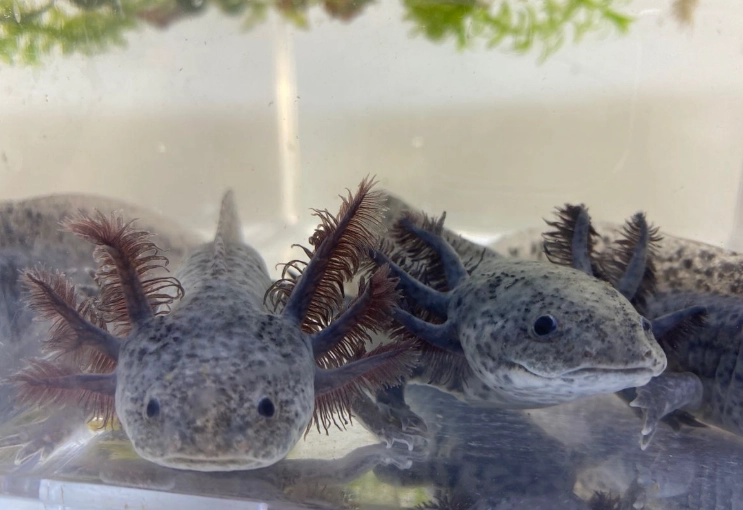
I remember staring at a stunning, snow-white axanthic flowerhorn in a specialty shop years ago. The price tag was... let's just say it made my eyes water more than the tank water. I bought a normal one instead and spent the next year wondering about that ghostly beauty. This guide is the one I wish I had back then. We're going to cut through the hype and the confusing genetics jargon. We'll talk about what it's actually like to live with these unique fish, warts and all. Because they're not just a novelty; they're a fascinating lesson in biology swimming right in your tank.
Axanthic Fish, Plainly Put: An axanthic fish lacks yellow and red pigment cells (xanthophores and erythrophores). This leaves them with a palette of blacks, whites, grays, and silvers, often creating a stunning, high-contrast "black and white" or "blue" appearance. It's a genetic trait, not a disease.
It's All in the Genes: The Science Behind the Color (or Lack Thereof)
Okay, we have to touch on genetics a bit, but I promise to keep it painless. Think of fish color like a painting. The fish has a genetic blueprint for what colors to use. Most fish have instructions for yellow, red, black, and reflective pigments. An axanthic fish has a mutation in its blueprint that says, "Skip the yellow and red paint. Just don't use it."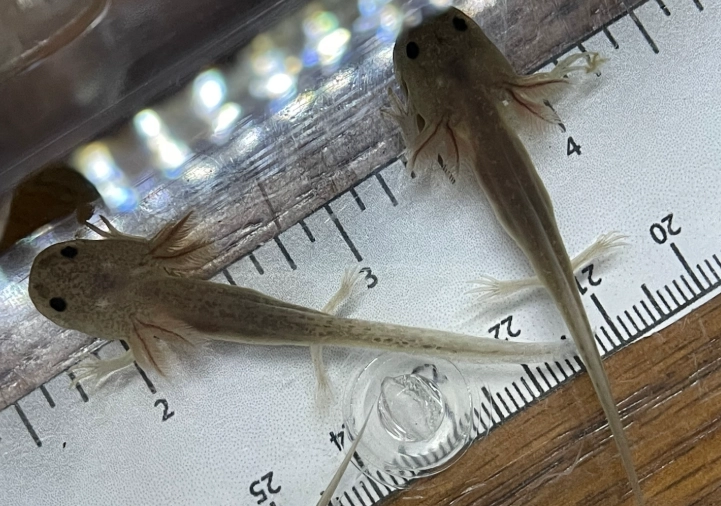
This is different from albinism. Albino fish lack all melanin (black/brown pigment), so they're white with pink/red eyes. Axanthic fish still have their black pigment (melanin), which is why their eyes are usually dark and normal-looking. This is a crucial distinction for their care, which we'll get to.
The trait is usually recessive. That means a fish needs to inherit the axanthic fish gene from both parents to show the look. If it only gets one copy, it looks normal but carries the gene—a "het" (heterozygous) axanthic. This is why breeding them gets interesting (and pricey).
Meet the Cast: Top Axanthic Fish Species You Can Actually Find
You won't find axanthic versions of every single species. The mutation has been selectively bred and stabilized in popular aquarium lines. Here are the ones you're most likely to encounter, from the beginner-friendly to the "experts-only" tier.
The Popular Picks (You Might See These Locally)
Axanthic Guppies & Endlers: These are a great starting point. You'll see them labeled as "blue" or "black" guppies. The absence of yellow and red lets the iridescent blues and deep blacks shine. They're hardy, breed easily, and give you a feel for the trait without a huge investment. A perfect first axanthic fish.
Axanthic Balloon Molly: These look like little black-and-white or blue-and-white puffballs. The same care as any molly applies, but they do stand out in a planted tank. Personally, I find the balloon body shape a bit much, but their popularity is undeniable.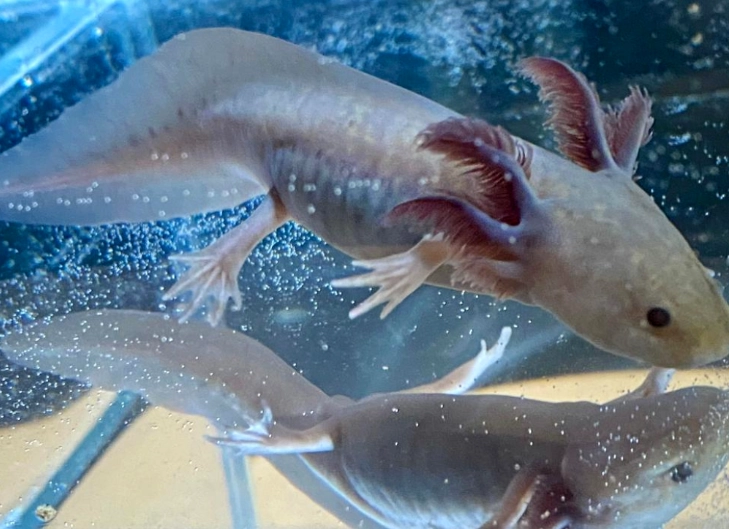
The Showstoppers (Online & Specialty Shops)
This is where the hobby gets serious. These fish command attention and higher prices.
Axanthic Oscar Fish: Instead of the typical tiger stripes of orange and black, an axanthic Oscar is a majestic, moody-looking creature of gray, black, and white marbling. They have all the personality of a regular Oscar (which is a lot) but in a monochrome suit. They need big tanks, like 75 gallons minimum, and are messy eaters.
Axanthic Flowerhorn Cichlid: The ultimate centerpiece. Their nuchal hump and intense stare are even more pronounced without bright colors. They look like living marble statues. They are aggressive, need solo tanks or very careful pairing, and are not for the faint of heart (or wallet). That one I saw years ago still haunts me.
Axanthic Koi Betta (Plakat): A personal favorite. The "koi" pattern, which is normally red, black, and white, becomes a stunning black, white, and steel-blue galaxy. They are breathtaking. Care is standard for a betta, but their fins are shorter (plakat), making them more active.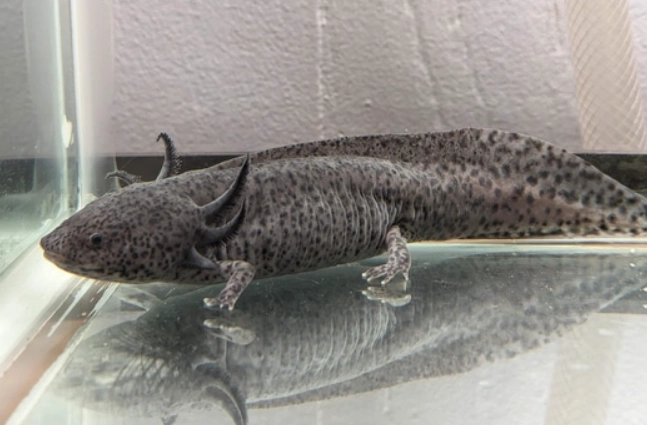
To help you compare, here's a quick rundown of what to expect with these stars:
| Species | Typical "Axanthic" Look | Tank Size Min. | Difficulty | Note |
|---|---|---|---|---|
| Guppy/Endler | Blue, Black, Silver | 10 gal | Easy | Great for beginners, prolific breeder. |
| Balloon Molly | Black & White, Blue & White | 20 gal | Easy | Prefers slightly brackish water. |
| Oscar | Gray, Black, White Marble | 75 gal | Medium | Personality-plus, very messy. |
| Flowerhorn | White, Gray, Black | 55 gal (solo) | Hard | Aggressive, needs solo tank. |
| Koi Betta | Black, White, Steel Blue | 5 gal | Easy | Stunning pattern, individual personality. |
Keeping Them Happy: Axanthic Fish Care Isn't *That* Different... Mostly
Here's the good news: caring for an axanthic fish is 95% identical to caring for its normal-colored counterpart. An axanthic oscar needs the same huge tank and filtration as a regular oscar. The 5% difference is crucial, though, and it mostly revolves around one thing: light.
The Big One: Light Sensitivity & Tank Setup
Remember how they lack certain pigments? Those pigments aren't just for show; they offer some protection against bright light. Many axanthic fish can be more sensitive to intense, direct aquarium lighting.
You might notice them seeming skittish or hiding more under bright LEDs. The fix is simple:
- Use Floating Plants: Hornwort, frogbit, or water lettuce. They diffuse light beautifully and make the fish feel secure. I always have a ring of floaters in my axanthic betta's tank.
- Adjust Your Lighting Period: Instead of 8 hours straight, try two 4-hour periods with a break in the middle.
- Provide Plenty of Hides: Caves, driftwood, and dense plant clusters (like java fern or anubias) give them shady retreats.
This isn't a universal rule—some couldn't care less—but it's the first thing to check if your fish seems stressed.
Water Parameters & Diet: Stick to the Script
Don't fall for myths about "special water" or "color-enhancing foods" for axanthic fish. That's for fish with color you want to bring out. For axanthics, you want optimal health, period.
- Water Quality is King: Stable parameters (ammonia 0, nitrite 0, nitrate
- Diet: Feed a high-quality, varied diet appropriate for the species. For omnivores like cichlids, a mix of pellets, frozen shrimp, and veggies is perfect. A good resource for species-specific nutrition is the FishBase database, which compiles ecological and dietary data from scientific literature.
What Can Go Wrong? Health & Lifespan Considerations
Let's be real. Every fish has potential health issues, and axanthics are no exception. The main question hobbyists have is: Are they weaker?
The honest answer is: sometimes, but not inherently. The issue isn't the axanthic trait itself, but the inbreeding that often happens to establish and proliferate the line in captivity. Tight gene pools can lead to weaker immune systems or other genetic quirks.
Common Issues to Watch For:
My Experience: I had a line of axanthic guppies that were stunning but would consistently get outcompeted for food by hardier strains, and they seemed more prone to fin nipping from tankmates. I had to keep them in a species-only tank to truly thrive.
- Increased Stress Visibility: Their pale bodies can make signs of stress (stress stripes, color fading) more obvious. This is actually a useful early warning system.
- Potential for Internal Issues: In poorly bred lines, you might see swim bladder problems or lower fertility. This is why buying from a reputable breeder is critical for axanthic fish. Ask about the health history of the line.
- Lifespan: A well-bred axanthic fish from a responsible source should have a normal lifespan for its species. A poorly bred one may not. Do your homework on the breeder.
For reliable, science-based information on fish diseases and their treatments, the Merck Veterinary Manual's aquarium fish section is an authoritative reference that many advanced hobbyists and vets use.
The Breeding Game: Can You Make Your Own?
Thinking of breeding axanthic fish? It's a fascinating project that teaches you a lot about genetics. But it's not a get-rich-quick scheme. It requires space, patience, and a plan.
The basic model for a recessive trait like axanthism:
- Breed two visual axanthics together. Result: 100% visual axanthic offspring.
- Breed a visual axanthic with a normal-looking "het" (carrier). Result: Roughly 50% visual axanthic, 50% het offspring.
- Breed two hets together. Result: A classic 1:2:1 ratio. For every 4 fry, statistically, 1 will be visual, 2 will be hets, and 1 will be normal with no axanthic gene.
See why hets are valuable to breeders? They carry the magic without showing it.
The Ethical Bit: Before you start, ask yourself: what will I do with all the non-axanthic offspring? Do you have the space and resources to care for them or rehome them responsibly? Breeding should always be about improving the line and the hobby, not just producing novelties.
Buying Your First Axanthic Fish: A Realistic Checklist
Ready to take the plunge? Don't just click "buy now" on the first pretty picture. Slow down.
- Source is Everything: Avoid mass-market websites with no information. Look for dedicated breeders on forums or reputable specialty online stores. Read reviews. A good breeder will answer your questions about lineage and care.
- Ask for Videos, Not Just Photos: Request a video of the actual fish swimming. This shows its health, activity level, and true color better than any photoshopped image.
- Quarantine, Always: This goes for any new fish, but doubly so for a prized axanthic. Set up a separate, bare-bottom tank for 4-6 weeks to observe and treat for any potential parasites or illness before introducing it to your display tank. The American Aquarium Products guide to quarantine outlines a very practical method used by many serious hobbyists.
- Be Prepared for the Cost: A quality axanthic fish from a good line costs more. Sometimes a lot more. Factor in shipping if buying online. It's an investment.
Wrapping It Up: Are Axanthic Fish Right For You?
Axanthic fish offer a unique, often breathtaking window into the world of aquarium genetics. They're living art in monochrome. But they're not a "set and forget" pet. They require the same diligent care as any fish, with a little extra consideration for their comfort.
If you're a beginner, start with an axanthic livebearer like a guppy. Get your feet wet. If you're an experienced aquarist looking for a new challenge or a stunning centerpiece, an axanthic cichlid might be your holy grail.
Just remember, the goal is a healthy, thriving fish, not just a rare collectible. Provide a great home, understand their slight quirks, and you'll be rewarded with one of the most intriguing creatures you can keep in a tank. That ghostly flowerhorn from my past? I still think about it, but now I know exactly what it would have taken to give it a good life. And that knowledge is worth more than any fish.

Comments
Leave a Comment