Your Quick Guide to the Turaco's Secret
If you've ever spent time in the aviaries of a world-class zoo or, better yet, been lucky enough to birdwatch in sub-Saharan Africa, you might have seen a Red-crested Turaco. That flash of crimson and green is unforgettable. But there's a piece of their story most casual observers miss entirely—a brilliant piece of avian strategy often called the "parent trap." It's not a Hollywood plot; it's a survival tactic. And understanding it transforms how you see these birds. This isn't just about identifying them; it's about glimpsing the complex decisions they make every day to raise their young.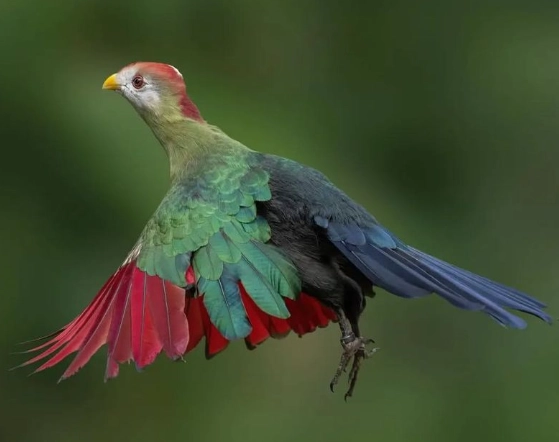
What Exactly Is the "Parent Trap"?
Let's cut through the jargon. The "Red-crested Turaco parent trap" refers to a specific and critical phase in their breeding cycle. It's not about the courtship or the egg-laying. The trap is sprung after the chicks hatch, during that incredibly vulnerable window when they've outgrown the nest but can't yet fly properly.
Here’s how it works. Turacos build fairly flimsy, platform-like nests in dense foliage. The chicks develop quickly and, at about 2-3 weeks old, they start clambering out. They can't fly yet, but they can hop, scramble, and hide in the branches surrounding the nest. This is the danger zone. A grounded or poorly mobile chick is a snack for monkeys, snakes, or other birds of prey.
The Trap Mechanism: The adult turacos (often both parents) engage in a deliberate performance of distraction. They will land conspicuously away from the hidden chicks, often on an exposed branch. Then, they start calling—loud, repetitive, attention-grabbing calls—while making exaggerated, clumsy movements. The goal is simple: to look like an easier, more tempting target than the well-camouflaged chicks. They're essentially saying, "Hey predator, over here! Look at me, not my kids."
This behavior is a form of injury-feigning or distraction display, common in many ground-nesting birds like plovers. What makes it a "trap" for the turaco is its arboreal context and the specific timing tied to the chicks' fledgling stage. A common mistake new birdwatchers make is misinterpreting this. They see the noisy, seemingly agitated adult and assume the nest has been disturbed or the bird is in distress. In reality, you're watching a calculated, protective ruse.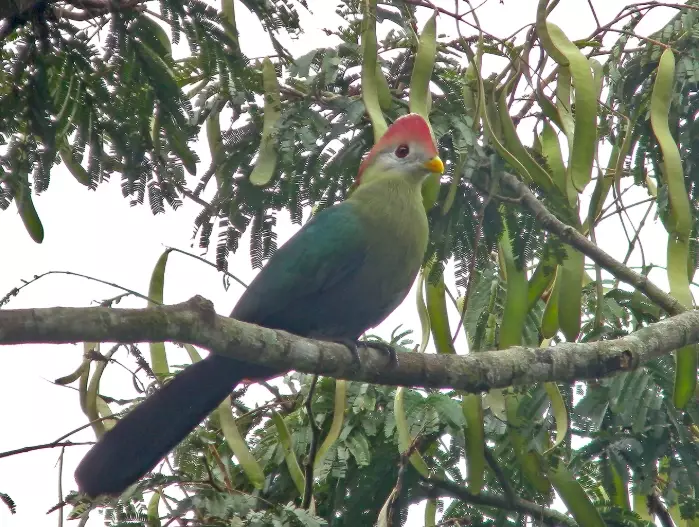
A Birder's Blueprint: How to Witness It
You can't just show up anywhere and see this. It requires planning, patience, and knowing exactly what to look for. Based on years of observations and conversations with guides in Kenya and Tanzania, here’s your actionable plan.
Step 1: Be in the Right Place
Red-crested Turacos are native to Angola. For reliable observation, major zoological institutions with immersive aviaries are your best bet. These controlled environments often have breeding pairs, and the behavior is more predictable. Here are two top-tier locations:
| Location | Best Viewing Area | Typical Breeding Season | Pro Tip |
|---|---|---|---|
| San Diego Zoo Safari Park (California, USA) | African Woods Aviary | Late Spring to Early Summer (May-July) | Visit in the late morning when keepers often do feeds; the birds are active and vocal. |
| Jurong Bird Park (now Bird Paradise, Singapore) | Wings of Asia or African Riverine aviaries | Can vary; often aligns with rainy seasons simulated in habitat. | Talk to the aviculturists. They know which pairs are nesting and can point you to the right tree. |
In the wild, focus on forest edges and riverine galleries in Angola. Organized birding tours to reserves like Kissama National Park are your entry point.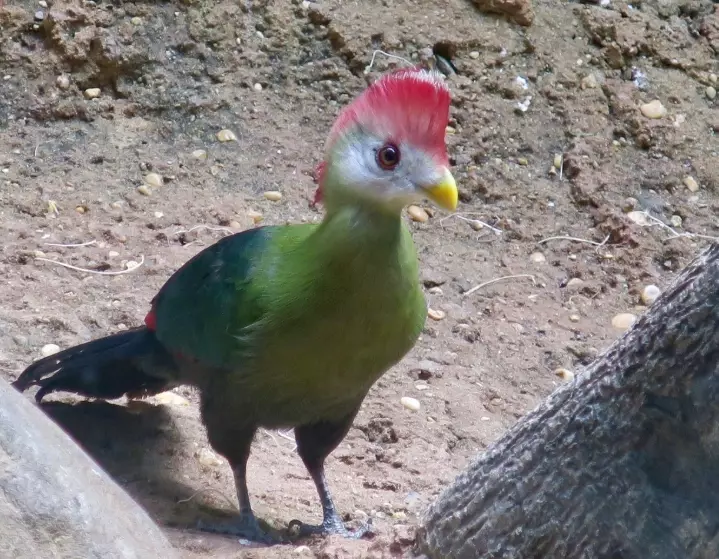
Step 2: Be There at the Right Time
Timing is everything. The "parent trap" isn't a year-round show.
Season: In the wild, breeding is often tied to the rainy season when fruit is abundant (roughly November to April in Angola). In zoos, spring and summer are prime times in the Northern Hemisphere.
Time of Day: Go early. The first 3-4 hours after dawn are golden. This is when adults are most actively foraging and feeding chicks, and predator activity (real or perceived) is higher. You might see the behavior again in the late afternoon.
Step 3: Look for the Tell-Tale Signs
Don't just scan for a red crest. Look for the behavioral narrative.
First, find a potential nest zone. Look for a messy platform of twigs high in a forked branch. Listen for constant, soft peeping sounds—that's the chicks.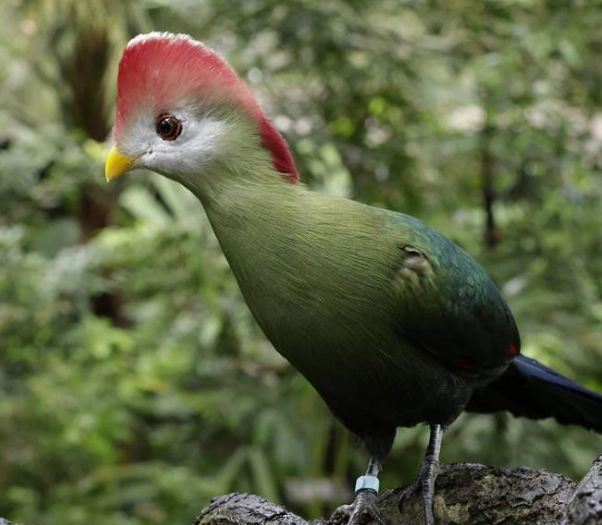
The trigger: Watch what happens when a potential threat appears. This could be another large bird flying over, a zoo visitor moving suddenly, or even a ground keeper. The adult turaco will not fly directly at the threat. Instead, it will fly away from the nest area to a secondary perch.
The performance: Then begins the act. Loud, repetitive "kow-kow-kow" calls. It might flutter its wings as if injured, or hop along the branch in a deliberately awkward way, making itself the center of attention. Keep your binoculars on that adult, but then slowly scan the foliage 10-15 meters around it. With luck, you'll spot a fluffy, dark chick frozen motionless on a branch. That's the whole game right there.
Beyond the Basics: Why This Behavior Matters
Observing the parent trap isn't just a cool birding trophy. It's a window into evolutionary pressure and avian intelligence.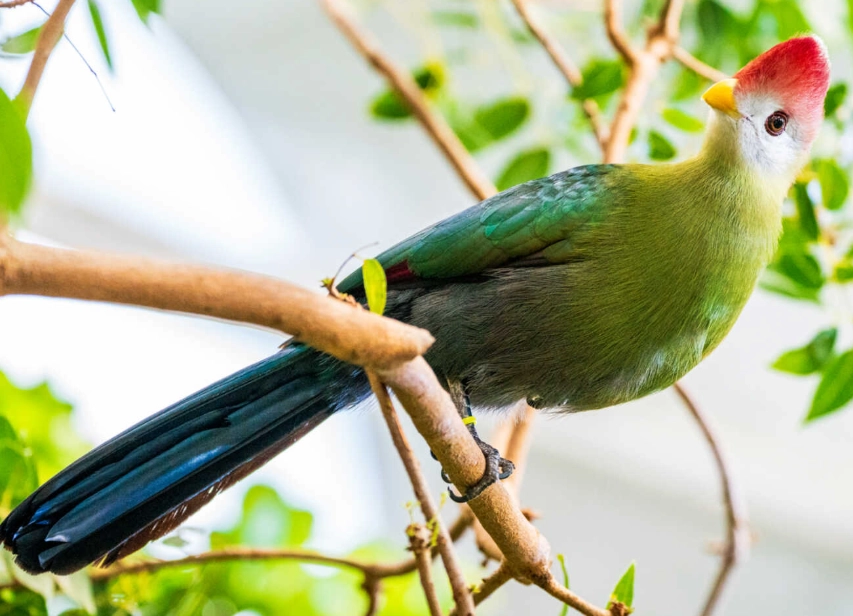
Most literature will tell you turacos are "weak fliers." That's a simplistic take. Watching the parent trap shows you they are, in fact, highly maneuverable fliers in dense cover. That clumsy fluttering during the display? It's a feigned weakness. The adult is perfectly capable of zipping away through thick branches—which it will do the moment the predator takes the bait and gets close enough.
This behavior also highlights the immense energy cost of reproduction. Performing this distraction display draws the adult's energy away from foraging and exposes it to real risk. It underscores why high-quality, fruit-rich habitat is non-negotiable for their survival, a key point raised by the IUCN Red List, which classifies the species as one of Least Concern but notes habitat loss pressures.
From a conservation education perspective, showcasing this "trap" is powerful. It moves the conversation past static beauty (“look at the pretty red bird”) to dynamic struggle (“look at the clever strategy this parent uses”). That builds a deeper, more empathetic connection for zoo visitors, which is crucial for supporting conservation efforts for turaco species facing greater threats, like the endangered Bannerman's Turaco.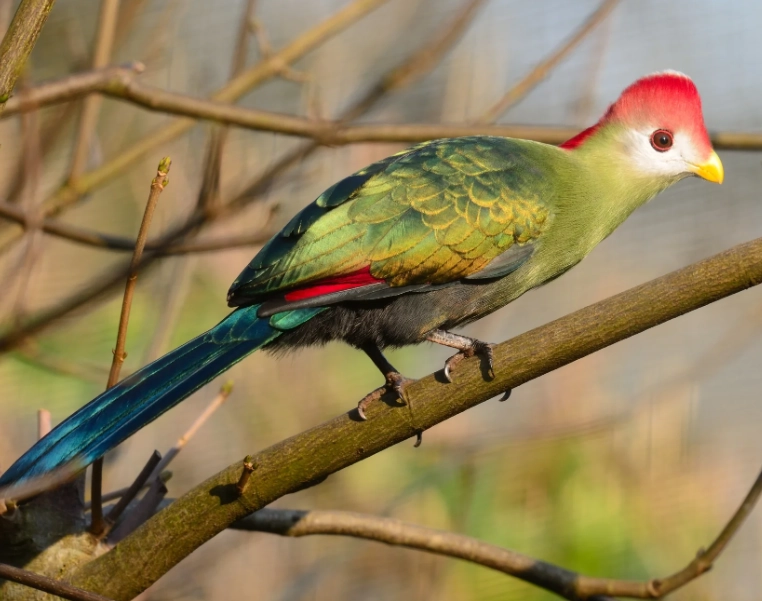

Comments
Leave a Comment