Think about the most efficient cutting tool in nature. Your mind might jump to a shark's grin or a crocodile's formidable jaws. But here's the thing most articles get wrong: comparing them as just "sharp teeth" misses the entire story. They represent two wildly different, yet supremely successful, evolutionary solutions to the same problem—how to grab, hold, and process prey. One is built for a lifetime of crushing power, the other for endless, disposable precision. Understanding the anatomy of crocodile teeth and the mechanism of shark teeth replacement isn't just trivia; it shows us how evolution engineers function under extreme pressure.
What’s Inside: Your Quick Guide
The Crocodile's Arsenal: Built to Last a Lifetime
A crocodile's smile is a study in sustained menace. Unlike sharks, crocs don't have a conveyor belt of replacements waiting in rows. What they have is something arguably more sophisticated for their lifestyle: thecodont dentition. This means each tooth is securely socketed into the jawbone, much like our own, providing an incredibly stable anchor for generating immense force.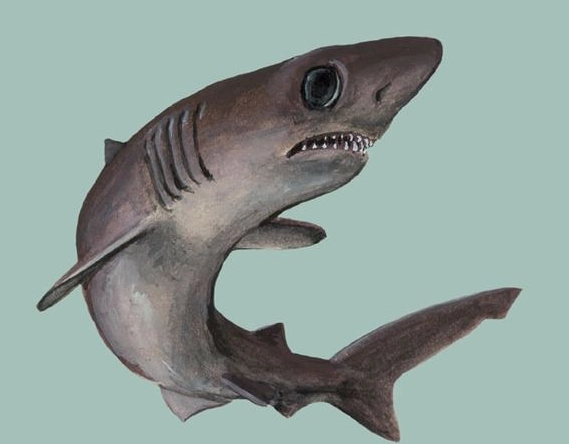
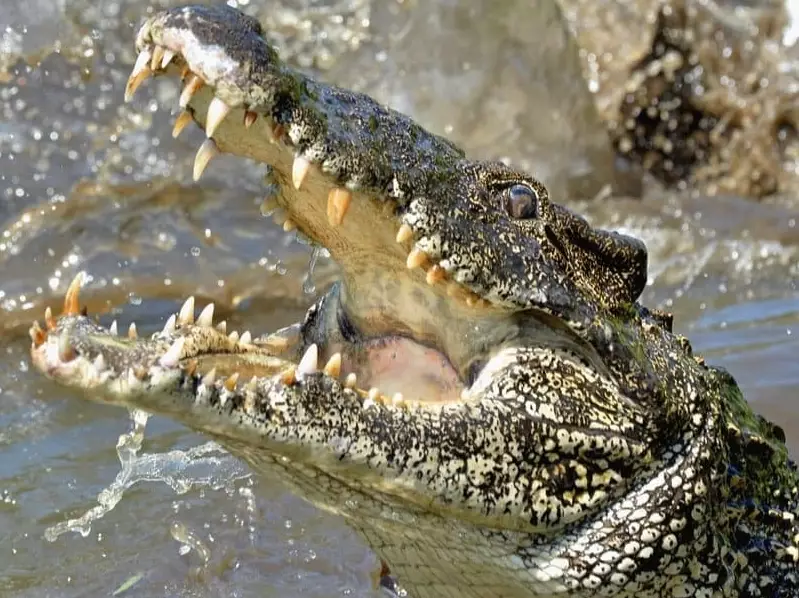
I've handled fossilized and modern croc skulls, and the thing that always strikes me is the sheer variation in tooth shape along the jaw. It's not random.
- The Front Grabbers: The first few teeth at the tip of the snout are conical and needle-like. Their job isn't to crush, but to punch through hide and muscle during the initial lightning-fast lunge, anchoring the prey instantly.
- The Middle Crushers: As you move back, the teeth become thicker, blunter, and more robust. These are the power generators. When a crocodile performs its infamous "death roll," these teeth, combined with the incredible bite force (measured at over 3,700 psi for a saltwater crocodile, according to research cited by the Florida Museum of Natural History), act like biological vise grips, holding on while the body rotation tears off chunks of flesh.
- The Rear Processors: The very back teeth are often shorter and even more rounded, helping to guide food down the throat.
A common misconception: People think crocodiles have weak jaw-opening muscles. That's partially true—the muscles for opening are weak compared to the ones for closing. But the real design genius is in the ligament that acts like a spring, helping the jaw snap shut with minimal energy. It's a hyper-specialized system for ambush predation.
And yes, they do replace teeth, but on a slow, as-needed basis. A new tooth grows in a socket below the old, worn one, eventually pushing it out. An individual might go through 2,000-3,000 teeth in its long lifespan, a far cry from a shark's turnover rate.
The Shark's Conveyor Belt: Disposable Precision
Shark teeth are the ultimate disposable razor blade. The system is elegantly simple and brutally efficient. Most sharks have multiple rows of teeth (often 5-15 rows) behind the functional front row, all attached to a continuous band of tissue. As a front tooth is lost—whether through feeding, fighting, or just wear—the next one in line rotates forward to take its place, a process that can happen in as little as 24 hours.
This shark teeth replacement system is the key to their success. It means a shark's teeth are always sharp, never dulled by age or damage. A single shark may shed and replace tens of thousands of teeth in its lifetime.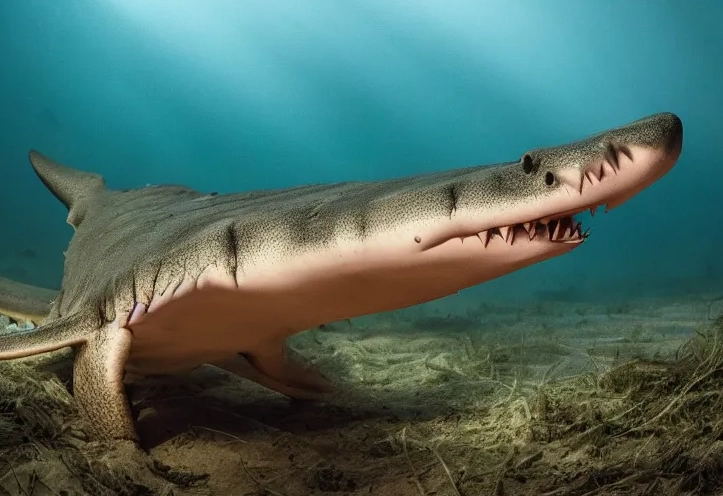
But again, it's not one-size-fits-all. The tooth shape is a direct map to the shark's diet, and this is where it gets fascinating.
- Great White Sharks: The iconic triangular, serrated teeth. They're perfect for slicing through the blubber and flesh of large marine mammals. The serrations act like a steak knife, allowing the shark to saw off manageable pieces.
- Tiger Sharks: These are the Swiss Army knives. Their teeth have a unique cockscomb shape—a curved, serrated edge that's excellent for cutting through everything from turtle shells to fish bones to, unfortunately, man-made debris.
- Nurse Sharks: They have small, crushing pavement-like teeth in the back for grinding up crustaceans and mollusks.
The design is pure function. There's no root, no deep socket. The tooth is a tool, used and discarded, with an endless supply queued up. It's a strategy of quantity and constant renewal over individual tooth durability.
Head-to-Head: A Functional Comparison
So, whose dental design is "better"? That's the wrong question. The right question is: how are they perfectly adapted to their respective environments and hunting styles? This table breaks down the core differences.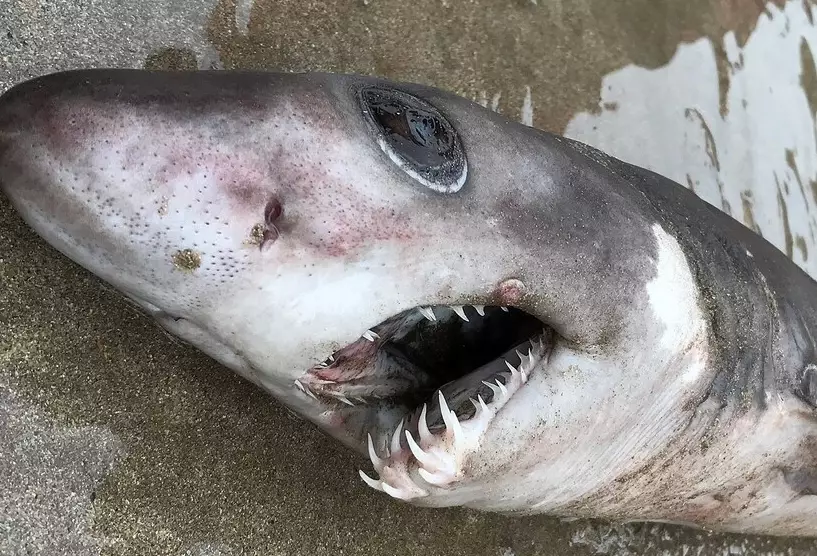
| Feature | Crocodile Teeth | Shark Teeth |
|---|---|---|
| Primary Function | Gripping, holding, and crushing. Designed for a prolonged struggle with large prey on land or at the water's edge. | Slicing, piercing, and cutting. Designed for quick, efficient strikes in a 3D aquatic environment. |
| Attachment | Thecodont (in deep sockets). Extremely stable for high bite force. | Attached to a fibrous membrane, not directly to jawbone. Easily shed and replaced. |
| Replacement Strategy | Slow, episodic replacement over a lifetime (2,000-3,000 teeth total). | Rapid, conveyor-belt system. Can replace teeth every 1-2 weeks (10,000s of teeth in a lifetime). |
| Tooth Morphology | Heterodont (different shapes). Conical in front for grabbing, blunt in back for crushing. | Usually homodont within a species (similar shape), but shape varies hugely between species based on diet. |
| Key Evolutionary Advantage | Durability and power per tooth. Suited for a high-impact, high-force lifestyle. | Constant sharpness and redundancy. Suited for a life of constant feeding with high tooth-loss risk. |
Looking at this, you see the trade-offs. A crocodile can't afford to lose a major tooth during a critical fight with a wildebeest—it needs that anchor. A shark, moving through the open ocean, can't have a dulled blade—its next meal depends on sharpness, and losing a tooth is a minor, expected event.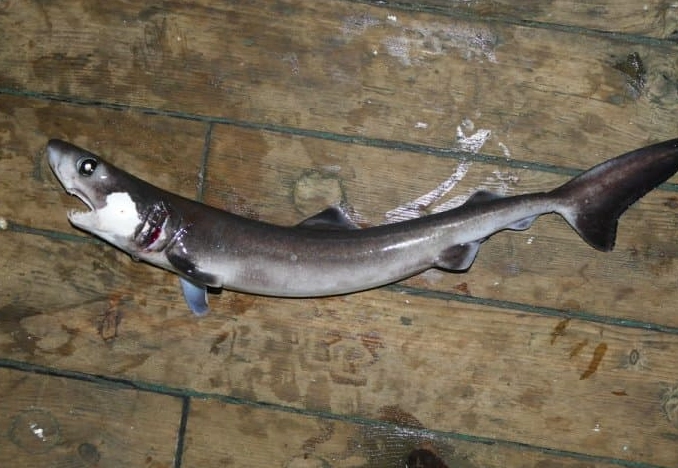
Beyond the Bite: Evolutionary Lessons and Human Applications
This isn't just academic. The study of these biological structures fuels the field of biomimicry—copying nature's designs to solve human problems.
Crocodile bite force mechanics are inspiring research into stronger, more energy-efficient clamping and gripping tools. The way pressure is distributed along their jaws could inform the design of industrial shears or specialized rescue tools.
More directly, understanding shark tooth serrations has led to improvements in cutting blade design. The specific pattern of serrations on a great white's tooth is being analyzed to create sharper, longer-lasting surgical scalpels and industrial cutting wires. Researchers at the Smithsonian Institution have studied the nano-structure of shark teeth to understand why they stay so sharp.
On a practical note for wildlife enthusiasts: this knowledge changes how you view safety. Knowing that a crocodile's bite is about relentless holding force, while a shark's is about rapid, slicing damage, clarifies the different risks in their habitats. It underscores why you should never swim in known crocodile waters (they will hold you under) and why avoiding areas with high shark activity during feeding times (dusk/dawn) is crucial.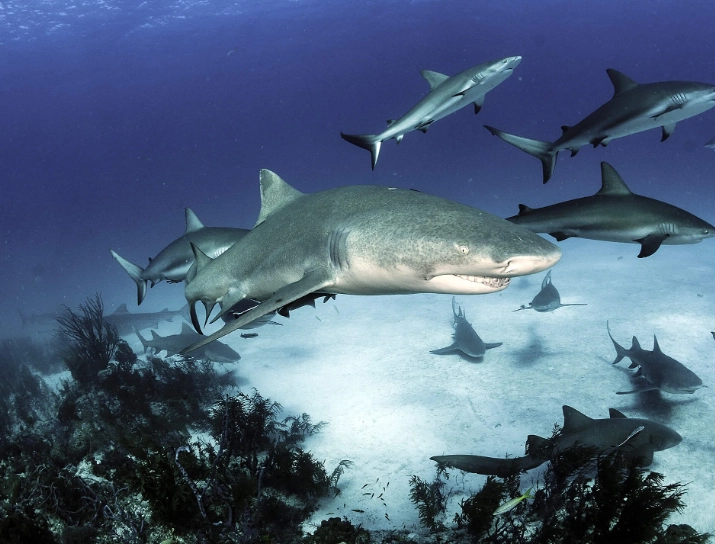

Comments
Leave a Comment