Quick Guide
- Why Mix a Basset Hound, Anyway?
- The Basset Blueprint: What Every Mix Inherits
- The Top Contenders: Most Popular Basset Hound Mixes
- Beyond the Usual Suspects: Other Basset Mixes You Might Find
- The Health Picture: What to Watch Out For
- Living With a Basset Mix: Training, Socialization, and Lifestyle
- Finding Your Basset Hound Mix: Adoption vs. Responsible Breeding
- Frequently Asked Questions (The Real Stuff People Ask)
- Final Thoughts: Embracing the Mix
You see that droopy face, those long, velvety ears, and that low-slung body waddling through the park, and you just know – that's a Basset Hound. But wait, something's different. The color is off, or the legs seem a bit longer, or maybe there's a curl in that tail. You find yourself wondering, what are Basset Hounds mixed with to create this unique pup? It's a great question, and one that's becoming more common as mixed-breed dogs, especially those involving beloved purebreds like the Basset, capture our hearts.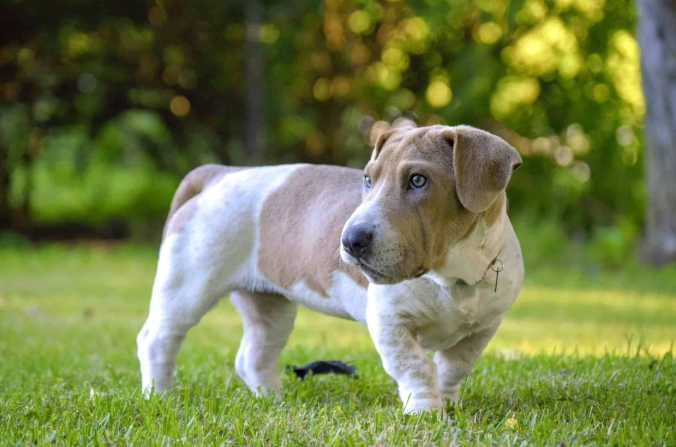
I've been around dogs my whole life, and I've got a soft spot for the underdogs, the mutts, the one-of-a-kind mixes. There's something special about a dog that's a genetic surprise package. And let's be honest, Basset Hounds bring a specific kind of charm to the mix – part stubborn philosopher, part food-obsessed comedian, all heart. But when you blend that with another breed, you get a whole new set of possibilities, and not all of them are predictable.
Why Mix a Basset Hound, Anyway?
Before we dive into the specific mixes, let's talk about the "why." People look for Basset Hound mixed with another breed for a few reasons. Sometimes it's an accident, of course. But often, prospective owners are hoping to get the best of both worlds. Maybe they love the Basset's demeanor but live in an apartment and are worried about the famous Basset bay (it's loud, trust me). Maybe they adore the wrinkles but want a dog that's a bit more eager to please on the training front. Or perhaps they're drawn to the short legs but want a coat that doesn't shed quite as much.
It's a gamble, though. Genetics don't work like a smoothie where you get exactly half of each ingredient. The puppy might take after the Basset parent almost entirely, or it might be a wild card. That's part of the adventure, but it's also why you need to go in with your eyes open.
I remember meeting a Basset mixed with what we think was a Border Collie. The owner was hoping for a smart, trainable dog with a cute, low body. What they got was a dog with the Basset's stubborn independence and the Border Collie's intense need for a job. It was... a challenge. A sweet dog, but a mismatch for their lifestyle. That experience really drove home for me that understanding the potential parent breeds is crucial.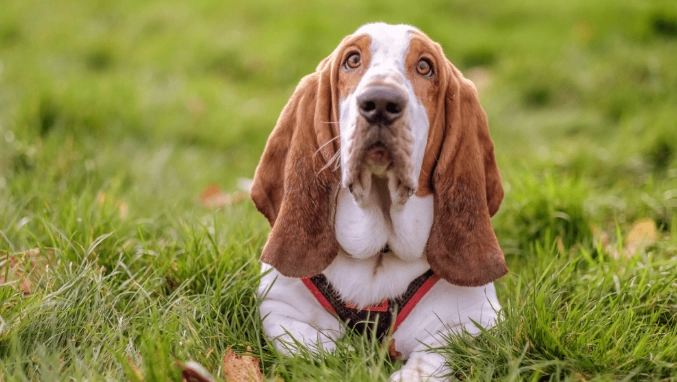
The Basset Blueprint: What Every Mix Inherits
To understand what a Basset mix might be like, you first have to know what makes a Basset, well, a Basset. These aren't just random traits; they're deeply ingrained.
The Physical Hallmarks
The most obvious things a Basset Hound contributes to the mix are physical. Those long, droopy ears aren't just for show – they help funnel scents toward the nose. The loose skin and wrinkles? Also functional for a scent hound, helping to trap odors. And then there are the legs. Short, stout, and powerful. This achondroplastic (dwarf) structure is a dominant gene, which means it's very likely to show up in mixes. So, when you're asking what are Basset Hounds mixed with, you can almost always expect some degree of those iconic short legs.
The body is long and heavy-boned. The tail is usually carried high with a slight curve. The eyes are soulful, mournful even, often showing a bit of haw (the red inner eyelid). These features have a high chance of appearing in first-generation mixes.
The Personality Package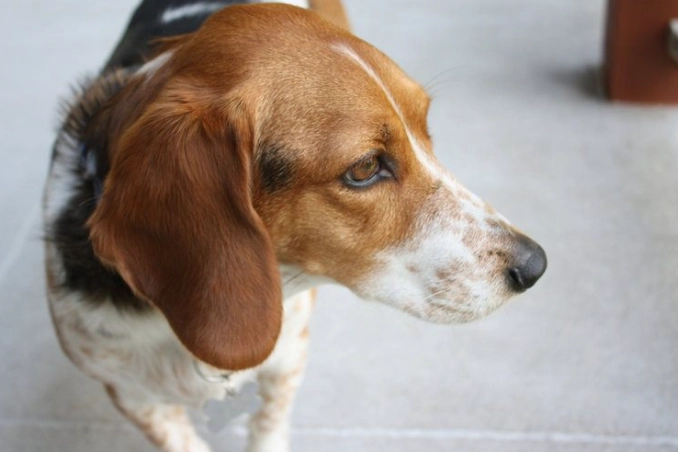
This is where it gets interesting. Basset Hounds are scent hounds, bred to work independently for hours, following a trail. This history gives them a few key personality traits:
- Stubborn & Independent: They think for themselves. "Come" is a suggestion, not a command, unless you're more interesting than the fascinating smell at the base of that tree.
- Food-Obsessed: Their motivation is almost entirely food-based. This is a double-edged sword – great for training, terrible for counter-surfing.
- Gentle & Affectionate: With family, they are mellow, sweet, and deeply loyal. They are generally excellent with children due to their tolerant nature.
- Vocal: They don't just bark; they bay. It's a deep, melodious, and incredibly loud sound used to communicate. A mix may or may not inherit this.
- Moderate Energy: They have bursts of puppy-like energy but are famously couch potatoes as adults, needing moderate exercise to stay healthy.
The Top Contenders: Most Popular Basset Hound Mixes
Alright, let's get to the heart of it. Based on popularity, shelter sightings, and breeder listings, here are the mixes you're most likely to encounter when exploring what Basset Hounds are mixed with.
| Mix Name (Common) | Other Parent Breed | Likely Key Traits | Size Estimate | Common Health Considerations |
|---|---|---|---|---|
| Bassador | Labrador Retriever | Friendly, outgoing, more trainable than pure Basset, may have a less extreme body shape. Energy level can be higher. Coat may be shorter/shed less than a Lab's. | Medium to Large (45-75 lbs) | Joint issues (hips/elbows), bloat, ear infections. A mix of both parents' concerns. |
| Basset Shepherd | German Shepherd | An intriguing (and often challenging) blend. May have Shepherd loyalty & intelligence with Basset stubbornness. Appearance varies wildly – could have Shepherd coloring with Basset build. | Medium to Large (50-80 lbs) | Very high risk for joint dysplasia. Also prone to bloat, degenerative myelopathy (from Shepherd side). |
| Basset Retriever (often same as Bassador) | Golden Retriever | Extremely friendly, family-oriented, gentle. Likely retains the Basset's love of lounging but enjoys play. Coat can be wavy or straight. | Medium to Large (50-75 lbs) | Similar to Bassador: joints, heart conditions, certain cancers common to Goldens. |
| Basset Pit / Basset Bull | American Pit Bull Terrier / Staffordshire Terrier | Often incredibly muscular and powerful in a compact package. Can be fiercely loyal, affectionate, and tenacious. Early socialization is non-negotiable. May have a higher prey drive. | Medium (40-65 lbs) | Skin allergies, joint issues, cardiac conditions. A sturdy but medically complex mix. |
| Basset Spaniel (e.g., Cocker, Springer) | Various Spaniels | A softer, often silkier coat. Merry disposition, possibly a bit more biddable than a pure Basset. May retain strong scenting instincts from both sides. | Small to Medium (30-50 lbs) | Ear infections (double whammy of floppy ears!), eye issues, potential for syringomyelia if mixed with Cavalier King Charles Spaniel. |
| Basset Beagle ("Bagel Hound") | Beagle | Double the hound, double the nose, double the stubbornness! Usually smaller, incredibly food-driven, and vocal. A quintessential scent hound mix with energy for days. | Small to Medium (25-45 lbs) | Intervertebral disc disease (IVDD), epilepsy, obesity. Both parents are prone to wandering off on a scent. |
| Basset Dachshund | Dachshund | The ultimate long-and-low dog. Extreme risk for back problems (IVDD). Personality can be bold, curious, and very possessive. Often has a strong prey drive. | Small (20-35 lbs) | IVDD is a MAJOR concern. Also patellar luxation, eye issues. This mix requires strict weight management and ramp use for furniture. |
Looking at that table, you start to see the patterns. The other parent breed dramatically shifts the potential outcome. A mix with a high-energy working dog creates a different lifestyle demand than a mix with another low-energy companion breed.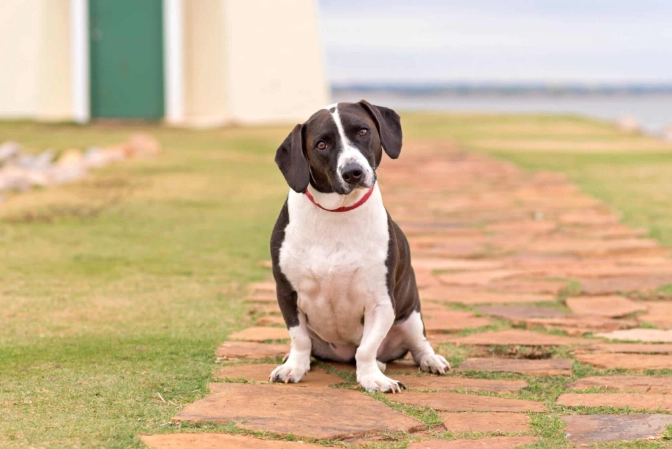
Beyond the Usual Suspects: Other Basset Mixes You Might Find
The list above covers the common ones, but genetics is a funny thing. In shelters and rescues, you can find Basset Hounds mixed with just about anything. I've seen photos online of a Basset mixed with a Poodle (a "Bassoodle" – likely low-shedding but still stubborn), with a Boxer (a powerful, playful combo), and even with a Chihuahua (imagine the attitude on that one!). The key is to not get hung up on the cute portmanteau name. Instead, try to visually identify the traits and, if possible, get to know the individual dog's personality.
When you're trying to figure out what a particular Basset Hound is mixed with, look for clues:
- Coat: Is it wiry? Maybe a Terrier mix. Long and silky? Perhaps a Spaniel or Setter. Curly? Poodle or similar.
- Head Shape: A blocky head might suggest Bulldog or Boxer. A narrower, pointed muzzle could point to a sighthound or smaller terrier.
- Tail: A curly tail often indicates Spitz breeds (like Husky or Shiba) or Pug.
- Behavior: Is the dog hyper-focused on birds or squirrels? Herding other pets? Digging relentlessly? These are big hints.
The Health Picture: What to Watch Out For
One of the supposed benefits of mixed breeds is "hybrid vigor" – the idea that crossing gene pools reduces the risk of inherited diseases. This can be true, but it's not a guarantee. A Basset Hound mix can inherit the health problems from either or both parents. In fact, if both parent breeds are prone to the same issue (like hip dysplasia in Bassets and German Shepherds), the risk might be compounded.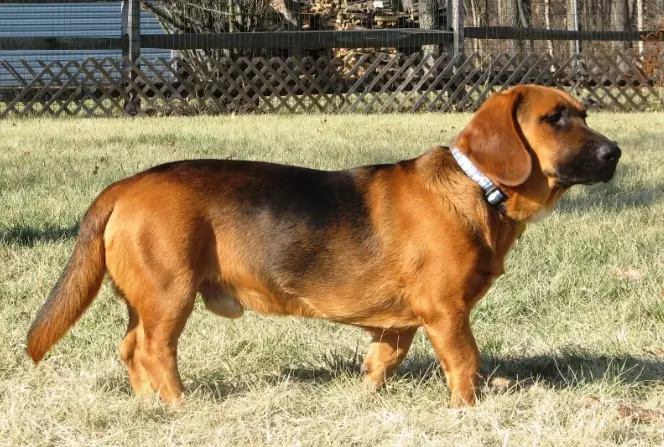
Basset-Specific Health Risks in Mixes:
- Orthopedic Issues: This is the big one. Their unique structure predisposes them to:
- Hip & Elbow Dysplasia: Malformation of the joints leading to arthritis.
- Intervertebral Disc Disease (IVDD): Especially in mixes with other long-backed breeds (Dachshund, Corgi).
- Patellar Luxation: Kneecaps that slip out of place.
Responsible breeding of purebred Bassets involves screening for these. For reputable info on these conditions, the Orthopedic Foundation for Animals (OFA) website is an authority: https://www.ofa.org. - Ear Infections: Those glorious floppy ears create a dark, warm, moist environment perfect for yeast and bacteria. Weekly cleaning is a must for most Basset Hound crossbreeds.
- Eye Problems: Glaucoma, ectropion (droopy eyelids), and cherry eye are all seen in the breed.
- Bloat (GDV): A life-threatening condition where the stomach twists. Deep-chested breeds are at higher risk, and while Bassets aren't the highest risk, some mixes might be.
- Obesity: This isn't a genetic disease per se, but it's a massive health trigger. Their love of food + low energy + potential joint issues = a perfect storm for weight gain. It's cruel to let a Basset mix get fat; it puts immense strain on their already vulnerable skeleton.
Living With a Basset Mix: Training, Socialization, and Lifestyle
Okay, so you've found your perfect Basset Hound mixed with a breed that suits you. Now what? Life with a hound mix is... an experience. It's rarely boring.
Training: Patience is Not Just a Virtue, It's a Requirement
Forget the idea of a perfectly obedient dog that heels off-leash in a field of squirrels. That's not the hound way. Training a Basset mix requires understanding their motivation: food. High-value, smelly treats are your currency. Keep sessions short, fun, and rewarding. They get bored and stubborn quickly.
Recall (coming when called) is the most important command to instill early, but also the hardest. Never punish them for finally coming to you, even if it took five minutes. You'll destroy any progress. A long-line leash in open areas is your best friend for safety.
I made the mistake early on with a Basset mix I fostered of trying to use a stern voice. He just looked at me, sighed, and lay down. It was a power struggle I was destined to lose. Switching to a happy, treat-focused approach made all the difference.
Socialization: It's About More Than Dog Parks
Early and positive exposure to everything is critical. This includes:
- Different people (men with hats, children, people using canes/wheelchairs).
- Other dogs (puppy classes are gold).
- Various sounds (vacuum, traffic, thunderstorms).
- Different surfaces (grass, tile, metal grates, wood floors).
Because they can be wary and stubborn, a poorly socialized Basset mix can become fearful or reactive. The American Veterinary Society of Animal Behavior (AVSAB) has an excellent position paper on the importance of early socialization, which is a must-read for any new dog owner: https://avsab.org.
The Ideal Home for a Basset Mix
Who is this dog for? And who should maybe think twice?
Great For:
- Families with children (due to general gentleness).
- Homebodies or people with a moderately active lifestyle.
- Owners with a sense of humor who don't take themselves (or their dog's obedience) too seriously.
- People with secure, fenced yards. Note: Basset mixes can be escape artists, motivated by food or a compelling scent. The fence needs to be secure at the bottom too.
Think Twice If:
- You demand precise obedience and off-leash reliability.
- You have pristine white carpets or a severe dog hair allergy (they shed!).
- You live in a walk-up apartment (carrying a 50+ lb dog with bad knees up and down stairs is not sustainable).
- You're away from home for 10+ hours a day. They are social and can develop separation anxiety or become destructive.
Finding Your Basset Hound Mix: Adoption vs. Responsible Breeding
This is a crucial decision point. The vast majority of people wondering what are Basset Hounds mixed with should first look at shelters and breed-specific rescues. Organizations like Basset Hound Rescue groups often take in mixes as well. You're giving a home to a dog in need, and you can often find young adults whose personality is already apparent, removing some of the guesswork.
If you are set on a specific mix as a puppy (like a Bassador) and choose to go through a breeder, do your homework.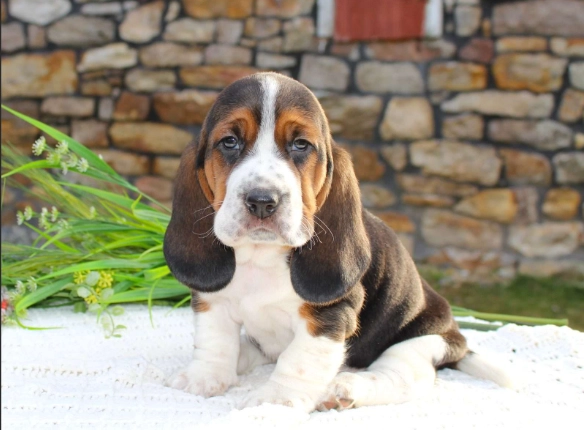
Red Flags in a Breeder:
- Selling multiple different "designer" mixes.
- No health testing on parents.
- Puppies available always, with no waitlist.
- Won't let you visit the mother and puppies in their home environment.
- Pressures you to pay online without meeting.
Green Flags:
- Focuses on one or two breeds/mixes, knows them deeply.
- Provides extensive health clearances.
- Asks you as many questions as you ask them.
- Has a contract requiring you to return the dog to them if you can't keep it.
- The puppies are raised in the home, socialized, and well-cared for.
The American Kennel Club (AKC) website, while focused on purebreds, has excellent resources on identifying responsible breeders, which apply to mixed-breed breeders as well: https://www.akc.org.
Frequently Asked Questions (The Real Stuff People Ask)
Are Basset Hound mixes good family dogs?
Do Basset Hound mixes shed a lot?
Are they easy to train?
How much exercise do they really need?
What's the lifespan of a Basset Hound mix?
Final Thoughts: Embracing the Mix
At the end of the day, a dog is an individual. Labels like "Bassador" or "Basset Mix" give us a starting point, a clue to the puzzle. But the real dog in front of you is the only one that matters. Whether you find your soulmate in a shelter mutt with a hint of Basset or seek out a specific Basset Hound crossbreed from careful breeding, the journey is about partnership.
They will make you laugh with their stubborn antics. They will frustrate you when they follow their nose instead of your command. They will melt your heart when they curl up next to you with a contented sigh. Understanding what Basset Hounds are mixed with is the first step in understanding what you're signing up for – a life with a charming, unique, and wonderfully imperfect companion who will leave paw prints on your heart (and probably some drool on your floor).
Just go in with realistic expectations, a full treat pouch, and a lot of love. You'll do just fine.



Comments
Leave a Comment