Quick Guide
- Rarity in the Wild: The Original Pink Phantom
- Rarity in the Pet Trade: Available, But With Asterisks
- Cost: The Financial Side of Rarity
- Orchid Mantis vs. Other Popular Mantises: A Rarity Ranking
- Where to (Ethically) Find One
- Answering Your Burning Questions (FAQ)
- The Final Verdict: What Does "Rare" Really Mean?
You've seen the pictures. A stunning, delicate-looking insect that looks less like a predator and more like a piece of living flower art. The orchid praying mantis (Hymenopus coronatus) is, without a doubt, the supermodel of the insect world. And that leads to the question everyone asks when they first lay eyes on one: just how hard are these things to find? Are orchid praying mantis rare, or is it just hype?
Well, the answer isn't a simple yes or no. It's more of a "it depends." It depends on where you're looking, what you mean by 'rare,' and what you want to do with one. If you're hoping to stumble upon one in your backyard in Ohio, then yes, impossibly rare. If you're looking to buy one as a pet, the story changes quite a bit. Let's dig into the layers of this.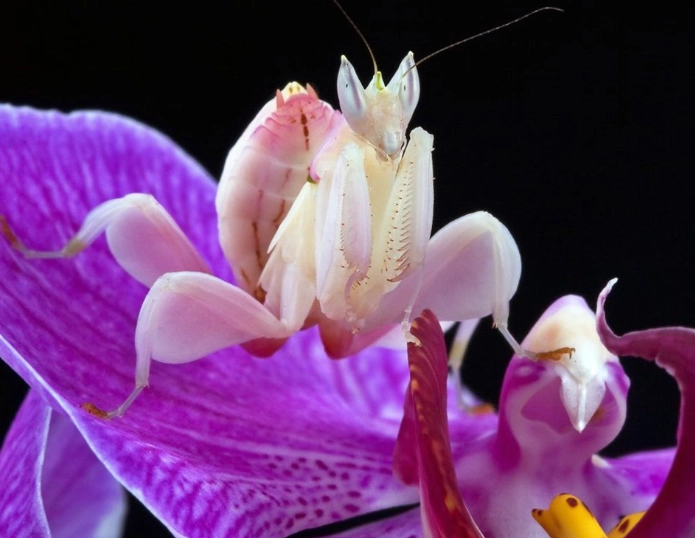
Rarity in the Wild: The Original Pink Phantom
This is where the term "rare" feels most appropriate. The orchid mantis isn't like the common European mantis you might find in a garden. It's a specialist, evolved for a very specific environment.
Their native range is the rainforests of Southeast Asia—think Malaysia, Indonesia, and Thailand. They don't roam vast territories. Instead, they're sit-and-wait predators, perfectly camouflaged on specific flowers (not just orchids, despite the name—they love pink and white flowering trees like cherry blossoms and frangipani) to ambush pollinators.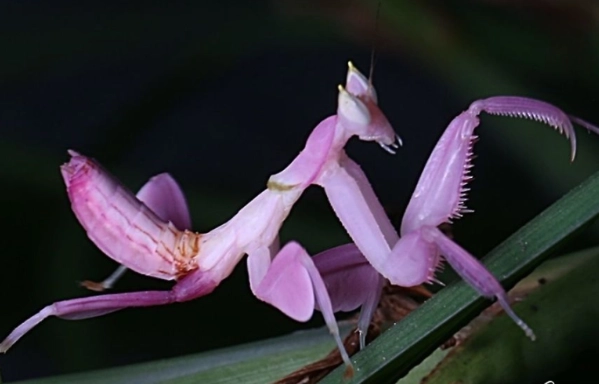
Now, combine that specialized lifestyle with the massive, ongoing deforestation in Southeast Asia. The World Wildlife Fund has extensive reports on rainforest loss in the region. That habitat destruction directly shrinks the available living room for these insects. Scientists haven't given them a formal "Endangered" status on the IUCN Red List (they're often listed as Data Deficient or Not Evaluated because counting them is incredibly hard), but most entomologists agree their wild populations are under pressure and localized. You can't just go for a walk in a Malaysian rainforest and guarantee a sighting.
So, are orchid praying mantis rare in nature? From a conservation and ecological standpoint, they are certainly uncommon and vulnerable, making any wild encounter a special event.
Rarity in the Pet Trade: Available, But With Asterisks
Here's where the perception shifts. If you search online, you'll find numerous breeders and exotic pet sites offering orchid mantis nymphs (babies) for sale. This availability makes them seem common. But this is a bit of an illusion created by captive breeding.
Successful breeders, often in Europe and the US, have cracked the code on raising them. They breed them in controlled environments, which is fantastic because it takes pressure off wild populations. Organizations like the Mantid Forum are hubs where breeders share knowledge, which has been key to their captive success.
But—and this is a big but—this commercial availability doesn't mean they are easy pets. It just means they are obtainable. The rarity here transforms from "hard to find" to "hard to keep alive and thriving."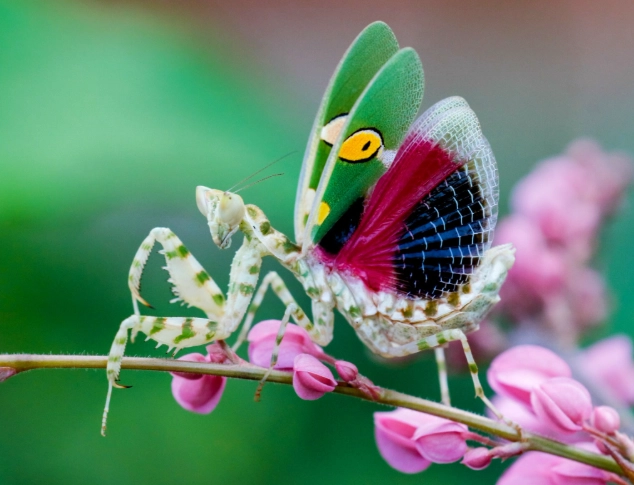
Why Keeping One Feels "Rare" (The Challenges)
I remember my first attempt years ago. I was so focused on the beauty I ignored the specifics. It didn't end well, and it was a tough lesson. Here’s what makes them a pet for dedicated enthusiasts, not beginners:
- Precise Humidity & Temperature: They need steady, high humidity (60-80%) and warm temps (75-85°F). Fluctuations cause failed molts, which are fatal.
- Specialized Feeding: Tiny nymphs often only take flightless fruit flies. As they grow, they need a constant supply of appropriate-sized flying insects like moths, flies, or small butterflies. Crickets can sometimes be aggressive and injure them.
- Fragility: They are delicate. Handling is stressful for them and risks damage. They are for watching, not holding.
- Short Lifespan: Females live about 8 months. Males often only 5-6. You invest in a stunning, but temporary, companion.
- Cannibalism: They must be housed alone. Always. No exceptions.
So when people ask "are orchid praying mantis rare," in the context of pets, I now say: "They're commonly sold, but uncommonly well-kept." The successful, long-term keeper is rarer than the insect itself.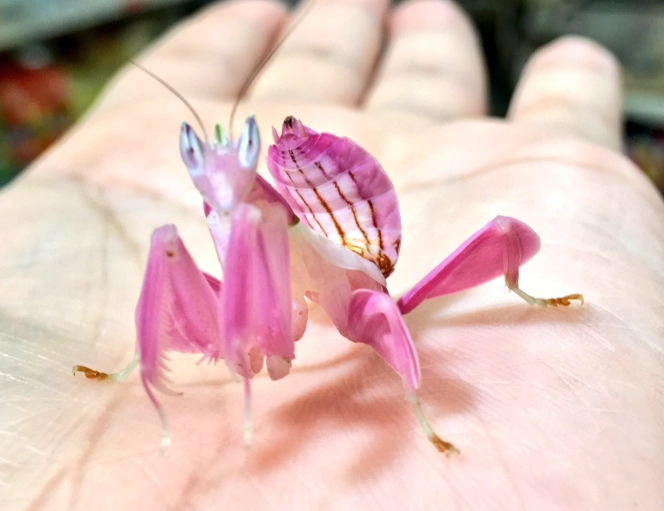
Cost: The Financial Side of Rarity
Price is a direct reflection of perceived rarity and breeding difficulty. You won't find them at your local pet store.
| Stage/Availability | Typical Price Range (USD) | Notes on "Rarity" Factor |
|---|---|---|
| L1/L2 Nymph (Newly hatched) | $30 - $60 | Most common offering. High mortality risk for novices makes a living adult feel "rare." |
| Sub-Adult Female | $80 - $150+ | Harder to find. Breeders invest months of care, so price jumps. Closer to the "guaranteed" stunning adult form. |
| Adult Pair (for breeding) | $200 - $300+ | The rarest commercial offering. Requires perfect timing and a seller with both sexes mature. |
| Wild-Caught Specimen | Variable & Not Recommended | Truly rare and ethically problematic. Stresses wild populations, often arrives with parasites or stress. |
That price tag for a sub-adult answers part of the question, doesn't it? If they were as common and easy as crickets, they'd cost pennies.
Orchid Mantis vs. Other Popular Mantises: A Rarity Ranking
To truly understand where they stand, let's compare. Think of this as a "spectrum of obtainability" for mantis keepers.
- Common & Beginner-Friendly: Chinese Mantis, European Mantis. Often found locally or bred in huge numbers for garden pest control. Dirt cheap or free.
- Popular in the Hobby: Giant African Mantis, Ghost Mantis. Widely bred, readily available online. Moderate price ($20-$40). Care is straightforward. These are the "common" exotic mantises.
- The Intermediate/Showy Tier: Devil's Flower Mantis, Thistle Mantis. Less common breeders, more specific care. Prices higher ($40-$80). You need to know what you're doing.
- The "Rare" & Challenging Tier (Where Orchids Live): Orchid Praying Mantis, Spiny Flower Mantis, Jeweled Flower Mantis. High demand, precise care requirements, stunning appearance. Price reflects desirability and breeding effort. This is the tier where the question "are orchid mantis rare" is most relevant to hobbyists.
- The Holy Grail / Truly Rare: Species like the Peruvian Leaf Mantis or certain obscure Metallyticus species. Almost never in the trade, with unknown or extremely difficult care. You might wait years for an opportunity.
So, orchid mantises aren't the absolute rarest you can find, but they sit firmly in the upper echelon of what's considered a challenging and prized pet insect.
Where to (Ethically) Find One
If you've read all this and still want to try, you need to find a good source. This is critical. A bad source means a sick, stressed, or wild-caught mantis that will likely die quickly.
- Specialist Online Breeders: This is your best bet. Look for breeders with strong reputations on insect hobbyist forums or social media groups. They should be able to answer all your care questions before you buy.
- Invertebrate/Reptile Expos: Sometimes you can find breeders here. The benefit is you can see the animal's health in person.
- What to AVOID: Generalist pet websites with no insect expertise. Sellers on generic classifieds sites (like Craigslist). Anyone who can't tell you the nymph's instar (growth stage) or the hatch date. Anyone offering "wild-caught."
Sticking to ethical captive-bred sources is the only responsible way to bring one of these creatures into your home. It ensures the trade isn't harming those already vulnerable wild populations we talked about.
Answering Your Burning Questions (FAQ)
Let's tackle the specific things people type into Google after the main question.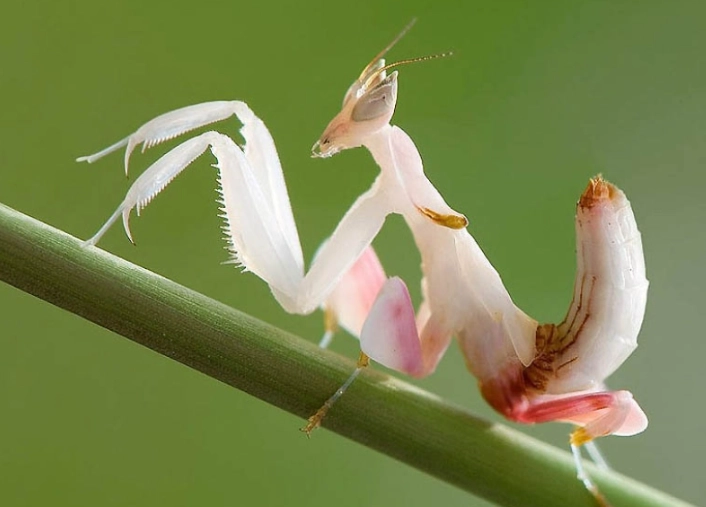
How rare are orchid praying mantis in the USA or Europe?
In the wild, they are non-existent. They cannot survive outdoors in these climates. Their entire presence is due to the captive pet trade. So, their "rarity" is 100% tied to the number of skilled breeders operating near you. In a big city, you might find a breeder. In a rural area, you'll be ordering online.
Are they going extinct?
There's no evidence they are imminently going extinct. However, their specialized rainforest habitat is definitely shrinking, which puts long-term pressure on wild populations. The captive breeding boom acts as a potential safeguard against total loss.
Why are they so expensive if they're bred in captivity?
It's labor-intensive. Raising delicate nymphs on tiny fruit flies, maintaining perfect enclosures, and achieving successful breeding pairs requires time, space, and constant attention. The price covers that skilled labor and the high demand for a stunning product. It's not like breeding mice.
Can I breed them myself to make them less "rare"?
You can try, but it's the advanced course. You need a healthy, synchronized pair (males mature faster and often get eaten before mating—yes, even the famous cannibalism). You need to manage the ootheca (egg case) incubation perfectly. Then you need to raise potentially hundreds of pinhead-sized nymphs, finding food for all of them. It's a major undertaking. Successful breeding is why they're available, but it's not a casual side project.
Is it even ethical to keep one given their wild rarity?
This is the most important question. My personal take? If you source from a dedicated captive breeder (not a wild-caught supplier), and you are fully prepared to meet its complex needs for its entire life, it can be ethical. You're providing a home for an animal that would not exist otherwise. The unethical path is buying one on a whim because it's pretty, without the setup or knowledge, leading to its suffering and death. That demand can fuel bad practices. Do your homework first. A lot of it.
The Final Verdict: What Does "Rare" Really Mean?
So, circling back to the core query: Are orchid praying mantis rare?
It's a word with multiple meanings here.
Ecologically Rare? Yes, in their natural, shrinking habitat, they are uncommon specialists.
Commercially Rare? No, not really. A quick internet search will show you many for sale.
Experientially Rare? Absolutely. The experience of seeing one perfectly camouflaged in the wild is rare. The experience of successfully keeping one healthy through its full, beautiful life cycle is unfortunately rare among pet owners. The combination of their specific needs, short lifespan, and fragility makes a thriving orchid mantis a uncommon achievement.
In the end, their rarity isn't just about numbers in a cage or a forest. It's about the gap between their immense online popularity and the stark reality of their care. They are a reminder that the most beautiful things in nature often come with the highest demands. If you're willing to meet those demands, you can bring a little piece of that rainforest rarity into your home. Just know exactly what you're signing up for.
Maybe that's the best answer. They're not impossible to find, but they're a rare find in a responsible, prepared home. And that's the kind of rarity we should all be aiming for.


Comments
Leave a Comment