If you're searching for information on a Poodle Pomeranian mix puppy, you've likely been charmed by photos of these fluffy, expressive little dogs. Often called a Pomapoo, this crossbreed combines the intelligence of the Poodle with the bold, lively spirit of the Pomeranian. But is this designer dog the right fit for your home? I've lived with a Pomapoo for over a decade, and I can tell you the reality is more nuanced than the adorable Instagram posts suggest. This guide cuts through the hype to give you the complete picture, from their surprisingly big personalities to the specific grooming demands that many first-time owners underestimate.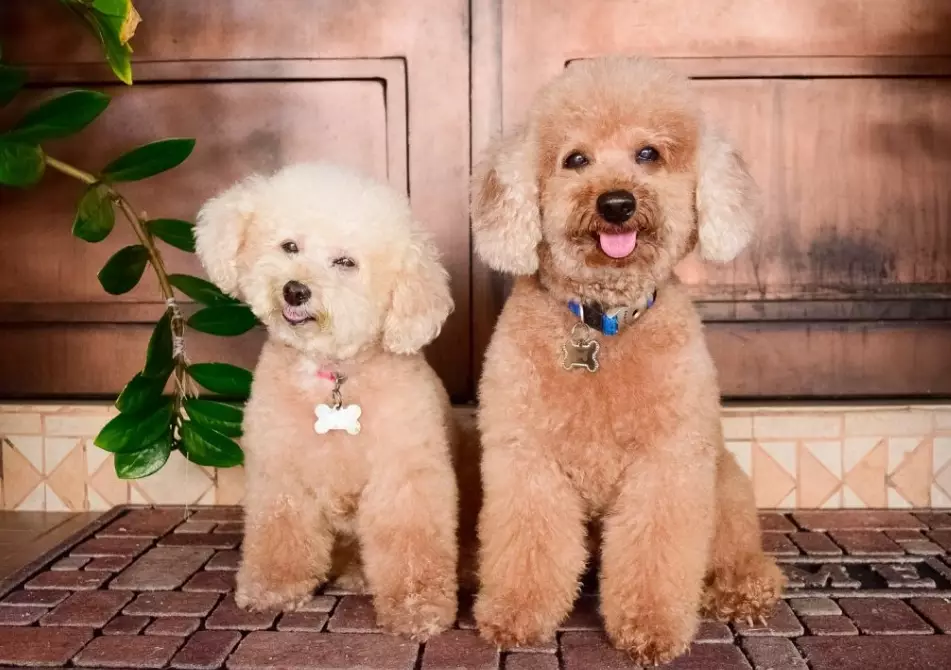
What's Inside This Guide?
What is a Pomapoo?
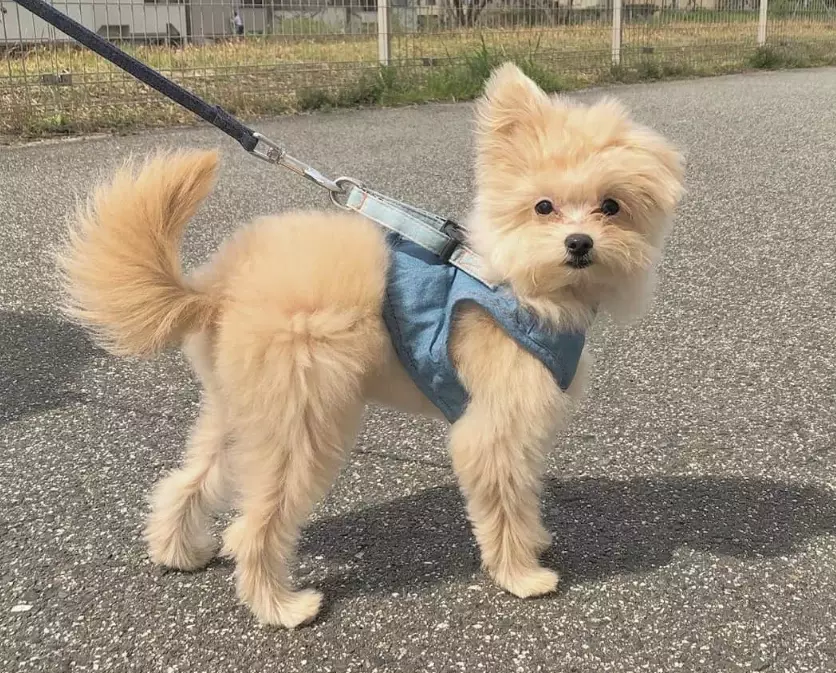
A Pomapoo is a first-generation (F1) or multi-generation cross between a Toy or Miniature Poodle and a Pomeranian. There's no single breed standard, which means their looks can vary wildly. You might get a pup with the tighter Poodle curl or one with the straight, double coat of a Pom. Size is another gamble; most end up between 5 to 15 pounds, standing 8 to 10 inches tall, but it depends entirely on the size of the parents.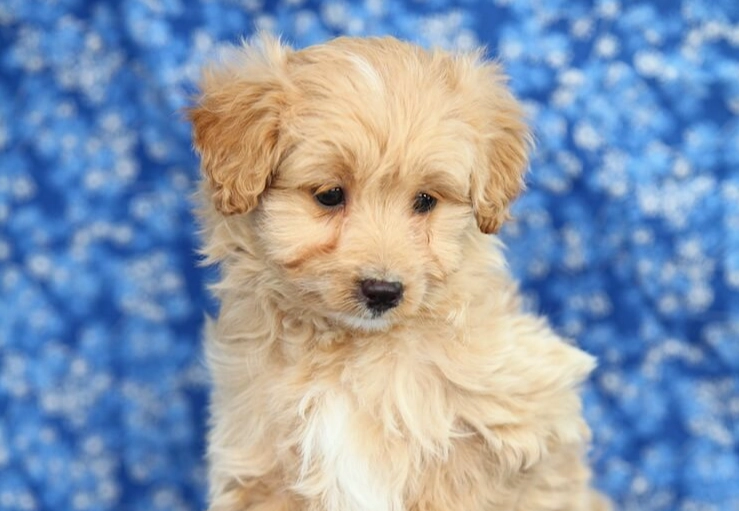
The goal of this mix, like many designer hybrids, is to blend the best traits of both parent breeds. From the Poodle, breeders hope for high intelligence, low-shedding coats, and a trainable nature. From the Pomeranian, they aim for loyalty, alertness, and that unmistakably fox-like charm. The result is a companion dog designed for apartment living and families seeking an engaging, portable pet.
| Trait | Inherited from Poodle | Inherited from Pomeranian |
|---|---|---|
| Coat Type | Curly, low-shedding, hypoallergenic potential | Long, straight, dense double coat |
| Intelligence | Exceptionally smart, easy to train | Alert, quick to learn but can be stubborn |
| Energy Level | Moderate, enjoys mental games | High, spirited, playful |
| Social Tendencies | People-oriented, can be reserved with strangers | Confident, can be vocal, loyal to family |
| Common Size Range | Toy/Miniature (4-15 lbs) | Standard (3-7 lbs) |
Pomapoo Temperament: A Big Personality in a Small Package
Forget the delicate lapdog stereotype. A Pomapoo's personality is often larger than life. They are intensely affectionate with their chosen people, often forming a strong bond with one family member. My own Pomapoo, Finn, follows me from room to room, not out of anxiety, but because he simply wants to be involved in everything.
This velcro-dog tendency is a double-edged sword. It makes them wonderfully companionable, but it can also lead to separation anxiety if they're not taught from puppyhood that being alone is okay. They are alert and will bark at doorbells, passing cars, or a leaf blowing suspiciously across the yard—a trait inherited from the watchful Pomeranian. This makes them decent little watchdogs, but it's a behavior you'll need to manage, especially in apartment settings.
With other pets, early socialization is non-negotiable. They can get along well with cats and other dogs if introduced properly, but their confidence can sometimes tip over into bossiness with much larger dogs, a behavior known as "small dog syndrome."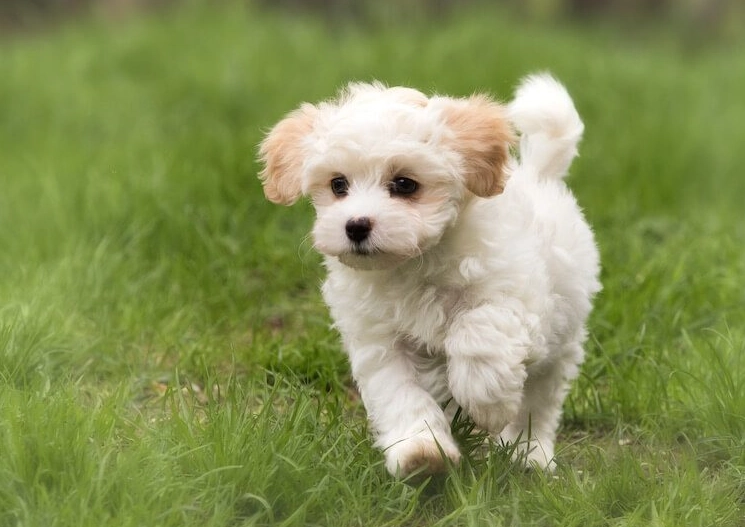
Are Pomapoos Good with Kids?
This depends more on the child than the dog. Pomapoos can be wonderful with gentle, respectful older children who understand how to handle a small dog. They are playful and energetic enough to enjoy games. However, they are not sturdy toys. A toddler's clumsy grab or a fall from the couch can cause serious injury. I generally recommend them for families with children over 8 years old who can be supervised during interactions.
Grooming Your Pomapoo: More Than Just a Pretty Face
This is where many prospective owners get a shock. The "low-maintenance" label applied to some doodle mixes does not automatically apply here. A Pomapoo's coat requires a significant, regular commitment.
If your pup takes after the Poodle parent, you're looking at a curly coat that grows continuously. It mats incredibly easily, especially behind the ears, under the collar, and around the legs. Without brushing at least every other day with a slicker brush and a metal comb, you'll be facing painful mats close to the skin within a week. Many owners opt for a professional groomer every 4-6 weeks for a trim, which adds up financially.
If the coat is more Pomeranian-like, you have a double coat that sheds seasonally. You'll deal with more fur around the house, but the matting risk is slightly lower. You still need to brush several times a week to prevent tangles and remove loose undercoat.
Beyond coat care, don't neglect their teeth. Small breeds are prone to dental disease. Daily tooth brushing with dog-specific toothpaste is ideal. Their nails also grow quickly and need trimming every few weeks to avoid affecting their gait.
Pomapoo Health: What to Watch For
As a crossbreed, Pomapoos can benefit from hybrid vigor, but they are still susceptible to health issues common to their parent breeds. Reputable breeders will screen their breeding stock for genetic conditions.
- Luxating Patellas: This is a top concern. It's where the kneecap slips out of place. You might see your dog skip or hold up a leg for a few steps. Mild cases are managed with weight control and supplements, but severe cases require surgery.
- Dental Issues: Crowded teeth are common in small mouths, leading to rapid tartar buildup and gum disease. Annual dental check-ups are crucial.
- Tracheal Collapse: A weakening of the windpipe rings, causing a honking cough. It's exacerbated by pulling on a collar, so always use a harness for walks.
- Eye Problems: Both parent breeds can be prone to issues like cataracts, dry eye, or progressive retinal atrophy (PRA).
- Hypoglycemia: In very small puppies, low blood sugar can be a sudden and serious risk. They need to eat small, frequent meals.
A responsible breeder will provide you with Orthopedic Foundation for Animals (OFA) or equivalent health clearances for the parents' knees, eyes, and hearts. The average lifespan of a Pomapoo is 12 to 16 years, so you're making a long-term commitment.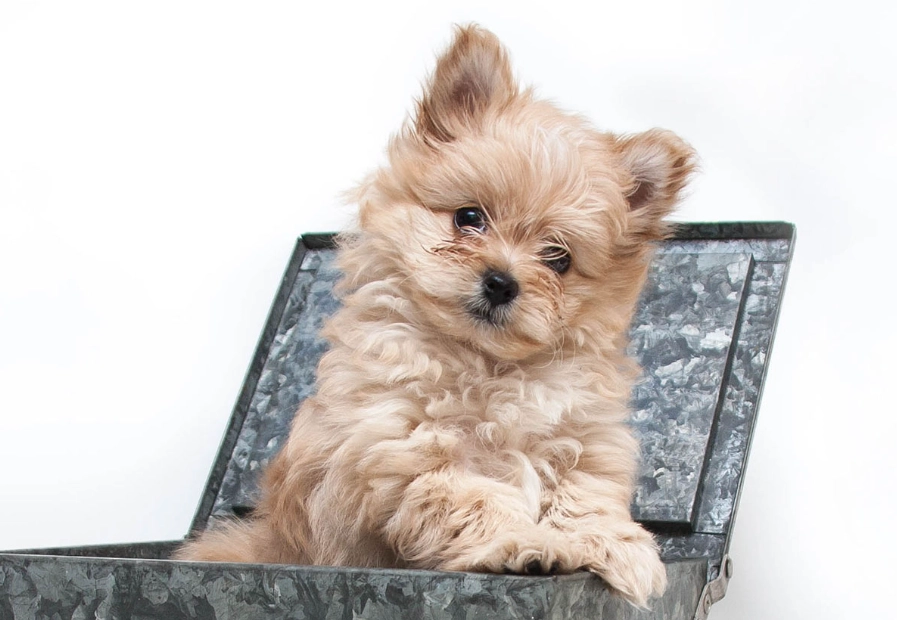
How to Train Your Pomapoo Puppy
You have a smart dog on your hands. The Poodle intelligence means they pick up commands quickly. The Pomeranian stubbornness means they'll question why they should obey. The key is positive reinforcement—lots of praise, play, and high-value treats like small bits of chicken or cheese.
Start on day one. Socialization isn't just about meeting other dogs. It's about exposing your puppy positively to all sorts of sights, sounds, and surfaces: umbrellas, vacuum cleaners, different floor types, men with hats, etc. The critical window is before 16 weeks. Puppy kindergarten classes are excellent for this.
House training can be a challenge with small breeds. Their bladders are tiny. Be patient, consistent, and take them out:
- Immediately after waking up.
- After every meal and drink.
- After every play session.
- Every 1-2 hours during the day.
Crate training is a lifesaver for both house training and preventing destructive behavior when you can't supervise.
Address barking early. Instead of yelling "quiet," which they interpret as you joining in, teach a "quiet" command by rewarding moments of silence. Manage their environment—if they bark at the window, use a static cling film to obscure the view.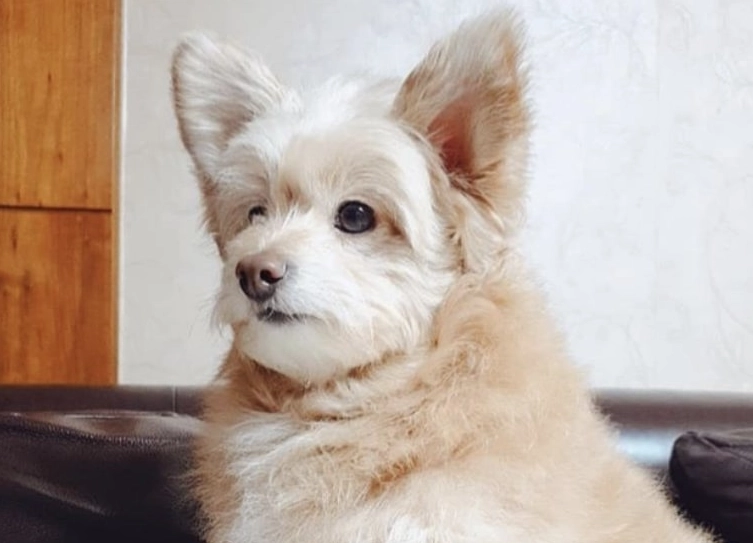
Your Pomapoo Questions Answered
 Are Pomapoos easy for first-time dog owners?


Comments
Leave a Comment