If you're searching for "are goggle-eye fish saltwater or freshwater?", you've hit on one of the most common points of confusion in the fish world. Here's the short answer upfront: it depends entirely on which fish you're actually talking about. The name "goggle-eye" is a common nickname applied to two completely different groups of fish – one lives in the ocean, the other in freshwater rivers and lakes. Getting this wrong can mean the difference between a successful fishing trip, a thriving aquarium, or just understanding what you're looking at. This guide will untangle the mess, showing you exactly how to tell them apart for good.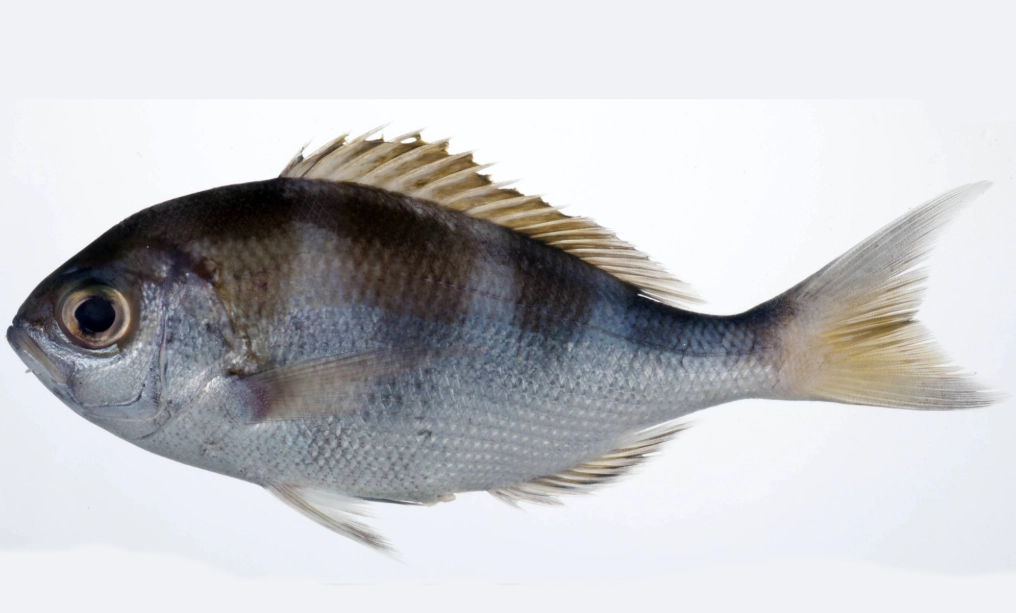
What You'll Learn in This Guide
What Exactly Are Goggle-Eye Fish?
The term "goggle-eye" isn't a scientific classification. It's a folk name, like "sunfish" or "catfish," that describes a physical feature: large, protruding eyes. This trait evolved independently in different fish for different reasons, leading to the mix-up. The confusion is regional. In coastal areas and among saltwater anglers, "goggle-eye" almost always refers to certain members of the Priacanthidae family, like the glassy bigeye or catalufa. Head inland to the southern and central United States, and "goggle-eye" (or "goggle-eye perch," which is also misleading) is local slang for a feisty panfish: the Warmouth (Lepomis gulosus) or, in some places, the Rock Bass (Ambloplites rupestris). They couldn't be more different.
Saltwater Goggle-Eye Fish: The Priacanthidae Family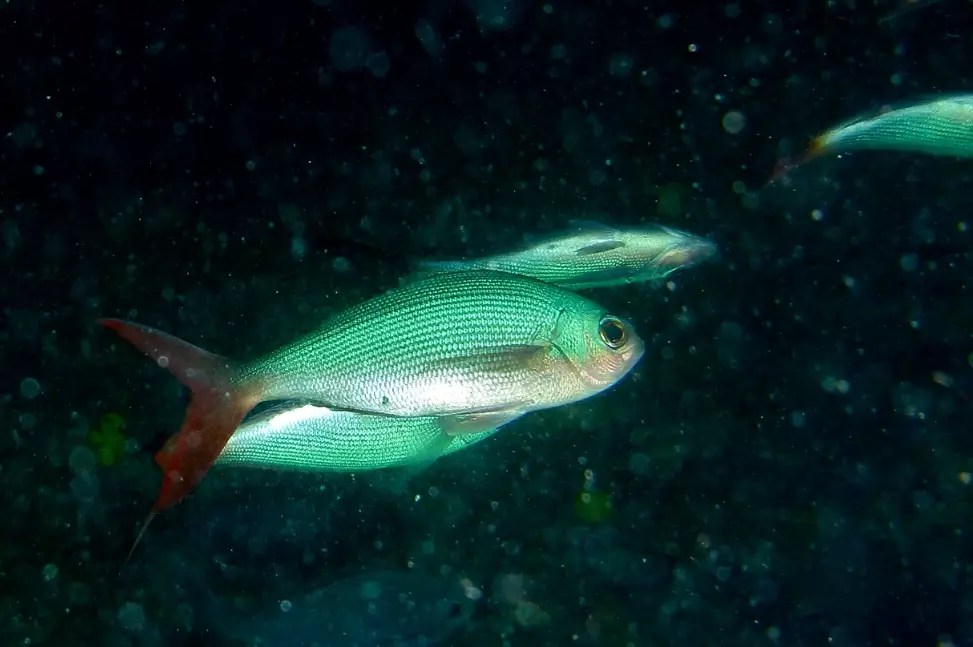
Let's dive into the ocean first. Saltwater goggle-eyes are deep-bodied, often reddish or silvery fish with those characteristic huge eyes. The eyes are an adaptation for low-light conditions, as many species dwell in deeper reef slopes, under ledges, or are nocturnal. They're not typically giant fish – most caught by anglers range from 8 to 15 inches.
Where you'll find them: Primarily in tropical and subtropical waters worldwide. In the Western Atlantic, you might hook one off Florida, around the Gulf of Mexico, or in the Caribbean. In the Indo-Pacific, they're common around reefs from East Africa to Hawaii. They stick to structured habitats – coral reefs, rocky outcrops, and shipwrecks are prime real estate.
Fishing for them: They're often bycatch for reef fishermen using small hooks and cut bait. While not a premier gamefish, they put up a decent fight for their size and are considered good eating, with firm, white flesh. A common mistake is assuming all small, red, big-eyed reef fish are the same. The glassy bigeye (Heteropriacanthus cruentatus) is perhaps the most widespread species called goggle-eye. Resources like the Florida Museum of Natural History's FishBase entries are invaluable for positive identification, which is crucial as some similar-looking reef dwellers may have different regulations.
Key Takeaway: Saltwater "goggle-eyes" are reef-dwelling, big-eyed fish in the Priacanthidae family, found in warm oceans globally. They are a legitimate, if secondary, target for both food and sport.
Freshwater Goggle-Eye Fish: The Warmouth & Rock Bass
Now, let's talk freshwater. Here, "goggle-eye" usually means the Warmouth. This fish is a member of the sunfish family (Centrarchidae), related to bluegill and largemouth bass. It earns its name from its large mouth and, you guessed it, its big, reddish eyes. Its body is more olive or mottled brown, perfect for hiding in vegetated, muddy-bottomed waters.
The Rock Bass is sometimes lumped into the "goggle-eye" category, especially in the northern US and Canada. It shares the robust body and large eyes but has a more distinct six-spined anal fin and prefers clearer, rockier streams and lake margins.
Where you'll find them: Warmouth are lovers of slow-moving, weedy, or stump-filled waters across the eastern and central US. Think farm ponds, sluggish backwaters of rivers, and canals with lots of cover. Rock Bass favor cooler, cleaner waters with gravel or rock substrates. Finding one is often a matter of knowing your local slang. If a fisherman at a Mississippi lake says he's catching "goggle-eye," he almost certainly means Warmouth.
Why the Nickname Stuck for Warmouth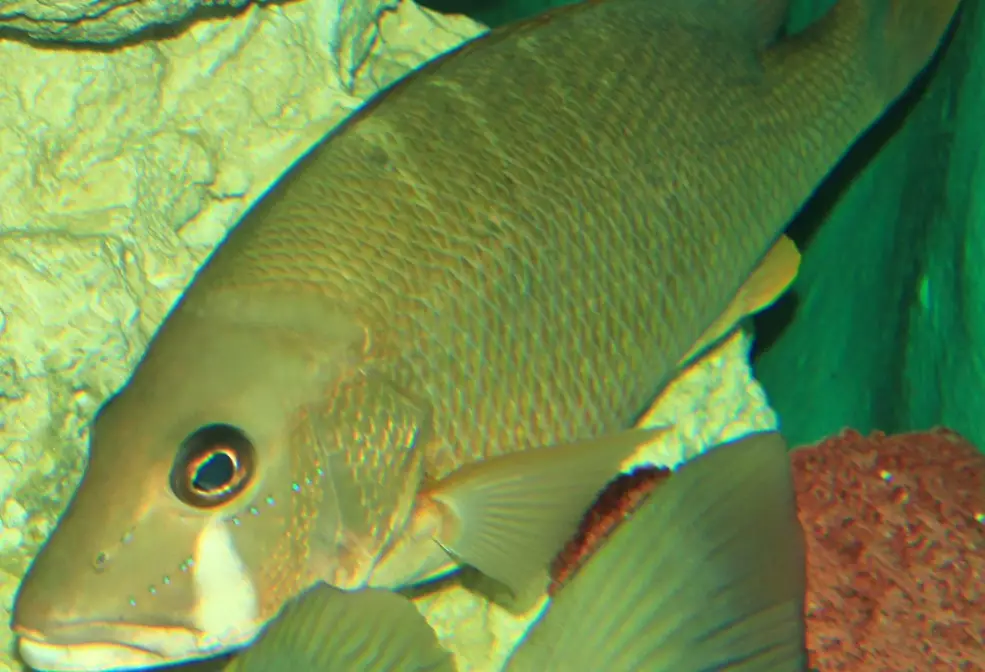
It's not just the eyes. The Warmouth has an aggressive, almost comical demeanor. It'll guard its nest fiercely and hit baits with a surprising punch for its size (rarely over 10 inches). This personality made it a recognizable favorite among generations of rural and suburban anglers, leading to a host of local names: "goggle-eye," "stumpknocker," "molly." This is where internet searches fall short – they often miss this deep cultural context of regional fish names.
How to Tell Saltwater and Freshwater Goggle-Eyes Apart?
This is the practical heart of the matter. Use this quick comparison table, then consider the context, which is your best clue.
| Feature | Saltwater Goggle-Eye (e.g., Glassy Bigeye) | Freshwater Goggle-Eye (Warmouth) |
|---|---|---|
| Primary Habitat | Saltwater – Coral reefs, offshore structures. | Freshwater – Lakes, ponds, slow rivers, heavy vegetation. |
| Body Color | Often uniform red, pink, or silver; may have faint spots. | Mottled brown, olive, or golden with dark vertical bars; distinct lines radiating from eye. |
| Eye Color | Usually silver, gold, or dark. | Often has a distinctive reddish or orange tint. |
| Mouth | Moderate size, slanted upward. | Very large (hence "Warmouth"), extends to below the eye. |
| Where Caught | Ocean, from a boat near reefs, depths often 30-200 ft. | Inland freshwater body, from shore or dock, often in |
| Geographic Clue | Coastal regions (Florida, Gulf Coast, Caribbean, Pacific Islands). | Inland regions (Mississippi Valley, Southeastern US, Great Lakes basin). |
The context is king. Are you on a boat in the Florida Keys? It's a saltwater priacanthid. Are you at your uncle's weedy pond in Missouri? It's a Warmouth. I've seen online forums where someone posts a picture of a clear Warmouth from a lake, and well-meaning but mistaken commenters identify it as a saltwater species because they only know one definition of "goggle-eye." This table should prevent that.
Can You Keep Goggle-Eye Fish in an Aquarium?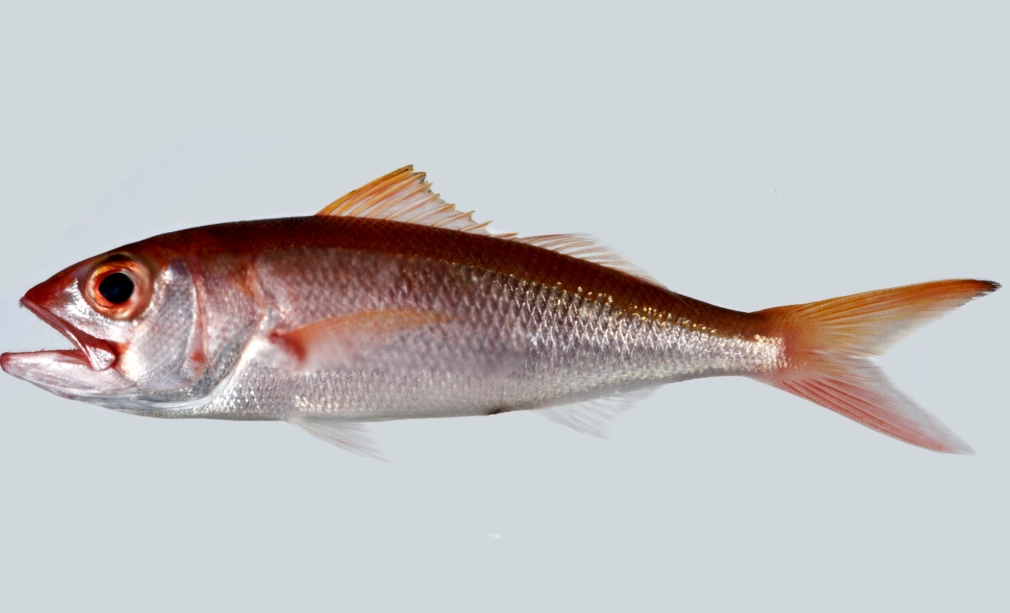
This is a popular follow-up question. The answer differs vastly between the two types.
Saltwater Goggle-Eyes (Priacanthids): They are occasionally seen in the marine aquarium trade but are not beginner fish. Their large size (for a home tank) and nocturnal, reclusive nature make them a challenge. They require a large, mature reef tank with plenty of hiding places and subdued lighting. They are carnivores, needing a diet of meaty foods like shrimp and squid. Most hobbyists are better off admiring them in public aquariums or in the ocean.
Freshwater Goggle-Eyes (Warmouth/Rock Bass): These are much more plausible candidates for a large native or cool-water aquarium. However, they come with big caveats.
- Tank Size: Think 75 gallons or larger for an adult. They are territorial and produce significant waste.
- Tankmates: Choose carefully. That large mouth will happily swallow any fish that fits. Other large, robust sunfish, catfish, or bass are the only safe options. Community tank? Forget it.
- Diet: They are voracious predators. Live feeders, earthworms, crayfish, and large pellets are needed.
- Legal Note: Always check your state's regulations on collecting and keeping native gamefish. A permit is often required.
I once tried keeping a young Warmouth in a 55-gallon tank with some bluegill. It was fascinating to observe its behavior up close – the way it would ambush food from under a piece of driftwood was pure instinct. But the bioload was immense, and it eventually outgrew the tank. It's a commitment, not a casual pet.
Your Goggle-Eye Fish Questions Answered
 What's the biggest mistake people make when identifying a goggle-eye fish?

Comments
Leave a Comment