If you've ever reeled in a drum fish and gotten a closer look, the first thing that probably caught your eye wasn't its color or fins. It was that weird, gravelly set of teeth in its throat. Most anglers just see them as a quirky annoyance, something to avoid when removing a hook. But after years of fishing for everything from freshwater drum in the Mississippi to black drum along the Gulf Coast, I've realized these teeth are the key to understanding the entire fish. They're not just for chewing; they're a sophisticated tool for survival, communication, and even a bit of a medical marvel. Let's break down what makes drum fish teeth so fascinating and what you really need to know about them.
What You'll Learn in This Guide
- What Are Drum Fish and Why Do Their Teeth Matter?
- The Anatomy of Drum Fish Teeth: A Closer Look
- How Drum Fish Use Their Teeth: Beyond Chewing
- Identifying Drum Fish by Their Teeth: A Practical Guide
- Handling Drum Fish Safely: Avoiding Tooth-Related Injuries
- Drum Fish Teeth in Research and Medicine
- FAQs About Drum Fish Teeth Answered
What Are Drum Fish and Why Do Their Teeth Matter?
Drum fish belong to the family Sciaenidae, a huge group that includes popular species like the red drum (redfish), black drum, freshwater drum (sheepshead, gaspergou), and Atlantic croaker. The name "drum" comes from the deep, drumming or croaking sounds males produce during spawning to attract mates. Here's the thing most fishing blogs gloss over: you can't talk about that sound without talking about their teeth. The two are directly connected. These fish are built around their pharyngeal mill—that's the scientific term for their throat teeth. It defines how they eat, where they live, and how they interact. Ignoring the teeth is like trying to understand a woodpecker without looking at its beak.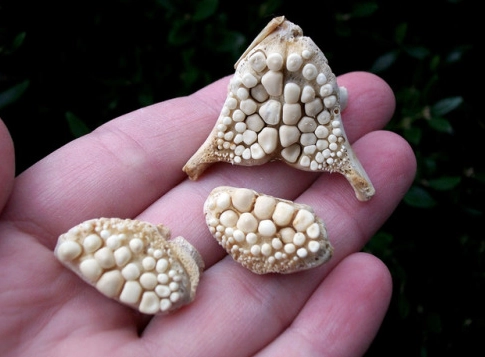
The Anatomy of Drum Fish Teeth: A Closer Look
Forget the sharp, pointy teeth of a pike or walleye. Drum fish teeth are a different beast entirely. They're called pharyngeal teeth because they're located deep in the throat, on a set of bones called the pharyngeal arches. Imagine two sets of hard, pavement-like plates that grind together.
The Upper Pharyngeal Plate: This is fixed to the skull.
The Lower Pharyngeal Plate: This is movable, attached to muscles that allow it to work against the upper plate.
The surface isn't smooth. It's covered in hundreds of small, rounded, molar-like teeth that feel like coarse sandpaper or tiny cobblestones. The size and shape vary by species and diet. A freshwater drum that crushes mussels will have larger, flatter, and more robust teeth than an Atlantic croaker that sifts through softer bottom mud.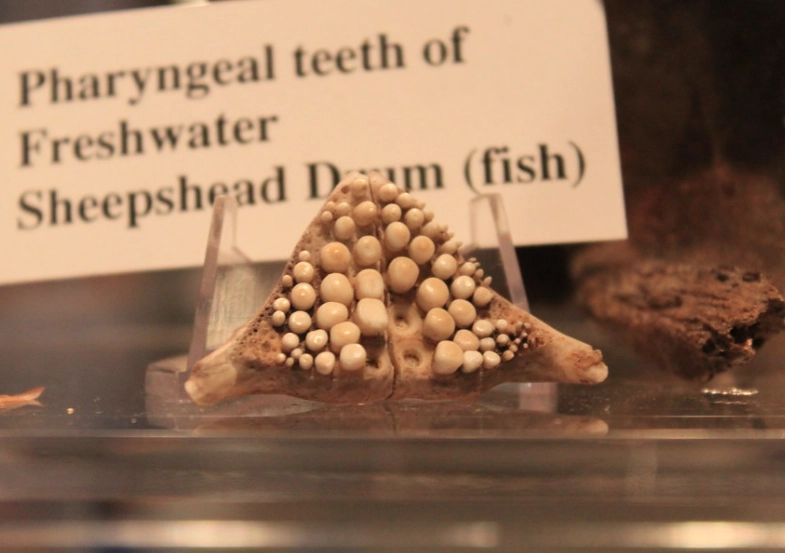
How Drum Fish Use Their Teeth: Beyond Chewing
This is where it gets interesting. The pharyngeal mill serves three critical functions.
1. Processing a Tough Diet
Drum are opportunistic bottom feeders. Their menu is hardcore: crabs, mollusks, mussels, clams, and hard-shelled invertebrates. I've cut open freshwater drum to find whole, intact zebra mussels. Their throat teeth are a built-in nutcracker. The powerful muscles slam the lower plate against the upper one, pulverizing shells with incredible force. The soft tissue is swallowed, and the shell fragments are usually expelled through the gills or mouth.
2. Creating the Signature "Drumming" Sound
This is the cool part. The sound isn't made by the swim bladder alone. Research from institutions like the Florida Museum of Natural History indicates the pharyngeal teeth are involved. By rapidly contracting the muscles attached to the pharyngeal arches and the swim bladder, the teeth rub together, creating a stridulatory sound—like grinding stones together. This amplifies the swim bladder's resonance. It's a courtship call and a communication tool, all powered by that unique dental setup.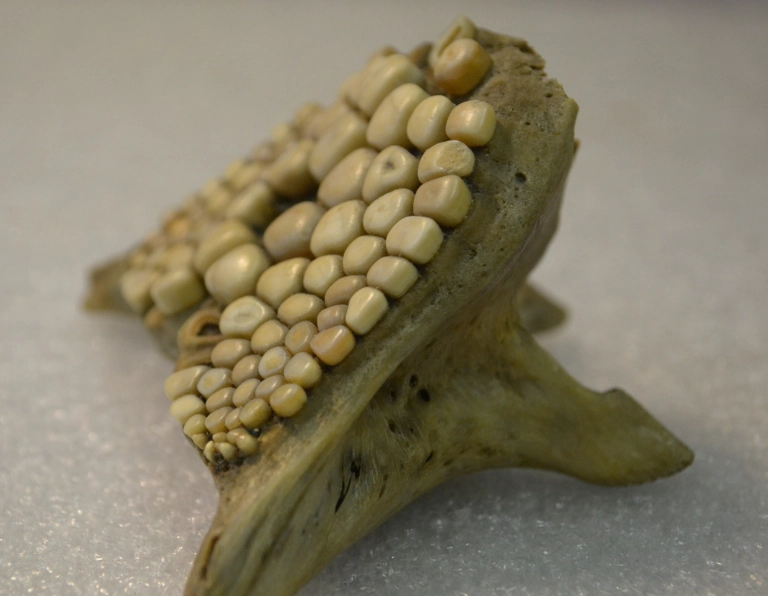
3. A Defensive Mechanism (Against Anglers)
This one's for you, the fisherman. When a drum fish is hooked and thrashing, it can voluntarily grind these pharyngeal teeth. You can sometimes feel a faint vibration up the line. It's not trying to bite the line; it's a stress response. More directly, when you're handling the fish, those teeth in the throat are a real hazard if your fingers slip inside the gill plate.
Identifying Drum Fish by Their Teeth: A Practical Guide
You can identify a drum fish species without even seeing its whole body. Just check the throat. Here’s a quick comparison I use on the water.
| Species | Common Size Range | Pharyngeal Teeth Key Characteristics | Best Identification Clue |
|---|---|---|---|
| Freshwater Drum (Aplodinotus grunniens) | 10-24 inches | Extremely robust and large. Feels like two bricks of coarse concrete grinding together. Designed for crushing mussels. | The most powerful and obvious pharyngeal mill of all North American drums. You can't miss it. |
| Black Drum (Pogonias cromis) | 15-30 inches | Very strong, with distinct, rounded molariform teeth. Smaller than freshwater drum but still formidable. | Look for barbels on the chin combined with the gravelly throat. Red drum lack the barbels. |
| Red Drum / Redfish (Sciaenops ocellatus) | 18-32 inches | Smaller and less developed than in black drum. More adapted for crushing crabs and shrimp than heavy shells. | Single black spot on the tail base. The pharyngeal teeth are present but less pronounced. |
Handling Drum Fish Safely: Avoiding Tooth-Related Injuries
Let's be honest. The biggest concern for most people is "Will this thing bite me?" The mouth teeth won't do much. The real danger is the pharyngeal teeth when you're dehooking. I learned this the hard way years ago on the Illinois River.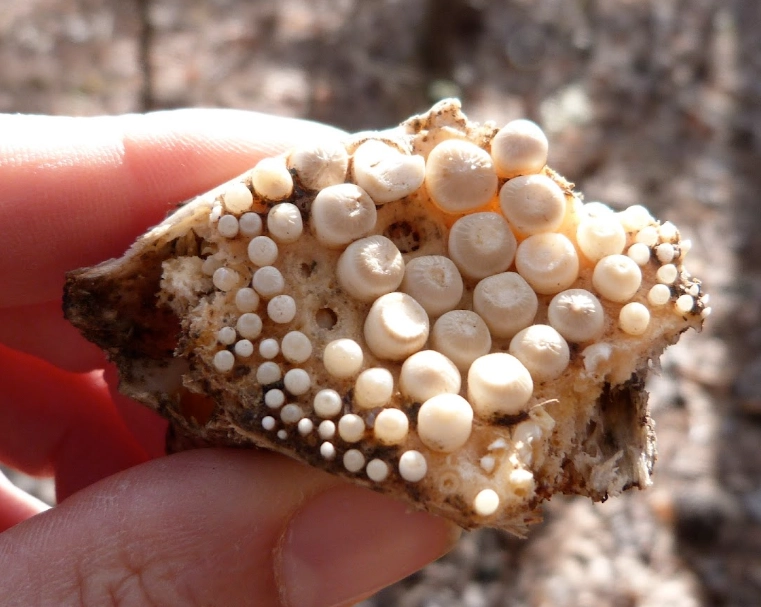
I had a nice freshwater drum, and my finger slipped past the gill plate while trying to free a deep hook. The fish gave a shake, and those pharyngeal teeth grated across my fingertip. It wasn't a clean cut like a knife; it was a ragged, grinding scrape that took weeks to heal properly and was prone to infection. Here’s how to avoid that.
Use Pliers. Always. Never try to dig a deep hook out with your fingers. Long-nose fishing pliers are non-negotiable.
Control the Head. Wet your hands, grip the fish firmly behind the head, and keep your fingers away from the gill opening.
Consider a Lip Grip. For larger drum, a lip gripping tool gives you total control and keeps your hands completely away from the business end.
If You Get Punctured or Scraped: Stop the bleeding, clean the wound immediately with soap and clean water, apply an antibiotic ointment, and cover it. Watch closely for signs of infection (increased redness, swelling, pus). The risk isn't venom, but bacteria from the aquatic environment.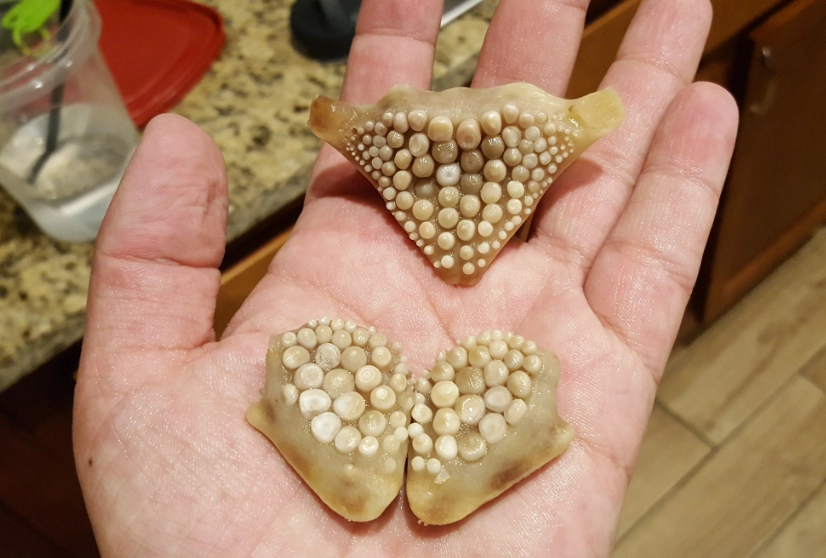
Drum Fish Teeth in Research and Medicine
This might surprise you. The unique structure and regenerative capacity of fish teeth, including those of drum fish, are a hot topic in biomedical research. Scientists are studying how fish continuously regenerate their teeth throughout their lives. Unlike humans, fish like drum have dental stem cells that remain active. Understanding this mechanism, as highlighted in studies from the National Oceanic and Atmospheric Administration (NOAA) on marine biology, could pave the way for breakthroughs in human dental regenerative therapies. So, those odd throat teeth aren't just a fishing curiosity; they're a window into potential future medical treatments.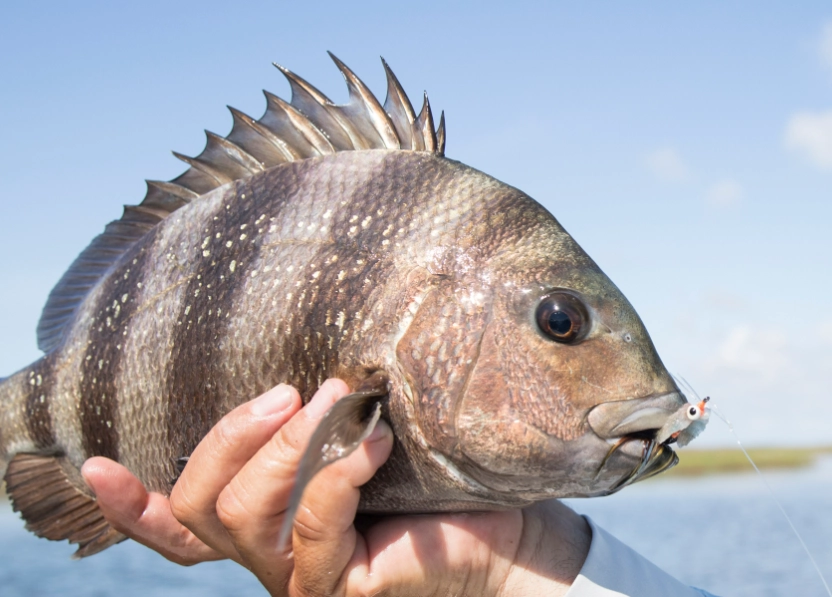
FAQs About Drum Fish Teeth Answered
Can drum fish teeth really make sound?
What should I do if I get punctured by a drum fish tooth?
Are drum fish teeth used in anything commercially?
How can I tell a young black drum from a red drum if the spot is faint?
Do all drum fish species have equally strong throat teeth?


Comments
Leave a Comment