You just pulled a feisty, big-eyed panfish out of the water. It's a goggle-eye. The fight was fun, but now you're holding it, wondering: is this thing any good on the plate? Let's cut right to it. Yes, goggle-eye fish are absolutely good to eat—in fact, they're a quiet favorite among seasoned anglers who know their panfish. But there's a big, muddy caveat, and getting it wrong is the single most common mistake that ruins the meal. This isn't just about taste; it's about knowing exactly what you've caught, how to handle it, and a simple prep trick that makes all the difference between a forgetgettable bite and a fantastic dinner.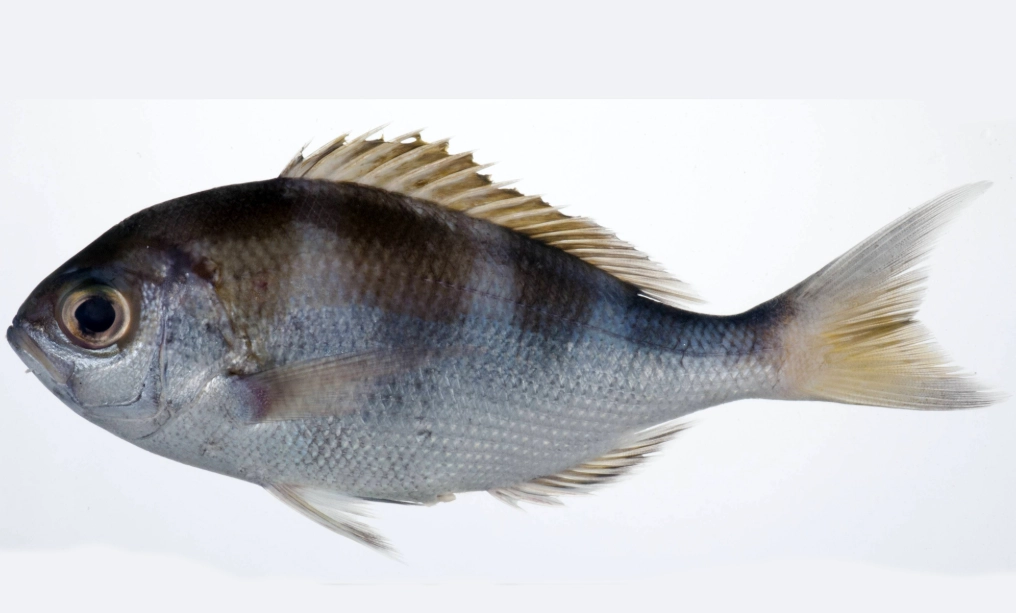
What's Inside This Guide
What Are Goggle-Eye Fish Anyway?
First thing first: "goggle-eye" isn't a single, scientific species. It's a common name that gets tossed around for a couple of different fish, primarily in the sunfish family. This is where the confusion starts. If you ask someone in the Midwest or South, they're probably talking about one of two fish:
Rock Bass (*Ambloplites rupestris*): This is the classic. Olive to bronze color, that distinctive red eye, and a mouth that seems a bit too big for its body. They love rocky streams and lake shores. They're fighters, and they get to a decent eating size.
Warmouth (*Lepomis gulosus*): Often called "goggle-eye" in the South. They look similar to rock bass but have dark vertical bars on their sides and a patch of small teeth on their tongue. They prefer weedy, muddy backwaters.
Why does this matter for eating? Because their habitat directly impacts their flavor. A rock bass from a clear, cool, rocky stream in Wisconsin is going to taste worlds better than a warmouth from a stagnant, muddy farm pond in Louisiana. The water quality is the first ingredient in their flavor profile.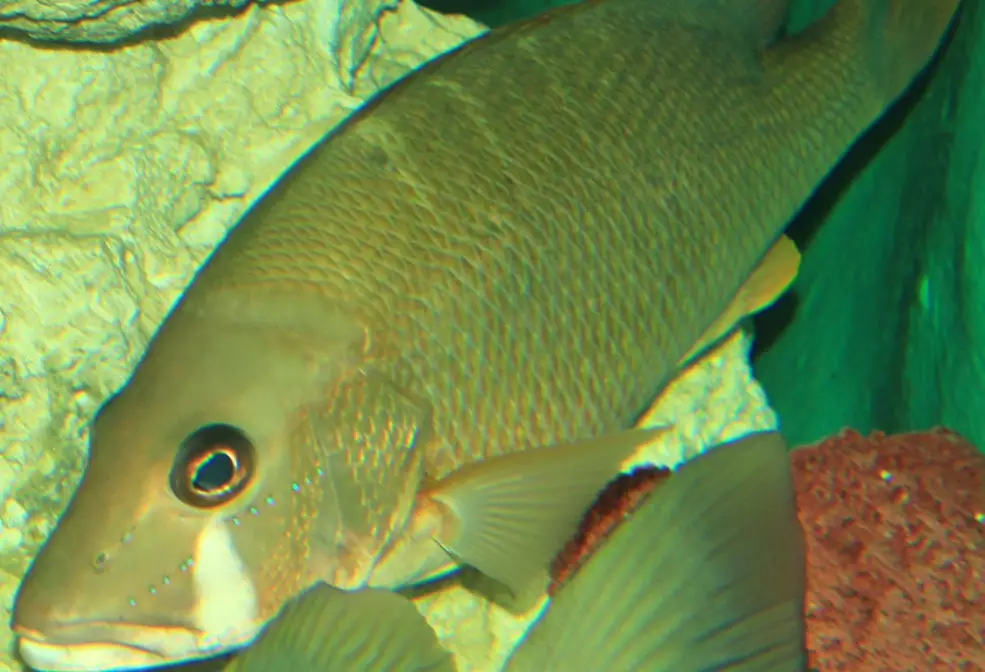
How Do Goggle-Eye Fish Taste?
Let's talk flavor. When cleaned properly and from good water, the meat of rock bass and warmouth is firm, white, and flaky. It's mild—not as sweet as crappie or bluegill, but with a more distinct, slightly nutty or earthy character. It's a flavor that holds up well to seasoning.
The texture is where they shine for many. It's denser than most panfish, so it doesn't fall apart as easily in a skillet. This makes them excellent for frying whole or in fillets.
But here's the non-consensus part that most articles gloss over: the "muddy" taste isn't a given, and it's not just about water. Yes, a fish from muddy water is more likely to have it, but a huge contributor is improper bleeding and cleaning. If you toss a still-thrashing goggle-eye in your cooler and clean it an hour later, you're trapping metabolic waste in the flesh. That tastes like mud, no matter how clear the lake was. The fix is simple and immediate: a quick cut behind the gills (bleeding) right after catch, then an ice slurry to chill it fast. This one habit improves the flavor of any panfish, especially these bottom-dwellers, by about 80%.
| Fish Species (Common "Goggle-Eye") | Typical Flavor Profile | Best Habitat for Eating | Texture |
|---|---|---|---|
| Rock Bass | Mild, slightly sweet, nutty undertones | Clear, cool streams & rocky lake shores | Firm, flaky, holds shape well |
| Warmouth | Mild to earthy, can be stronger | Weedy, but clear(ish) backwaters | Firm, slightly less flaky than rock bass |
How to Prepare and Cook Goggle-Eye Fish
This is where you turn a potential "meh" into a "wow." Preparation is everything. I learned this the hard way years ago on a canoe trip in Missouri. We caught a mess of rock bass, got lazy with the cleaning, and ended up with a fishy, disappointing dinner. Never again.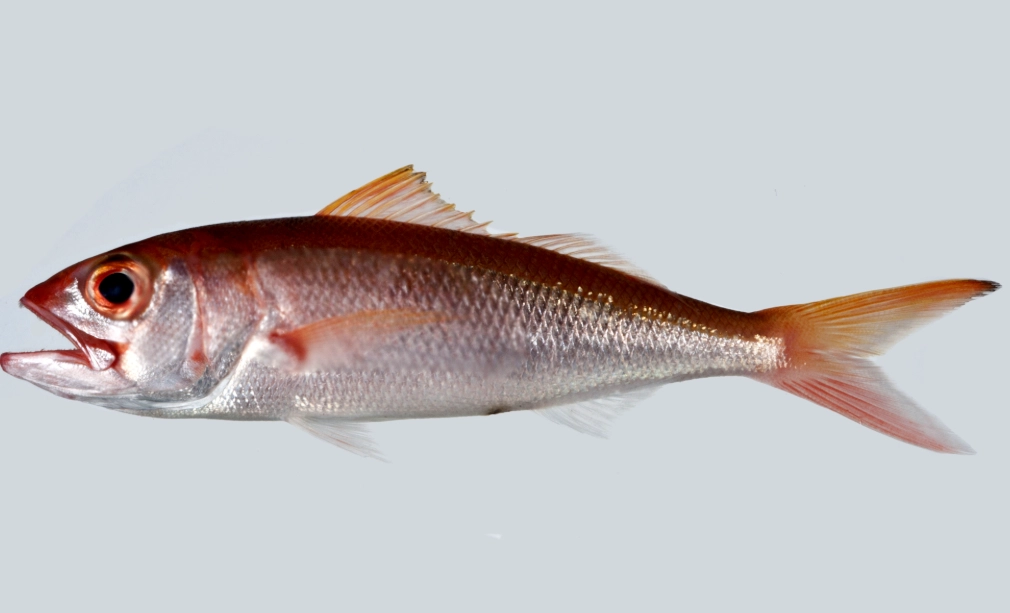
Step-by-Step Cleaning for Best Flavor
- Bleed Immediately: Right after landing the fish, use a sharp knife to make a deep cut across the isthmus (the V-shaped area behind the gills and under the jaw). Place the fish in a bucket of water. You'll see the blood flow out. This takes 60 seconds and is the most important step.
- Ice It Down: Don't use a dry cooler. Get a cooler with a mix of ice and water (a slurry). This chills the fish rapidly, firming the flesh and slowing bacteria growth.
- Fillet or Scale: For larger goggle-eyes (over 8 inches), filleting is best. Their rib cage is robust, so use a sharp, flexible fillet knife. For smaller ones, scaling and gutting for a whole fry is traditional and delicious. Don't forget to remove the dark red kidney line along the backbone—that's a major source of off-flavors.
- Soak (Optional but Recommended): A brief 30-minute soak in milk or saltwater brine can further sweeten and firm the meat. For fish from questionable water, it helps a lot.
Cooking Methods That Work
Goggle-eye are versatile. Their firm flesh stands up to almost anything.
Pan-Frying (The Champion): Dredge fillets or whole fish in seasoned cornmeal or a 50/50 mix of flour and cornmeal. Fry in about 1/2 inch of hot oil (375°F) until golden brown, about 3-4 minutes per side for fillets. The skin gets crispy, the meat stays moist.
Baking: Great for a healthier option. Place seasoned fillets on a parchment-lined sheet, drizzle with olive oil and lemon, and bake at 400°F for 12-15 minutes. You can add cherry tomatoes and herbs for a one-pan meal.
Blackening: Their firm texture is perfect for a Cajun blackened treatment in a scorching cast-iron skillet. Just make sure your kitchen is well-ventilated!
Safety and Sustainability Considerations
Before you plan your feast, check the rules. Fishing regulations for rock bass and warmouth vary wildly by state. Some places have no size or creel limits, while others do to protect the population. Always consult your local Department of Natural Resources (DNR) website or fishing guide. For example, the Missouri Department of Conservation provides excellent, up-to-date regulations.
Mercury and Contaminants: As smaller, shorter-lived fish near the middle of the food chain, goggle-eye generally have low mercury levels compared to large predators like bass or walleye. However, if you're fishing in an urban river or known industrial area, it's wise to check for local consumption advisories. State environmental agencies usually publish these guides.
Sustainability: Both rock bass and warmouth are abundant and not considered overfished on a broad scale. They reproduce readily. Practicing selective harvest—keeping a few mid-sized fish for dinner and releasing the very large breeders—is a good ethic. This ensures the population stays healthy for future fishing.
Your Goggle-Eye Questions Answered
 How do the bones compare to other panfish? Are they a pain to eat?
So, back to the original question. Are goggle-eye fish good to eat? Absolutely. They're a tasty, firm-fleshed panfish that rewards the angler who takes a few extra minutes to handle them right. Your success hinges on three things: identifying your catch, bleeding and icing it immediately, and using a simple, reliable cooking method like pan-frying. Skip any of those steps, and you might be disappointed. Follow them, and you'll discover a fantastic, underrated dinner that comes straight from your local waters.



Comments
Leave a Comment