If you've been to New Zealand, you've seen it. Glittering rainbows trapped in jewelry store windows, adorning everything from keychains to elaborate pendants. Paua shell. Most visitors pick up a piece, admire the colors, and move on. But what they're holding is one of the most unique natural materials on the planet, with a value and complexity that most tourist shops never explain. I've been working with and collecting paua for over a decade, and I'm still surprised by what I learn. This guide is for anyone who's looked at that shimmering shell and wondered what the real story is.
What You'll Find in This Guide
What Exactly Is Paua Shell?
Let's clear this up first. "Paua" (pronounced "pah-wah") is the Māori name for a specific species of abalone found only in the cold, clean waters of New Zealand, Haliotis iris. It's not just any abalone shell. The iconic rainbow colors—deep blues, electric greens, purples, and golds—come from a microstructure of calcium carbonate tiles that refract light, similar to a butterfly's wing or an opal. This is called iridescence, not paint or dye. The shell is the animal's home, and the most vibrant part is the thick, inner nacreous layer.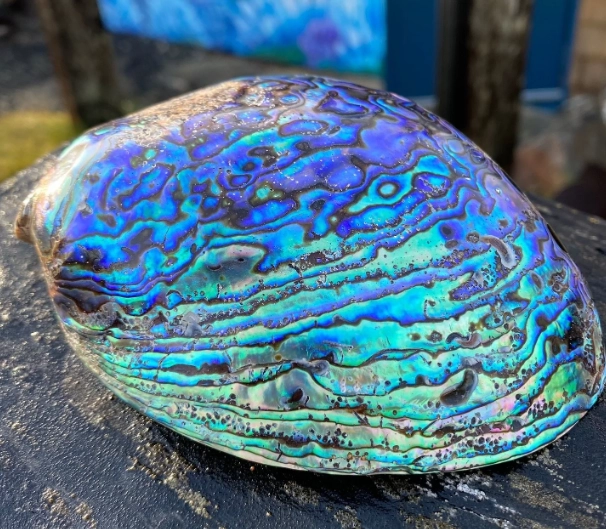
Here's a point most guides miss: the color you see depends entirely on the angle of light and the curve of the shell. A flat piece will show broad swathes of color, while a highly domed cabochon will have intense, concentrated flashes. That's why cutting and shaping is an art.
What Determines Paua Shell's Value? It's Not Just Size
You might think a bigger shell is always more valuable. Not necessarily. I've seen small pieces with breathtaking color sell for more than a large, dull plate. Value is a cocktail of several factors.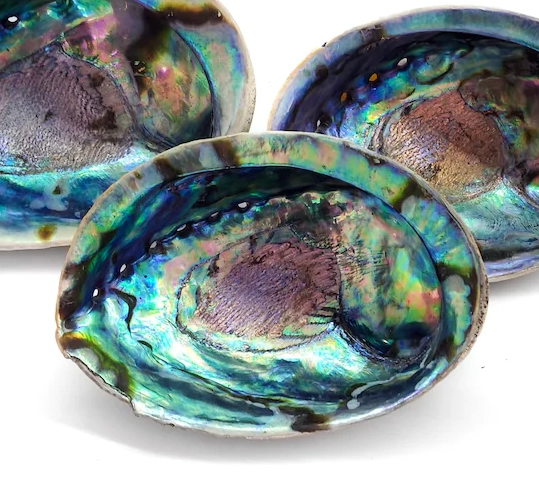
Color Intensity and Variety: The number one driver. Shells with a strong, multi-color play (especially that prized deep blue and emerald green combination) are top-tier. Pale, silvery, or single-hue shells are more common and less valuable.
Nacre Thickness: The colorful nacre layer needs to be thick enough to work with. Thin shell pieces are fragile, can't be domed nicely, and may have the less-attractive outer layer showing through. Thick nacre allows for deep, rounded cabochons that hold light beautifully.
Size and Usable Area: Once thickness and color are accounted for, then size matters. A large, flawless, colorful slab is a jeweler's dream. But a large shell full of wormholes or cracks is mostly useful for small inlays or crushed shell work.
Natural vs. Reconstructed: This is critical. Natural paua means the piece is cut from a single, solid shell. Reconstructed paua (sometimes called "reconstituted") is made by taking paua shell dust and chips, mixing them with resin, and pressing them into blocks to be re-cut. It's much cheaper, the color patterns are often repetitive and artificial-looking, and it lacks the depth and life of natural stone. Many low-end tourist souvenirs use this.
Origin and Sustainability: Wild New Zealand paua is a managed fishery with strict quotas. There's also farmed paua. Ethically sourced shell from well-managed stocks often carries a premium for conscious buyers. The New Zealand Ministry for Primary Industries provides regulations on its harvest to ensure sustainability.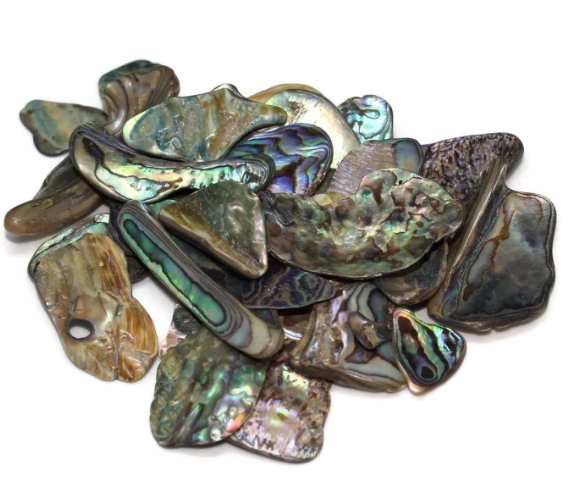
Paua Shell in Jewelry: Navigating the Market
The jewelry market is where you see the biggest quality divide. It ranges from mass-produced, resin-filled trinkets to exquisite hand-cut pieces set in fine silver or gold.
I remember buying my first paua pendant in a Queenstown shop years ago. It was pretty, but within a year the surface had clouded and a small corner chipped off. I later learned it was a thin slice of lower-grade shell glued to a backing—a common practice. Now I know what to look for.
| Type of Paua Jewelry | Typical Characteristics | Price Range (USD) | Best For |
|---|---|---|---|
| Budget Tourist Souvenir | Thin, flat pieces; often reconstructed shell or backed slices; simple silver-tone or plated settings; repetitive color patterns. | $10 - $50 | Small gifts, children's jewelry, low-risk fashion pieces. |
| Mid-Range Craft Jewelry | Solid natural shell, often cut into standard shapes (ovals, circles); decent color play; set in sterling silver or good-quality brass; often handmade by local artisans. | $50 - $200 | Meaningful souvenirs, everyday wearable jewelry with character. |
| High-End Designer & Māori Art (Taonga) | Exceptional, hand-selected shell with dramatic color; often custom-cut to follow the natural color flow; set in high-karat gold or sterling silver with fine craftsmanship; may feature traditional Māori carving (hei matau, koru). | $200 - $2000+ | Heirloom pieces, investment jewelry, serious collectors, cultural appreciation. |
The setting tells you a lot. A prong setting that lets you see the side (the girdle) of the paua piece usually indicates a thicker, solid cabochon. A bezel setting that wraps tightly around the edge can sometimes hide a thin, backed piece.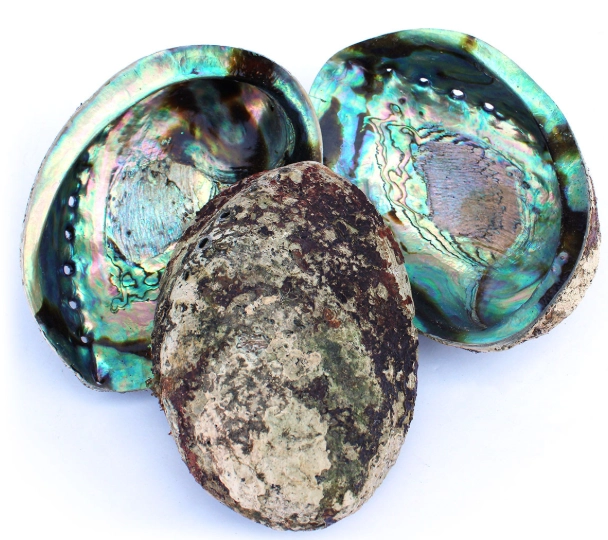
How to Spot High-Quality vs. Low-Quality Paua: A Practical Checklist
Don't rely on the seller's description. Use your eyes and hands.
Visual Checks
Look for Depth and Movement: Tilt the piece under a light. High-quality natural paua will have colors that shift and roll as you move it—blues turning to greens, flashes of gold appearing. Low-quality or reconstituted shell often has a flat, static, printed-on look.
Examine the Pattern: Natural patterns are organic and unique, like a fingerprint. If you see multiple pieces with the exact same swirl or stripe pattern, it's almost certainly reconstructed.
Check the Edges and Back: If you can, look at the side. A solid piece will have a consistent, stony look. If you see a dark line in the middle or a different material glued on the back, it's a composite. A jeweler's loupe is great for this.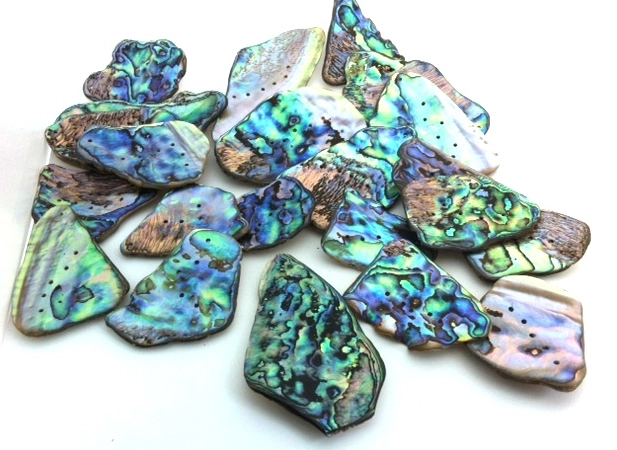
Physical and Context Clues
Weight and Temperature: Solid paua feels cool and relatively heavy for its size, like a stone. Resin-based reconstituted shell feels lighter and warmer to the touch initially.
Price is a Signal (But Not a Guarantee): That $15 "solid paua" necklace in a bin of fifty identical ones? It's not solid natural paua. Real, good-quality paua has a material cost and requires skilled labor to cut and polish.
Ask Specific Questions: Don't ask "Is this real?" Ask "Is this natural solid shell or reconstructed?" A reputable seller will know and tell you. Ask about the origin if possible.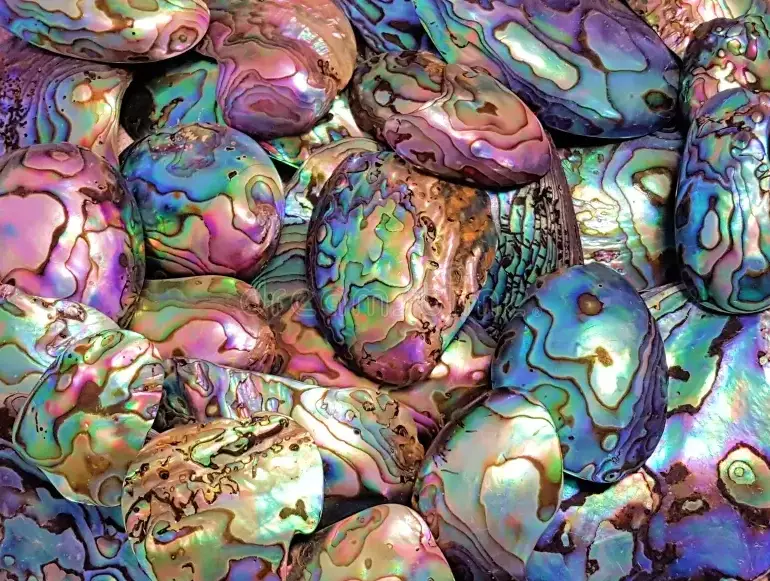
Cleaning and Care: Don't Ruin Your Shell
This is where people make the most costly mistakes. Paua is organic calcium carbonate. It's sensitive to acids and harsh chemicals.
The Wrong Way: Soaking it in jewelry cleaner, using ultrasonic cleaners, applying vinegar, lemon juice, or ammonia-based products. These will etch the surface, permanently dulling the brilliant polish and killing the iridescence. I've seen beautiful pieces turned chalky-white this way.
The Right Way:
- Daily Cleaning: Warm water, a tiny drop of mild dish soap, and a very soft cloth (microfiber or flannel). Gently wipe, rinse quickly, and dry immediately and thoroughly with another soft cloth.
- Drying is Crucial: Don't let water sit on it. Water spots can form.
- Polishing: Use a dry, soft polishing cloth meant for pearls or gemstones. No liquid polishes.
- Storage: Keep it separate from harder gems (diamonds, sapphires) that can scratch it. Store in a soft pouch. Avoid prolonged direct sunlight, which can fade some colors over decades.
Think of it like caring for a fine pearl. Gentle is the only way.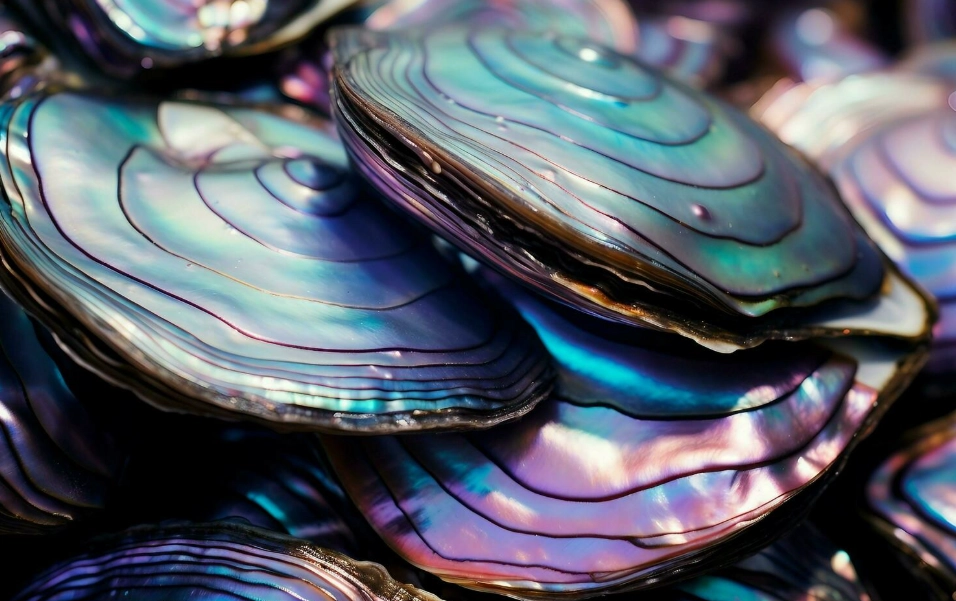
Your Paua Shell Questions Answered
Why is some paua shell jewelry so cheap, and other pieces so expensive?
The price gap almost always comes down to material and labor. Cheap pieces use reconstructed shell (dust + resin) or paper-thin natural slices glued to a backing. They're mass-produced. Expensive pieces use thick, solid, hand-selected natural shell with exceptional color. Cutting and polishing that material without shattering it takes real skill, and it's often set by hand by an artisan. You're paying for rarity, material integrity, and craftsmanship.
I bought a paua shell and the colors seem duller now. Can I restore the shine?
First, identify the cause. If it's just surface grime, gentle cleaning with soapy water as described above may bring it back. If it's been etched by acids (perfume, sweat, cleaners), the damage is permanent to that layer. A professional jeweler might be able to re-polish it, but this removes material and is risky on thin pieces. Prevention is everything. Dullness is often a build-up of lotions or soap film.
Is it ethical or legal to take raw paua shells from a New Zealand beach?
Generally, no. Regulations under the Fisheries Act are strict. There are size limits, daily bag limits, and you often need a recreational fishing license to collect the shellfish itself. Taking empty shells may seem harmless, but it's still often prohibited in marine reserves or protected areas, as those shells provide habitat for other creatures. Always check the latest rules from the official New Zealand Ministry for Primary Industries website or local iwi (Māori tribe) authorities. Buying from licensed, sustainable commercial sources is the responsible choice.
What's the difference between paua shell and abalone shell from other countries?
While all abalone produce nacre, Haliotis iris (paua) is renowned for having the most intense and varied color play. Abalone from California or South Africa can be beautiful, often showing more blues and silvers, but they rarely match the electric green-purple-blue combination that defines high-quality paua. The colder, nutrient-rich NZ waters are credited for this difference. In the jewelry trade, "paua" specifically denotes the NZ species and carries a premium.
Can paua shell be used for anything besides jewelry?
Absolutely. Traditionally, Māori used it for the eyes in intricate wood carvings (a technique called "pāua eyes") to give them a lifelike, spiritual presence. Today, you'll find it used in high-end inlay work for guitars, knives, and furniture. Crushed paua shell is also used in a decorative composite material for surfaces like countertops or tabletops, creating a stunning, shimmering effect. The use is limited only by the artisan's imagination and the cost of the material.
Paua shell is more than a souvenir. It's a piece of New Zealand's coastal wilderness, a product of ancient craft, and a natural wonder of optics. Knowing what you're looking at—the difference between a cheap imitation and a piece of natural art—transforms how you see it. It turns a simple purchase into an informed appreciation. Whether you're buying a small token or investing in a taonga (treasure), let the shell's own light guide you. Look for that depth, that movement, that unique story in the colors. That's the real thing.


Comments
Leave a Comment