If you're after panfish, you've probably heard both names. Goggle eye (rock bass) and warmouth. They look similar, fight about the same, and often share the same water. So, what's the big deal? Knowing the difference isn't just for fish nerds. It changes where you cast, what you use, and how many fish you bring home. After years of confusing the two myself, I learned that targeting the warmouth specifically turned my slow days into productive ones. Let's cut through the confusion.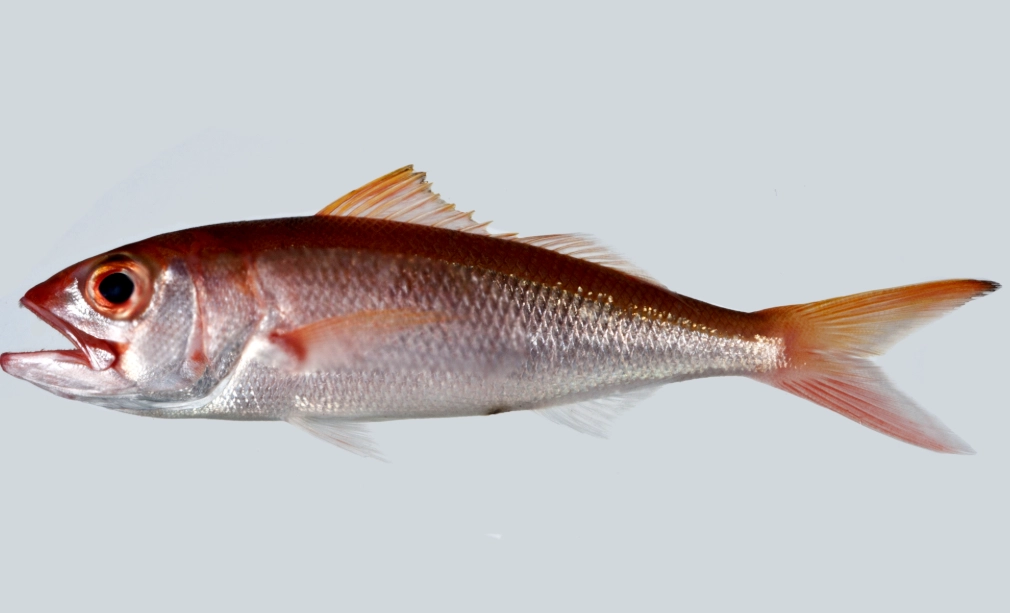
Your Quick Guide to the Goggle Eye vs Warmouth Debate
What Exactly Are We Comparing?
First, let's clear up the names because that's half the battle. "Goggle eye" is a widespread common name for the rock bass (*Ambloplites rupestris*). It's a true sunfish, but chunkier. The "warmouth" (*Lepomis gulosus*) is also a sunfish, but it's in a different genus. People mix them up constantly. I've seen seasoned anglers at the cleaning table argue over a catch, one calling it a goggle eye, the other insisting it's a warmouth. They're both panfish, meaning they're small-to-medium sized, great for frying, and often overlooked by bass hunters. That's your opportunity.
Key Differences: A Detailed Comparison
Forget trying to remember a dozen tiny details. When you lift one out of the water, check these three things first. I've wasted time counting fin rays when the answer was staring me in the face.
| Feature | Goggle Eye (Rock Bass) | Warmouth |
|---|---|---|
| Mouth Size | Moderate. Doesn't extend past the middle of the eye. | Very large. The upper jaw extends to or past the BACK of the eye. This is the single best tell. |
| Cheek/Gill Cover | Has 5-7 distinct rows of small scales. Feels rough, like sandpaper. | Has 3-4 rows of larger scales and often 2-3 dark lines radiating from the eye. Feels smoother. |
| Dorsal (Back) Fin | Two fins that are broadly connected, but there's a noticeable notch between the spiny front and soft rear sections. | One continuous dorsal fin. The spiny and soft-rayed parts are joined with no deep notch. |
| Body Pattern | More uniform, with a chain-like pattern of dark blotches along the side. | Irregular, blotchy vertical bars and a distinct dark spot at the base of the rear dorsal fin rays. |
| Temperament | More social, often found in loose groups near rocky structures. | More solitary and territorial, like a mini largemouth bass. |
See the mouth? That's your cheat code. A warmouth looks like it's always surprised, with that huge, bass-like mouth. The rock bass looks more... proportionate.
How to Identify Goggle Eye and Warmouth?
Let's get tactical. You're on the bank or in a kayak. The light's fading. Here’s my field process, the one I teach new anglers.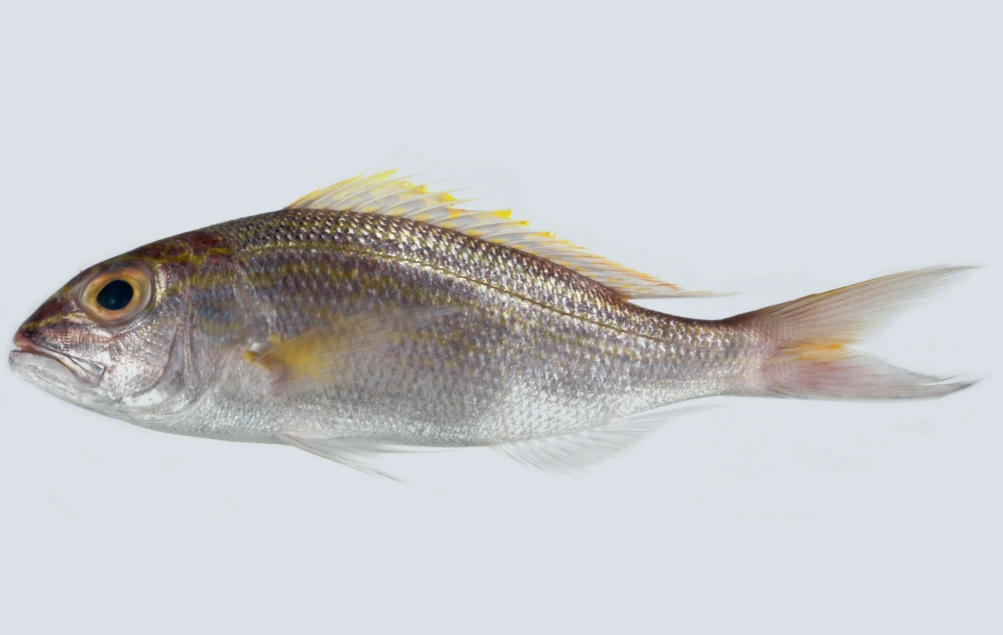
Step 1: The Jawline Check
Don't even look at the colors yet. Gently hold the fish and look at its profile. Does the upper jaw go way back past the eye? If yes, you're almost certainly holding a warmouth. If it stops around the middle of the eye, think rock bass. This works 95% of the time, even on juveniles.
Step 2: Feel the Cheek
Run your thumb from the eye back towards the gill cover. Is it uniformly rough, like fine-grit sandpaper? That's the scaled cheek of a goggle eye. Is it mostly smooth, with maybe a patch of rough scales? That leans warmouth. This is surprisingly reliable in muddy water where colors are useless.
Step 3: Confirm with the Dorsal Fin
If you're still unsure, fan out the dorsal fin. Look for that deep notch dividing the spiny and soft parts. A clear notch points to rock bass. A smooth, continuous fin suggests warmouth.
It takes 10 seconds. Mouth, cheek, fin. Done.
Habitat and Behavior: Where to Find Them
This is where knowing the difference pays off in fish. Their preferences aren't the same.
Goggle Eye (Rock Bass) love clear, cool water with a hard bottom. Their name says it all: rock bass. Look for them around:
- Rocky points and shorelines.
- Gravel beds in streams and rivers.
- Sunken piles of rubble or concrete.
- They often suspend near drop-offs next to these hard structures. They're more of a schooling fish than anglers realize. Catch one, and there are often more nearby.
Warmouth are the tough guys of the weedy, shallow world. They tolerate warmer, murkier, and lower-oxygen water that would stress other sunfish. Target them in:
- Dense vegetation like lily pads, hydrilla, or coontail moss.
- Stumpy, muddy backwaters and sloughs.
- Underneath docks with plenty of submerged brush.
- They are loners. You won't find a pile of them. They stake out a single piece of cover—a lone log, a specific bush—and defend it like it's their castle.
I remember a specific farm pond in Missouri. The north end was clear and rocky—goggle eye heaven. The south end was a warm, weedy mess full of stumps. That's where the big, aggressive warmouth lived. Fishing the wrong end meant half the bites.
Fishing Tactics: Which is Better for Fishing?
So, which one should you aim for? It depends on your goal. For pure fun and numbers on light tackle, I give a slight edge to the warmouth. For slightly larger average size in clearer systems, the rock bass shines.
Targeting Goggle Eye (Rock Bass)
Use finesse. They have smaller mouths and can be picky.
Best Lures: Small jigs (1/16 oz), tiny crankbaits, and live bait like worms or crickets under a light bobber.
Presentation: Cast near rocky structure and let the lure sink close to the bottom. A slow, hopping retrieve works wonders. They often hit as the lure is falling.
Gear: Ultra-light spinning rod with 4-6 lb test line. The bite can be subtle.
Targeting Warmouth
Be bold. They have that big mouth for a reason.
Best Lures: You can go bigger. Small spinnerbaits, tube jigs, and even compact topwater frogs over vegetation. They absolutely crush a live crayfish—their favorite meal.
Presentation: Pitch your bait right into the thickest, nastiest cover you can find. Let it sit. They are ambush predators. A twitch and pause drives them wild.
Gear: Light to medium-light rod with 8-10 lb braid. You need the power to pull them out of the jungle they live in.
The warmouth's aggression is its downfall. It will hit lures meant for bass, making it a fantastic backup target when the largemouth aren't cooperating. According to the U.S. Fish and Wildlife Service, warmouth are resilient and can thrive in degraded habitats where other sunfish struggle, which explains their willingness to bite when other fish are lock-jawed.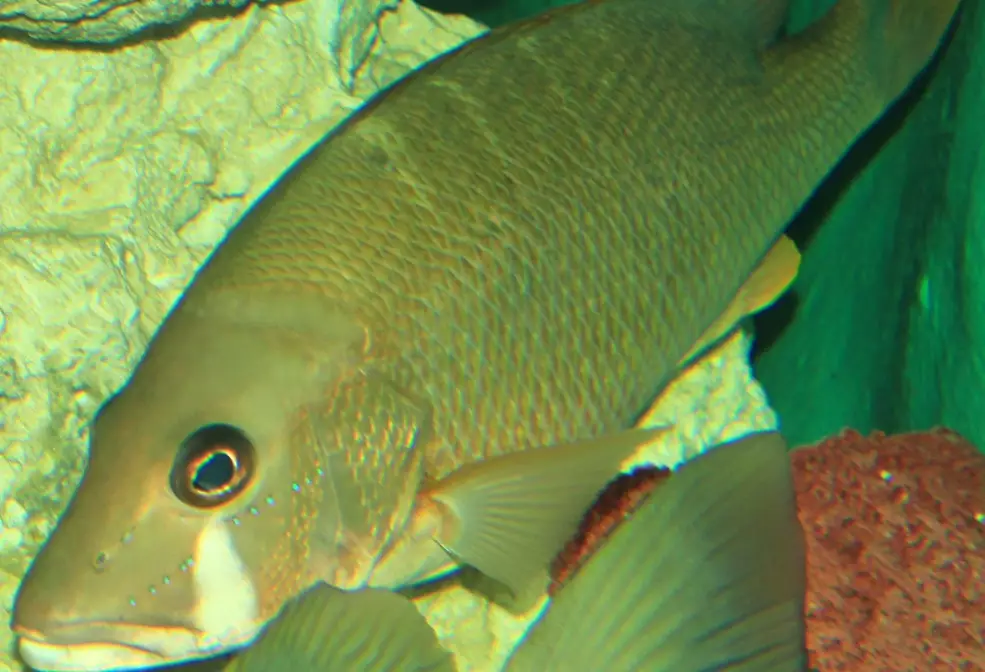
Expert Q&A: Your Fishing Questions Answered
 I'm using a small jig. Will I catch both, or should I switch lures to target one specifically?


Comments
Leave a Comment