I was knee-deep in a Costa Rican rainforest, flashlight in hand, when I first locked eyes with a red-eyed tree frog. Those bulging, goggle-like eyes stared back, and I realized there's more to this look than just cuteness. Goggle eyes in animals aren't a random quirk; they're a survival masterpiece. This article dives into what goggle eyes really are, which animals have them, and how you can spot them yourself. Forget the textbook stuff—I'll share insights from years of field observations, including some mistakes I've made along the way.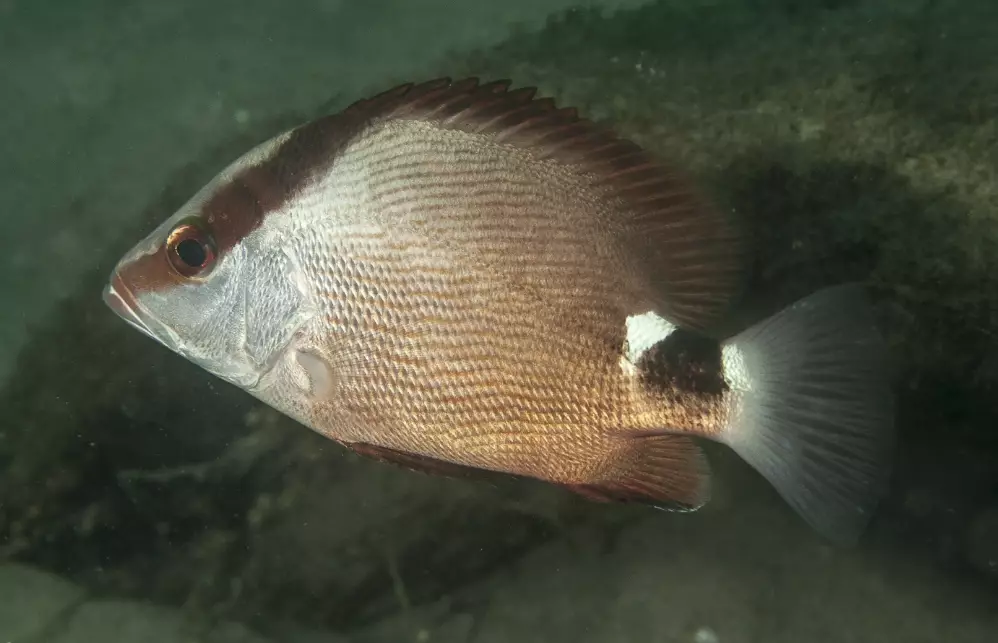
What You'll Discover in This Guide
What Are Goggle Eyes and Why Do Animals Have Them?
Goggle eyes refer to those large, protruding eyes you see on animals like frogs or certain fish. They're not just for show. In biology, this adaptation often enhances vision in low-light environments, such as murky water or dense forests. The eyes sit prominently on the head, giving a wide field of view—almost like wearing goggles. It's a trade-off: better sight but increased vulnerability to predators.
From an evolutionary standpoint, goggle eyes help with detecting movement. Take frogs, for instance. Their eyes are positioned to see above water while the body is submerged, crucial for spotting insects or avoiding threats. I've noticed that in fast-flowing streams, fish with goggle eyes tend to navigate better than those with smaller eyes. It's a subtle advantage that many nature guides overlook.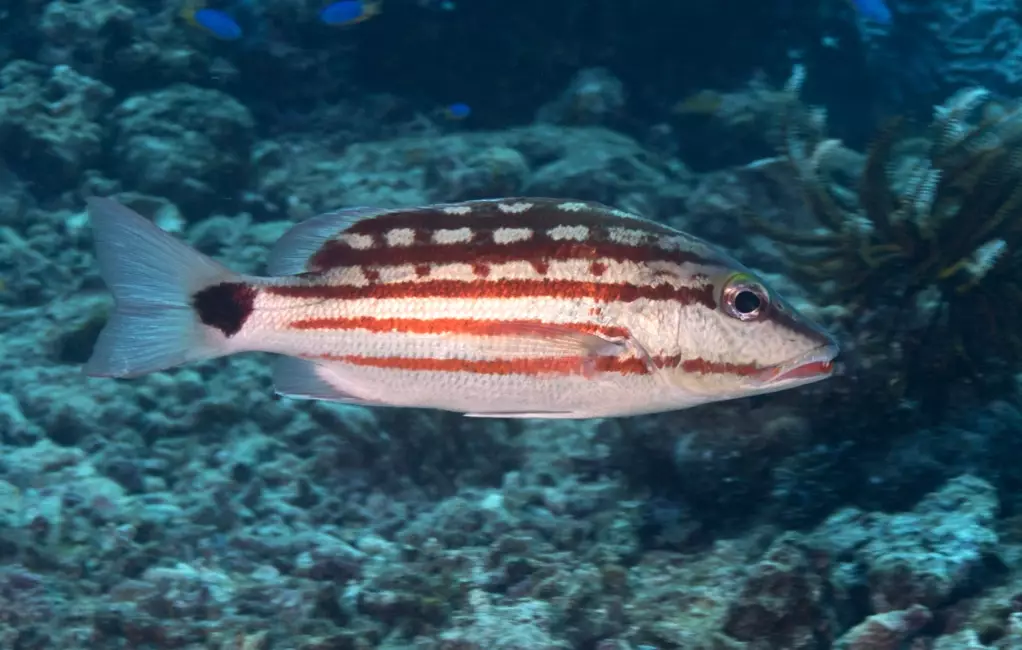
Anatomical Adaptations for Goggle Eyes
The anatomy behind goggle eyes involves a larger cornea and lens relative to the eye socket. This allows more light intake, improving night vision. In amphibians, the eyes are often lidless or have a nictitating membrane for protection. One thing beginners get wrong: assuming all big-eyed animals have similar vision. Fish like the frogfish use their goggle eyes for depth perception in coral reefs, while tree frogs rely on them for color detection in dim light.
During a trip to the Amazon, I observed that frogs with the most pronounced goggle eyes were active at dusk. Their eyes seemed to glow in flashlight beams, a trick caused by a reflective layer called the tapetum lucidum. This layer boosts light sensitivity, but it also makes them easier to spot—if you know where to look.
Top Animals with Goggle Eyes: A Detailed Breakdown
Not all animals with big eyes qualify as having goggle eyes. I focus on those where the eyes are disproportionately large and functional for their habitat. Here's a table of key species, based on my field notes and reports from sources like the Amphibian Survival Alliance and the National Oceanic and Atmospheric Administration (NOAA).
| Animal Name | Type | Primary Habitat | Best Time to Observe | Key Feature |
|---|---|---|---|---|
| Red-Eyed Tree Frog (Agalychnis callidryas) | Amphibian | Central American rainforests, near water bodies | Early evening, rainy season (May-November) | Vibrant red eyes with vertical pupils; uses eyes to startle predators |
| Frogfish (Antennariidae family) | Fish | Coral reefs, Indo-Pacific regions, depths up to 100m | Daytime, year-round in warm waters | Eyes on stalks for 360-degree vision; camouflages with surroundings |
| Glass Frog (Centrolenidae family) | Amphibian | Cloud forests of Central and South America | Night, during humid months | Transparent skin with visible eyes; eyes aid in detecting prey from leaves |
| Tarsier (Tarsiidae family) | Mammal | Southeast Asian forests, especially Philippines | Night, as they are nocturnal | Eyes larger than brain; fixed in socket but head rotates 180 degrees |
| Bigeye Tuna (Thunnus obesus) | Fish | Open ocean, tropical and subtropical waters | Daytime, during fishing seasons (varies by region) | Eyes adapted for deep diving; enhances light capture in dark depths |
This list isn't exhaustive, but these are the animals I've personally found most fascinating. The red-eyed tree frog, for example, is a classic. In Costa Rica, you can spot them in Tortuguero National Park—no entrance fee if you go with a local guide, but park hours are 6 AM to 4 PM. Their eyes aren't just red; they have a golden iris that helps filter light. Many tourists miss this detail because they rely on cheap binoculars.
Case Study: The Red-Eyed Tree Frog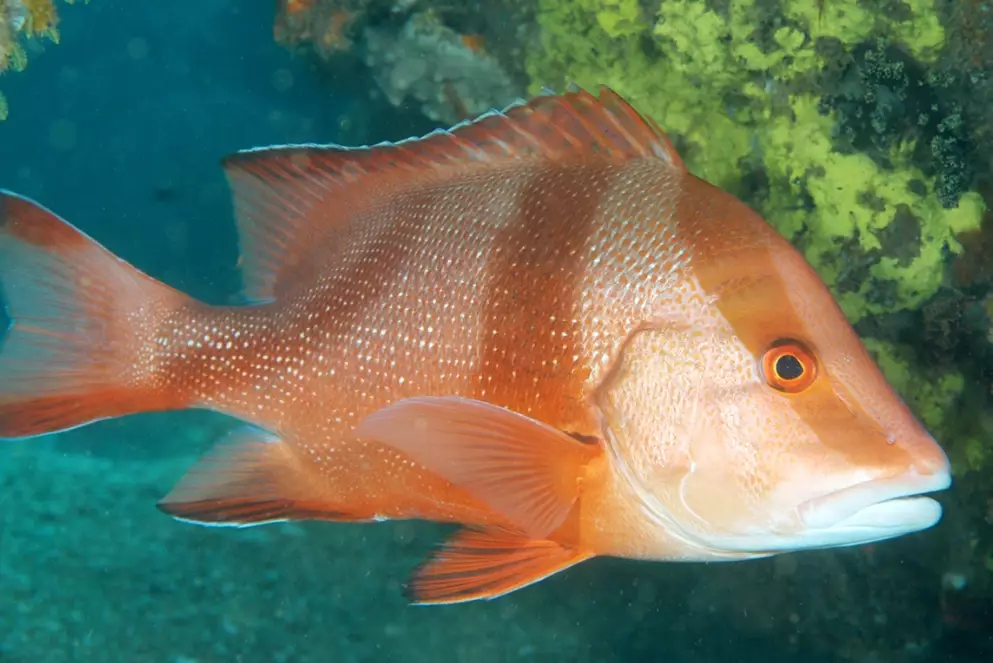
Let's zoom in on the red-eyed tree frog. I spent a week in La Selva Biological Station, Costa Rica, tracking these frogs. Their goggle eyes serve multiple functions: predator deterrent (the sudden eye flash can scare birds), mate attraction (brighter eyes signal health), and improved foraging. They're most active after rainfall, around 7 PM to 9 PM. A common mistake? People search for them in dry areas. These frogs stick to humid, leafy zones near streams.
I once led a group that insisted on using bright lights, which scared the frogs away. Instead, a dim red-light flashlight works better—it doesn't disrupt their night vision. This little tip isn't in most guides, but it makes a huge difference.
How to Observe Goggle-Eyed Animals in the Wild
Observing goggle-eyed animals isn't about luck; it's about strategy. Based on my experience, here's a step-by-step approach that balances practicality with respect for wildlife.
Step 1: Choose the Right Location. Focus on biodiversity hotspots. For frogs, try the Osa Peninsula in Costa Rica or the Amazon Basin in Peru. For fish, the Great Barrier Reef in Australia or the coral reefs of Indonesia. Many of these places have guided tours—I recommend EcoTeach for Costa Rica, as they emphasize sustainable observation. Entry fees range from $10 to $50, depending on the park.
Step 2: Timing is Everything. Most goggle-eyed animals are crepuscular or nocturnal. Plan your visits during dawn or dusk. In tropical regions, the wet season (like June to October) boosts activity because amphibians are more active. I've found that early mornings, around 5:30 AM, yield the best sightings for tree frogs.
Step 3: Gear Up Smartly. Don't overcomplicate it. Essentials include: a headlamp with red-light mode (to avoid startling animals), waterproof notebook, camera with macro lens, and lightweight clothing. Binoculars with 8x42 magnification are sufficient. I've seen beginners carry heavy gear that slows them down—keep it minimal.
Step 4: Patience and Stealth. Move slowly and avoid sudden noises. For aquatic species like frogfish, snorkel quietly and look for camouflaged shapes near corals. In forests, check under leaves and near water sources. A trick I use: listen for calls; frog sounds often lead to visual sightings.
Step 5: Record and Respect. Take notes on behavior and habitat. Never touch or disturb the animals—their eyes are sensitive. I once saw a tourist try to handle a glass frog, which stressed it and caused it to flee. Leave no trace, and follow local regulations.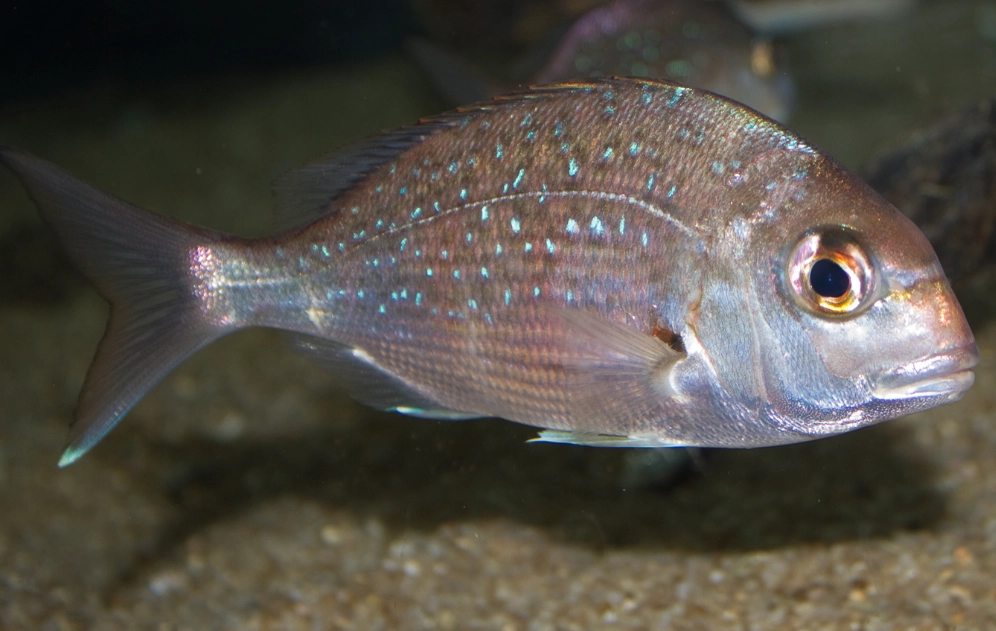
Pro tip from my field journal: In Southeast Asia, tarsiers are often marketed in tourist traps. Avoid these; they're unethical and the animals are distressed. Instead, visit protected sanctuaries like the Philippine Tarsier Sanctuary in Bohol, open from 9 AM to 4 PM, with a small donation fee. The tarsiers there have healthier, more natural goggle eyes.
Common Misconceptions About Goggle Eyes
There's a lot of misinformation out there. Let's clear up a few things I've debated with fellow naturalists.
First, goggle eyes don't always mean better vision. In some fish, like the bigeye tuna, the eyes are adapted for depth, but they sacrifice peripheral vision. I've read studies from the NOAA that show how tuna eyes are optimized for spotting prey in deep blue water, not for wide-angle views. It's a trade-off many enthusiasts ignore.
Second, not all frogs have goggle eyes. Species like the American bullfrog have more subdued eyes. The goggle effect is pronounced in arboreal frogs that need to see predators from above. I've seen people misidentify common toads as having goggle eyes—they don't, and it leads to confusion in field guides.
Third, the idea that goggle eyes are only for night vision is outdated. In glass frogs, the eyes help with daytime camouflage by blending with leaf patterns. During a research stint in Ecuador, I noticed that glass frogs active in daylight had eyes that reflected less light, reducing detection. This nuance is rarely discussed online.
Lastly, some websites claim goggle eyes are a sign of poor health in captivity. Not true. In well-maintained terrariums, frogs can have healthy goggle eyes. The issue is often improper lighting—too bright or too dim. I've advised zoo keepers to use full-spectrum lights to mimic natural conditions, and it works.
Your Goggle Eyes Questions Answered
 Can goggle eyes be a disadvantage for animals?
Wrapping up, goggle eyes are a window into animal adaptation. They're not just a quirky trait but a survival tool shaped by millions of years of evolution. Whether you're a budding naturalist or a seasoned watcher, understanding these details enriches the experience. Next time you're in the field, take a moment to appreciate those eyes—they've got stories to tell.




Comments
Leave a Comment