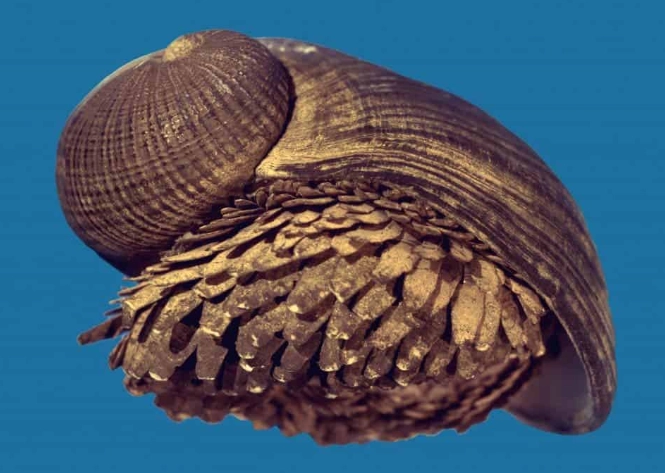
Let's cut straight to the point. The scaly-foot snail (Chrysomallon squamiferum) isn't just another weird deep-sea creature. Its shell is a biological anomaly, a piece of living armor that science fiction writers would envy. Found only near hydrothermal vents in the Indian Ocean, this snail's shell is special because it's a three-layered fortress, with its middle layer being reinforced with iron sulfide minerals—essentially, it's wearing a coat of mail. No other known animal on Earth incorporates iron sulfides into its skeletal structure like this. But the real question isn't just *what* makes it special, it's *how* and *why* this incredible adaptation evolved in one of the planet's most hostile environments.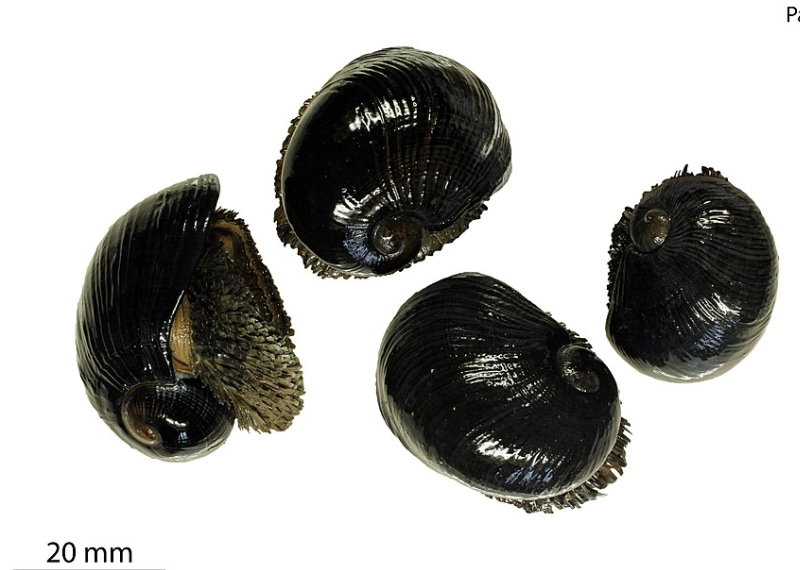
I remember the first time I saw a micrograph of its shell cross-section. It wasn't the glossy, perfect spiral of a garden snail. It looked rugged, complex, almost engineered. Most articles stop at "it has an iron shell." We're going to go much deeper.
What You'll Discover in This Deep Dive
Meet the Iron-Clad Snail of the Deep
Before we dissect the shell, you need to know the creature inside it. The scaly-foot snail lives exclusively around hydrothermal vents, like those in the Kairei and Longqi fields, nearly 2,800 meters (over 9,000 feet) below the ocean's surface. The environment is absurdly extreme: crushing pressure, temperatures swinging from near freezing to over 400°C (752°F) at the vent fluid source, and water laced with toxic chemicals like hydrogen sulfide and heavy metals.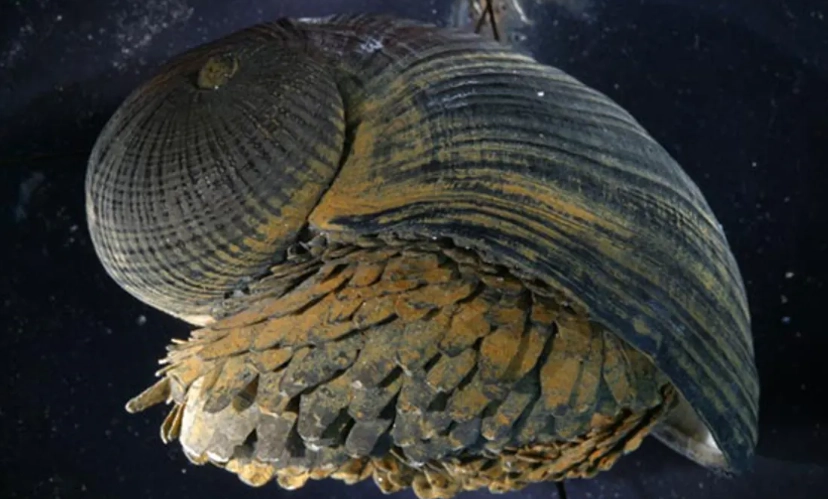
It doesn't just survive here; it thrives. It's a key part of a chemosynthetic ecosystem, relying on symbiotic bacteria in its enlarged esophageal gland for nutrition. The shell and its unique sclerites (those scale-like structures on its foot) are its interface with this brutal world.
The Three-Layer Defense: A Masterclass in Armor Design
This is where things get fascinating. The shell isn't a single, homogenous material. It's a laminated composite with three distinct layers, each serving a specific function. Think of it like advanced body armor: an outer layer to deflect and absorb the initial impact, a middle layer for structural integrity and stopping power, and an inner layer for comfort and energy dissipation.
| Layer | Primary Composition | Key Function | Analogy |
|---|---|---|---|
| Outer Layer | Conchiolin (a tough protein) with embedded granules of iron sulfide (greigite, Fe₃S₄) | First line of defense against physical abrasion from rocks and attacks. The iron sulfide granules act like tiny, hard studs. | The ceramic strike face on a bulletproof vest. |
| Middle Layer | Primarily organic conchiolin, the thickest layer. | Acts as a shock absorber. Its organic, flexible nature dissipates kinetic energy from strikes, preventing cracks from propagating inward. | The squishy, energy-absorbing foam layer in the vest. |
| Inner Layer | Aragonite (a calcium carbonate mineral), the standard material for most mollusk shells. | Provides a hard, calcified inner wall for structural rigidity and protection against the acidic vent fluids. | The hard, trauma plate backing in the vest. |
The Iron Sulfide Secret
The greigite in the outer layer is the star of the show. This mineral is magnetic and conducts electricity. The snail doesn't "eat" iron; the iron sulfide is formed through a symbiotic relationship. Sulfide from the vent fluids is processed by bacteria, and it reacts with iron ions dissolved in the water, precipitating the mineral directly onto the shell's surface. This is a passive, continuous process of self-armoring.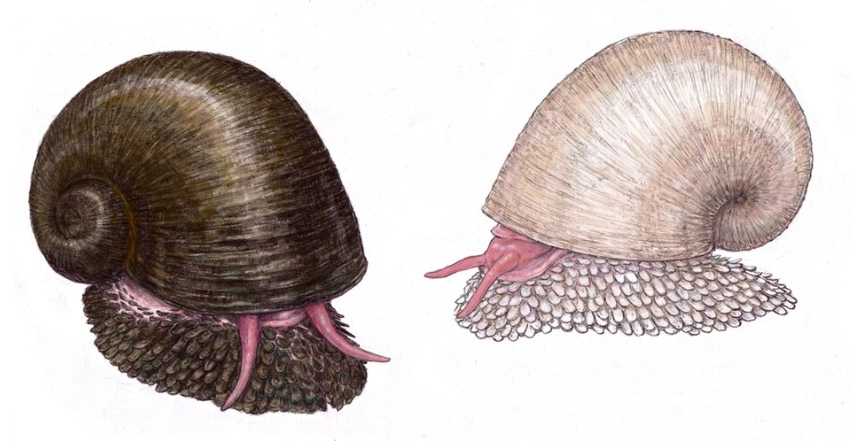
Many sources gloss over a critical detail: the iron sulfide isn't uniformly distributed. It's concentrated in the outermost regions and in those foot sclerites, which are essentially detached pieces of armor for its soft foot. This targeted placement shows an efficient use of resources—armor where it's needed most.
Why This Shell is a Survival Superpower
So, what does this complex architecture actually *do* for the snail? It solves multiple life-or-death problems simultaneously.
Predator Defense: The primary threat at these depths is thought to be other vent crabs and possibly fish. The iron-reinforced outer layer is incredibly resistant to crushing and puncture. Research from institutions like the Woods Hole Oceanographic Institution suggests the composite structure makes it much harder for a crab's claw to fracture the shell compared to a normal gastropod shell of similar thickness.
Thermal and Chemical Buffering: The vent environment is chaotic. The middle organic layer provides insulation against sudden temperature fluctuations. The inner aragonite layer is crucial for resisting corrosion from the slightly acidic, sulfide-rich water. Without it, the shell would dissolve.
Pressure Resistance: At 280 atmospheres of pressure, any weakness is catastrophic. The three-layer composite design, with its mix of hard and flexible materials, distributes mechanical stress far more effectively than a single brittle material could. It's a principle engineers use in submarine hulls.
Here's an expert nuance most miss: The shell's design might also be a deterrent beyond pure strength. The magnetic and conductive properties of greigite could interfere with the sensory systems of potential predators, creating an unpleasant or confusing sensation. It's not just a shield; it might be an active warning system.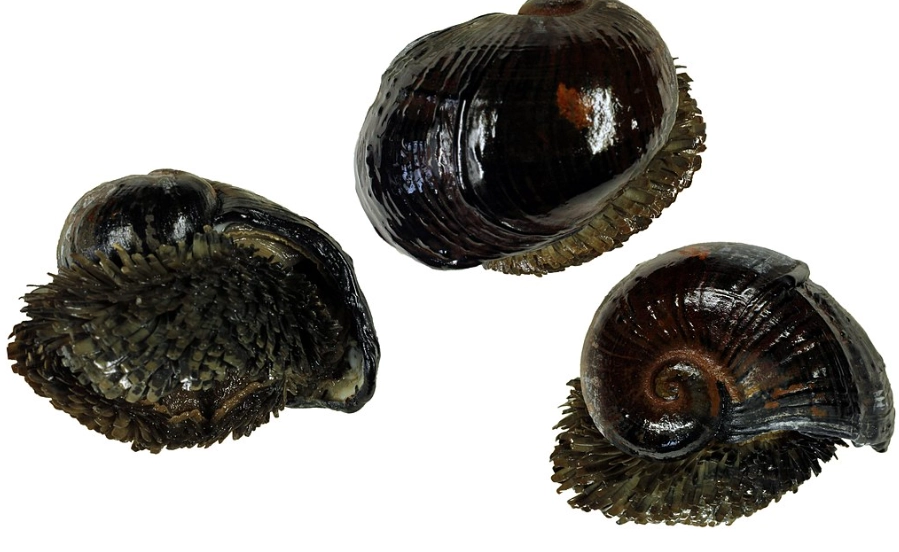
Beyond Biology: Research and Future Tech
The scaly-foot snail isn't just a curiosity; it's a blueprint. The field of biomimicry looks to such adaptations to solve human engineering challenges.
- Lightweight Armor: Military and security researchers are intensely interested in replicating the layered, composite design for next-generation body armor and vehicle plating. The goal is to achieve superior protection with less weight.
- Corrosion-Resistant Materials: Understanding how the inner layer resists acidic, sulfide-rich environments could lead to new coatings for pipelines, ships, and offshore structures.
- Self-Healing Structures: The snail's continuous, passive mineralization process is a model for materials that can self-repair minor damage, a holy grail for everything from spacecraft to building materials.
Studies led by teams at MIT and other materials science labs have published papers specifically analyzing the mechanical properties of the snail's shell structure, confirming its exceptional crack resistance and energy dissipation.
Threats and the Race for Conservation
This brings us to a harsh reality. The scaly-foot snail is listed as Endangered on the IUCN Red List. Its entire existence is tied to a few, fragile hydrothermal vent fields. The very thing that makes it remarkable—its unique, mineralized shell—also makes it a target.
Deep-sea mining prospectors are eyeing these same vent fields for their rich deposits of metals like copper, zinc, and gold. Mining operations would utterly destroy these habitats. The snail's limited range and inability to relocate make it incredibly vulnerable.
Conservation is a massive challenge. You can't exactly breed them in captivity (replicating a deep-sea vent is… non-trivial). Protection hinges on international agreements to designate these vent sites as marine protected areas, off-limits to extraction. Organizations like the International Union for Conservation of Nature (IUCN) are vocal advocates for this. We risk losing a biological treasure and a source of immense scientific inspiration before we fully understand it.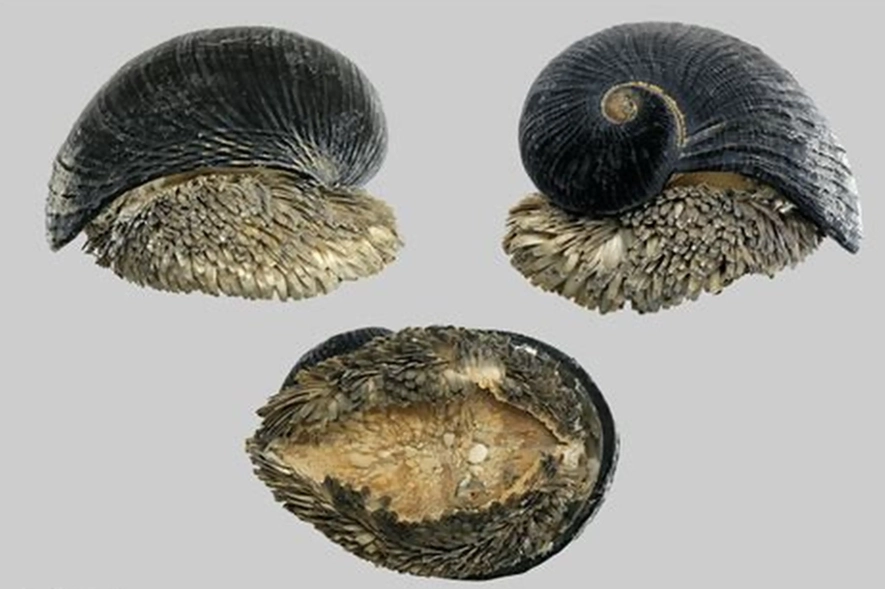
Your Burning Questions Answered
How does the snail actually form the iron sulfide layer? Does it control the process?
It's largely a passive, biochemical process driven by its environment and symbionts. The snail secretes the organic conchiolin matrix. The iron (Fe²⁺) and sulfide (S²⁻) ions are abundant in the vent effluent. When they come into contact with the organic surface under the specific conditions at the snail's shell-seawater interface, they precipitate as greigite crystals. The snail likely provides the template and conditions, but doesn't actively "place" each crystal. It's more like controlled mineralization than conscious construction.
If the shell is so tough, is the snail itself invulnerable?
Not at all. This is a critical point. The armor is fantastic against crushing and piercing, but the snail's soft body is still exposed through the shell aperture (the opening). A determined predator could attack the foot or mantle. Furthermore, the entire ecosystem is vulnerable to physical destruction. A mining plume or a shift in vent flow doesn't care how tough your shell is; it will smother or starve you. The shell solves specific mechanical threats, not environmental cataclysm.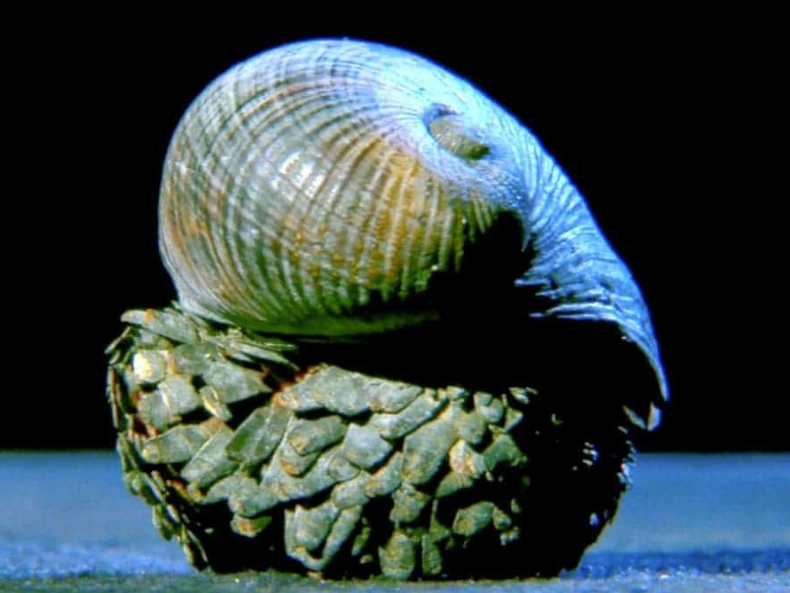
Why haven't other animals evolved iron-based armor?
Evolving this requires a perfect storm: access to high concentrations of dissolved iron and sulfide, a way to handle the toxicity of those elements, and an evolutionary pressure that makes investing energy in heavy armor more advantageous than, say, speed or camouflage. Hydrothermal vents are one of the few places that provide the first two ingredients. For most animals in most environments, calcium carbonate (for shells) or chitin (for exoskeletons) is far more metabolically efficient to produce. The scaly-foot snail's solution is a brilliant, but highly niche, adaptation.
Can we study the snail without harming its population?
It's extremely difficult but not impossible. Remotely Operated Vehicles (ROVs) can conduct high-resolution imaging and non-invasive sampling (like collecting water or microbial samples near them). The real ethical dilemma comes from collecting specimens for detailed materials testing, which is currently destructive. Some researchers argue for a moratorium on new specimen collection until population studies are clearer, relying instead on existing museum samples and advanced modeling. The priority must be habitat protection; no habitat means no research subjects at all.

Comments
Leave a Comment