I remember the first time I heard the call of a red-crested turaco in the wild. It wasn't in a lush forest, but in a fragmented woodland patch in western Angola. That loud, guttural "kha-kha-kha-kha" echoed, a defiant sound in a shrinking world. It made me wonder, right then, about the future of this stunning bird. So, let's cut to the chase: are red-crested turacos endangered? The official answer, according to the International Union for Conservation of Nature (IUCN) Red List, is Near Threatened. But that label is a snapshot, and the story behind it is more urgent than a simple "not yet" implies. It's a status perched on the edge, and understanding why is crucial for anyone who cares about birds.
What’s Inside This Guide
Understanding the Red-Crested Turaco: More Than Just a Pretty Bird
Before we dive into threats, let's be sure we know what we're talking about. The red-crested turaco (Tauraco erythrolophus) is an absolute showstopper. It's not just the brilliant crimson crest that gives it its name. Look closer, and you'll see a bird dressed in deep green and blue plumage that seems to change in the light, thanks to unique copper pigments called turacins. They're about the size of a crow, but far more elegant, with a long tail and bright red rings around their eyes.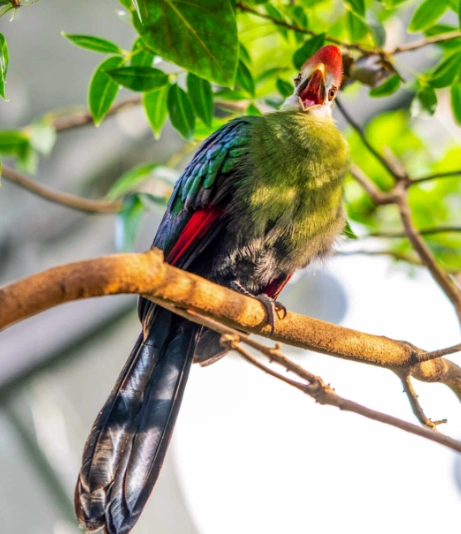
Their range is specific: they're endemic to Angola in south-central Africa. You won't find them anywhere else in the world naturally. They thrive in moist, dense forests, gallery forests along rivers, and well-wooded savannas. They're primarily fruit-eaters, acting as vital seed dispersers for their ecosystem. A forest without turacos is a forest struggling to regenerate.
The "Near Threatened" Reality: What It Really Means
"Near Threatened" sits right between "Least Concern" and "Vulnerable" on the IUCN scale. Think of it as the conservation equivalent of a yellow traffic light—proceed with caution. It means the species is close to qualifying for, or is likely to qualify for, a threatened category in the near future if current trends continue.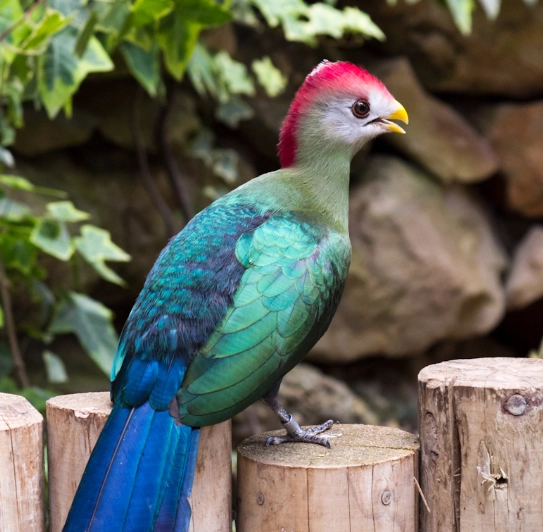
The IUCN assessment, which you can find on their official website, cites a moderately rapid population decline as the reason for this classification. They estimate the global population to be between 100,000 and 1,000,000 mature individuals, but the number is going down. The decline isn't catastrophic yet, but the trajectory is clear and worrying. This isn't a stable population; it's a shrinking one.
What Are the Main Threats to the Red-Crested Turaco?
The red-crested turaco isn't facing one single monster threat, but a combination of pressures that chip away at its survival. Here’s the breakdown of the biggest challenges.
Habitat Loss and Fragmentation: The Silent Crisis
This is the heavyweight champion of threats. Angola's forests are being cleared for agriculture, timber, and charcoal production at an alarming rate. The bird's specialized habitat—dense, moist woodland—is literally disappearing beneath it. Fragmentation is just as bad. When a large forest is cut into small, isolated patches, turacos struggle to find enough food, face higher predation, and suffer from reduced genetic diversity. I've seen these forest islands; they're often too small to support a healthy population long-term.
The Illegal Pet Trade: Beauty as a Curse
Their spectacular looks work against them. Red-crested turacos are highly prized in the global aviculture trade. While captive breeding exists, there is still demand for wild-caught birds, which are often trapped illegally. The process is brutal, involving glue traps or nets, and mortality rates during capture and transport are shockingly high. For every vibrant turaco you might see in a private collection overseas, several more may have died in the process.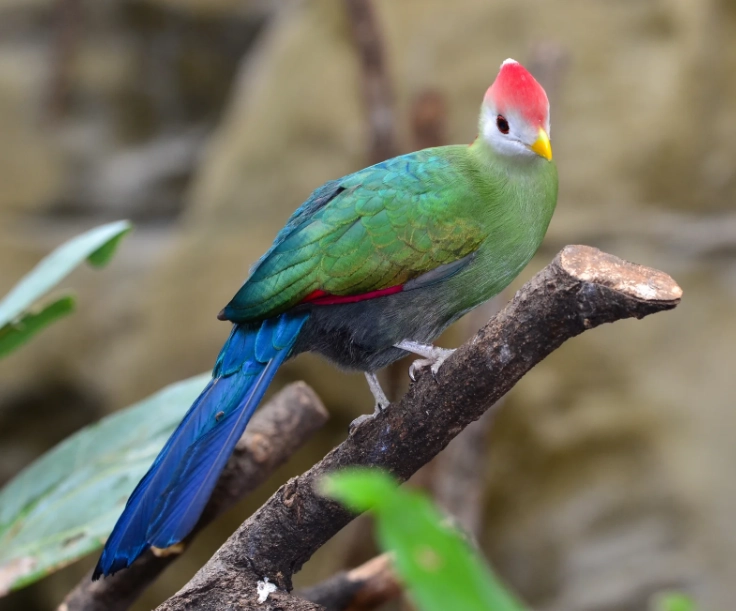
Hunting and Bushmeat
In some parts of their range, they are hunted for food. While not typically a primary target for bushmeat hunters compared to larger mammals, they are still taken, especially where other protein sources are scarce. This adds another layer of pressure on local populations.
Climate Change: The Looming Multiplier
This is the wildcard. Changes in rainfall patterns and increasing temperatures could alter the delicate ecosystem of the Angolan forests. Prolonged droughts could affect the fruiting cycles of the trees they depend on. Climate change acts as a threat multiplier, exacerbating the effects of habitat loss and making the environment less predictable for a species already on the back foot.
| Threat | Primary Impact | Scale of Impact | Geographic Focus |
|---|---|---|---|
| Habitat Loss | Destruction of nesting & feeding grounds | High & Widespread | Throughout Angolan range |
| Pet Trade | Direct removal of adults from wild | Moderate to High | Local trapping for international market |
| Hunting | Direct mortality | Localized but significant | Specific rural communities |
| Climate Change | Ecosystem disruption, food scarcity | Increasing (Future risk high) | Entire range |
How Are Red-Crested Turacos Being Protected?
It's not all doom and gloom. Several mechanisms and groups are working to pull the red-crested turaco back from the brink.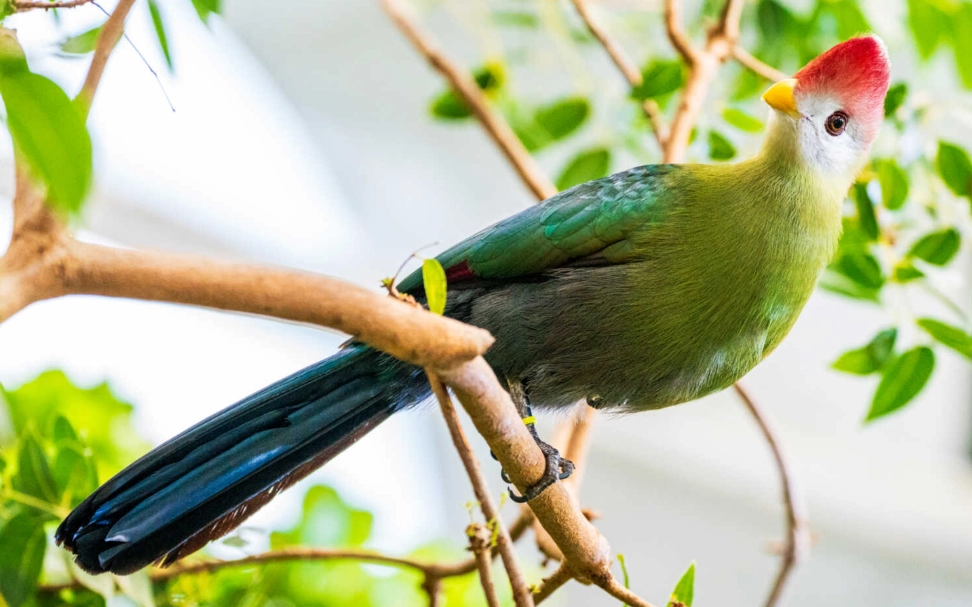
Legal Protections: The species is listed on Appendix II of the Convention on International Trade in Endangered Species (CITES). This doesn't ban trade outright but regulates it, requiring export permits to ensure trade is legal and sustainable. Enforcement is the constant challenge.
Protected Areas: Key parts of its range fall within protected areas and national parks in Angola, such as Quiçama National Park. These areas provide essential safe havens, though management and anti-poaching resources are often stretched thin.
Research and Monitoring: Organizations like BirdLife International and their local partners are crucial. They conduct population surveys, habitat assessments, and work with communities. This data is what feeds into the IUCN Red List assessment and guides conservation action. Without this on-the-ground work, we'd be guessing.
Community Engagement: The most effective conservation happens when local communities become stewards. Some projects promote eco-tourism centered on birdwatching, providing an economic incentive to protect the forest and its birds rather than cut it down. It's a slow but vital shift.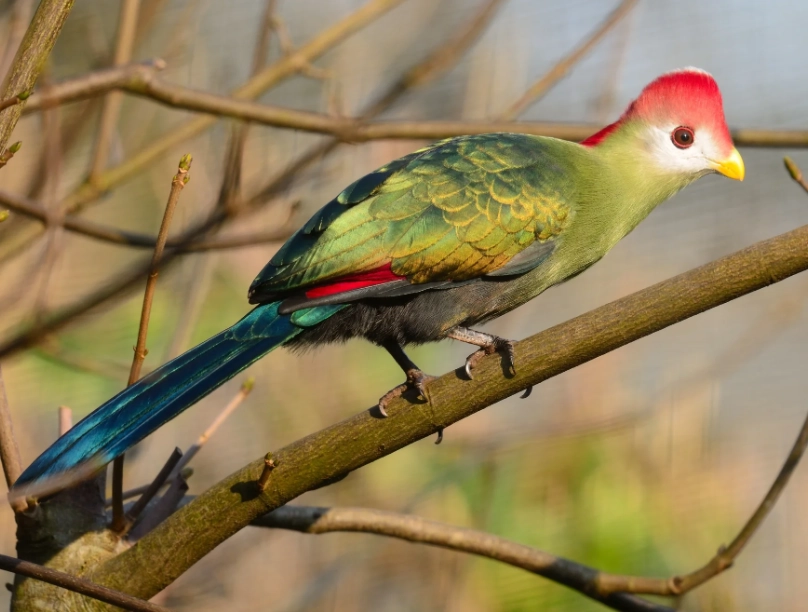
What Can You Do to Help? Actionable Steps
You don't need to be in Angola to make a difference. Your choices have a ripple effect.
- Support Legitimate Conservation Organizations: Donate to or volunteer with groups doing real field work. BirdLife International is a great starting point, as they support partners in Angola. Your money funds rangers, research, and community programs.
- Be a Responsible Bird Enthusiast: If you dream of seeing one, choose tour operators committed to ethical, low-impact birdwatching that benefits local guides and communities. Never encourage or engage with anyone offering "wild-caught" birds for sale.
- Advocate for Sustainable Choices: Be mindful of products linked to tropical deforestation. While the link to Angola might be indirect, supporting sustainable forestry and agriculture reduces global pressure on all forest habitats.
- Spread Awareness, Not Myths: Share accurate information. A common misconception is that captive breeding alone can save species. It's a tool, but without wild habitat, it's a stopgap. The real goal is protecting the forests of Angola.
The biggest mistake I see well-meaning people make? Focusing solely on the bird's beauty. The conversation needs to be about the forest. Saving the turaco means saving its home.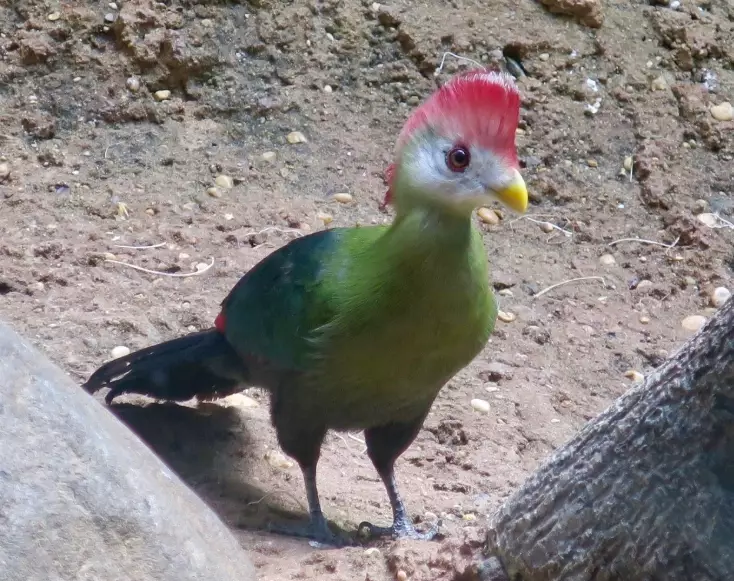
Your Red-Crested Turaco Questions Answered
The red-crested turaco's "Near Threatened" status is a warning, not a death sentence. It tells us we still have time, but the clock is ticking. Its fate is tied to the future of Angola's unique forests. By understanding the threats, supporting real conservation, and making informed choices, we can help ensure that loud, defiant call continues to echo through the African woodlands for generations to come.



Comments
Leave a Comment