Let's cut to the chase. You've seen a picture or a video of a turaco—maybe the vibrant violet of a Ross's Turaco or the striking red crest of a Knysna Turaco—and wondered, "Could I have one of those?" The short, honest answer is probably not. For 99% of people, turacos make terrible pets. They are stunning, fascinating, wild animals with needs that are nearly impossible to meet in a typical home. I've worked with avian specialists and spoken to a handful of dedicated, licensed keepers. What I've learned is that the dream of a tame, colorful "pet" turaco crashes hard against the reality of their biology and behavior.
What You'll Discover in This Guide
The Short Answer: Why Turacos Are Not Pets
Think of turacos not as pets, but as specialized avian athletes. They are arboreal (tree-dwelling) birds from the forests and woodlands of sub-Saharan Africa. Their entire existence is built around flight, foraging in the canopy, and having a huge amount of space. Confining one to a cage—even a large one—for any significant period is fundamentally at odds with their nature. The stress manifests in feather plucking, aggression, and poor health. The idea of a turaco happily perched on your shoulder is, with rare exception, a fantasy. They are observant, often skittish, and their primary bond is to their environment and mate, not to a human.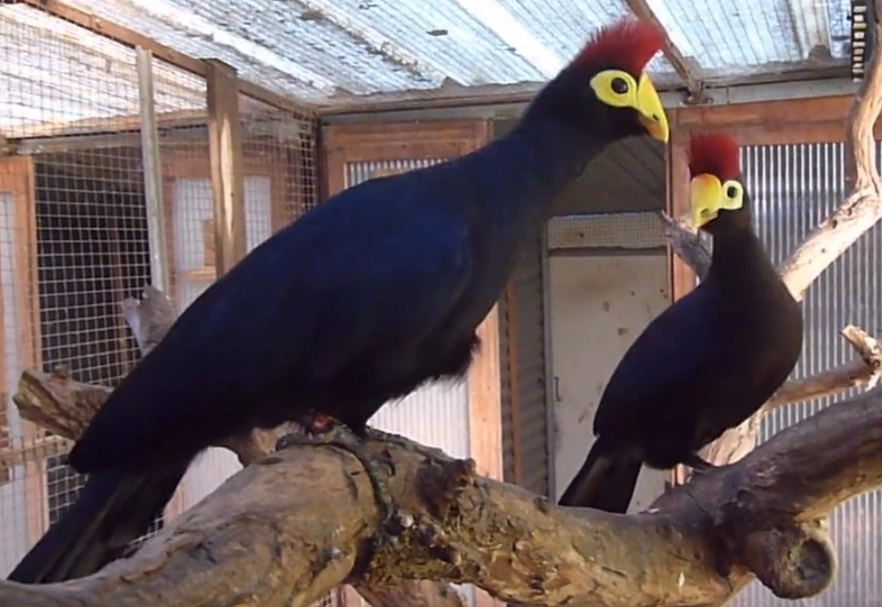
Key Takeaway: The appeal is purely visual. The reality involves a complex, expensive, and ethically fraught commitment that very few are equipped to handle. Most people who successfully keep turacos do so in large, specialized aviaries as part of conservation or breeding programs, not as indoor companions.
The 5 Major Challenges of Keeping a Turaco as a Pet
Let's break down exactly why turaco care is so difficult. This isn't a list of minor inconveniences; these are fundamental barriers.
1. The Specialized, Messy, and Expensive Diet
This is the number one deal-breaker. Turacos are primarily frugivores (fruit-eaters). But we're not talking about a slice of apple a day. They require a huge variety of fresh, high-quality fruits and vegetables, every single day. We're talking figs, papaya, berries, pomegranate, leafy greens, and specialized softbill pellets.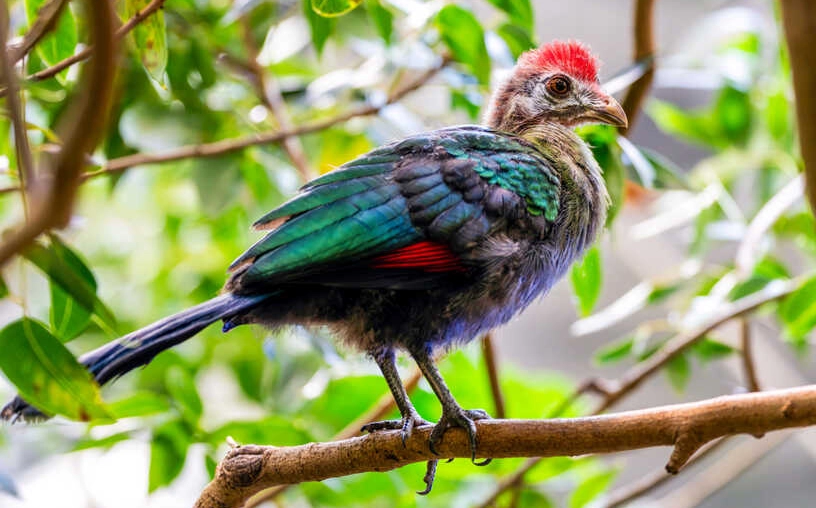
The mess is unbelievable. Their droppings are very liquid due to the high water content in fruit. They flick food. Your walls, floors, and furniture will be perpetually stained. One keeper described cleaning their aviary as a daily power-washing event.
Here’s a rough weekly cost and effort breakdown for a single turaco's diet, based on keeper estimates:
| Diet Component | Weekly Quantity | Approx. Cost (USD) | Key Challenge |
|---|---|---|---|
| Fresh Fruit Mix (Fig, Papaya, Berries, etc.) | 2-3 lbs | $25 - $40 | Sourcing variety year-round; rapid spoilage. |
| Specialized Softbill Pellets | 1/2 lb | $10 - $15 | Must be high-quality, not standard parrot food. |
| Greens & Vegetables | 1 lb | $5 - $10 | Washing and prep time. |
| Live Food (Mealworms, Snails) | Small amounts | $5 | Supplement for protein, especially during molt. |
| Total Weekly Estimate | - | $45 - $70 | Plus 30+ mins daily prep/cleanup. |
2. Space and Housing Needs That Rival a Zoo
A bird cage from the pet store is useless. Turacos need a flight—a long, tall aviary where they can actually fly. The absolute minimum dimensions recommended by experienced keepers start at 12 feet long, 6 feet wide, and 8 feet tall (approx. 3.6m x 1.8m x 2.4m). And that's for one bird. They are social, so ideally you'd have a pair, requiring even more space.
This aviary must be predator-proof, have sheltered areas, natural perches of varying thickness (to keep their feet healthy), and be easy to clean. Building or buying a structure of this size is a major construction project. Forget keeping one in your living room.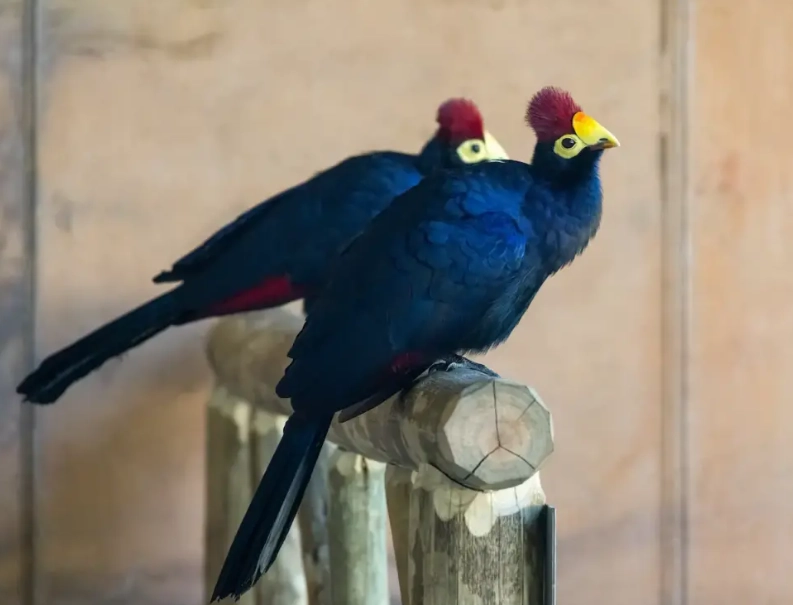
3. Vocalizations: Beautiful but Deafening
Their calls are iconic in African forests—a loud, raucous "kow-kow-kow" or a guttural grunting. It's charming in a documentary. At 6 AM outside your bedroom window, it's a neighborhood nuisance. These are not quiet, melodic songs. They are contact calls designed to carry over long distances. If you have close neighbors, you will receive complaints. Guaranteed.
4. Destructive Behavior and Lack of "Cuddliness"
Turacos have strong beaks for tearing fruit. They will chew. Wooden aviary frames, plants, enrichment items—nothing is safe. They are not "cuddly" birds. They tolerate presence at best. Attempts to force physical interaction will lead to stress bites (which can be painful) and a terrified bird. Their beauty is for viewing, not for handling.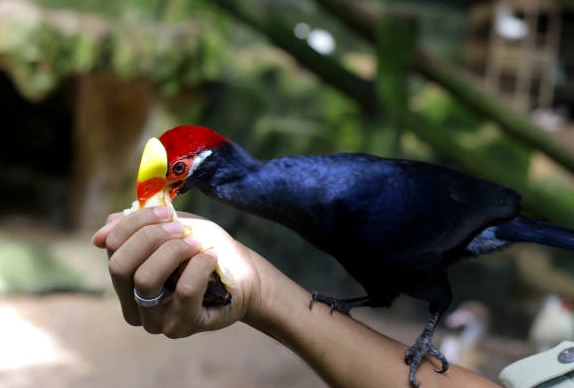
5. Specialized Veterinary Care is Scarce and Costly
Finding an avian vet is hard enough. Finding one with any experience treating turacos is like finding a needle in a haystack. Their physiology differs from parrots and songbirds. In a medical emergency, you may be on your own, relying on a vet's best guess. Routine check-ups and any treatment will be exponentially more expensive due to their exotic status.
The Legal and Ethical Maze of Turaco Ownership
This is where many online discussions stop, but it's critical. Legality varies wildly.
In the United States, some turaco species are listed under the Wild Bird Conservation Act and/or require permits from the U.S. Fish & Wildlife Service. You cannot legally import them for the pet trade. Any available birds are typically captive-bred from existing populations, and you must prove the legal provenance. State and local laws may further prohibit ownership.
Globally, the Convention on International Trade in Endangered Species (CITES) lists some turaco species in its appendices, restricting trade. Always, always verify the exact species and your local regulations. Buying a bird without permits can lead to confiscation and heavy fines.
Ethically, consider the source. Is the bird captive-bred by a reputable breeder focused on conservation? Or was it taken from the wild? The latter contributes to population declines. Many turaco species have decreasing wild populations due to habitat loss, as noted by resources like the IUCN Red List. Removing them for the pet trade adds pressure.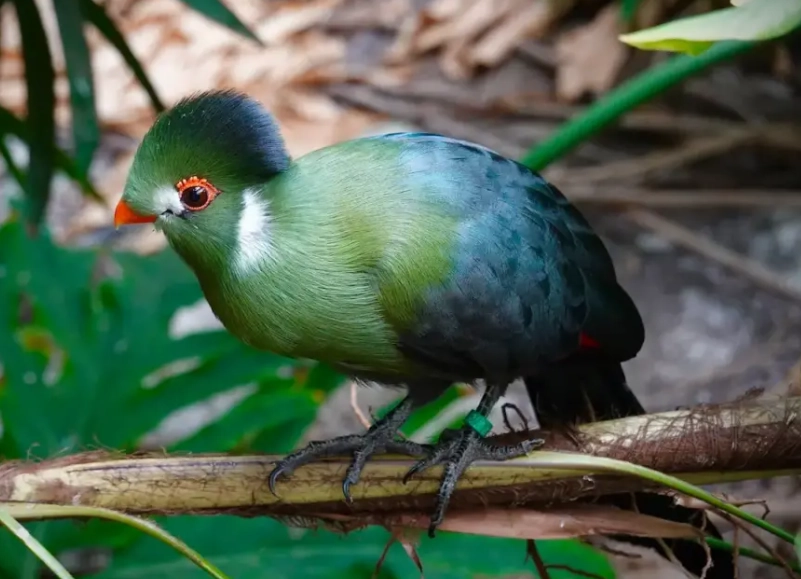
If Not a Turaco, Then What? Realistic Bird Alternatives
If you're drawn to turacos for their color or unique appearance, consider these more suitable pets that can offer similar satisfaction without the impossible hurdles.
For Color and Personality: Look at medium-sized parrots like Eclectus Parrots (males are emerald green, females are stunning red/purple) or Sun Conures (rainbow-colored). They are challenging in their own right—loud, needy, long-lived—but their care is well-documented, vets are more familiar with them, and they can form genuine bonds.
For Unique Foliage-Green Beauty: Pigeons or Doves, like the stunning Green-winged Dove, can be aviary birds with simpler seed-based diets. They are peaceful and their soft cooing is far less intrusive.
The Best Alternative: Support Conservation and Visit Zoos/Aviaries. This is the most ethical and rewarding path. Institutions like the Smithsonian's National Zoo or world-class avian facilities work to conserve turacos and their habitats. You can observe them in beautiful, naturalistic exhibits, learn from experts, and know your visit or donation supports their survival in the wild, not their suffering in an inadequate living room.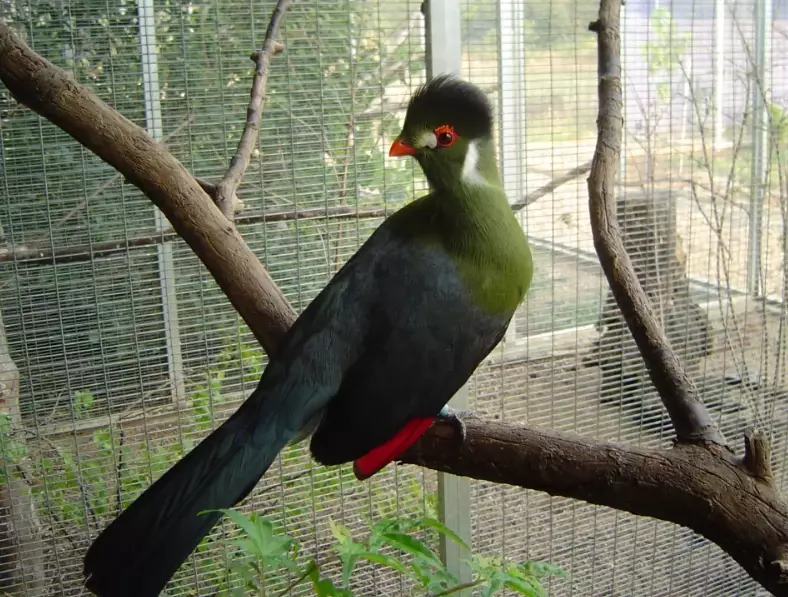
Your Turaco Questions Answered
So, do turacos make good pets? For the vast, vast majority of people, the answer is a resounding no. They are a conservation priority and a wonder of nature, best appreciated in the wild or in professional care where their monumental needs can be truly met. If your love for birds is genuine, channel that energy into supporting species you can properly care for or into protecting the forests these incredible birds call home.
Comments
Leave a Comment