Let's cut to the chase. You've probably searched for "Darwin frog babies in mouth" because you heard a wild fact and thought, "No way, that can't be real." It is real. The Darwin's frog (Rhinoderma darwinii) is a tiny, leaf-mimicking amphibian from the temperate forests of Chile and Argentina, and it has one of the most bizarre and dedicated paternal care strategies in the animal kingdom. The male doesn't just guard the eggs; he swallows them. Well, not quite swallows—he scoops the developing embryos into his large vocal sac, where they complete their metamorphosis from tadpole to tiny froglet before he... well, let's just say they exit through the mouth. It's a mind-bending process called vocal sac brooding or mouth brooding, and it's the ultimate hack for survival in a challenging environment. Having spent years tracking herpetofauna in South America, I can tell you that finding one of these frogs in the wild is a thrill, but understanding the mechanics and stakes of this behavior is what truly captivates.
What's Inside: Your Quick Guide to the Mouth-Brooding Frog
- How Does Mouth Brooding Actually Work? A Step-by-Step Breakdown
- Where and How to Find (and Responsibly Observe) Darwin's Frogs
- Why This Weird Trick Matters: Survival, Evolution, and Conservation
- Frog Parenting Styles: How Darwin's Frog Stacks Up
- A Realistic Plan for Witnessing This Phenomenon
- Your Burning Questions, Answered by Field Experience
How Does Mouth Brooding Actually Work? A Step-by-Step Breakdown
Forget the simplistic idea of a frog just holding babies in its mouth like a pouch. The process is a finely tuned, weeks-long physiological commitment. Here’s what really happens, based on research from sources like the Journal of Herpetology and my own observations alongside Chilean biologists.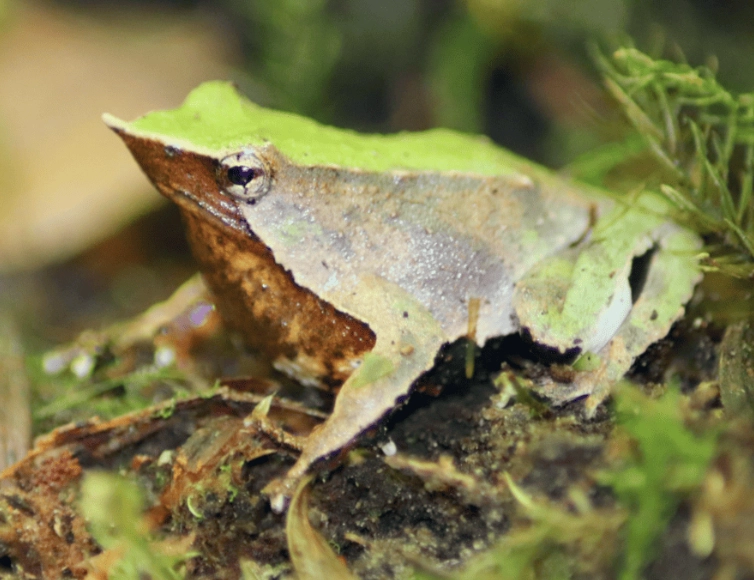
From Egg to Vocal Sac: The Critical Transfer
The female lays a small clutch of about 20-30 eggs in the damp leaf litter. The male fertilizes them and then stands guard. This is where most frog stories end for the dad. Not for Rhinoderma darwinii. When the embryos inside the eggs start to wiggle—just before they would hatch as free-swimming tadpoles—the male leans in. Using his tongue or nuzzling motions, he maneuvers each egg into his mouth. This isn't a quick gulp. It's a deliberate, careful process that can take hours. A common misconception is that he eats them. He doesn't. The eggs are transported into his greatly enlarged vocal sac, a skin pouch connected to his mouth that male frogs typically use to amplify calls.
Life Inside the Sac: A Mobile Nursery
Inside the vocal sac, the eggs hatch. The tadpoles aren't fed by the father—they don't eat. They survive solely on their yolk reserves. The sac provides a stable, humid, and protected environment, safe from predators and desiccation. The male's body might even facilitate gas exchange. For the next 50 to 70 days, he goes about his life with a bulging throat, carrying his developing offspring everywhere. Imagine the energy cost. He can't call for a mate. Foraging might be trickier. His entire existence is dedicated to being a mobile incubator.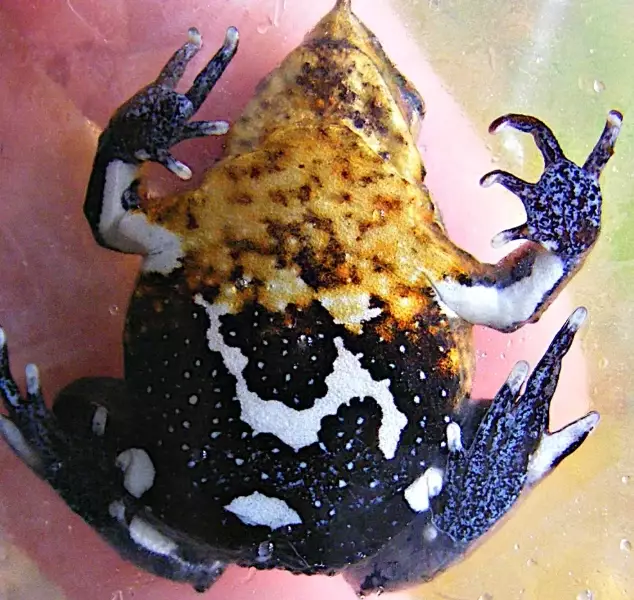
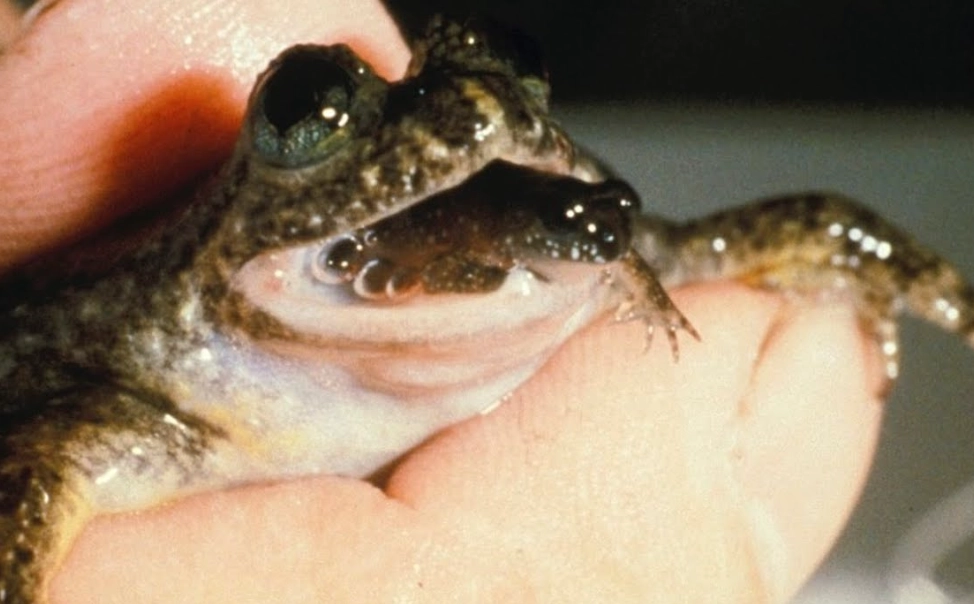
The finale is the part everyone wonders about. When the tadpoles have absorbed their yolk, developed legs, and resorbed their tails, they are fully formed froglets, roughly the size of a housefly. The male then undergoes muscular contractions. He opens his mouth wide, and one by one, the tiny, perfect froglets hop out into the world. They are independent from that moment. It's not vomiting. It's more like a controlled release. I've seen footage where the froglets emerge actively, almost queueing up. The father's job is finally done.
A Quick Reality Check: If you're picturing a frog with a mouthful of wriggling tadpoles like in a cartoon, adjust that image. For most of the brooding period, the vocal sac is closed and the male looks like he has a severe goiter. You only see the "mouth" part clearly during the initial uptake and the final, dramatic release of froglets.
Where and How to Find (and Responsibly Observe) Darwin's Frogs
You won't see this in a zoo easily. These frogs are specialized, sensitive, and endangered. Your best chance is in their native range. They inhabit the cool, humid Valdivian temperate rainforests of southern Chile and adjacent parts of Argentina. Think dense bamboo thickets (Chusquea), moss-covered logs, and a carpet of fallen leaves—the perfect camouflage for a frog that looks like a dead leaf.
Prime Locations:
- Chiloé Island, Chile: A stronghold for the species. National parks like Parque Nacional Chiloé offer protected habitat.
- The Andean foothills near Valdivia, Chile: Private reserves and conservation areas are key spots.
- Nahuel Huapi National Park, Argentina: The Argentine part of their range is more restricted.
How to Look (The Ethical Way):
Forget daytime casual walks. These frogs are cryptic. Your strategy should be focused on night hikes after rains, from late spring to early autumn (October to March in the Southern Hemisphere). Move slowly, scan the ground and low vegetation with a dim headlamp. Look for eye shine. Listen. Their call is a faint, bell-like metallic tinkling. That's often your first clue. The biggest mistake tourists make is turning over every log aggressively. You'll destroy microhabitats. Observe, don't disturb. If you're serious, go with a licensed local guide who knows herpetology. The income supports conservation, and they know precise, sustainable spots.
Why This Weird Trick Matters: Survival, Evolution, and Conservation
Mouth brooding isn't just a cool fact. It's an extreme evolutionary adaptation to a specific problem. The cool, often fluctuating forests aren't full of permanent, predator-free ponds for tadpoles. By moving the aquatic development stage inside his body, the male frog bypasses the most dangerous phase of amphibian life. It's the ultimate in parental investment. But this specialization is also its Achilles' heel.
Darwin's frogs are now Endangered on the IUCN Red List. Habitat loss from deforestation is the primary driver. But there's a subtler threat: the fungal disease chytridiomycosis. This skin disease has devastated amphibian populations worldwide. For a frog that relies on cutaneous respiration and has its offspring in direct contact with its skin inside the sac, a skin infection could be catastrophic for both father and brood. Conservation efforts, like those by the Chilean Herpetological Society, now focus on habitat protection and disease monitoring. When you understand the unique biology, the urgency of conservation hits harder.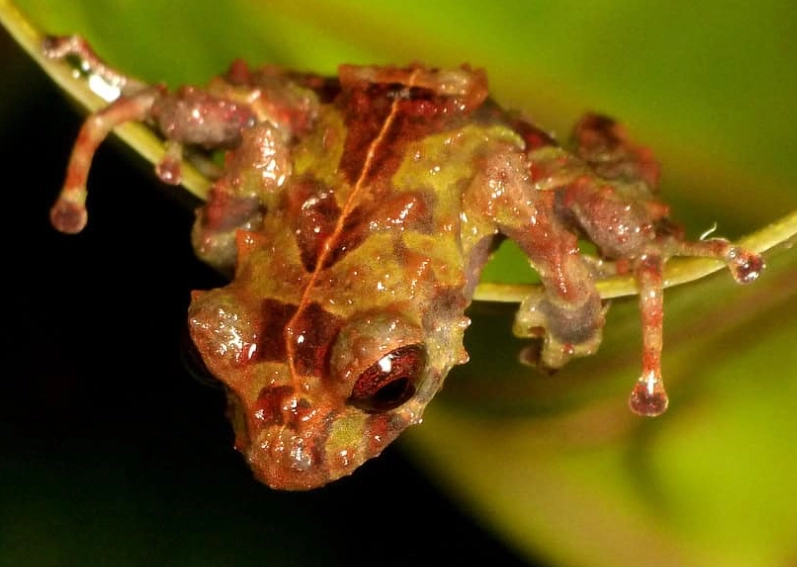
Frog Parenting Styles: How Darwin's Frog Stacks Up
To appreciate the Darwin's frog's strategy, it helps to see it in context. Most frogs practice "lay and leave" parenting. Only a minority provide any care. Here’s how different strategies compare.
| Frog Species | Parental Care Strategy | Who Does It? | Key Advantage | Major Drawback |
|---|---|---|---|---|
| Darwin's Frog (R. darwinii) | Vocal Sac Brooding (Mouth Brooding) | Male | Complete protection from aquatic predators & drought. | Massive energy cost for father; limits his breeding season. |
| Surinam Toad (Pipa pipa) | Back Brooding (Eggs embed in female's back) | Female | Excellent camouflage and protection. | Female carries heavy load; limited mobility. |
| Poison Dart Frogs (e.g., Dendrobates) | Tadpole Transport & Feeding | Male or Female | Can place tadpoles in specific, safe water bodies. | Parent must remember locations and make multiple trips. |
| Gastric-Brooding Frog (Rheobatrachus, extinct) | Stomach Brooding | Female | Extreme protection in digestive system. | Physiologically taxing; likely contributed to extinction. |
| Most Common Frogs (e.g., Bullfrogs) | No Parental Care | None | Low energy cost; can produce many offspring. | Extremely high mortality rate for eggs/tadpoles. |
Looking at this, you see the trade-off. Darwin's frog's method is incredibly secure but demands everything from one parent for a long time. It's a high-risk, high-reward strategy that works only in a stable, undisturbed environment—which is disappearing.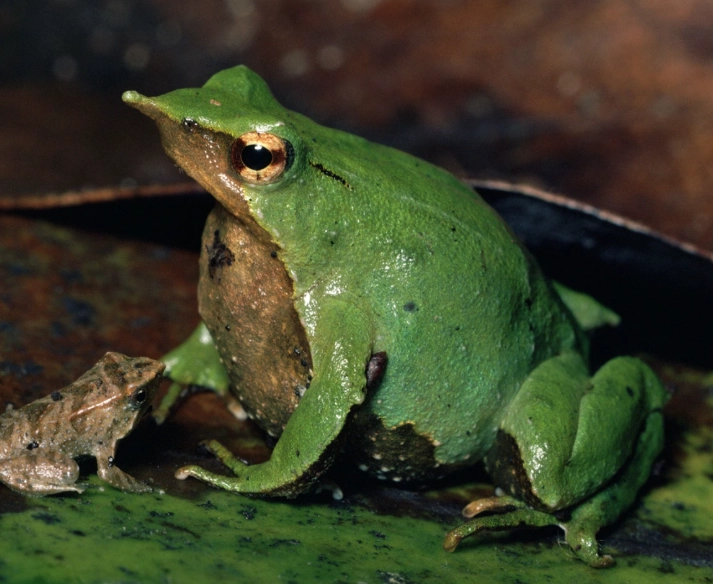
A Realistic Plan for Witnessing This Phenomenon
Let's get practical. You want to see this, or at least increase your odds dramatically. Here’s a hypothetical but realistic 5-day plan for a dedicated naturalist in Chiloé, Chile.
Day 1-2: Acclimatize & Scout. Fly into Puerto Montt, drive to Castro, Chiloé. Settle in. Visit the Museo Regional de Castro to see specimens and talk to staff. Hire a local guide specializing in herpetology TODAY. Evening: Do a reconnaissance walk in a low-impact area like a designated trail in Parque Nacional Chiloé. Don't expect to see frogs; just learn the terrain, listen for calls.
Day 3: Focused Night Expedition. After a day of rain, this is your night. With your guide, head to a pre-identified area of native forest (often on private land with permission). Start at dusk. Move silently. Use headlamps with red filters to minimize disturbance. The goal tonight is to find an adult frog, likely calling. If you find one, observe from a distance. Do not handle. Photograph with a macro lens if you have one.
Day 4: Habitat Understanding. Visit a local conservation project if possible (e.g., a bosque nativo restoration site). Understanding the pressure on the habitat makes any sighting more meaningful. Evening: Try a different location.
Day 5: Early Morning & Departure. Sometimes froglets are released at dawn. A very early, quiet walk might reveal tiny froglets hopping near a brooding male. This is rare luck, but possible.
Budget Realities: A specialized guide costs $80-$150/day. Accommodation in Castro: $50-$100/night. Park fees are minimal. The real cost is time and patience. You might not see the mouth brooding event itself—that's a timing lottery. But seeing the frog in its habitat is a major win.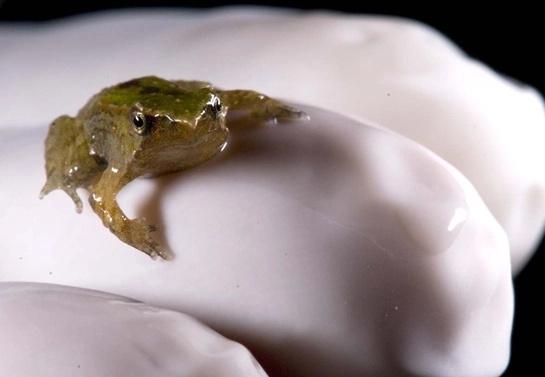


Comments
Leave a Comment