Let's clear something up right away. A "kitty caterpillar" isn't a scientific name. You won't find it in a textbook. It's what people call those incredibly fuzzy, almost teddy-bear-like caterpillars they stumble across in the garden. That thick coat of hair makes them look soft and pet-able, hence the "kitty" part. But here's the first crucial piece of advice from someone who's spent too much time watching these things: look, don't touch. That fluffy exterior is often nature's warning sign, not an invitation.
What's Inside?
- What Exactly Is a "Kitty Caterpillar"?
- How to Identify Common Fluffy Caterpillars
- From Fuzz to Wings: The Kitty Caterpillar Lifecycle
- Are Kitty Caterpillars Poisonous or Dangerous?
- Managing Them in Your Garden (If You Must)
- How to Safely Observe and Appreciate Them
- Your Kitty Caterpillar Questions Answered
What Exactly Is a "Kitty Caterpillar"?
The term is a catch-all. When someone points at a kitty caterpillar, they're usually looking at the larval stage of a moth. Butterflies get all the glory, but moths produce the truly impressive, hairy caterpillars. These bristles, called setae, serve several purposes: camouflage, insulation, and critically, defense. Some of those hairs are hollow and connected to venom glands. They can break off and embed in your skin, causing a nasty, itchy rash that feels like fiberglass insulation. I learned this the hard way as a kid, thinking I'd found the world's coolest living pipe cleaner.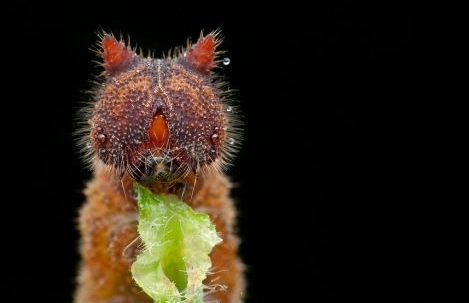
So, the "kitty" you're admiring could be one of dozens of species. The most famous is probably the Pyrrharctia isabella, the banded woolly bear. Folklore says its brown band width predicts winter severity (it doesn't, but it's a fun story). Others include the yellow woolly bear, the salt marsh caterpillar, or the sycamore tussock moth caterpillar. Location and specific markings are your clues.
Key Takeaway: "Kitty caterpillar" is a nickname for various fuzzy moth larvae. Their hair is primarily a defense mechanism, not for cuddling.
How to Identify Common Fluffy Caterpillars
Throwing around Latin names isn't helpful if you can't match them to the creature on your tomato plant. Here’s a more practical breakdown. Look for these three things: color pattern, hair length/type, and location.
| Common Name (The "Kitty") | Key Identifying Features | Potential for Irritation | Commonly Found On/Eating |
|---|---|---|---|
| Banded Woolly Bear | Black on both ends, rusty brown band in the middle. Short, stiff hairs. | Low. Generally safe to observe closely. | Ground level; grasses, clover, dandelion. |
| Yellow Woolly Bear | Pale yellow to white fur, can have darker tufts. Long, dense hair. | Moderate. Hairs can cause mild skin irritation. | A wide variety of plants, including crops. |
| Sycamore Tussock Moth Caterpillar | White "hairdo" with black pencil-like tufts front and back. Distinct. | High. Notable for causing skin reactions. | Sycamore and maple tree leaves. |
| Salt Marsh Caterpillar | Color varies (brown, black, orange). Hairs are long, often matted. | Moderate to High. | Beans, cotton, tomatoes, many vegetables. |
A great resource for nailing down an ID is the BugGuide network, a collaborative site run by entomologists. Take a clear photo from above and the side, note your location, and you'll often get a solid answer.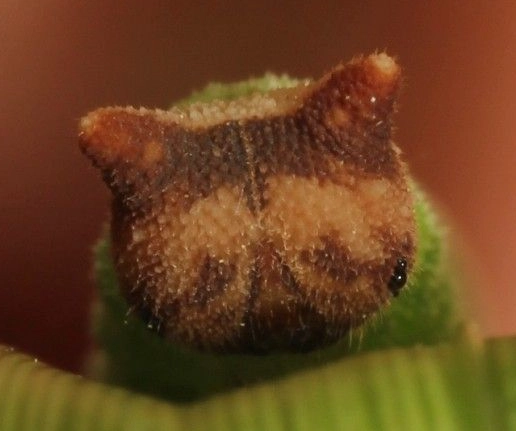
From Fuzz to Wings: The Kitty Caterpillar Lifecycle
That cute fuzzball has one job: eat. It's a non-stop leaf-munching machine designed to store energy for its next act. After several molts, it will find a sheltered spot—under bark, in leaf litter, sometimes even against your house siding—and spin a cocoon. Inside, the magic happens. The caterpillar's body literally dissolves into a soup of cells and reforms as a moth.
The adult moths are often underwhelming. The spectacular, colorful woolly bear transforms into the relatively plain Isabella tiger moth, a yellowish-orange creature with black spots. It's a classic case of the juvenile stage stealing the show. This entire cycle is temperature-dependent. In northern areas, woolly bears famously overwinter as caterpillars, freezing solid and thawing out in spring—a fact far more impressive than any winter prediction myth.
Are Kitty Caterpillars Poisonous or Dangerous?
This is the million-dollar question. The answer isn't a simple yes or no. It's "it depends on the species and your skin's sensitivity."
True venom injection (like a bee sting) is rare. The problem is urticating hairs. These are the defense hairs I mentioned. They act like microscopic, barbed needles. For most people, contact results in a localized red, itchy rash that lasts a few hours to a couple of days. It's uncomfortable, not life-threatening. However, for a small subset of people or if hairs get in the eyes or are inhaled, reactions can be more severe.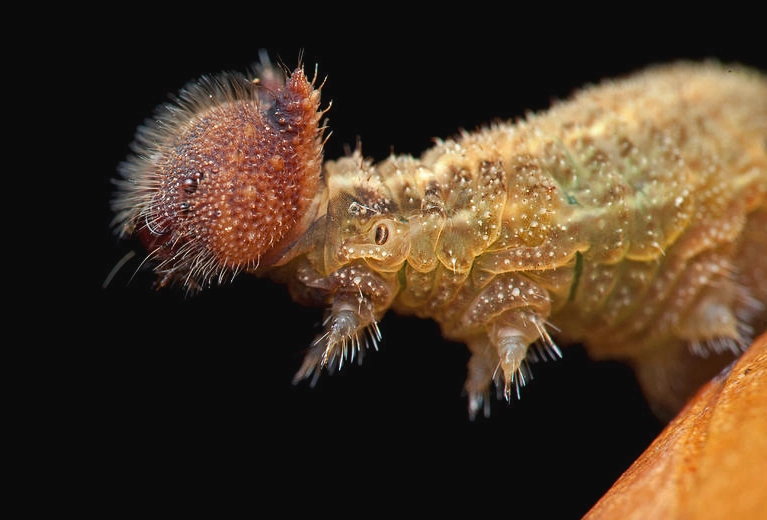
The Big Mistake I See: People assume all short-haired caterpillars are safe and all long-haired ones are dangerous. It's not about length; it's about hair structure. Some short, stiff hairs are just as irritating as long, wispy ones. The rule is universal: if it's hairy, admire it from a distance.
What to Do If You Get "Stung"
Don't rub the area. That pushes hairs in deeper. Use adhesive tape—packing tape, duct tape—to gently dab and lift hairs off the skin. Then wash the area thoroughly with soap and cool water. A baking soda paste or over-the-counter hydrocortisone cream can help with itching. If a severe reaction occurs (difficulty breathing, swelling beyond the contact site), seek medical attention immediately.
Managing Them in Your Garden (If You Must)
Seeing a dozen yellow woolly bears skeletonizing your sunflowers can test any gardener's love of nature. Reaching for chemical spray is the instinct, but it's often overkill and harms beneficial insects.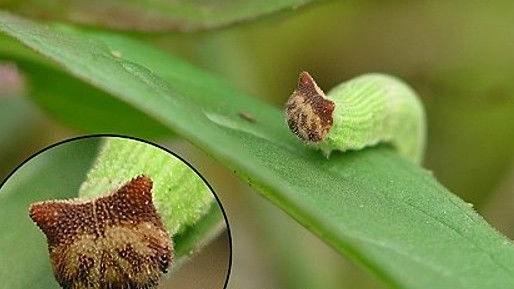
Try this sequence first:
- Handpick (with protection): Wear gardening gloves. Drop caterpillars into a bucket of soapy water. It's immediate and targeted.
- Encourage predators: Birds are fantastic caterpillar controllers. A birdbath or feeder can attract them. Paper wasps also hunt caterpillars to feed their young.
- Use Bt (Bacillus thuringiensis): This is a natural, soil-borne bacteria sold as a liquid spray (like Thuricide). It's non-toxic to people, pets, and bees, but when caterpillars eat leaves treated with it, it fatally disrupts their gut. It's highly effective and specific.
I only consider broad-spectrum insecticides as an absolute last resort for a severe, widespread infestation. You'll kill pollinators and upset your garden's ecosystem balance for years.
How to Safely Observe and Appreciate Them
You don't have to kill or fear them. They're fascinating. The best tool for a kid (or curious adult) is a clear, plastic viewing jar or bug box. Gently guide the caterpillar onto a leaf and place it inside with some fresh host plant leaves. Put a mesh lid on for air. You can watch it eat, move, and maybe even molt. Keep it for a day or two at most, then release it right where you found it.
Photography is another great option. Use your phone's macro mode. Get down to its level. Watch how it uses its true legs (up front) and prolegs (the sticky nubs along its body) to move with surprising grace. That connection—observation without interference—is where the real appreciation grows.

Comments
Leave a Comment