You've scrolled past the picture online, or maybe you've seen one in person at a rare dog show. A dog that doesn't just have long hair, but seems to be made of dozens of thick, rope-like cords, dragging on the ground like a wet mop. It's a sight that sparks immediate curiosity and a ton of questions. What are these breeds? Is that hair real? How on earth do you care for it? And more importantly, could one of these unique, low-shedding dogs be the right pet for you? Let's cut through the novelty and get into the real, often messy, details of owning a canine that doubles as a floor-cleaning appliance.
What's Inside This Guide?
What Makes a Dog Breed Look Like a Mop?
It's not just about being shaggy. A true "mop dog" has a specific coat type called a corded coat. Unlike typical fur that mats into painful clumps, cords are a natural, intentional formation. The soft, woolly undercoat intertwines with the coarser outer guard hairs, forming tight, felt-like ropes over time. This process is called cording. It doesn't happen overnight; it's a managed, gradual development that starts when the dog is a puppy and requires human intervention to guide the cords apart so they don't form one giant, inseparable mat.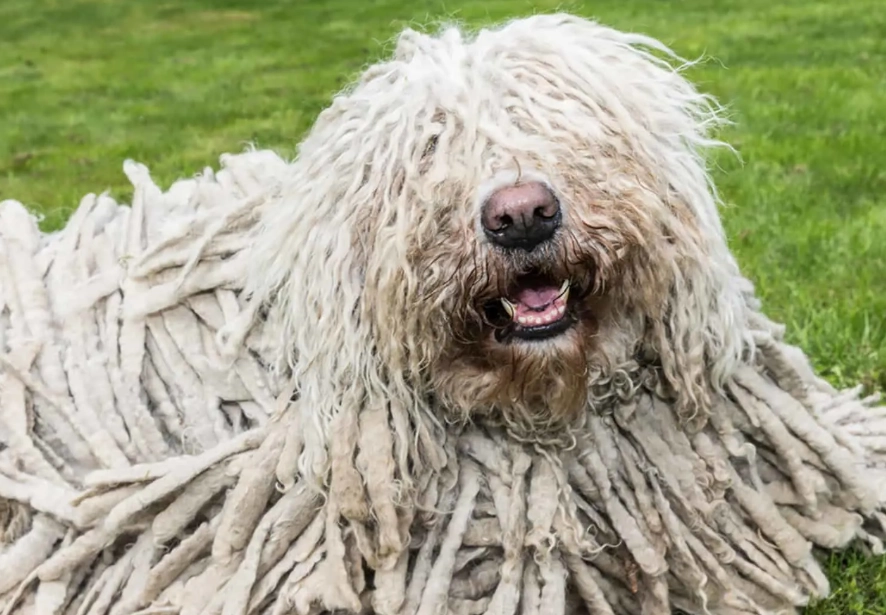
This coat served a practical purpose. For breeds like the Komondor and Puli, working as livestock guardians in Hungary, the cords provided insulation against bitter cold and protection from the teeth of wolves. Think of it as natural, wearable armor. The American Kennel Club (AKC) breed standard for the Komondor explicitly describes the coat as "corded" and "resembling a mop."
The Top 3 "Mop Dog" Breeds Compared
While several dogs are shaggy, only a few truly earn the "mop" moniker. Here’s a breakdown of the main contenders, moving beyond basic stats into what living with them is actually like.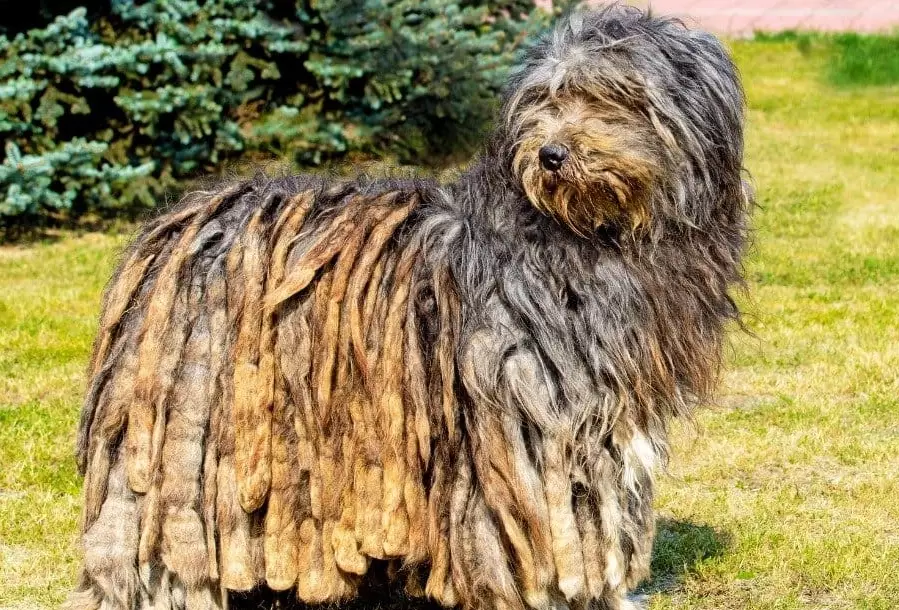
| Breed | Origin & Role | Size & Key Trait | Personality Vibe | The Grooming Reality |
|---|---|---|---|---|
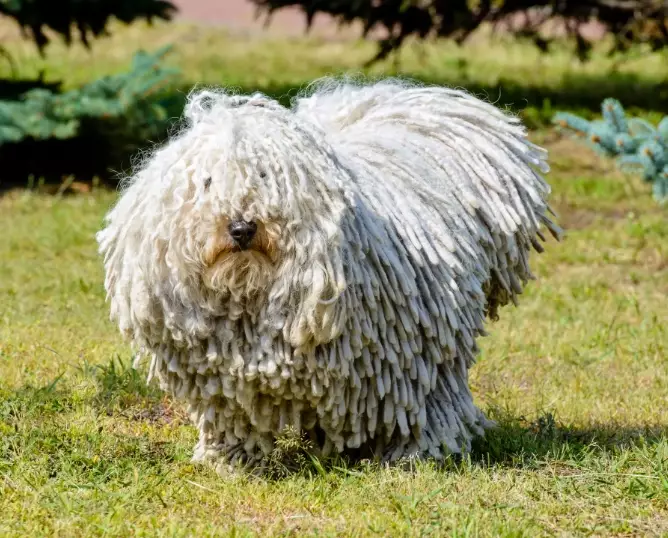
| Komondor | Hungary; Livestock Guardian | Large to Giant (80-100+ lbs). Massive, heavy cords. | Calm, independent, fiercely protective. A serene giant with a strong will. Not a cuddly lapdog. | Most intensive. Cords can reach the ground. Drying after a wash can take over a day. Not for faint-hearted owners. |
| Puli | Hungary; Herding Dog | Medium (25-35 lbs). Dense, springy cords. | Energetic, agile, incredibly smart. A bouncy, problem-solving companion. Can be vocal and needs a job. | High maintenance but more manageable due to size. Cords are often kept in a shorter "bucket" style for pet homes. |
| Bergamasco Shepherd | Italian Alps; Herding Dog | Large (70-85 lbs). Unique flocked or "matted" coat. | Patient, observant, highly intelligent. A gentle, family-oriented thinker. Less aloof than the Komondor. |
I once spoke to a Komondor owner at a show. She told me the biggest mistake people make is thinking the cords are "set and forget." "After a rainy walk," she said, "it's a two-hour session with a high-power dryer and my fingers, separating each cord, or they'll felt together and start to smell. It's like doing laundry for a very patient, hairy refrigerator." That stuck with me.
Beyond the Big Three: Other Shaggy Contenders
Some breeds get lumped into the "mop" category because they're gloriously unkempt, even if they don't cord.
- Old English Sheepdog: The classic shaggy dog. A huge, fluffy cloud of hair that requires daily brushing to prevent mats, but it's a double coat, not cords.
- Havanese (corded variety): A rare sight. Some owners cord the silky hair of this tiny companion breed, creating a dramatic, floor-length look on a 10-pound dog. This is purely cosmetic and a monumental grooming project.
- Spanish Water Dog/Poodle (corded): Their curly coats can be encouraged to cord instead of being clipped. It's a non-traditional but accepted grooming style that offers a similar low-shedding benefit.
How to Care for Your Mop-Like Dog Breed: A Realistic Schedule
Forget everything you know about regular dog grooming. This is textile management.
Weekly Maintenance: This is non-negotiable. You're checking for and separating any cords that are starting to mat together, especially behind the ears, under the legs, and around the rear. You're feeling for debris—twigs, burrs, food. A quick, focused 20-30 minute session prevents a weekend-long disaster.
The Bath (Every 4-8 Weeks): This is an event. You need a deep tub. You must thoroughly wet and saturate every cord, which takes time. You use a diluted shampoo solution, working it into the cords, not just on top. Rinsing is critical—any leftover soap becomes a sticky, smelly problem. Then, the drying. A high-velocity dryer is essential. You'll spend hours systematically blowing out each section of cords. Air drying is not an option; it leads to mildew and skin infections.
The "Puppy Phase" (Up to 2 years): The coat doesn't start corded. You're brushing a soft, wavy puppy coat regularly. As it starts to tangle, you manually separate the tangles into the beginnings of cords. This is where most people give up or make errors, creating uneven cords. Consulting a breeder or a groomer experienced with corded coats is crucial here.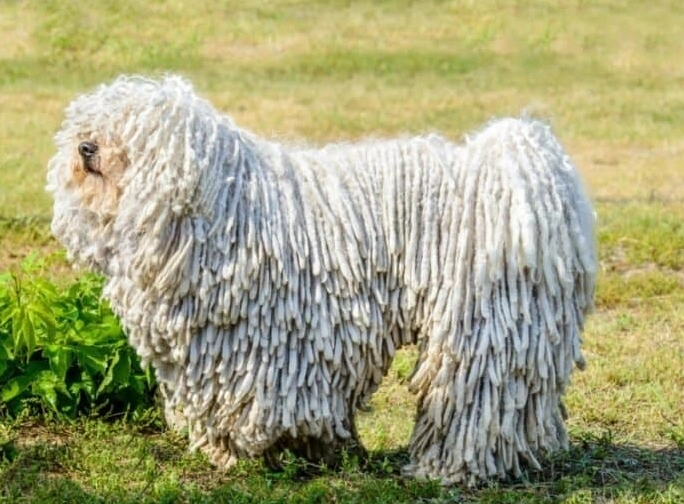
Is a Mop Dog the Right Breed for You? A Brutally Honest Checklist
They're hypoallergenic and don't shed. That's the marketing line. Here's the reality check.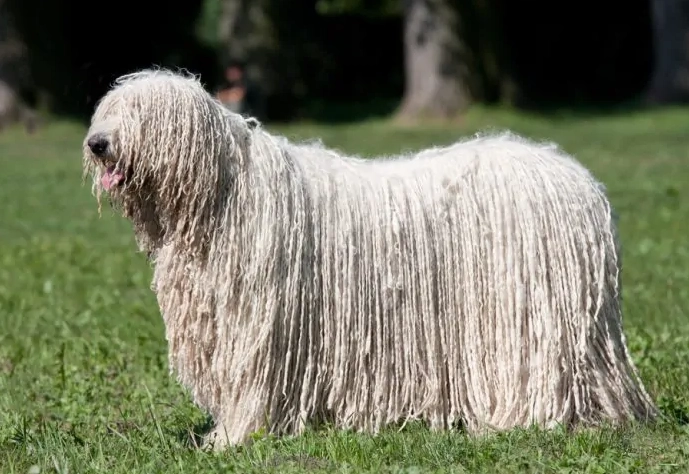
You might be a good fit if:
- You view grooming as a bonding activity, not a chore.
- You have a significant budget for professional grooming help (starting at $150+ per session).
- You live in a climate with low humidity. Humid climates are a nightmare for cord maintenance.
- You want a unique, intelligent dog with a strong personality.
- You have a secure yard and experience with independent (often stubborn) dog breeds.
You should probably look elsewhere if:
- You want a low-maintenance dog.
- You love a "doggy smell." These dogs, when wet, can develop a distinct, often unpleasant odor if not cared for impeccably.
- You have young children who might pull on the cords (it hurts the dog).
- You're not home often. These dogs, especially the working breeds, need companionship and mental stimulation.
- You're looking for a cuddly, velcro dog. The Komondor, in particular, is more of a distant guardian.
Let's be honest. The Instagram appeal is huge. The daily reality involves dirt, dampness, and dedication. I've seen too many of these magnificent dogs end up in rescue because the owner was seduced by the look but defeated by the care.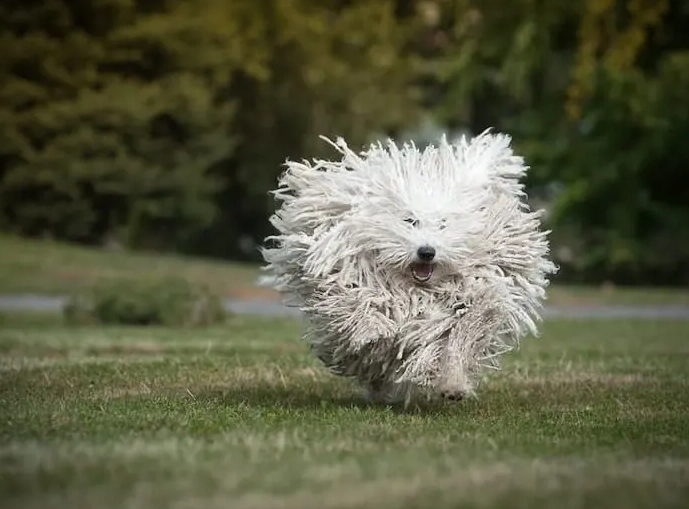
Your Mop Dog Questions, Answered
Owning a dog that looks like a mop is a commitment to a living art project. It's messy, time-consuming, and occasionally frustrating. But for the right person, the reward is a deeply bonded, intelligent, and utterly unforgettable companion who will literally stop traffic everywhere you go. Just make sure you're ready for the work behind the wow factor.

Comments
Leave a Comment