If you typed "lion macaque" into a search bar, you might be picturing one animal. The reality is more fascinating. You're likely curious about two distinct subjects: the critically unique Lion-Tailed Macaque (Macaca silenus), a poster child for rainforest conservation, and the broader, incredibly adaptable group of animals simply called macaques. One is a rare, silver-maned specialist clinging to survival in India's fragmented Western Ghats. The others, like the Rhesus or Japanese macaque, are among the world's most successful and widespread primates. Confusing them is common, but understanding their differences opens a window into evolution, ecology, and the urgent challenges of wildlife survival. Let's cut through the noise and get to what makes each remarkable.
What You'll Discover
Meet the Primates: Lion-Tailed vs. Common Macaques
First, a crucial distinction. The "Lion-Tailed Macaque" is one specific species. "Macaque" refers to a whole genus (Macaca) containing over 20 species. It's like comparing a specific, rare type of wolf to the entire canine family. The lion-tailed macaque stands out visually and ecologically.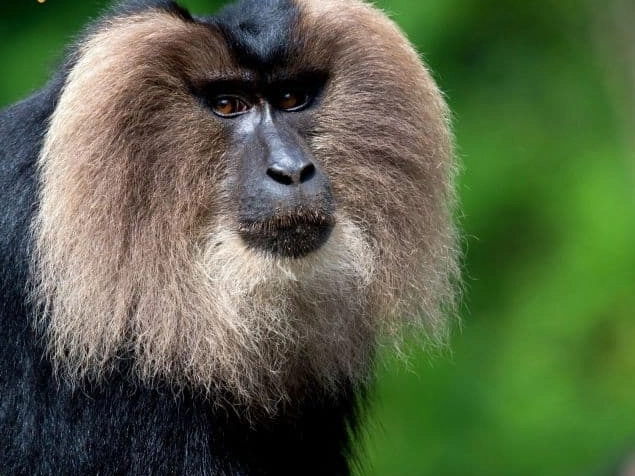
I remember my first trip to the Anamalai Hills, hoping to see one. I spent hours seeing nothing but langurs. Then, a flash of black and silver in the canopy—a small troop moving with a quiet grace I hadn't associated with monkeys. They were nothing like the bold, ground-trotting macaques I'd seen near temples. That moment cemented the difference for me.
| Feature | Lion-Tailed Macaque (Macaca silenus) | Common Macaques (e.g., Rhesus, Long-tailed) |
|---|---|---|
| Primary Habitat | Evergreen tropical rainforests of the Western Ghats, India. Strictly arboreal (tree-dwelling). | Extremely varied: forests, mountains, urban areas, temples. Often terrestrial (ground-dwelling). |
| Conservation Status | Endangered (IUCN Red List). Population ~3,000-4,000 mature individuals. | Most are Least Concern. Some, like the Rhesus, are abundant and considered pests in areas. |
| Distinctive Look | Black body, striking silver-white mane around the head, tail with a lion-like tuft. | Typically brown or grey fur, no mane. Tail length varies (long, short, or stubby). |
| Diet & Foraging | Primarily frugivorous (fruit-eater). Relies on diverse, native rainforest fruits. A picky eater. | Omnivorous opportunists. Eat fruits, seeds, insects, and human food scraps. |
| Social Temperament | Generally shy, quiet, and less aggressive. Troops are smaller and more cohesive. | Often bold, vocal, and can be aggressive, especially in human-dominated landscapes. |
The table shows a story of specialization versus generalization. The lion-tailed macaque is a finely-tuned instrument for a specific, shrinking environment. Common macaques are the Swiss Army knives of the primate world.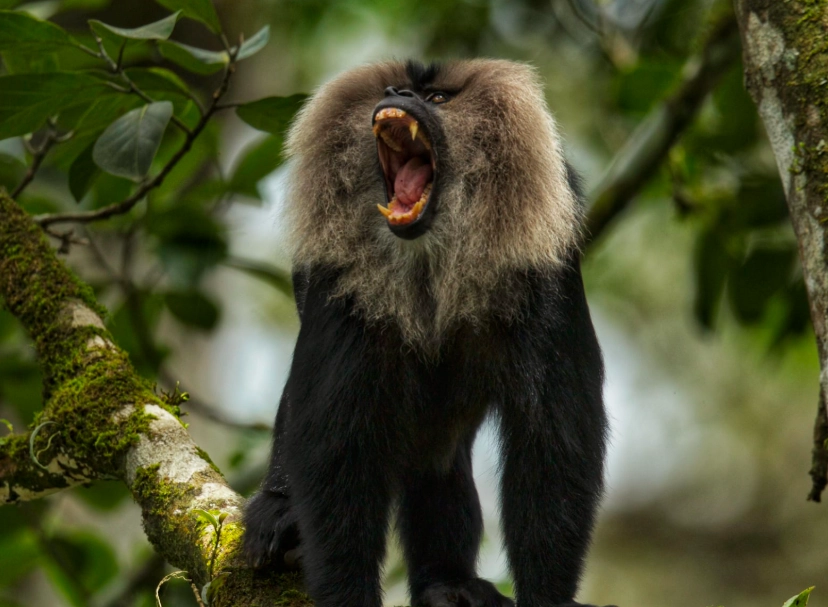
The Lion-Tailed's Kingdom: Ecology and Behavior
This primate is a relic. Its entire existence is tied to the dense, moist, high-canopy rainforests. They're not just living there; they're an integral part of the seed dispersal network for many endemic trees. A study from the Indian Institute of Science highlighted how their feeding habits help maintain forest diversity.
Their behavior is subtle. Troops are matrilineal, led by a dominant male, but female relationships are the social glue. Communication involves soft coos and chirps, not the raucous calls of their cousins. Watching them requires patience—they're often high up, moving deliberately through the canopy in search of ripe Cullenia or Ficus fruits.
Key Habitat: You'll only find wild lion-tailed macaques in the states of Karnataka, Kerala, and Tamil Nadu within the Western Ghats biodiversity hotspot. Key protected areas include Silent Valley National Park, Anamalai Tiger Reserve, and the Kalakkad–Mundanthurai Tiger Reserve.
The Quiet Crisis of Habitat Fragmentation
The biggest threat isn't always poaching. It's silent and incremental: habitat fragmentation. Roads, tea estates, and power lines slice their forests into isolated islands. Troops become marooned, genetic diversity plummets, and a single event like a disease outbreak can wipe out a local population. Conservationists now focus on creating and protecting canopy corridors—bridges of trees that allow troops to move between fragments. It's a race against time and development pressure.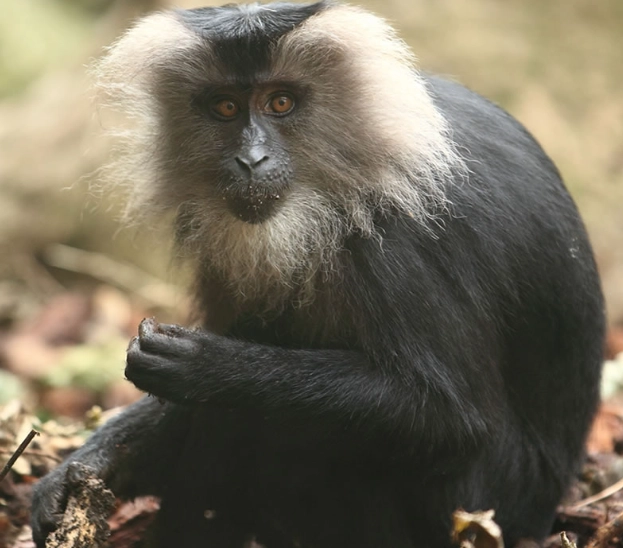
The Macaque Success Story: Adaptation and Conflict
Contrast this with the Rhesus macaque (Macaca mulatta). It thrives from Afghanistan to India, and has been introduced elsewhere. It eats anything, lives almost anywhere, and reproduces quickly. The Japanese macaque (Macaca fuscata) survives snowy winters by soaking in hot springs—a learned cultural behavior.
This success has a dark side: human-wildlife conflict. In urban areas from Delhi to Singapore, macaques raid homes, snatch food, and sometimes bite. The problem is usually our fault—poor waste management and, worse, deliberate feeding. Feeding trains them to associate humans with food, erasing their natural fear and creating aggressive beggars.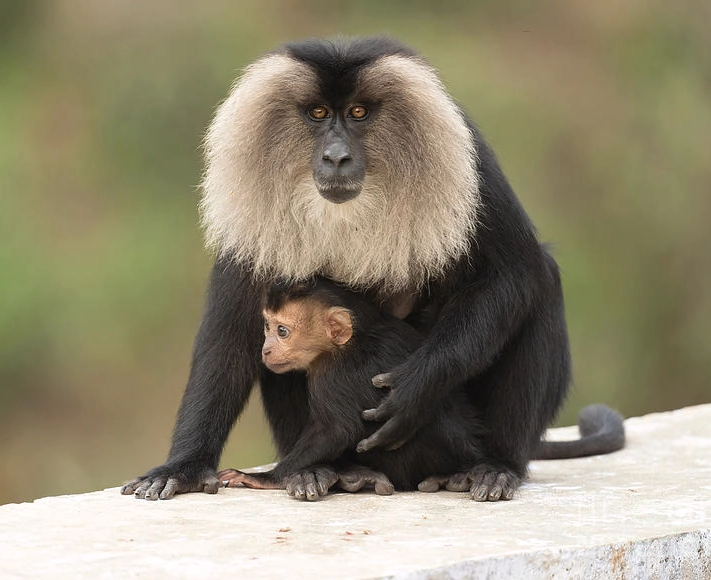
A Common Mistake: Many well-meaning tourists and locals think feeding monkeys is harmless or kind. It's not. For common macaques, it alters behavior, increases dependency, and leads to population booms that strain local ecosystems. For lion-tailed macaques, it could introduce deadly human pathogens to which they have no immunity. Never feed wild primates.
The Conservation Battle: From Critically Endangered to Overabundant
Here lies the ironic conservation challenge. For the lion-tailed macaque, the strategy is intensive protection, habitat restoration, and community-based conservation projects like those monitored by the Wildlife Conservation Society. Every new infant spotted is cause for celebration.
For some common macaque populations, management involves fertility control, sensitive translocation (which is tricky and often ineffective), and massive public education campaigns to stop feeding. The goal is coexistence, not eradication. It's a messy, ongoing negotiation between humans and a supremely adaptable animal.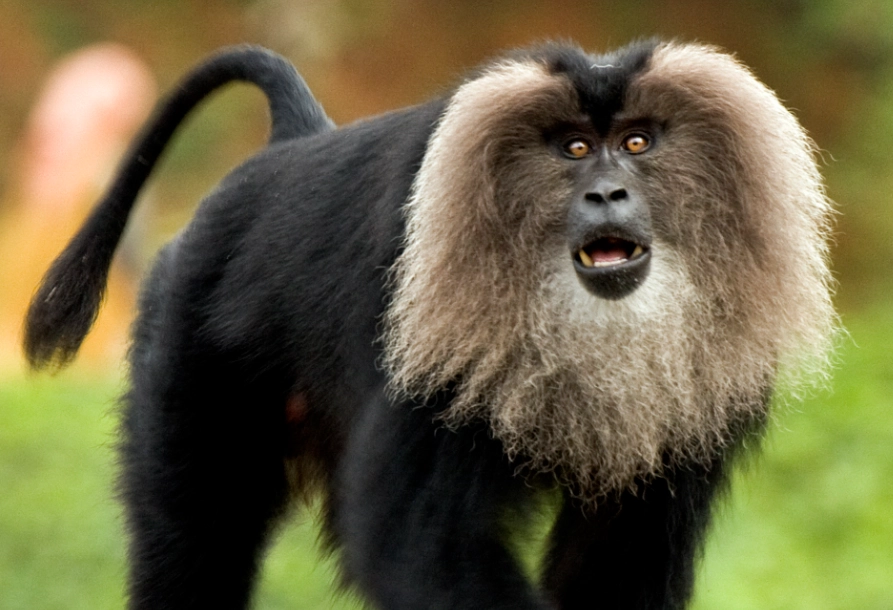
A Guide to Responsible Observation
If you want to see these animals, your approach must differ radically.
To see Lion-Tailed Macaques:
You need to go to their world. Hire a knowledgeable local guide from a reputable eco-tourism outfit. Sites like the Anamalai Tiger Reserve or the privately managed Nature Conservation Foundation sites offer guided walks. The best viewing is often in the early morning. Bring binoculars, wear muted colors, and prepare for quiet, patient waiting. Your reward is a glimpse of a true forest phantom. Don't expect a close-up selfie.
To see (or avoid) Common Macaques:
You'll likely stumble upon them. In natural areas, observe from a distance. In urban settings like Bali's Uluwatu Temple or parts of Jaipur, secure your belongings—bags, sunglasses, food. Do not make eye contact if one approaches aggressively; look down and slowly walk away. Your goal is to be boring and non-threatening.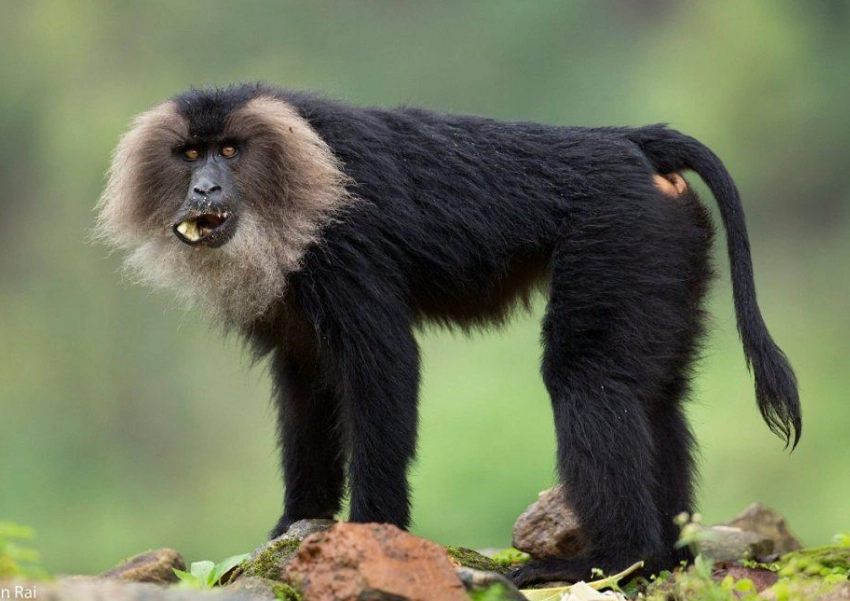
Your Primate Questions Answered
The story of the lion-tailed macaque and its common cousins is a masterclass in evolutionary paths. One represents fragility and the urgent need for targeted preservation. The other represents resilience and the complex task of managing success. Both demand our respect and a nuanced understanding that goes far beyond a simple name search. Whether it's the silent movement through a rainforest canopy or the shrewd gaze of a temple monkey, these primates reflect back the consequences of our own actions on the natural world.



Comments
Leave a Comment