You've probably seen them. On a sunny window sill, a tiny, almost imperceptible movement. A fleck of pepper that seems to have grown wings and taken flight. Most people dismiss it as a gnat, a bit of fluff, or just ignore it altogether. But that, my friend, could very well be one of the world's smallest moths – a member of the family Nepticulidae. We're talking about insects with a wingspan that can be less than 3 millimeters. To put that in perspective, the head of a pin is about 1.5mm wide. These moths are so small they redefine our understanding of the word "tiny." This isn't just trivia; understanding these microlepidoptera opens a door to a hidden layer of the ecosystem, right in your garden or local park.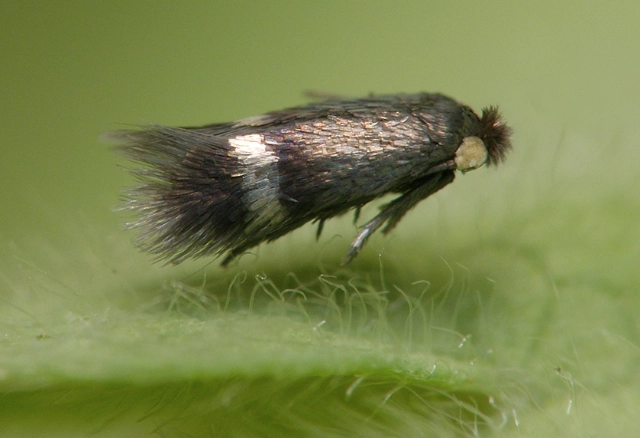
What’s Inside This Guide
What Is the Smallest Moth Species?
The title of "world's smallest moth" is often debated among entomologists, but the top contenders all come from the family Nepticulidae. One strong candidate is Stigmella maya, a species from the southern United States, with a recorded wingspan of just about 1.2 millimeters. Imagine that. It's not just small; it's at the absolute physical limit for a complex, flying insect with wings, eyes, and a digestive system.
Key Point: When we say "smallest," we usually mean the smallest wingspan. Some moth caterpillars can be even tinier, but the adult flying form is what we typically see and measure. The Nepticulidae family is the undisputed home of these record-holders.
Here’s a quick look at some of the tiniest players:
| Species Name | Approx. Wingspan | Where It's Found | Host Plant (What the caterpillar eats) |
|---|---|---|---|
| Stigmella maya | ~1.2 - 1.5 mm | Southern USA (Arizona, Texas) | Unknown, likely a native shrub |
| Enteucha acetosae | ~2.0 - 2.5 mm | Europe, including the UK | Sheep's Sorrel and Dock plants |
| Stigmella microtheriella | ~3.0 - 4.0 mm | Widespread across Europe | Hazel, Hornbeam trees |
Finding precise measurements is tricky. You need a high-powered microscope just to get a clear photo for identification. Most records come from dedicated amateur microlepidopterists who spend hours with their equipment. I remember my first time seeing a confirmed Nepticulid under a lens. I had spent 20 minutes watching a "dust particle" on a leaf, only for it to suddenly vibrate and reveal perfect, fringed wings. It was a humbling moment.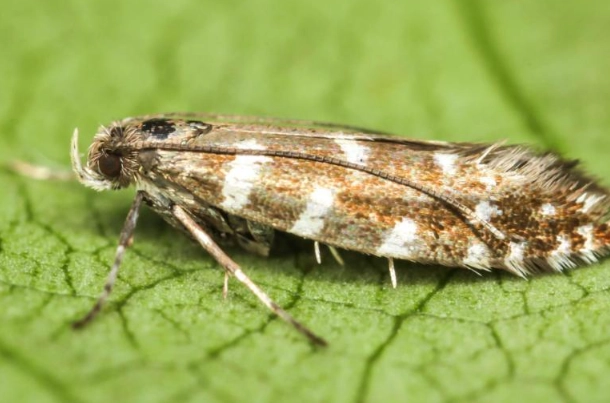
The Hidden Lives of Micro-Moths
Their size isn't the only fascinating thing. Their entire life cycle is adapted to a miniature world. The adult moths live for a very short time, sometimes just a day or two. Their sole purpose is to mate and for the females to lay eggs.
The real action happens in the larval stage. A female Nepticulid moth lays a single egg on a very specific part of a plant – often the underside of a leaf, near a vein. The caterpillar that hatches doesn't munch leaves from the edge. Instead, it burrows inside the leaf tissue, mining a meandering tunnel between the upper and lower surfaces. This creates a visible, serpentine trail called a "leaf mine." This is their signature.
How to Spot a Nepticulid Leaf Mine
You're far more likely to see the damage than the moth itself. Next time you're on a walk, look at leaves, especially of trees like oak, birch, or hawthorn, or even common garden plants like bramble. Look for:
- A thin, winding, white or brown line on a leaf.
- The line starts very fine and gets wider as the caterpillar grows.
- Often, you'll see a small, dark dot of frass (caterpillar poop) inside the line.
Each Nepticulid species mines a specific plant in a specific pattern. The UK's Stigmella aurella creates a stunning, contorted golden-blotch mine on bramble leaves. It's more common than you think – once you know what to look for, you'll see these mines everywhere.
How to Find and Identify the Smallest Moths
You don't need a PhD to start looking. You need patience and a shift in perspective. Forget sweeping nets for big, colorful butterflies. This is a game of stillness and detail.
The best tool is a simple 10x hand lens. A jeweler's loupe works too. Go out on a calm, sunny morning and find a patch of their host plants. Sit down. Look closely at leaves, stems, and even the bark. You're looking for any movement that seems too coordinated for dust.
Another method is "sugaring." This old-school technique involves painting a sticky, sweet mixture (like molasses and brown beer) on tree trunks at dusk. Night-flying moths come to feed, and you might attract some micro-moths too. Check the spots early the next morning with your lens.
For identification, a standard butterfly field guide is useless. You need resources like the UK Moths website, which has a dedicated micro-moth section, or specialized books like "Field Guide to the Micro-moths of Great Britain and Ireland." In the US, regional resources from university extension services or the BugGuide network are invaluable. The key is to note the host plant and take an extreme close-up photo if you can.
Common Mistakes and Misconceptions
Here's where a bit of experience saves a lot of frustration. A common mistake beginners make is assuming all tiny, fast-flying insects are gnats or thrips. Nepticulids have a distinct, fluttering flight close to surfaces, unlike the more direct, zipping flight of many flies.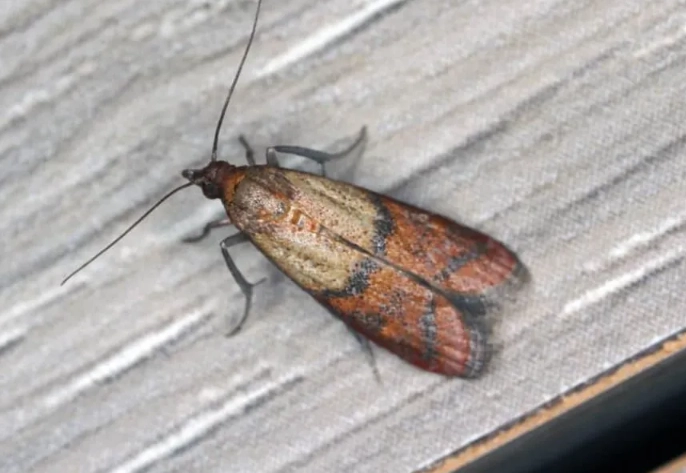
The bigger misconception is that they're "pests." Because they mine leaves, people assume they harm plants. In almost all cases, the damage is purely cosmetic. A healthy tree can host thousands of leaf mines without any impact on its vigor. These moths are a native part of the food web. Their caterpillons are food for birds, parasitic wasps, and other insects. Eradicating them is not only impossible but ecologically misguided.
Another subtle error is in preservation. If you're lucky enough to find one deceased, the instinct is to put it in a small vial. Bad idea. Their delicate scales and fringes will stick to the sides and be destroyed. The professional method is to mount them on a tiny, triangular point of card, but for amateurs, a small, clean plastic container with a soft tissue is better than a vial.
Why These Tiny Moths Matter
Beyond the sheer wonder of their existence, Nepticulidae are critical bioindicators. Their extreme host-plant specificity makes them excellent markers for habitat health. If a particular oak wood hosts a diverse population of oak-feeding Nepticulids, it's a sign of a stable, mature ecosystem. If those moths disappear, it's an early warning sign of environmental stress long before larger animals are affected.
Studying them also pushes the boundaries of entomology. How do their muscles work at that scale? How do they navigate? They represent an evolutionary extreme. Conserving them means conserving the complex, often invisible, relationships that make an ecosystem function. Ignoring them because they're small is like ignoring the foundation of a building because it's underground.
Your Questions Answered
Watch the antennae and the wings at rest. Gnats (flies) have short, stubby antennae and often hold their wings flat or slightly angled over their backs. Micro-moths, even the tiniest, have longer, thread-like or slightly feathery antennae. When they land, they typically fold their wings tent-like over their bodies or hold them flat but in a more triangular shape. The flight is also a clue: moths tend to have a more erratic, fluttering pattern compared to the smoother, faster dart of a fly.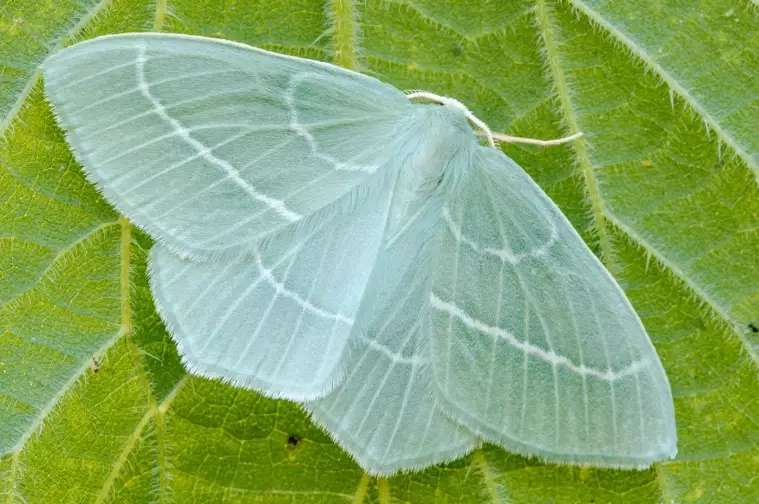
It's highly unlikely to be meaningful damage. The leaf mines look unsightly, but they remove a minuscule amount of photosynthetic tissue. Think of it as a papercut on a person. A plant under severe drought or nutrient stress might show more effect, but the moths are rarely the primary problem. They're a symptom, not the cause. Reaching for an insecticide is overkill, harms pollinators, and won't work well against an insect living inside the leaf. Tolerating a few squiggly lines is the best approach for a healthy garden ecosystem.
Don't start with the moth. Start with the mine. Pick a common tree in your yard, like an oak or a birch. Search online for "oak leaf mine identification" along with your region (e.g., "Eastern US"). You'll find guides with pictures of the different mine patterns. Find a mine on your tree, match the pattern, and you've identified the caterpillar inside. Then, look up what the adult of that species looks like. This reverse-engineering is far more successful than trying to chase and net a 2mm insect. It also teaches you the vital link between the insect and its food plant.
Absolutely, and they're desperate for more eyes. In North America, platforms like iNaturalist have projects tracking leaf miners and microlepidoptera. In the UK, the British Leafminers group is very active. Your observations, even just photos of leaf mines with location and plant data, are incredibly valuable. Scientists use this crowd-sourced data to track species distributions and responses to climate change. Your backyard observations can become part of real scientific research.



Comments
Leave a Comment