Let's cut to the chase. If you've seen an Akhal-Teke, you haven't forgotten it. That metallic sheen, like liquid gold or polished steel over a lean, elegant frame – it's not a Photoshop trick. It's a living, breathing relic from the deserts of Central Asia, and owning one is nothing like owning your average Quarter Horse. I've spent years around various breeds, and the Teke still makes me stop and stare. They're often called the 'golden horses', but that glamour comes with a very specific, and often misunderstood, set of realities.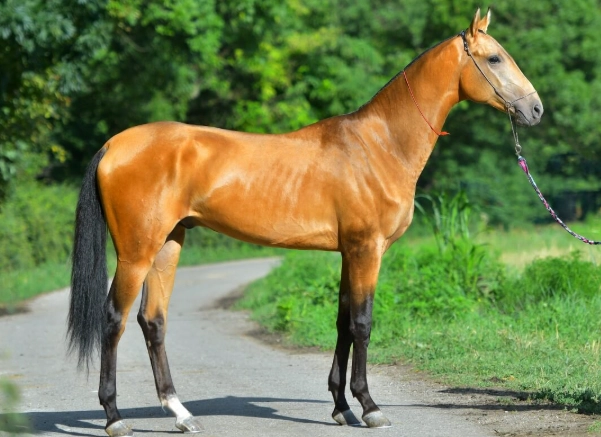
What's Inside This Guide
Where Did These 'Golden Horses' Come From?
Forget medieval Europe. The Akhal-Teke's story starts over 3,000 years ago in the Karakum Desert of what is now Turkmenistan. This isn't a breed developed for plowing fields or pulling carriages. It was forged for survival and speed in one of the harshest environments on earth.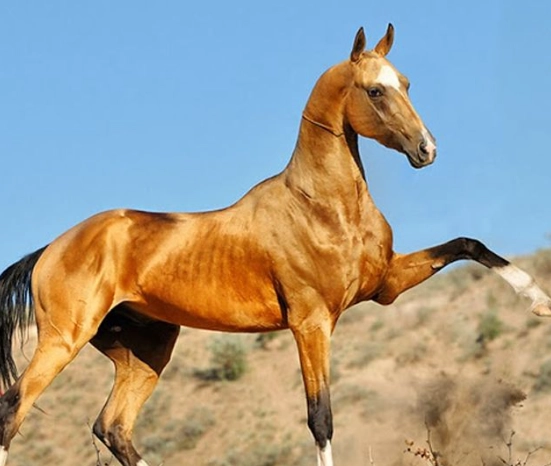
The nomadic tribesmen who bred them needed a horse that could travel vast distances with little water, withstand blistering heat and freezing nights, and still have the spirit for a raid. They weren't just pets; they were partners in survival. The breed's name comes from the Akhal oasis and the Teke tribe that cherished them.
Here's a piece of history most articles gloss over: their near-extinction. In the 20th century, Soviet agricultural policies almost wiped them out. The focus was on heavier, bulkier horses for farming and cavalry. The delicate desert athlete didn't fit the plan. It was a handful of dedicated breeders, often working in secret, who preserved the bloodlines. When you look at an Akhal-Teke today, you're looking at a genetic survivor.
What Makes an Akhal-Teke So Different?
It's more than just a shiny coat. Their entire physiology is a masterclass in desert adaptation.
The Famous Metallic Coat
The shimmer isn't grease or a special shampoo. It's structural. The hair shaft of an Akhal-Teke is partially translucent and lacks a typical opaque core. It acts like a fiber-optic strand, bending light along its length and creating that otherworldly glow. This coat is also incredibly fine and thin, which helped with heat dissipation in the desert. Buckskin and palomino Tekes show it most dramatically, but even bays and greys have a distinct satin sheen.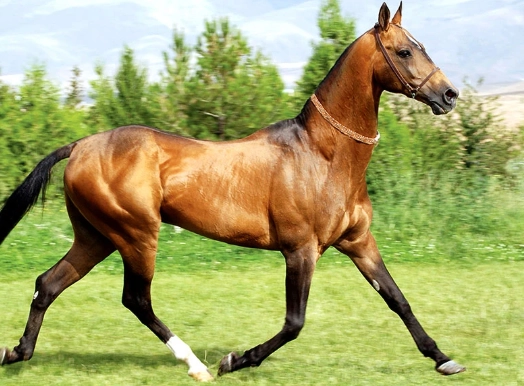
Built for Endurance, Not Bulk
People used to heavier breeds sometimes mistake them for being underweight. They're not. They're refined. They have a distinctive, sloping shoulder and a long back that allows for a ground-covering stride. Their ribs are often more flat than round, another desert adaptation. They're the marathon runners of the horse world – all lean muscle and efficient movement.
Let's put it in a table, comparing them to a more common breed:
| Trait | Akhal-Teke | Typical Thoroughbred (for comparison) |
|---|---|---|
| Build | Extremely lean, refined, 'greyhound-like' | Athletic but more substantial bone |
| Coat | Fine, thin, often metallic sheen | Standard coat texture |
| Temperature Tolerance | Exceptional in heat, can struggle in wet cold | Good all-rounder |
| Primary Historical Use | Desert travel, endurance, raiding | Racing, sport |
| Typical Demeanor | Sensitive, deeply bonded to one person, aloof with strangers | Energetic, can be high-strung |
Their personality is a big one. They're famously one-person horses. They form a deep, almost dog-like bond with their primary handler but can be indifferent or wary of others. This isn't malice; it's a centuries-old instinct for trusting a small circle. It means they're terrible candidates for a busy lesson barn but can be unshakably loyal companions.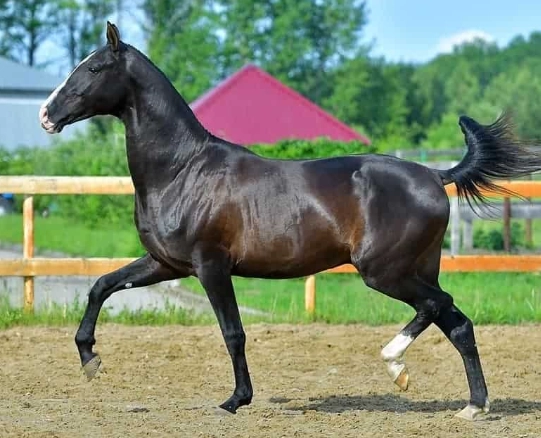
How Do You Actually Care for an Akhal-Teke?
This is where fantasy meets reality. That delicate desert constitution needs mindful management, especially if you don't live in Arizona.
Diet and Nutrition: Less is Often More
The biggest mistake I see? Overfeeding. Their metabolism is tuned for sparse grazing. A rich diet of high-protein alfalfa and sugary grains will make them hot, anxious, and can lead to health issues like tying-up. They thrive on good-quality grass hay, a balanced vitamin/mineral supplement, and maybe a small amount of a low-sugar, high-fat feed like beet pulp or rice bran if they need conditioning.
Exercise and Shelter
They need to move. A Teke stuck in a small stall 23 hours a day is a miserable Teke. They are athletes. Long, slow distance work builds their stamina and keeps them mentally balanced. But that thin coat is a liability in wet, cold climates. A well-fitting, waterproof turnout blanket is non-negotiable in winter rain. They also sunburn easily, so a fly sheet with UV protection is a summer must in sunny regions.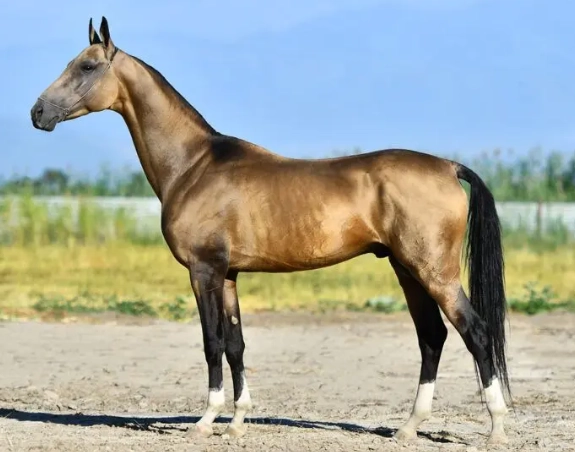
Grooming and Health
Forget harsh brushes. You'll damage that unique coat. Use soft curry combs and grooming mitts. Their skin can be sensitive, so choose gentle, hypoallergenic products. They are generally healthy but can be prone to certain genetic conditions. A responsible breeder will test for things like Naked Foal Syndrome. Always ask for health test results.
- Daily Check: Feet (they often have hard, strong hooves but still need regular care), weight, and skin for any signs of irritation or sunburn.
- Vet Partnership: Find a vet who understands the breed's peculiarities, especially regarding anesthesia sensitivity (a known trait).
Thinking of Buying One? Read This First.
Let's talk numbers and reality. An Akhal-Teke is a major commitment.
First, the price. From a reputable breeder in North America or Europe, expect to pay $15,000 to $50,000+ for a weanling or young horse. Proven sport horses or breeding stock go higher. Why? Scarcity. There are only about 6,500 purebred Akhal-Tekes in the world. Compare that to over 3 million Quarter Horses.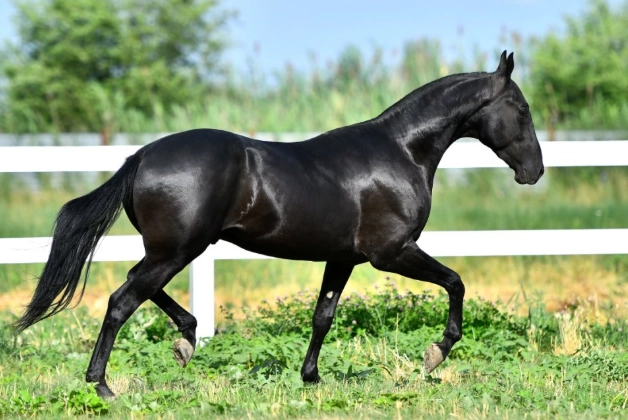
Finding a breeder is an exercise in patience. Don't just Google. Contact the International Association of Akhal-Teke Breeders or the breed registry in your country. Visit in person. Ask to see their breeding philosophy, health testing protocols, and how they socialize foals. A good breeder will interview you as thoroughly as you interview them.
Ongoing costs are similar to any horse (board, farrier, vet), but add premium for that specialized diet, better-quality blankets, and potentially higher insurance premiums due to their value.
Are they good for beginners? Almost never. Their sensitivity and need for a consistent, confident leader make them better suited for an experienced horseman who values a deep partnership over a placid, forgiving mount.
Clearing Up the Biggest Misconceptions
Myth 1: They are all crazy or neurotic. Not true. They are sensitive and intelligent. If you're inconsistent or harsh, they will shut down or react. With clear, calm leadership, they are incredibly willing.
Myth 2: The shiny coat means they're unhealthy or have skin problems. This is just their normal hair structure. A healthy Teke coat is sleek and shiny, not dry or flaky.
Myth 3: They are too fragile for serious sport. Tell that to the Tekes competing in endurance racing, dressage, and show jumping at international levels. Their endurance is legendary. They lack the raw power of a Warmblood for top-tier jumping but excel where stamina and heart are key.
Your Questions, Answered by Experience
The Akhal-Teke isn't for everyone. They demand specific care, understanding, and a certain kind of horsemanship. But for those who connect with them, they offer something rare in the modern horse world: a direct link to an ancient past, and a partnership built on something deeper than obedience. They're a reminder that horses are more than tools for sport; they are conscious, sensitive beings shaped by a thousand generations of history.


Comments
Leave a Comment