You're reeling in a fish, and as it breaks the surface, you see it—a mouth full of unmistakable, protruding buck teeth. It's not a cartoon. It's real. Fish with buck teeth exist, and they're more common and fascinating than you might think. Forget the generic "fish with teeth" search. We're talking about specific adaptations that look eerily human, designed for crushing, shearing, and surviving. This isn't just a curiosity; for anglers and aquarists, understanding these fish is a matter of safety and respect. Let's get straight into what makes these aquatic oddballs tick.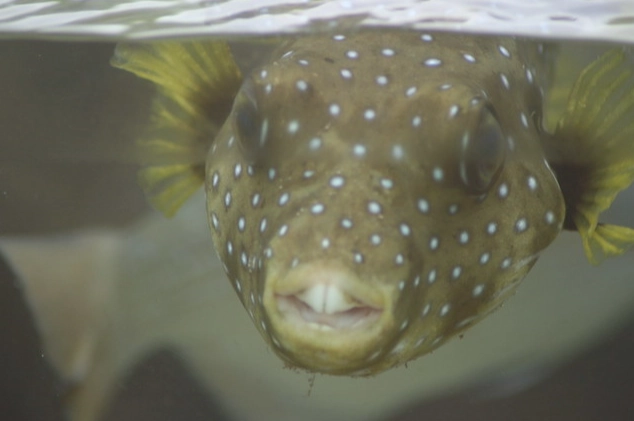
What's Inside This Guide
What Exactly Are 'Buck Teeth' in Fish?
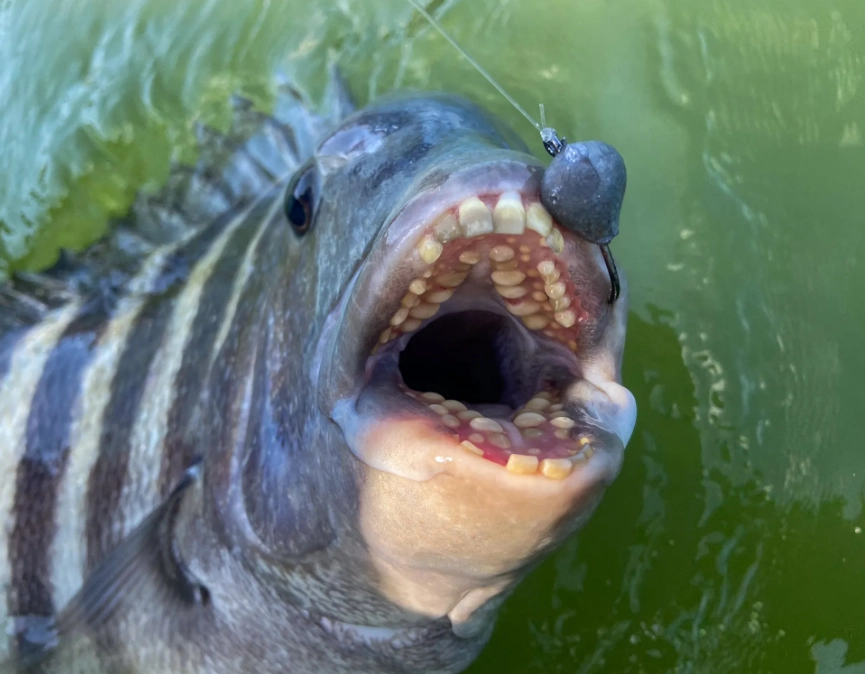
When we say "buck teeth" in fish, we're not being poetic. We're describing a specific dental arrangement: incisor-like teeth at the front of the mouth that are prominent, often squared-off, and project forward. Unlike the needle-sharp fangs of a pike or the conical teeth of a bass, buck teeth are built for force, not puncture.
Their primary function? Processing tough food. Think of them as nature's nutcrackers, shell crackers, and vegetation shredders.
I learned this the hard way years ago, fishing for sheepshead in the Chesapeake Bay. I watched a seasoned local crush a blue crab with pliers and use it as bait. "They got teeth like a groundhog," he said, grinning. When I finally hooked one and saw those unmistakable chompers up close, I understood. It wasn't just a fish; it was a specialized feeding machine.
Top 3 Fish Species Famous for Their Buck Teeth
Let's meet the celebrities of the bucktooth world. This table breaks down the main contenders you're likely to encounter or search for.
| Species & (Nickname) | Habitat | Tooth Function | Key Fact & Caution |
|---|---|---|---|
| Pacu (Vegetarian Piranha) | Amazon Basin, introduced elsewhere | Crushing nuts, seeds, fruit | Teeth uncannily resemble human molars. Powerful bite can crush fingers. |
| Sheepshead (Convict Fish) | Atlantic & Gulf Coasts of North America | Prying/crushing barnacles, oysters, crabs | Has several rows of stubby, multi-purpose teeth. A notorious bait-stealer. |
| Barracuda (Tiger of the Sea) | Tropical & subtropical oceans worldwide | Shearing flesh, ambush predation | Long, fang-like teeth interlock. Extremely fast and curious, can be dangerous. |
The table gives you the snapshot, but the stories are in the details.
The Pacu: The Amazonian Nutcracker
The red-bellied pacu is the poster child for this group. A relative of the piranha, it traded razor blades for grinding stones. Their teeth are flat, broad, and eerily human-like. In their native Amazon, they follow the fruiting cycles of trees, waiting for nuts like those from the Hevea tree to fall into the water. Their jaws generate immense force.
Here's the expert mistake few talk about: people see "vegetarian" and drop their guard. I've spoken to aquaculture researchers who've seen pacu crack open Brazil nuts with ease. An accidental finger in the wrong place means a guaranteed trip to the hospital for a crush injury, not a clean cut. They are not pets for the casual hobbyist.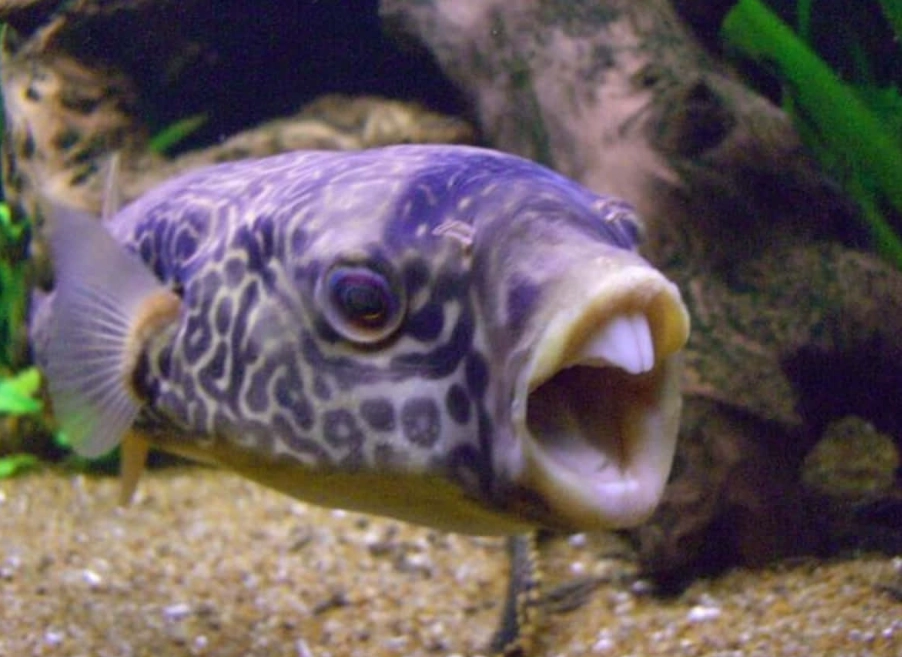
The Sheepshead: The Pilings' Dentist
Find a brackish water dock, jetty, or oyster bed along the Eastern US seaboard, and you'll find sheepshead. Their teeth aren't just in front; they have full sets of molars in the back too. They use their frontal incisors to pry shellfish off structures, then shift the meal back to the molars to pulverize it.
Angling for them is a lesson in patience. You need a light touch to detect their sneaky bites on fiddler crab or shrimp bait. Set the hook too hard, and you'll pull the bait right out of their tough mouths.
The Barracuda: The Speed Demon
Okay, barracuda teeth are more fang-like than classic "buck teeth," but their prominent, interlocking choppers are impossible to ignore. They're built for speed and slicing. A great barracuda can hit 35 mph in a burst. Their curiosity is legendary—they'll often follow divers or snorkelers, attracted by shiny objects.
The non-consensus view? Most attacks aren't about hunger; they're about mistaken identity. A flashing hand, a glittering knife, or a speared fish can trigger a lightning-fast investigative strike. The wound is typically a single, clean, but very deep slash. The risk of infection is high.
Where and How to Safely Observe Bucktooth Fish
You don't need to go on an expedition to see these fish. Here’s a practical, location-based guide.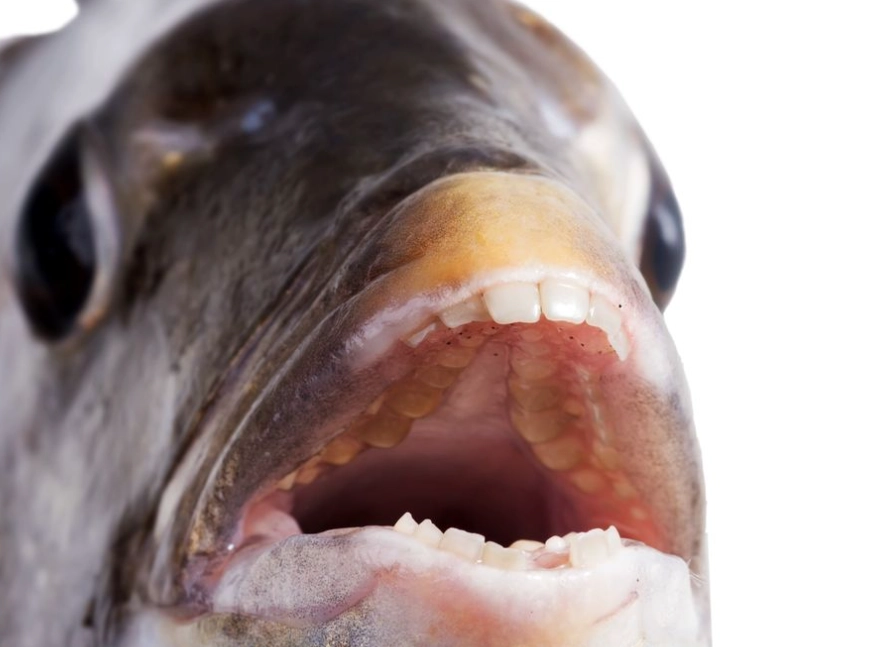
For Pacu: Your best bet is a large, reputable public aquarium. The Georgia Aquarium or the Shedd Aquarium often have them in their Amazonian displays. In the wild, guided fishing trips in the Brazilian Amazon (around the Rio Negro basin) or in Papua New Guinea (where they've been introduced) are options. A guided trip is non-negotiable for safety and logistics. Expect costs for a multi-day Amazon fishing tour to start around $2,000-$3,000 per person.
For Sheepshead: This is the most accessible species. Head to any major fishing pier or jetty from the Chesapeake Bay down to the Gulf of Mexico from late winter through spring. Myrtle Beach, SC piers or the Galveston, TX jetties are hotspots. No guide needed—just a fishing license, some crab bait, and a lot of patience. Talk to the local bait shop guys; they'll tell you the exact tide stage that's working.
For Barracuda: Snorkeling or diving in tropical reefs. The Florida Keys, Bahamas, or Cozumel, Mexico are prime locations. Never spearfish where barracuda are present without proper training. Never dangle shiny jewelry or gear. Maintain a calm, non-threatening posture. If one gets persistently curious, slowly leave the area.
Essential Safety Guide for Anglers & Aquarists
Handling these fish wrong can ruin your day. Follow these steps.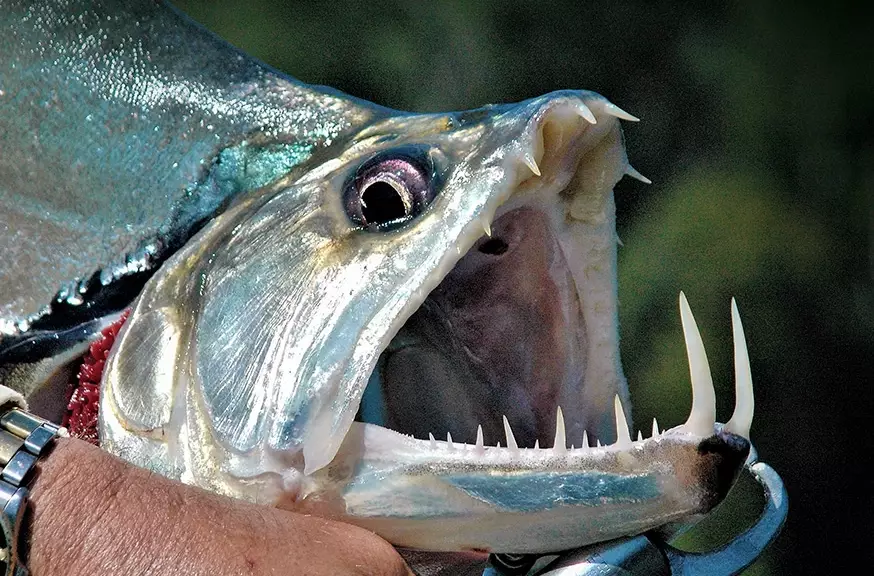
1. Landing the Fish: Use a net with a thick, rubberized mesh. Nylon nets are begging to get tangled in those teeth and torn. For larger fish like big pacu or barracuda, a lip grip tool can be safer than a net, but you must know how to use it correctly on the species.
2. The Hold (If You Must): Never, ever put your fingers near the mouth. For sheepshead, grip firmly behind the head and pectoral fins. Their teeth are in front, so this is a safer zone. For pacu, it's the same principle, but their body shape makes it harder. Honestly, for pacu and barracuda, I recommend against any hand-holding unless you are highly experienced. Keep them in the water in the net or on a wet, soft surface for a quick photo.
3. Dehooking: This is the most dangerous moment. Use long-nosed pliers or a dedicated dehooking tool. Keep the fish's head pointed away from you and anyone else. If the hook is deep or the fish is overly stressed, sometimes it's safer for the fish (and you) to cut the line as close to the hook as possible. The hook will often rust out quickly.
4. For Aquarium Owners: If you're somehow set up for a large, toothy fish, maintenance is a two-person job. One to distract the fish at one end of the tank with food (carefully!), the other to work quickly. Always turn off pumps and filters when your hands are in the tank to avoid startling the animal. I've seen a startled pacu slam into the glass hard enough to crack it.
Your Bucktooth Fish Questions Answered
 Fish with buck teeth are a brilliant reminder that evolution finds wild solutions. They're not monsters, but they are powerful, specialized animals. Whether you're an angler hoping to catch one, a diver hoping to see one, or just someone fascinated by nature's oddities, the key is informed respect. Know what they are, know what they can do, and you'll appreciate them all the more—from a safe and smart distance.




Comments
Leave a Comment