If you're lying in bed at night and hear something scrabbling in the roof or a weird chattering noise in the backyard, your mind might jump to rats, or maybe a big insect. But if you're in Australia (or parts of New Zealand), there's a good chance you're listening to a local celebrity: the brushtail possum. And if that possum happens to have a gorgeous, rare golden coat, well, you're hearing something even more special. The thing is, the "Golden Brushtail Possum sound" isn't just one noise. It's a whole vocabulary. It can be anything from a soft click to a sound that'll make you sit bolt upright wondering if there's a demon in the ceiling. I've spent a fair few nights camping and living in areas where they're common, and let me tell you, it takes some getting used to.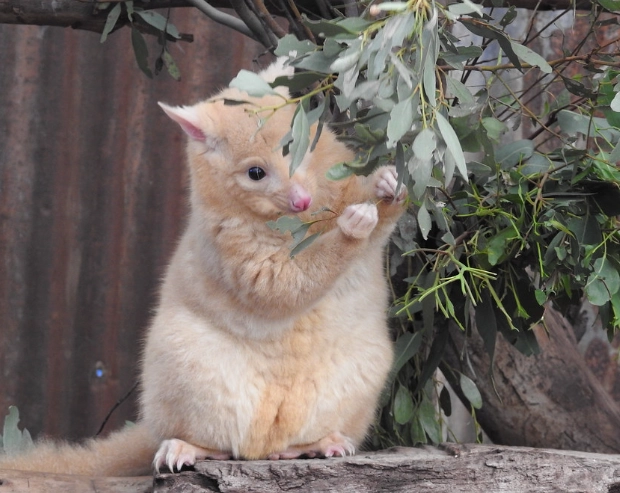
I remember one time, I was convinced a burglar was slowly sawing through a wooden beam in my attic. Heart pounding, I crept upstairs with a flashlight, only to be met with the beady eyes of a large, grumpy-looking brushtail possum who let out a low, guttural growl for disturbing him. Not my finest moment. That's the problem with not knowing your local wildlife sounds – it can cause a lot of unnecessary panic. So, let's clear that up. This isn't just a dry list of facts. It's a decoder ring for the nightly symphony (or cacophony, depending on your patience) that these creatures create.
Meet the Noisy Neighbour: The Golden Brushtail Possum
First, a quick intro because context matters. The Golden Brushtail Possum isn't a separate species. It's a colour morph of the common brushtail possum (Trichosurus vulpecula). Think of it like a ginger cat in a world of tabbies – same animal, stunning different coat caused by a genetic variation that affects its fur pigment. They're the same size, have the same big, black eyes for night vision, and the same strong, clawed feet for climbing. And crucially, they have the exact same vocal cords and habits. So, when we talk about the Golden Brushtail Possum sound, we're talking about the full repertoire of common brushtail possum noises. The "golden" part just makes the singer look fancier.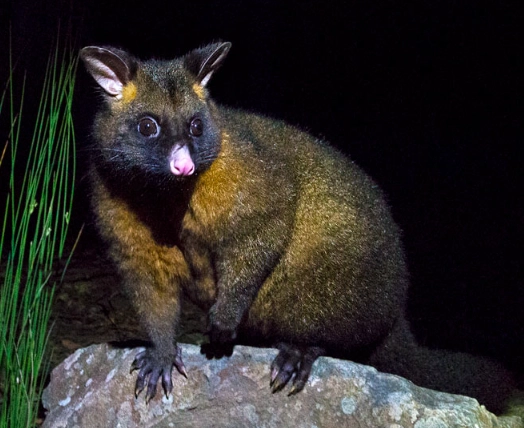
The Golden Brushtail Possum Sound Library: A Breakdown
Their sounds serve different purposes: communication between mum and joey, warnings, territorial disputes, and, the one that keeps most people awake, the mating call. Here’s your guide to the greatest hits.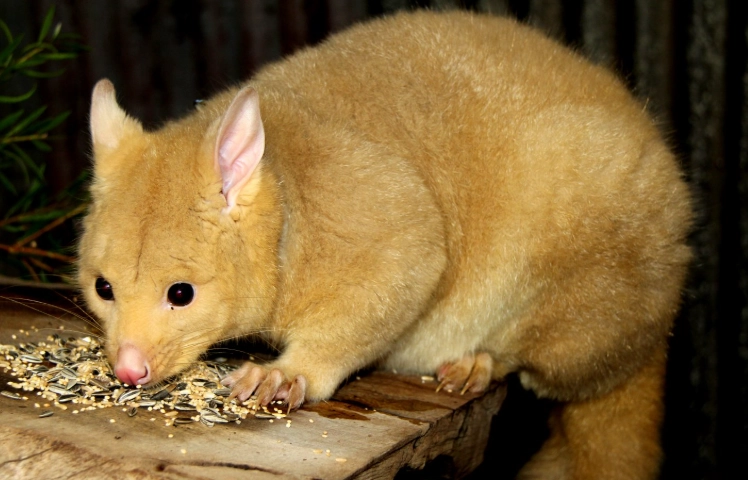
The Common, Everyday Noises
These are the sounds you're most likely to hear if one has taken up residence in your roof, shed, or a tree nearby.
- Clicking and Grunting: This is the baseline chatter. It's a series of low, throaty clicks and grunts, often heard when they're moving around, foraging, or communicating calmly with a joey. To me, it sounds a bit like a slow, deep Geiger counter or someone gently clicking their tongue against the roof of their mouth. It's not usually alarming.
- Scrabbling and Thumping: Not a vocal sound, but a huge part of the acoustic experience. Those clawed feet on timber, tin, or floorboards are incredibly loud. A full-grown possum can sound like a medium-sized dog running around in your ceiling. The thumps are often them landing after a jump.
- Hissing and Growling: The warning shots. If you startle one, get too close, or if two possums have a minor disagreement, you'll hear a sharp hiss or a low, rumbling growl. It's their way of saying "back off." The growl is that burglar-sawing sound I mentioned earlier – genuinely unsettling if you don't know what it is.
The Big One: The Mating & Territorial Call
Ah, the call that inspires most Google searches for "possum sound." This is the loud, shocking, and frankly bizarre noise that echoes through suburbs and bushland during breeding season.
It's a loud, rapid series of harsh, guttural coughs and screeches. Some people describe it as a deep, loud "chuk-chuk-chuk" or "kak-kak-kak" sound that escalates. It's primarily made by males to attract females and warn off other males. It carries for a long distance. You can't really confuse it with anything else once you've heard it. If you want to hear an accurate example (because my descriptions might not do it justice), the Wild Ambience sound library has excellent, clear field recordings. It's a fantastic resource for comparing what you're hearing at night.
So that's the core Golden Brushtail Possum sound portfolio.
Golden Brushtail Possum Sound vs. Other Common Night Noises
This is where people get tripped up. Is it a rat? A bird? A frog? Let's clear the confusion. Misidentifying the sound is the first step to applying the wrong solution.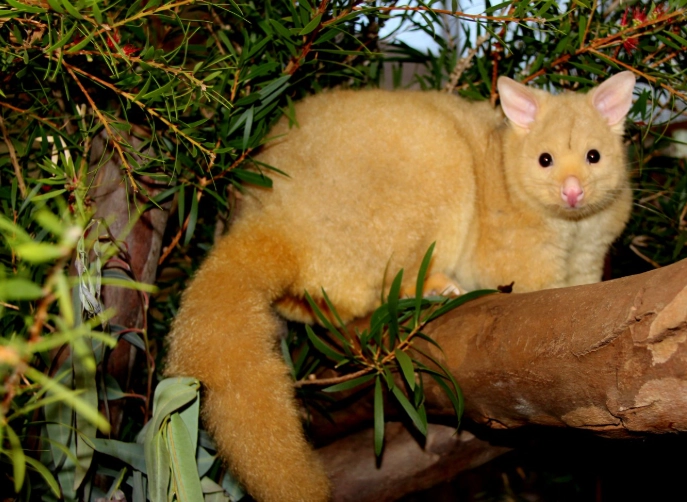
| Animal | Sound Description | Key Differences from a Possum | When You Might Confuse Them |
|---|---|---|---|
| Brushtail Possum | Deep clicks/grunts, loud screechy coughs (mating), heavy thumps, hisses/growls. | Vocal range is deeper and harsher than rats. Movement is MUCH heavier. | Mating call is unique. Scrabbling might be confused with rats at first. |
| Rat or Mouse | Light, rapid pitter-patter of feet. High-pitched squeaks and scratching. Gnawing sounds. | Sounds are lighter, faster, and higher pitched. No heavy thumps or deep guttural calls. | The initial light scrabbling in walls or ceiling before you hear the distinct possum vocals. |
| Ringtail Possum | Soft, high-pitched twittering and chirping. Much quieter. | Ringtails sound like birds or bats. Brushtails sound deeper, louder, and more aggressive. | From a distance, the softer chattering could be mistaken if you only hear a snippet. |
| Tawny Frogmouth | A deep, repetitive "oom-oom-oom" or a loud booming call. | More melodic and repetitive than the possum's chaotic screeches. No scrabbling sounds. | Their low call might be mistaken for a distant possum grunt, but the pattern is different. |
| Boobook Owl | The classic "boo-book" or "mo-poke" two-note call. | Clear, rhythmic, and tonal. Nothing like the possum's harsh, atonal noises. | Unlikely, but at night, any unknown noise can cause a moment of doubt. |
See? A possum's weight and size give it away. If it sounds like something heavier than a cat is up there, it's probably not a rodent. The mating call is the real dead giveaway for the Golden Brushtail Possum sound.
Why Are They Making That Noise? Decoding the Behaviour
The sound isn't random. It's a signal. Understanding the "why" helps you understand the animal and maybe even predict (and tolerate) the noise.
- Mating Season (Autumn & Spring): This is peak noise time. The loud, screechy calls are males going all out. It's temporary, but intense.
- Mother-Joey Communication: The softer clicks and grunts are often a mother possum keeping in touch with her baby, who might be riding on her back or waiting in the nest (your roof).
- Territorial Disputes: Possums are solitary and territorial. If a new possum enters another's space, you'll hear hissing, growling, screeching, and a lot of dramatic thumping as they chase each other. It can be a real midnight ruckus.
- Distress or Fear: A sharp, loud screech can indicate they've been startled by a predator (like a cat or owl) or have gotten into trouble.
So, if the Golden Brushtail Possum sound you're hearing is that loud, repetitive cough-screech, it's love (or war) in the air. If it's gentle clicking and light movement, it might just be a family settling in for the night.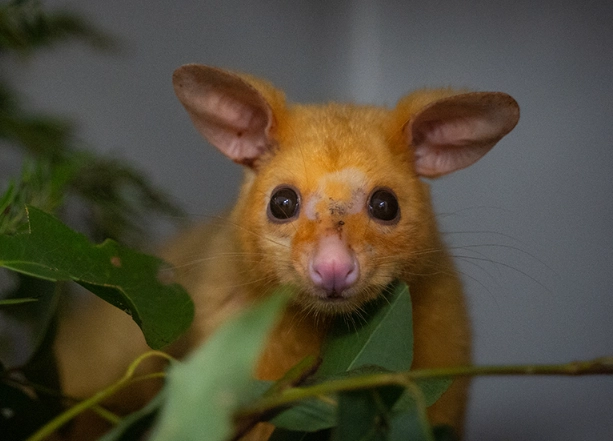
What to Do If the Sounds Are a Problem
Look, I get it. As charming as they are, having what sounds like a herd of tiny elephants having a domestic dispute in your ceiling at 2 AM is not most people's idea of a good time. It can ruin sleep, cause anxiety, and even damage property. Here’s a humane, sensible approach.
- Confirm It's a Possum: Use the table above. Listen for the heavy movement and deep vocals. Try to see it at dusk with a torch (they have eye shine). Don't just assume.
- Block Access (Humanely): This is the long-term solution. Wait until the possum has left at night to forage (listen for the exit), then securely block the entry point with timber, metal, or heavy-duty mesh. Crucially, never block a hole if you're not 100% sure the animal is out, especially during baby season (spring/summer), or you'll trap a mother or joey inside, leading to terrible outcomes and worse smells. The WIRES (NSW Wildlife Information, Rescue and Education Service) fact sheet has excellent, ethical advice on this process.
- Provide an Alternative Home: This is the pro-move. Install a sturdy possum box in a nearby tree. If you take away their cozy roof spot but give them a good alternative, they'll often move in happily. It feels better than just evicting them.
- Deterrents (Your Mileage May Vary): Motion-activated lights or sprinklers near their entry point can make the area less appealing. Some people swear by sprinkling quassia chips (a natural bitter wood) in the roof cavity, as possums dislike the smell.
- What NOT to Do: Do not use poison. It's cruel, illegal for native wildlife in Australia, and can kill other animals that eat the poisoned possum. Trapping and relocating is also often illegal and ineffective – a new possum will just move into the vacant territory, and the relocated one often dies in unfamiliar ground.
The goal isn't to wage war on your golden-furred tenant. It's to encourage them to live in a more appropriate spot, like a tree, where their natural Golden Brushtail Possum sounds are just part of the background bush chorus, not your bedroom soundtrack.
Your Golden Brushtail Possum Sound Questions, Answered
Let's tackle the stuff you're actually typing into Google.
Are Golden Brushtail Possums dangerous?
Not really. They're not aggressive towards humans. If cornered or handled (which you should never do), they will defend themselves with bites and scratches, like any wild animal. The main risks are related to their noise keeping you awake, potential damage to electrical wiring in your roof, and the remote health risk from their droppings (like any animal waste). They're more scared of you.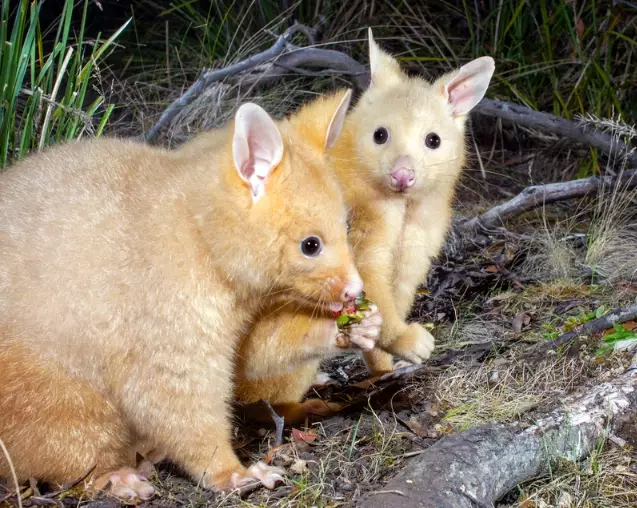
Why do they make that horrible screeching sound only at night?
Because they're nocturnal. Their whole world is active from dusk to dawn. That's when they forage, socialize, and look for mates. The screeching is a long-distance call. Doing it in the daytime would be useless (other possums are asleep) and would attract diurnal predators. So, you get the full concert under the cover of darkness.
Can I attract a golden possum to my garden?
You can create a possum-friendly garden, which might attract one. Plant native trees for food and shelter (e.g., eucalypts, wattles). Install a nest box. Having a golden morph visit is a matter of lucky genetics in your local population. But be careful what you wish for – a friendly garden possum is great, but one in your roof is not.
Is it rare to hear a Golden Brushtail Possum sound?
No, the sound isn't rare if you live in their habitat. The golden colour is rare (maybe 1 in 100 or fewer), but their voice isn't. So, you're probably hearing a common brushtail. But if you do happen to spot a golden one making the noise, that's a special sighting!
How can I record the sound to identify it?
Use your smartphone. There are decent free audio recorder apps. Place it near where you hear the noise, turn off all other sounds (TV, etc.), and let it record for a while. Then, compare it to the clean recordings on the Wild Ambience site. It's the best way to be sure.
Wrapping It Up: Living with the Nightly Chorus
At the end of the day, the Golden Brushtail Possum sound is just the voice of a native animal going about its business. It's a sign of a (mostly) healthy ecosystem right in our suburbs. Sure, it can be infuriatingly loud. I still groan when the seasonal screeching starts up near my place.
But knowing what it is – being able to decode the clicks from the growls, the mating call from a fight – takes away the fear and the mystery. It turns an alarming, unknown noise into just "the possums are at it again." You can then make an informed choice: tolerate it as part of living near nature, or take humane steps to encourage them to live in the trees instead of your house.
Next time you hear that strange sound in the night, you'll know. You might even impress your family with your wildlife knowledge. Just maybe not at 3 AM.
Comment