I still remember the first time I saw baby eels in a tank—tiny, translucent threads wriggling in the water. I thought they'd be easy to care for. Boy, was I wrong. Over the years, I've learned that raising these creatures is less about following a recipe and more about understanding their quirks. If you're diving into baby eel care, whether for aquaculture or a hobby, this guide cuts through the noise. We'll cover habitat setup, feeding, health issues, and even my own blunders. Let's get started.
What You'll Find in This Guide
What Are Baby Eels, Really?
Baby eels, often called elvers or glass eels, are the juvenile stage of eels like the American or European eel. They hatch in the ocean, then migrate to freshwater. In aquaculture, we usually deal with glass eels—those see-through, fingerling-sized ones. Most people think they're just small fish, but their biology is weird. They don't eat much at first, relying on yolk sacs, and their skin is so delicate it tears easily. I've seen newcomers treat them like guppies, and that's a fast track to failure.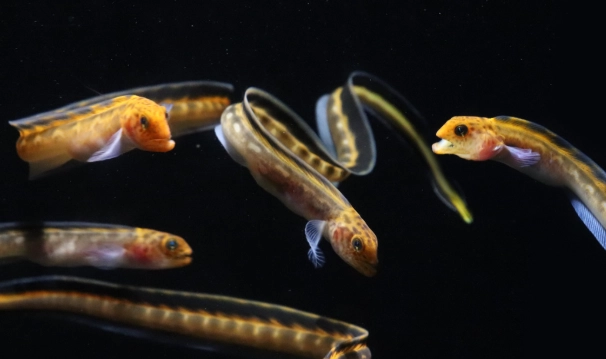
One thing rarely mentioned: baby eels are stress magnets. Sudden light changes or loud noises can send them into a frenzy. I learned this the hard way when my cat jumped near the tank and half the batch hid for days. They're not your typical pet.
Setting Up the Perfect Habitat
Getting the habitat right is 80% of the battle. Skip this, and nothing else matters. Here's a step-by-step breakdown from my setup.
Water Parameters and Filtration
Water quality is non-negotiable. Baby eels need pristine conditions. I aim for these numbers:
| Parameter | Ideal Range | Why It Matters |
|---|---|---|
| Temperature | 72°F to 78°F (22°C to 26°C) | Stability prevents stress; fluctuations cause disease. |
| pH Level | 6.5 to 7.5 | Too acidic or alkaline harms their skin. |
| Ammonia/Nitrite | 0 ppm | Even trace amounts can kill; they're sensitive. |
| Water Flow | Gentle, minimal current | Strong flows exhaust them; they're weak swimmers. |
Filtration is tricky. I use a sponge filter—it's gentle and won't suck them in. Canister filters? Too powerful. One time, I tried a hang-on-back filter, and it created a vortex that trapped a few eels. Not pretty. Change 20% of the water weekly, but do it slowly. Dumping new water shocks them.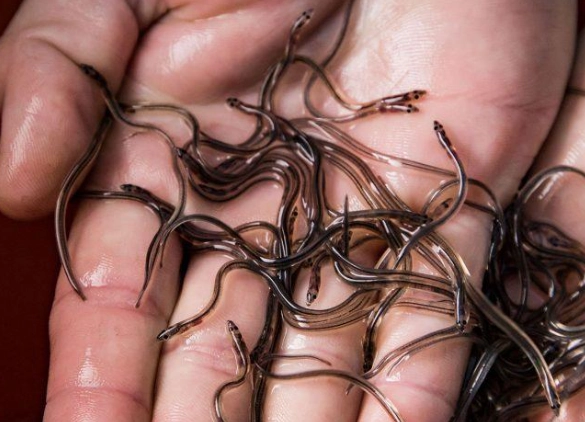
Tank Size and Decorations
Start with a 20-gallon tank for up to 50 baby eels. Bigger is better because waste dilutes. Decorations should provide hiding spots. I use PVC pipes cut into sections and smooth rocks. Avoid sharp edges; their skin bruises easily. Lighting should be dim or on a timer. Bright lights stress them out—they're nocturnal. I keep a blue LED on at night so I can check without disturbing them.
Pro tip: Cycle your tank for at least a month before adding baby eels. I know it's tempting to rush, but an uncycled tank is a death sentence. Use a bacterial starter and test kits religiously.
Feeding Baby Eels: Beyond the Basics
Feeding is where most folks mess up. Baby eels aren't greedy eaters. In the wild, they nibble on microscopic organisms. In captivity, you need to mimic that.
Live Food Options
Live foods work best initially. I rotate between:
- Brine shrimp nauplii: Rich in protein, easy to hatch. Feed once a day.
- Microworms: Smaller than brine shrimp, good for picky eaters.
- Daphnia: Helps with digestion, but source from clean cultures.
The mistake? Overfeeding. I used to dump food thinking more is better. It led to ammonia spikes. Now, I feed a pinch twice a day, and if it's not eaten in 10 minutes, I siphon it out.
Commercial Diets
As they grow, transition to commercial pellets. Look for high-protein sinking pellets. Soak them in tank water first—dry pellets expand and cause bloating. I've had success with brands like Hikari, but avoid generic flakes; they float and ignore.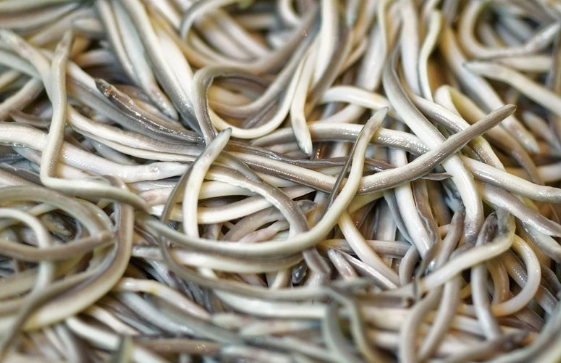
Here's a feeding schedule I follow for the first three months:
- Weeks 1-4: Live brine shrimp daily, skip Sundays.
- Weeks 5-8: Mix live food with soaked pellets, reduce to once a day.
- Weeks 9-12: Primarily pellets, monitor growth.
Growth rates vary. Some eels grow fast, others lag. Don't panic if they're uneven—it's normal.
Common Health Issues and Prevention
Baby eels get sick quietly. You won't see obvious signs until it's late. Watch for these:
- Skin lesions: White patches or redness. Usually from poor water quality or rough handling. Quarantine affected eels and improve filtration.
- Lethargy: If they're not moving much, check temperature and oxygen levels. I add an air stone for extra aeration.
- Parasites: Rare but possible. Look for scratching against objects. Treat with salt baths (1 tablespoon per gallon for 5 minutes), but be gentle—their skin is fragile.
Prevention boils down to clean water and stress reduction. I test water every other day for the first month. It sounds obsessive, but it saved my last batch from a nitrite spike.
A Personal Case Study: My First Batch
Let me walk you through my first attempt. I bought 100 glass eels online, thinking I'd ace it. Day one: I put them in a 10-gallon tank with a fancy filter. Big mistake. The current was too strong, and half hid behind the heater. Feeding? I used flakes—they ignored them. Within a week, 30 died from starvation and stress.
I panicked, consulted an old-timer in aquaculture. He told me to simplify: switch to a sponge filter, use live food, and darken the tank. I did, and survival rates jumped. By month three, 60 were thriving. The key lesson: baby eels need simplicity, not gadgetry. I spent hundreds on equipment I didn't need. A basic setup with attention to detail works better.
Another thing—record keeping. I started a log for water parameters and feeding. It helped spot patterns, like how they ate less during full moons. Weird, but true.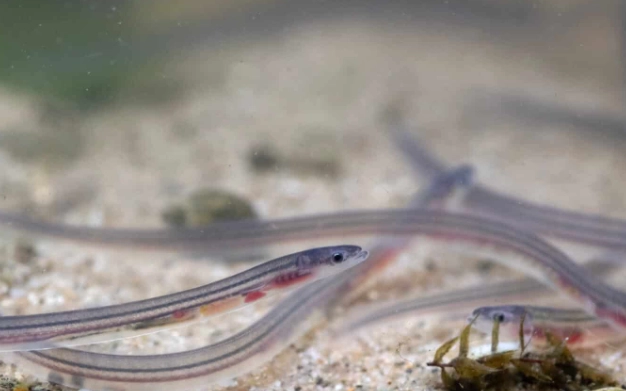
Your Questions Answered
Raising baby eels is a journey of patience. It's not for everyone, but if you get it right, it's incredibly rewarding. Start small, keep notes, and don't be afraid to ask for help. For more info, check resources like the Food and Agriculture Organization's reports on eel aquaculture—they're dry but packed with data. Good luck, and feel free to share your stories. I'm always learning from others' mistakes, too.
Comment