Quick Navigation
So, you're asking what is the deadliest type of viper? It sounds like a simple question, right? Just name the snake. But here's the thing – the answer isn't as straightforward as you might think. It depends on what you mean by "deadliest." Are we talking about the venom that's most toxic in a lab? The snake that kills the most people every year? The one that's most aggressive and likely to bite? Or a nasty combination of all the above? I've spent a lot of time reading studies and reports, and honestly, the debate can get pretty heated among herpetologists. But if you push me for a single answer, based on a brutal mix of potency, yield, temperament, and real-world impact, one name consistently rises to the top of the list.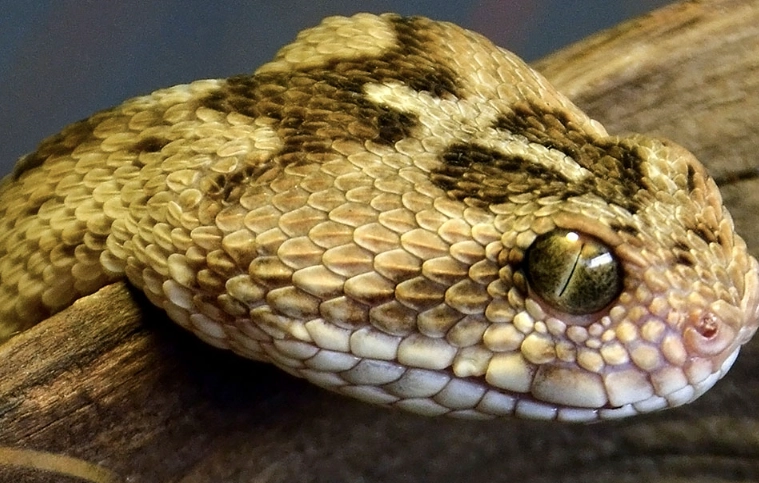
Let's cut to the chase. For my money, and for the consensus of many experts who look at the whole picture, the title of the deadliest viper goes to the Russell's viper (Daboia russelii). Now, before the saw-scaled viper fans start yelling at their screens, let me explain why. This isn't just about one number. It's about a perfect storm of dangerous traits.
How Do You Even Measure "Deadliest"?
This is where we need to start. You can't answer "what is the deadliest type of viper?" without defining your terms. Snake toxicity is a multi-layered beast. Here are the main factors scientists and doctors look at:
- Venom Potency (LD50): This is the lab standard. It measures how much venom (in milligrams per kilogram of body weight) it takes to kill 50% of test subjects (usually mice). A lower LD50 means a smaller amount is more deadly. It's a pure measure of toxicity. Vipers generally have higher LD50s (less potent per mg) than elapids like cobras or taipans, but they often make up for it in other ways.
- Venom Yield: How much venom can the snake deliver in a single bite? A snake with moderately toxic venom but a huge yield can inject a much larger dose of toxins than a snake with super-potent venom but a tiny yield. This is a viper's classic strength – big fangs, big venom glands.
- Behavior and Aggression: How likely is the snake to stand its ground and bite? A shy, reclusive snake is less of a threat to humans than an irritable, defensive one that lives in farmland.
- Human Encounter Rate: This is the big one for real-world deaths. A super-deadly snake living in an uninhabited rainforest might cause zero human fatalities. A less toxic snake living in rice paddies across rural Asia will claim countless lives. Distribution and overlap with human activity are everything.
- Venom Effects and Treatment Availability: Some venoms cause rapid, systemic collapse. Others cause horrific tissue destruction that leads to death from secondary infections or organ failure hours or days later. The availability and effectiveness of antivenom are also massive factors in survival rates.
See? Simple question, complex answer. When people ask what is the deadliest type of viper, they're usually thinking about the snake that causes the most human suffering and death. And that's the lens we're using here.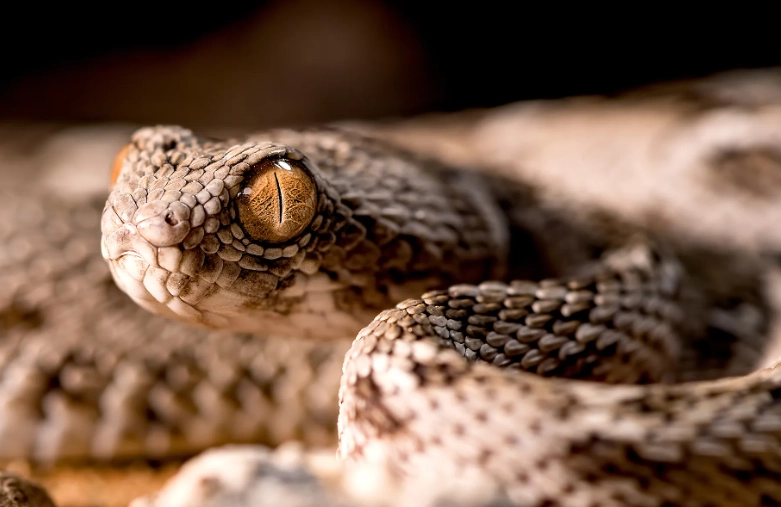
The Top Contenders for the Title
Several vipers are legendary for their danger. Let's quickly meet the usual suspects before crowning a champion. I think a table is the clearest way to compare them head-to-head.
| Viper Species | Key Regions | Notorious For | Big Weakness in the "Deadliest" Debate |
|---|---|---|---|
| Saw-scaled Viper (Echis carinatus) | Africa, Middle East, Indian Subcontinent | Aggressive temperament, high encounter rate, causes many bites. Often cited as causing the most deaths globally. | Venom yield is relatively low. While it bites often and its venom is potent, the sheer volume of toxin injected is less than its bigger cousins. |
| Puff Adder (Bitis arietans) | Africa & Arabian Peninsula | Extremely high venom yield, powerful strike, common and well-camouflaged. Causes numerous serious bites in Africa. | Less aggressive than legend suggests; often relies on camouflage and will hiss as a warning. Slower-moving. |
| Gaboon Viper (Bitis gabonica) | Rainforests of Central & West Africa | Largest fangs of any snake, colossal venom yield (can exceed 1000mg!). Incredibly potent cytotoxic venom. | Exceptionally docile temperament. Lives in dense forests with lower human density. Fewer encounters mean fewer fatalities despite its terrifying potential. |
| Fer-de-Lance (Bothrops asper) | Central & South America | Extremely fast, nervous, and defensive. Causes the majority of serious snakebites in its range. Venom causes severe tissue damage. | Geographically limited to the Neotropics. While a huge regional threat, its global impact is less than Old World species. |
| Russell's Viper (Daboia russelii) | Indian Subcontinent, Southeast Asia, parts of China & Taiwan | The All-Rounder: Highly potent venom, very high yield, irritable and defensive, lives in perfect harmony with agricultural land. | ...Honestly, it's hard to find a major weakness in its deadly portfolio. Maybe that it's not in Africa or the Americas, but its range is massive and densely populated. |
Looking at this, you start to see the pattern. The saw-scaled viper is the feisty instigator, the puff adder is the heavy artillery, the Gaboon is the sleeping giant, and the fer-de-lance is the lightning-fast brawler. But the Russell's viper? It's the one that checks almost every dangerous box without a major flaw. It's the deadliest type of viper because it brings an A-game in every category that matters for human fatalities.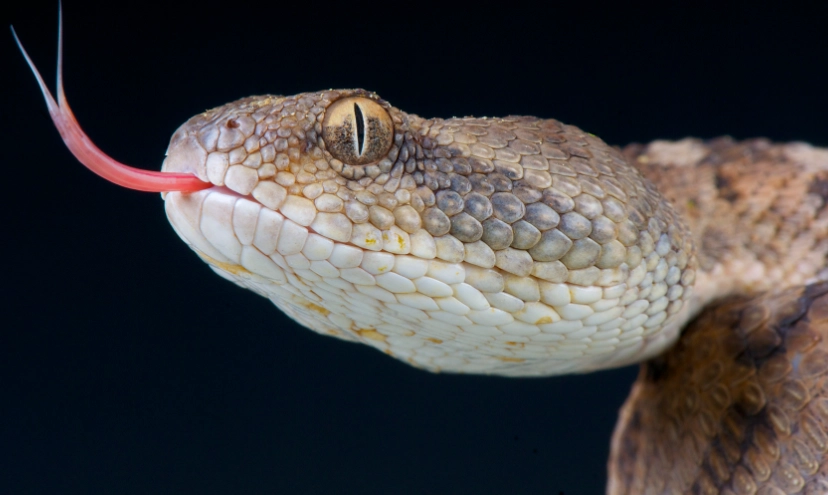
Why the Russell's Viper Earns Its Grim Title
Let's break down exactly why Daboia russelii is so often the answer to what is the deadliest type of viper.
1. A Devastating Cocktail of Venom
Russell's viper venom is a complex mixture of toxins designed to shut down a body. It's primarily hemotoxic and vasculotoxic, meaning it destroys blood cells and blood vessels, leading to massive internal bleeding. But it also has significant neurotoxic, myotoxic (muscle-destroying), and nephrotoxic (kidney-damaging) components. This multi-pronged attack makes treatment incredibly challenging.
The potency (LD50) is respectable for a viper, but where it really shines is in yield. A big adult can deliver a dry bite (no venom), but if it decides to inject, it can deliver a whopping 150-250 mg of dried venom on average, with record yields over 650 mg. To put that in perspective, the estimated lethal dose for an adult human is only about 40-70 mg. So in one bite, it can deliver several times the lethal dose. This combination of quality (potency) and quantity (yield) is a big part of the story.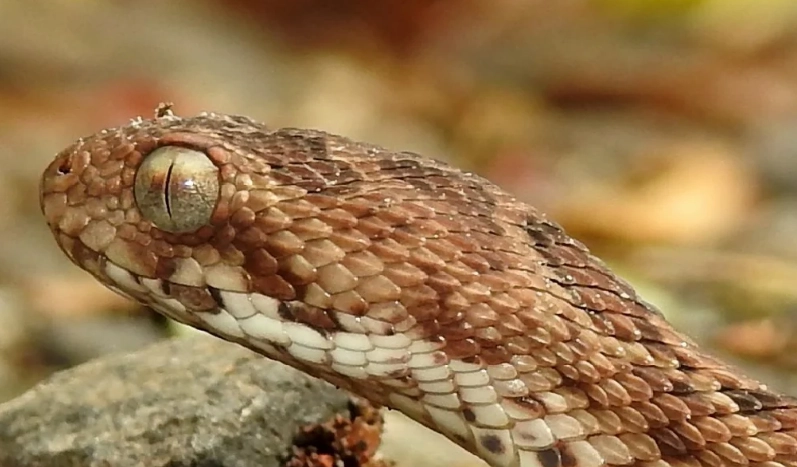
2. An Irritable and Defensive Disposition
This isn't a shy snake. When threatened, a Russell's viper will often coil tightly, hiss loudly—a sound sometimes compared to a pressure cooker—and strike with blinding speed. It's not "aggressive" in the sense of chasing people, but it's highly defensive and has a very short fuse. It doesn't slither away quietly. It stands its ground. For a farmer working barefoot in a field, this is a disastrous combination.
I remember reading an account from a herpetologist in India who said finding them was easy; you just listen for the distinct, fierce hissing. That's not the sign of an animal trying to avoid you.
3. Living Right Where People Are
This is the most critical factor. The Russell's viper thrives in open grasslands, scrublands, and—most importantly—agricultural areas. It loves rice paddies, fields, and plantations. It's a perfect predator of rodents, which are abundant in farmlands. So, you have a dangerous, defensive snake living in the exact same spaces where millions of people work daily, often with minimal foot protection. The encounter rate is astronomically high.
Its range is vast: across Pakistan, India, Sri Lanka, Bangladesh, Nepal, Myanmar, Thailand, parts of China, Indonesia, and Taiwan. We're talking about some of the most densely populated regions on Earth.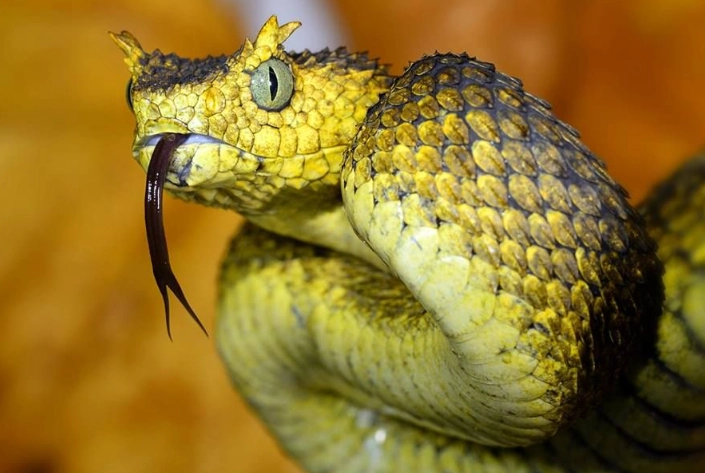
4. The Grim Toll: Statistics Don't Lie
In countries like India, Bangladesh, and Sri Lanka, the Russell's viper is consistently one of the Big Four snake species responsible for the majority of serious snakebites and deaths. In some regions of India and Sri Lanka, it is the leading cause of venomous snakebite mortality.
Studies published in journals like The Lancet and Toxicon have documented its impact. The death rate from untreated bites is shockingly high. Even with treatment, the venom can cause permanent kidney damage, pituitary gland failure (known as Sheehan's syndrome in survivors), and other long-term disabilities. It's not just about instant death; it's about creating a lifelong health crisis for survivors. You can find sobering epidemiological data on platforms like the World Health Organization's neglected tropical disease pages, where snakebite is a key focus.
What Happens if You're Bitten?
Since we're talking about the deadliest viper, it's crucial to know what a bite entails. The effects are rapid and severe.
- Immediate, Excruciating Pain: At the bite site. This isn't a subtle nip.
- Swelling & Bleeding: Swelling spreads rapidly, often up the limb. Bruising and bleeding from the gums, nose, or in urine appear quickly due to the venom's effect on clotting factors.
- Systemic Collapse: Drop in blood pressure, dizziness, nausea, and eventually, if untreated, multi-organ failure as internal bleeding ravages the kidneys and other organs.
- Long-Term Damage: As mentioned, survivors often face chronic kidney disease or hormonal imbalances from gland damage.
The only effective treatment is prompt administration of specific monovalent antivenom (or polyvalent that includes Russell's viper). Time is tissue. Time is life.
Safety First: Coexisting with Danger
Knowing what is the deadliest type of viper is useless without knowing how to stay safe. If you live in or travel to its range:
- Wear Protective Footwear: Stout boots or shoes, not sandals or flip-flops, especially at dawn, dusk, or night when they are most active.
- Use a Light at Night: Always carry a torch and watch where you step.
- Be Cautious Around Habitats: Watch your hands and feet when moving rocks, logs, or debris in fields. Be extra careful during harvest times.
- Do NOT Try to Handle or Kill It: Most bites occur during attempted killing or handling. Give it a wide berth and let it go on its way.
- Know Your Emergency Plan: Know the location of the nearest hospital with antivenom. Save emergency numbers.
Resources like the Centers for Disease Control and Prevention (CDC) or the International Red Cross have guidelines on snakebite first aid (focusing on pressure immobilization for neurotoxic bites and keeping the limb still for vipers), but their core message is always: Transport to hospital.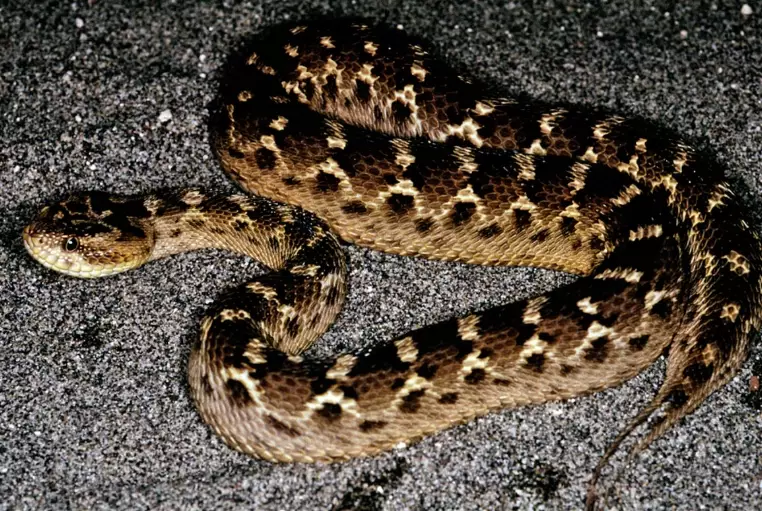
Common Questions About the Deadliest Viper
The Final Verdict
So, what is the deadliest type of viper? If we weigh the laboratory toxicity, the staggering amount of venom delivered, the defensive and irritable nature, and—most importantly—its tragic synergy with human agriculture across densely populated Asia, the Russell's viper (Daboia russelii) stands as the most formidable candidate.
It's a somber reminder of how wildlife and human lives intersect, sometimes with fatal consequences. The title of "deadliest" isn't a trophy; it's a marker of a significant public health challenge. The goal of this knowledge isn't to inspire fear of nature, but respect for it. Understanding which snake is the deadliest viper, why it holds that title, and how to avoid conflict is the first step in reducing the toll and learning to share the landscape a little more safely.
Respect them, give them space, and know what to do if the worst happens. That's the smartest way to live alongside such a potent force of nature.


Comments
Leave a Comment