Quick Navigation Guide
- What Could That Bump Possibly Be? The Usual Suspects
- Playing Aquarium Detective: How to Figure Out What's Wrong
- Your Action Plan: Treatment Options Based on the Cause
- How to Stop This From Happening Again: Prevention is Cheaper Than Cure
- Questions You're Probably Asking (The FAQ Section)
- Wrapping It Up: Don't Panic, Do Investigate
So you're staring into your aquarium, and there it is. One of your fish, maybe a guppy, a tetra, or a betta, has developed a weird lump or bump on its head. It wasn't there yesterday, was it? Your mind starts racing. Is it sick? Is it contagious? Will it die? Let's just take a breath. Seeing a small fish with a bump on its head is one of those classic aquarium panic moments, but it doesn't always spell disaster. Honestly, I've been there myself. A few years back, my favorite angelfish sprouted a white, cauliflower-like growth right between its eyes, and I was convinced it was a death sentence.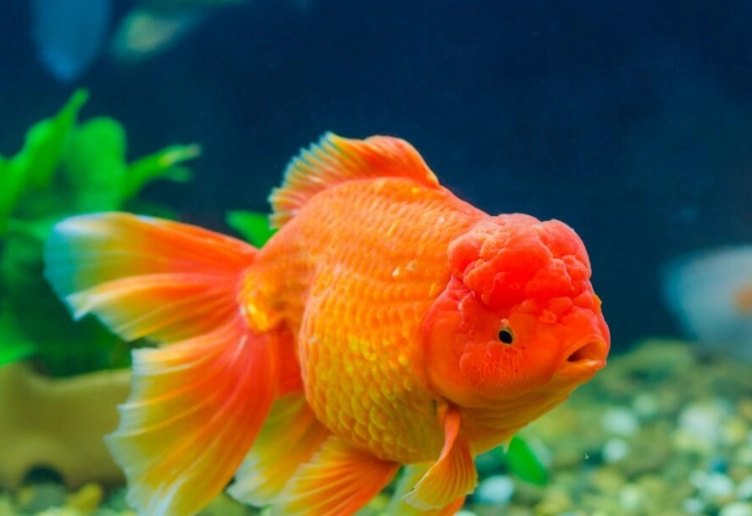
Turns out, it wasn't. The key is not to jump to conclusions but to become a bit of a fish detective. That unsightly bump could be anything from a harmless cyst to a symptom of a more serious internal issue. This guide is here to walk you through the whole messy, confusing process. We'll break down the possible causes (and there are more than you might think), show you how to figure out which one you're dealing with, and then lay out your options for treatment. Because sometimes you can fix it, sometimes you just need to manage it, and sometimes, well, you need to make tough calls about quality of life. We'll cover that too.
What Could That Bump Possibly Be? The Usual Suspects
First things first, let's identify the culprit. A head bump on a fish isn't one specific disease; it's a symptom. Think of it like a human having a cough—could be a cold, could be allergies, could be something more serious. The appearance, texture, color, and speed of growth are all major clues.
Here’s a breakdown of the most common reasons you might find a small fish with a bump on its head. I've put them in a table because it's easier to compare when you're in the middle of a worried tank-side inspection.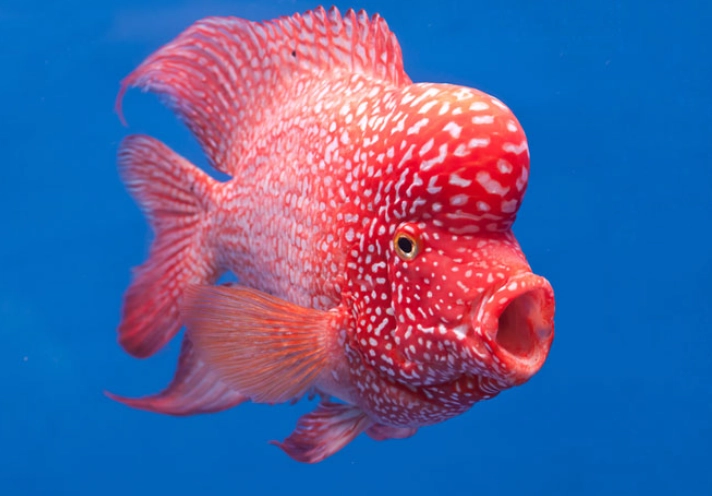
| Possible Cause | What It Looks Like | Commonly Affects | Is It Contagious? |
|---|---|---|---|
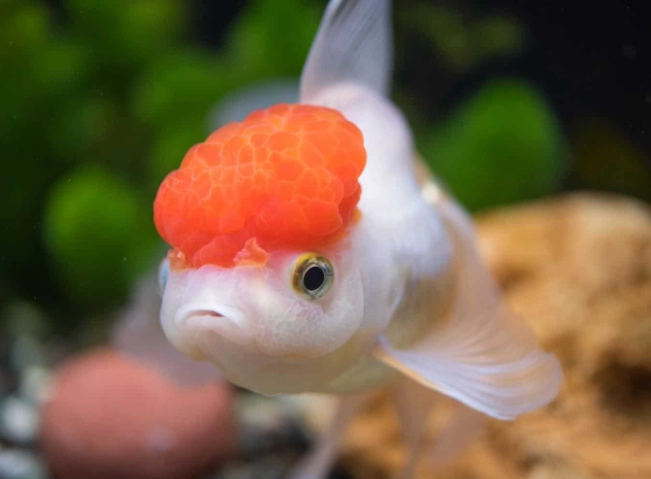
| Lymphocystis (Viral) | Clusters of tiny, white, pinkish, or grayish bumps that look like cauliflower or raspberries. Grows slowly. | Cichlids, gouramis, killifish, many marine fish. | Yes, to other fish via water or contact. Not to humans. |
| External Tumor or Growth | Single, often smooth lump. Can be flesh-colored, pink, or darker. May grow slowly over months. | Any fish, but often older livebearers (guppies, mollies) and goldfish. | No. These are usually benign growths specific to that fish. |
| Injury or Abscess | Localized swollen area, possibly red or inflamed. Might appear suddenly after a tank scuffle or scraping on decor. | Any fish, especially aggressive tank mates or clumsy swimmers. | No, unless a secondary bacterial infection sets in and spreads. |
| Parasitic Cyst | Small, round, sometimes clear or whitish bump. You might even see something moving inside if it's a large parasite. | Wild-caught fish, or fish added without proper quarantine. | Potentially yes, if the parasite's life cycle releases offspring into the water. |
| Mycobacteriosis ("Fish TB") | Chronic, internal. May cause emaciation, spinal deformities, and sometimes external lumps or ulcers that won't heal. | Any stressed or immune-compromised fish. It's a nasty one. | Yes, and it's zoonotic (can infect humans with open wounds). |
See what I mean? It's a mixed bag. That small fish with a bump on its head you're worried about could be suffering from a simple injury or something much more complex. The "cauliflower" look is a dead giveaway for Lymphocystis. I remember my angelfish's bump looked exactly like that—pale and lumpy. I panicked and dumped in every medication I had, which probably stressed the poor thing out more. A lesson learned the hard way: diagnosis first, treatment second.
Playing Aquarium Detective: How to Figure Out What's Wrong
Okay, you've got the list of suspects. Now it's time to gather evidence. Don't just throw medicine at the tank and hope for the best. That's a waste of money and hard on your fish's system. Follow these steps.
Step 1: The Close-Up Visual Inspection
Get a good look. Use a magnifying glass if you have one. Is the bump smooth or rough? Is it one big lump or a cluster of tiny nodules? What color is it? Is the fish's behavior normal—is it eating, swimming okay, or is it hiding and lethargic? A fish with a parasitic cyst might rub against objects (flashing). A fish with an internal problem like a tumor might just act tired.
Jot this down. Seriously, take notes or even a photo with your phone. It helps track progress.
Step 2: The Tank and History Check
Think about recent events. Did you just add new plants or fish without quarantining? That's a prime way to introduce parasites or viruses. Have there been any fights? Is your decor sharp? Have you checked your water parameters recently? Poor water quality is the root cause of about 80% of fish health problems. It stresses fish, weakening their immune systems and making them susceptible to everything on that list.
Step 3: The Quarantine Decision
This is tough, especially if you only have one tank. But if the bump looks contagious (like Lymphocystis) or you simply don't know, isolating the affected fish is the responsible thing to do. It protects your other fish and lets you treat the sick one more directly. A simple 5 or 10-gallon tank with a filter and heater can be a hospital tank.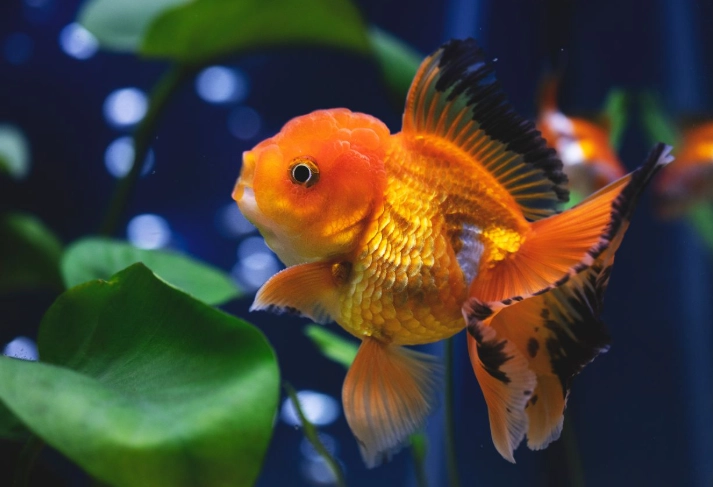
If you can't quarantine, be extra vigilant with water quality and observe your other fish like a hawk.
Your Action Plan: Treatment Options Based on the Cause
Here's where we get practical. The treatment depends entirely on what you think the bump is. Let's run through the scenarios.
If It's Lymphocystis (The Viral "Cauliflower" Bump)
Here's the frustrating part: there's no direct cure. The virus has to run its course. Your job is to provide outstanding supportive care to boost the fish's immune system so it can fight the virus off.
- Perfect Water: Impeccable, pristine water conditions. This means frequent, small water changes (e.g., 20% every other day) to keep nitrates under 20 ppm and ammonia/nitrite at zero.
- Reduce Stress: Lower the lights, ensure no bullies are harassing it, and maybe add a few more plants for cover.
- Good Nutrition: Feed high-quality, vitamin-rich foods. Some people swear by adding a tiny bit of crushed garlic to food as an immune booster—fish seem to like it, and it has some purported benefits.
- Patience: The lumps may take weeks or even a couple of months to recede. If they grow so large they impede eating or swimming, the kindest option might be euthanasia, which we'll discuss later. I know, it's a horrible thought.
If It's an Injury, Abscess, or Bacterial Infection
This is more straightforward. Clean water is still 90% of the battle. For a simple scrape, clean water might be all it needs.
If there's redness, inflammation, or the bump looks like it's filled with pus (an abscess), you'll want an antibacterial treatment. You have choices:
- Salt Baths: A classic, gentle antibacterial. Use pure aquarium salt (not table salt!). A mild bath (1 tablespoon per 3 gallons) in a separate container for 15-30 minutes daily can help. Research the salt tolerance of your specific fish first.
- Over-the-Counter Antibacterials: Medications containing ingredients like Erythromycin, Kanamycin, or Nitrofurazone can be effective for external infections. Follow the instructions to the letter.
- For a Ruptured Abscess: If the bump pops (gross, I know), you'll need to keep the wound clean. The fish might benefit from a dip in a mild antiseptic like methylene blue to prevent further infection.
If It's a Parasite or a Tumor
Parasites require specific anti-parasitic medications. If you can see the parasite, that's easier. Sometimes, the bump is the fish's tissue reaction around the parasite. A broad-spectrum anti-parasitic like Praziquantel (for worms) or Metronidazole (for protozoa) might be needed. This is where a photo or sample to a vet who specializes in fish would be golden, but I know that's not always an option.
Tumors… that's the hard one. If it's a benign external tumor and isn't growing or bothering the fish, many aquarists choose to just leave it alone. The stress of capture and attempted removal might be worse than the tumor itself. There's no chemotherapy for fish. If the tumor is malignant, internal, or grows to a point where the fish's quality of life suffers (can't eat, can't swim), then humane euthanasia becomes the most compassionate choice. It's a terrible decision to have to make, but it's part of responsible pet ownership.
You see a small fish with a bump on its head and you want to save it. But sometimes, saving it means preventing suffering.
How to Stop This From Happening Again: Prevention is Cheaper Than Cure
Let's talk about keeping your fish bump-free in the first place. Most of this is just good, basic fishkeeping, but it's worth repeating.
- Quarantine Everything New: New fish? Quarantine for 4-6 weeks. New plants? At least a quick dip in a bleach solution (heavily diluted!) or potassium permanganate to kill hitchhikers. Snails, decor from another tank? Quarantine. It's a hassle, but it prevents so many headaches. My Lymphocystis outbreak years ago? Almost certainly came from a new fish I was too excited to quarantine properly.
- Water Quality is Non-Negotiable: Get a reliable test kit. Test weekly. Change water regularly. A good filter isn't optional. Overcrowding is a recipe for stress and disease.
- Diet Matters: Feed a varied, high-quality diet. Flakes alone aren't enough. Mix in frozen or live foods (properly rinsed) for vitamins and nutrients. A well-fed fish is a healthy fish.
- Safe Tank Design: Sand down any sharp edges on decorations. Make sure there are enough hiding spots to reduce aggression-related injuries.
Questions You're Probably Asking (The FAQ Section)
Let's tackle some of the specific worries swirling in your head right now.
Wrapping It Up: Don't Panic, Do Investigate
Finding a small fish with a bump on its head is a call to action, not a reason for despair. Your first move shouldn't be towards the medicine cabinet; it should be towards your notebook and water test kit. Observe. Diagnose. Then act.
Most of the time, the problem stems from something in the environment—water quality, stress, a recent introduction. Fix that foundation first. Whether it's a viral wart, a battle scar, or something more serious, your fish's best chance relies on you being a calm, observant, and proactive caretaker. And remember, part of caring sometimes means making a peaceful, dignified end possible when there are no good options left. This hobby is full of joys, but it has its tough moments too. Hopefully, with this guide, you're better equipped to handle this particular tough moment.
Go have a look at your fish. Really look. Check your water. You've got this.
Comments
Leave a Comment