Quick Navigation
Let's be honest, when you think of coral reefs, you probably picture colorful fish, swaying anemones, and intricate coral structures. You're not thinking about fish teeth. But maybe you should be. I certainly didn't, until I spent a week diving in the Philippines and saw the literal crater-sized bite marks left on the reef. Our guide just pointed and said, "Bumphead." That was my first real introduction to the power of bumphead parrotfish teeth. It was less a nibble and more like a backhoe had taken a swing. That experience got me digging into the science, and what I found is that these fish, and specifically their dental work, are one of the most crucial, yet misunderstood, players in the entire reef ecosystem. Forget the sharks for a second; it's the parrotfish that are doing the heavy lifting.
Quick Fact: A single large bumphead parrotfish (Bolbometopon muricatum) can ingest over 5 tons of structural reef carbonate per year. That's not just algae they're scraping off; they're actively reshaping the reef's foundation with every bite.
If you've landed here, you're probably curious about these bizarre dental structures. Maybe you saw a picture of their fused beak and wondered, "How does that even work?" Or perhaps you're a diver, a marine biology student, or just someone fascinated by nature's weird solutions. You're in the right place. We're going to move beyond the simple "they eat coral" explanation and get into the nitty-gritty of how bumphead parrotfish teeth function, why they're so important for a healthy reef, and why their decline is a massive red flag for our oceans.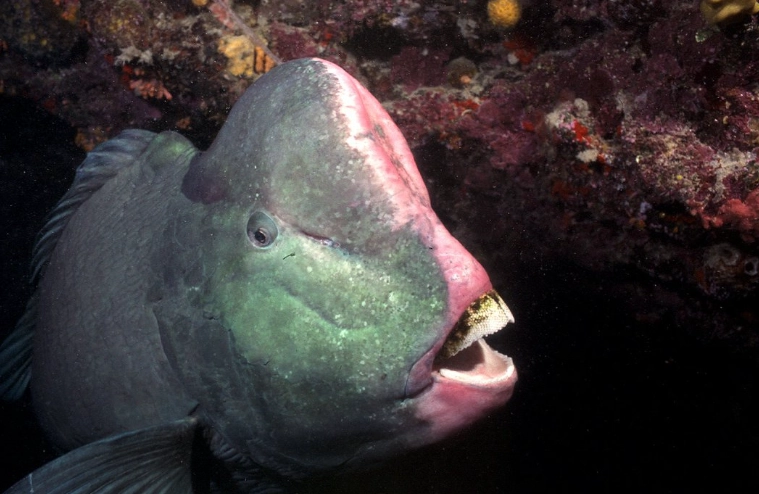
What Are Bumphead Parrotfish Teeth, Really?
First things first, calling them "teeth" in the traditional sense is a bit misleading. When you look at a bumphead's mouth, you don't see individual pearly whites. Instead, you see a solid, beak-like plate. This is their secret weapon. It's not a single tooth, but hundreds of tightly packed teeth fused together into a continuous, crushing surface. Think of it less like a mouth and more like a pair of biological rock-crushing pliers.
The structure is genius in its simplicity and brute force. The beak is primarily made of fluorapatite, a mineral that's significantly harder than the hydroxyapatite found in human teeth or even most other fish teeth. This gives it incredible durability against the abrasive task of scraping and crushing solid coral skeletons. The beak is constantly growing and wearing down, much like a rodent's teeth, but at a rate perfectly matched to its destructive diet.
So, how do they eat with a solid beak?
They don't chew in the way we understand it. The process is more like excavation. They use powerful jaw muscles to clamp down on a chunk of live coral—polyps, skeleton, and all. The bumphead parrotfish teeth act like a chisel, breaking off substantial pieces. I've seen estimates that a large adult can take a bite the size of a dinner plate. Then, inside their pharynx (a part of their throat), they have a second set of teeth, called pharyngeal jaws. These are separate, molar-like structures that grind the coral rubble into a fine sand. The organic coral polyps and algae are digested, and the pulverized calcium carbonate is, well, excreted.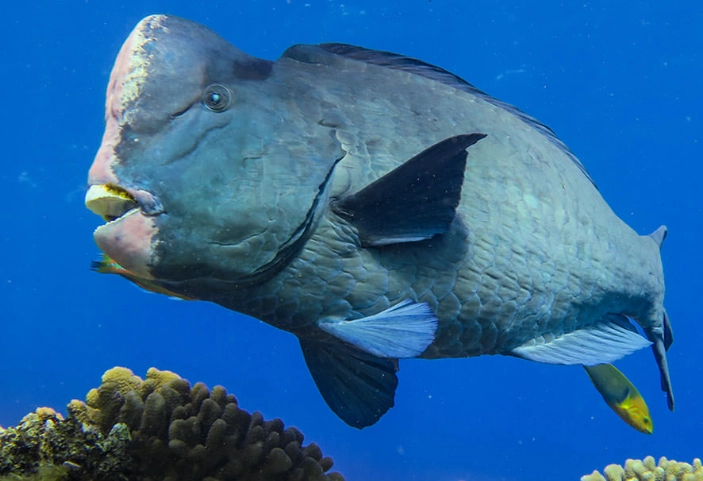
And here's the fun part: a significant portion of the beautiful white sand on tropical beaches is literally parrotfish poop. That pristine beach you love? You're basically walking on finely processed coral, courtesy of parrotfish dentistry. It's a humbling, and slightly hilarious, ecological fact.
The Ecological Powerhouse: More Than Just Coral Crunchers
It's easy to see them as vandals. I mean, they're literally eating the reef, right? That was my initial, naive thought. But their feeding activity is a classic example of a keystone process. It's not destruction; it's essential renovation. Here’s a breakdown of what those powerful bumphead parrotfish teeth actually accomplish for the reef community.
1. Controlling Algae and Making Space
Coral reefs are in a constant battle for real estate. Fast-growing algae can quickly smother coral polyps, blocking sunlight and killing them. Parrotfish are the reef's primary grazers. By relentlessly scraping the substrate, they clear away this algal turf, creating clean, bare rock surfaces. This is prime real estate for baby coral larvae (called planulae) to settle down and start growing a new colony. Without parrotfish, algae can take over, leading to a degraded, less diverse reef. Studies have shown that overfishing parrotfish is a direct contributor to algal dominance and reef phase shifts.
2. Bioerosion and Reef Structure
This is where the bumphead parrotfish teeth have their most dramatic physical impact. Bioerosion is the natural breakdown of hard substrates by living organisms. By biting deep into the reef framework, bumpheads create complexity. They hollow out crevices, overhangs, and caves. This might sound destructive, but this 3D complexity is vital. It provides crucial hiding places, nurseries, and hunting grounds for thousands of other reef species, from tiny shrimp and gobies to moray eels and octopuses. A smooth reef is a barren reef. A reef pockmarked with parrotfish bites is a thriving metropolis.
3. The Sand Factory
As mentioned, their role as sediment producers is monumental. The fine sand they produce doesn't just make beaches. It fills in spaces within the reef framework, helping to cement structures together. It also gets transported to nearby seagrass beds and mangrove forests, which are other critical coastal ecosystems. The entire sediment budget of many tropical coastlines is heavily influenced by parrotfish activity. Fewer parrotfish can mean less sand, leading to increased coastal erosion.
Let's put their role into perspective with a quick comparison. Not all parrotfish are created equal when it comes to their dining habits and impact.
| Parrotfish Type | Primary Feeding Method | Key Dental Feature | Main Ecological Role | Impact Level |
|---|---|---|---|---|
| Bumphead (Bolbometopon) | Excavating (takes full bites of coral) | Massive fused beak, powerful jaws | Major bioeroder, creates large-scale structure, major sediment producer | Very High |
| Scrapers (e.g., many Scarus species) | Scraping (removes thin layer of algae & carbonate) | Smaller, less robust beak | Algae control, minor sediment production | Moderate |
| Browsers (e.g., Sparisoma) | Browsing on seagrass or macroalgae | Softer, more adapted for plants | Seagrass bed maintenance, not a major reef player | Low (on reef) |
See the difference? The bumphead is in a league of its own. Its specialized bumphead parrotfish teeth equip it for a job no other reef inhabitant can perform at the same scale.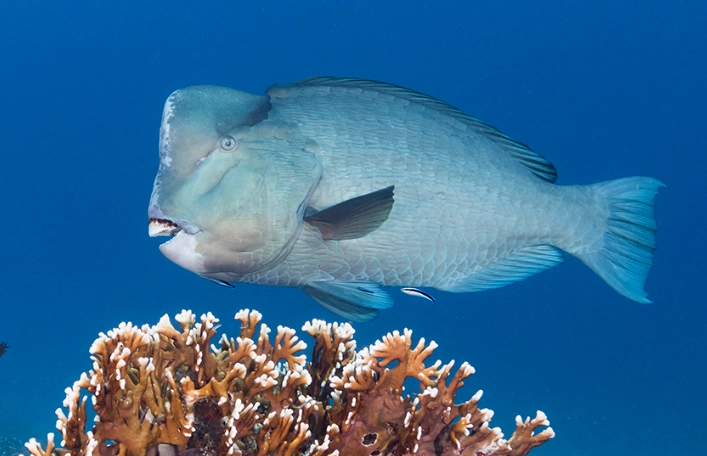
Why Are Bumphead Parrotfish and Their Teeth Under Threat?
This is the sad part. For all their ecological importance, bumphead parrotfish are incredibly vulnerable. The International Union for Conservation of Nature (IUCN) lists them as Vulnerable globally, with some regional populations considered Endangered. Their unique biology and behavior make them a perfect storm for overexploitation.
The Big Problem: They are slow to mature (taking around 5 years), long-lived, and rely on specific, often predictable, spawning aggregations. This life history strategy means they cannot quickly rebound from population declines.
The threats are multi-pronged:
- Overfishing: This is the number one threat. Their large size and tendency to sleep in predictable, shallow areas at night make them easy targets for spear fishers and net fishers. They are prized for their meat in many parts of the Indo-Pacific.
- Habitat Degradation: Climate change, leading to coral bleaching and ocean acidification, weakens the very coral structures they depend on for food. A dead reef doesn't support a coral-eating fish.
- Loss of Nursery Habitats: Juveniles rely on mangroves and seagrass beds for protection. Coastal development destroys these vital nurseries.
The loss of bumpheads has a cascading effect. Less bioerosion means less reef complexity. Less grazing pressure can allow algae to flourish. The entire process of sand production slows down. It's a quiet, slow-motion collapse of a fundamental ecosystem function. When you lose the bulldozers, the whole construction site grinds to a halt.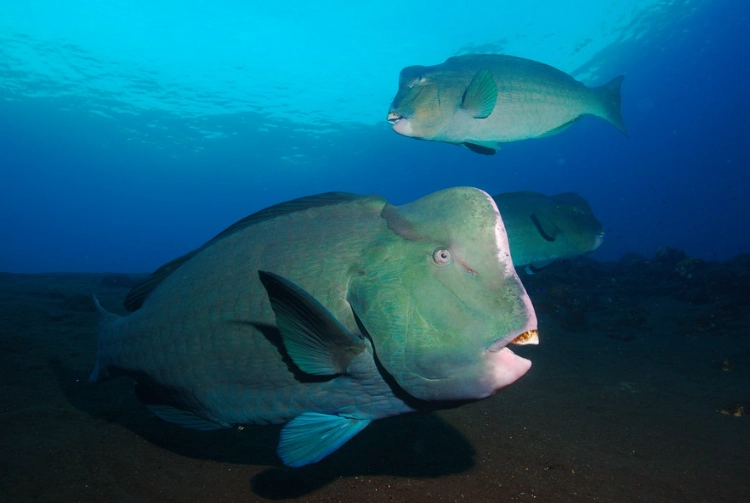
Frequently Asked Questions About Bumphead Parrotfish Teeth
I get a lot of the same questions when I talk about these fish. Here are some of the most common ones, answered as plainly as I can.
Are bumphead parrotfish dangerous to humans?
No, not at all. They are entirely focused on eating coral. They are famously curious and sometimes approach divers, but they are not aggressive. Their bumphead parrotfish teeth are tools for demolition, not weapons. The biggest risk is probably getting accidentally bumped by a large, oblivious individual swimming by. They're not the brightest bulbs in the sea, just incredibly strong.
Do their teeth ever wear out or break?
They wear down constantly, which is why they never stop growing. It's a perfect balance. If they wore down faster than they grew, the fish would starve. If they grew faster than they wore down, the beak would become malformed and useless. The fluorapatite mineral composition is key to this durability. A broken beak in the wild would likely be a death sentence, but the structure is remarkably resilient. You can sometimes see the striated, almost layered, pattern on a cleaned beak specimen, showing the constant growth.
How do they sleep without being eaten?
This is one of their most bizarre and vulnerable behaviors. At night, they often secrete a mucous cocoon around themselves, possibly to mask their scent from predators like sharks and moray eels. They also tend to sleep in large groups in specific, sheltered areas. Unfortunately, this predictable behavior is exactly what makes them easy targets for night fishers.
Can you keep a bumphead parrotfish in an aquarium?
This is practically impossible and highly unethical for several reasons. First, they grow over 4 feet long and need a massive, massive amount of space. Second, their diet is live coral. You would need to constantly supply them with hundreds of pounds of coral, which is ecologically disastrous and financially insane. Third, they are a protected species in many areas. Any you see for sale are almost certainly illegally sourced. Just don't. Appreciate them in the wild or in large public aquariums that can (sometimes) meet their needs.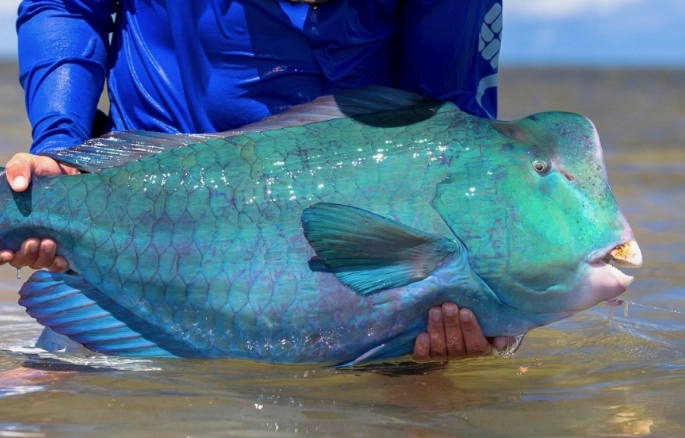
What's the difference between a bumphead and other parrotfish teeth?
It's mostly about scale and specialization. All parrotfish have the fused beak, but the bumphead parrotfish teeth structure is the most massive and robust. Other species have smaller, more delicate beaks suited for scraping rather than excavating. The bumphead's entire skull and jaw musculature are reinforced like a battering ram, whereas a scraper's is built more for precision grazing. Looking at a bumphead skull compared to a smaller parrotfish is like comparing a sledgehammer to a chisel.
What Can We Do? The Path Forward for Reef Guardians
It's not all doom and gloom. Awareness is the first step. Understanding that these odd-looking fish with their incredible bumphead parrotfish teeth are essential changes how we view reef conservation. It's not just about saving the pretty corals; it's about protecting the entire functional machinery.
Concrete actions include:
- Supporting Marine Protected Areas (MPAs): Strongly enforced MPAs where fishing is prohibited are the most effective tool for protecting bumphead populations and allowing them to recover. The evidence is clear: reefs with healthy parrotfish populations are more resilient to other stresses like bleaching. You can support organizations that advocate for and help manage effective MPAs.
- Making Sustainable Seafood Choices: Avoid eating parrotfish. Full stop. In many destinations, they are still sold as a local delicacy. Ask what you're eating and choose alternatives. Consumer pressure matters.
- Supporting Reef-Safe Tourism: Choose dive operators and resorts that follow responsible practices, advocate for conservation, and sometimes even fund local protection efforts. Be a responsible diver—don't chase or harass them, and maintain good buoyancy to avoid damaging the reef yourself.
- Advocating for Climate Action: This is the big one. Reducing carbon emissions to mitigate ocean warming and acidification is the ultimate long-term solution for coral reefs and all the life they support, including our bumpheaded friends.
Research is also ongoing. Scientists are constantly learning more about their movements, spawning sites, and precise ecological impact. For example, a study published in the journal Marine Ecology Progress Series used acoustic tagging to track their movements, providing critical data for designing MPAs that actually protect their home ranges.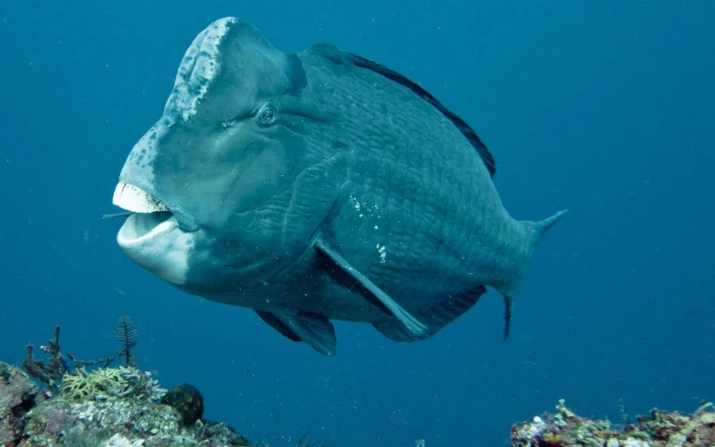
Final thought: The next time you see a picture of a bumphead parrotfish, or if you're lucky enough to see one in the water, don't just see a funny-looking fish with a weird forehead. See the bulldozer. See the architect. See the sandmaker. Those bumphead parrotfish teeth are a masterpiece of evolution, not for killing, but for building and maintaining one of the most vibrant ecosystems on the planet. Losing them would be like losing all the world's gardeners, construction workers, and landscapers at once. The reef would still exist, but it would be a poorer, simpler, and far more fragile place.
We have the knowledge to protect them. The question is whether we have the will.

Comments
Leave a Comment