快速导览
Alright, let's talk about something that freaks out almost every saltwater aquarium keeper at some point. You're doing your daily feeding, maybe just admiring your tank, and you see it. A weird lump. A bump. A growth on your fish's head that definitely wasn't there last week. Your heart sinks a little. Is it a tumor? A parasite? Something contagious that's going to wipe out your whole tank?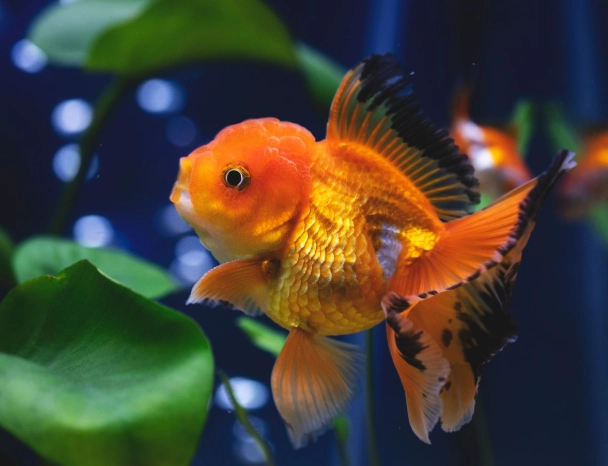
I've been there. I remember staring at my beloved Picasso triggerfish, who had developed a small, white, cauliflower-like growth right between his eyes. Panic set in immediately. After hours of frantic googling (which often leads you down terrifying rabbit holes), consulting with other hobbyists, and even talking to a marine vet, I realized how many different things a bump on a saltwater fish's head could be. The good news? Most of them aren't the end of the world. The bad news? Figuring out which one you're dealing with is the tricky part.
This guide is the one I wish I had. We're going to walk through every possible cause, from the totally harmless to the seriously concerning. We'll look at how to tell them apart, what you can do about it, and when you really need to worry. Because let's be honest, a saltwater fish with a bump on its head is a stressful sight, but knowledge is the best cure for that anxiety.
What Could That Bump Possibly Be?
Think of a bump on a fish's head like a rash on a human. It's a symptom, not a disease itself. It can point to a dozen different underlying issues. The key is in the details—the color, the texture, the speed of growth, and the fish's overall behavior.
Here’s a breakdown of the usual suspects. I’ve ranked them roughly from “most common/least worrisome” to “less common/more serious.” Keep in mind, this isn't always a perfect scale, as a severe case of a common problem can be worse than a mild case of a rare one.
The Top 3 Most Common Culprits
These are the ones you'll encounter most often in the hobby. If I had to bet, your fish's issue probably falls into one of these categories.
Lymphocystis: This is the granddaddy of common fish bumps. It's a viral infection, but before you panic about “virus,” know this: it's often compared to warts in humans. It's usually not fatal and sometimes goes away on its own. The telltale sign? A bump that looks like a tiny bunch of white or pinkish cauliflower or cottage cheese. It grows slowly. It's often on fins first but can appear on the head and body. The fish usually acts completely normal—eating, swimming, no flashing or scratching. Stress is a huge trigger. I'm convinced my triggerfish got it after a big water change I rushed. The treatment is mostly about improving water quality and reducing stress, not direct medication. Seeing a saltwater fish with a bump on its head caused by Lymphocystis is frustrating, but it's rarely an emergency.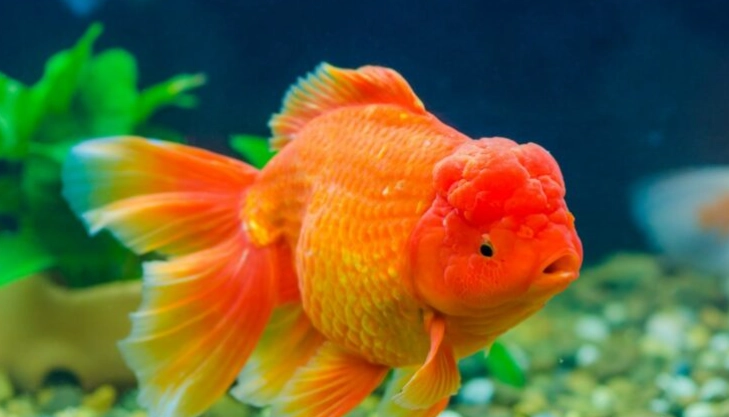
Head and Lateral Line Erosion (HLLE): This one is sneaky and sadly common, especially in tangs, surgeonfish, and angelfish. It doesn't always start as a “bump.” It often begins as small pits or erosions along the lateral line (the line running along the fish's side) and on the head. As it progresses, these pits can become inflamed and appear as raised, bumpy, or stringy lesions. The skin looks eaten away. The cause is heavily debated but is strongly linked to poor nutrition (specifically a lack of vitamins and greens) and poor water quality, particularly high nitrates and the use of activated carbon. It's a chronic condition. If you see pitting or weird texture changes around the head, think HLLE.
Injury or Abscess: Fish bash into things. They fight. They get nipped by tankmates. A simple injury to the head can become infected under the scales, leading to a localized abscess—a swollen, fluid-filled bump. It might be reddened or have a different color. You might see a single, defined bump rather than multiple or textured growths. The fish might be lethargic if it's a bad infection. Think about your tank's dynamics. Did you add a new fish recently? Did you rearrange the rocks? An injury is a straightforward cause for a sudden bump on a saltwater fish's head.
The More Serious Possibilities
These require more immediate attention and often specific treatment. Don't assume it's one of these, but don't rule them out if the symptoms fit.
Parasitic Cysts (like Turbellarian Flatworms): Some parasites don't just swim around; they embed themselves. Certain flatworms can form cysts under the skin, appearing as small, raised bumps. They might be translucent or have a slight color. Sometimes you can even see the parasite inside if you look very closely. The fish might flash (scratch against objects) or show irritation. Marine Ich (Cryptocaryon irritans) is a different parasite that looks like white salt grains, usually on fins and body first, but severe infestations can cover the head.
Bacterial Infections (like Mycobacterium marinum - Fish Tuberculosis): This is a heavy one. Bacterial granulomas can form lumps under the skin. They might be irregular, ulcerate (break open), and don't respond to typical antibiotics. Fish TB is a zoonotic disease (it can spread to humans through open wounds), so caution is needed. Symptoms are often systemic—weight loss despite eating, lethargy, spinal deformities over time, and yes, nodules or bumps. It's not super common, but it's a reason to practice good hygiene (use aquarium gloves if you have cuts).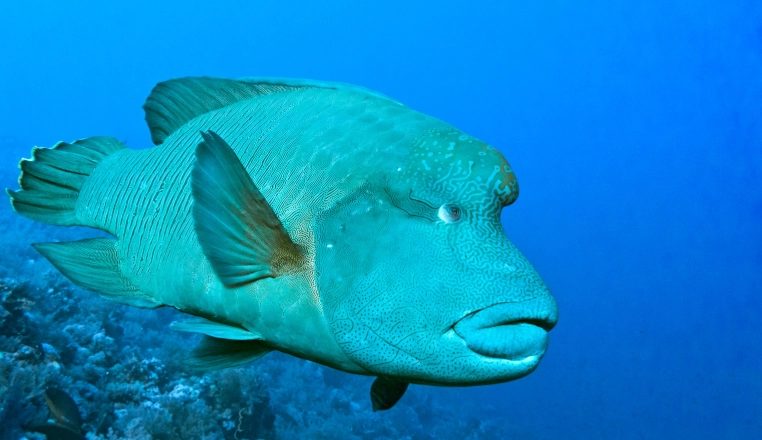
Tumors (Neoplasms): Yes, fish get cancer. Tumors can be benign or malignant. They tend to be solid, firm lumps that grow steadily over a long period. They can be smooth or rough. Diagnosis is tough without a vet taking a sample. Age can be a factor. There's often little to be done except provide palliative care and maintain excellent water quality. It's a hard one to accept, but it's a natural possibility.
How to Play Detective: Diagnosing the Bump
You can't just guess. You need to investigate. Here’s your step-by-step action plan the moment you spot that saltwater fish with a bump on its head.
Step 1: Observe Like a Hawk. Don't just glance. Sit by the tank for 15 minutes. Use a flashlight if needed. Note everything.
- Appearance: Color? White, pink, red, black? Texture? Smooth, rough, cauliflower-like, stringy? Single bump or multiple?
- Location: Just on the head? Also on fins or body? Symmetrical?
- The Fish's Behavior: Is it eating normally? Breathing heavily? Scratching on rocks (flashing)? Hiding? Acting listless?
- Other Fish: Does anyone else in the tank show similar signs?
Step 2: Do a Tank Audit. The environment holds clues. Test your water parameters now. Not yesterday's numbers, today's.
- Ammonia, Nitrite, Nitrate, Phosphate, pH, Salinity. Write them down.
- Recent changes? New fish, new decor, a big water change, a medication dose?
- Diet: What have you been feeding? Is it varied? Heavy on pellets, light on greens?
Step 3: Compare to the Symptom Chart. This table is your best friend for narrowing it down. Match what you see.
| Condition | What the Bump Looks Like | Common Locations | Fish Behavior | Key Clues |
|---|---|---|---|---|
| Lymphocystis | White/pink, cauliflower or clumped grapes texture. | Fins, head, mouth. Can be anywhere. | Usually normal. Eats well. | Grows slowly. Often follows a stress event. |
| HLLE (Early) | Pitting, erosions, not always raised. Later can be inflamed bumps/strings. | Head, lateral line (side of fish). | Normal early on. May lose appetite later. | Common in tangs/angels. Check diet & nitrates. |
| Injury/Abscess | Localized, swollen, may be red or inflamed. Can be soft or firm. | Anywhere, often a single spot. | May be lethargic if infected. | History of aggression or tank changes. |
| Parasitic Cyst | Small, round, may be translucent. Could see specks inside. | Anywhere on skin/gills. | Flashing, scratching, irritation. | Look for other parasites (like Ich spots) on body. |
| Bacterial Granuloma | Irregular lump, may ulcerate (open sore). | Anywhere. | Often systemic: weight loss, lethargy. | Doesn't respond to common treatments. Chronic. |
| Tumor | Solid, firm lump. Smooth or rough. Grows steadily. | Anywhere. | Normal until it affects organ function. | Often in older fish. Very slow progression. |
See how behavior and appearance narrow it down? A fish with a cauliflower bump that's eating like a pig is a totally different case from a fish with a red swollen bump that's hiding and not eating.
Your Action Plan: Treatment and Care
Okay, you've got a likely suspect. Now what? Treatment is entirely cause-dependent. Throwing an antibiotic at a viral problem (Lympho) does nothing. Throwing a parasite treatment at a bacterial abscess wastes time.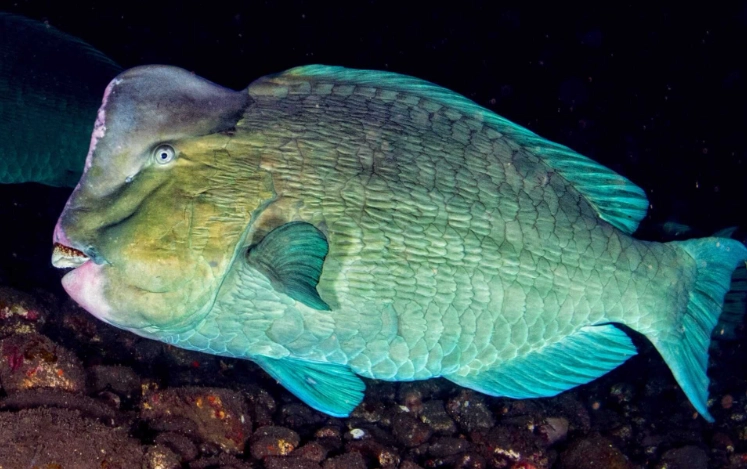
For Lymphocystis & HLLE (The Environmental/Stress Issues)
The treatment here is all about the tank, not the fish directly.
- Improve Water Quality: This is non-negotiable. Do a series of smaller water changes (10-15% every few days) with high-quality salt mix. Get nitrates and phosphates as low as possible. Consistency is key. Resources like the Reef2Reef forums are full of threads on managing nutrients.
- Boost Nutrition: Especially for HLLE. This was a game-changer for me. Soak foods in a vitamin supplement like Selcon or Zoe. Feed nori (seaweed) sheets daily for grazers. Add fresh, gut-loaded foods like mysis shrimp. A study published by the National Oceanic and Atmospheric Administration (NOAA) on aquaculture fish health consistently highlights the role of micronutrients in disease resistance.
- Reduce Stress: Ensure proper tankmate compatibility. Provide adequate hiding spaces. Don't tap on the glass. Maintain stable parameters. Sometimes, just fixing the environment allows the fish's immune system to handle the bump on its head.
For Injuries, Abscesses, & Bacterial Issues
This is where a hospital tank becomes essential. You don't want to treat your main display with antibiotics if you can avoid it.
- Set Up a Hospital Tank: A simple 10-20 gallon tank with a heater, filter (like a sponge filter), and no substrate. Use water from your main tank to start.
- Antibiotic Treatment: For a suspected bacterial abscess, antibiotics like Kanamycin, Metronidazole, or products like Seachem Kanaplex are options. You must follow the dosage instructions exactly and complete the full course. The American Veterinary Medical Association (AVMA) provides guidelines on the responsible use of antimicrobials in animals, which is a good principle to follow.
- Clean Water: In the hospital tank, perform small daily water changes (10-20%) to remove waste and keep the medication effective.
For Parasitic Issues
If you suspect embedded parasites, different medications are needed.
- Copper Treatment: For many external parasites, copper-based treatments in a hospital tank are the standard. You MUST use a copper test kit to maintain the therapeutic level. Copper is toxic to invertebrates and algae, so never use it in your main reef tank.
- Freshwater Dip: As a diagnostic and temporary relief tool, a freshwater dip (matching pH and temperature) can cause some parasites to detach. You might see them fall off. It's not a cure but can confirm parasites are present.
See the pattern? Diagnosis first, then targeted action. Scattershot treatment usually fails.
Prevention: Stop the Bump Before It Starts
An ounce of prevention is worth a pound of cure, especially in a closed saltwater system. Most causes of a saltwater fish with a bump on its head are preventable.
- Quarantine Every New Fish: I can't stress this enough. A 4-6 week quarantine in a separate tank allows you to observe for diseases like Lympho or parasites before they enter your display. It's the single best practice you can adopt. The Reef2Ref Quarantine Process is a community-vetted gold standard.
- Master Your Water Quality: It's not just about zero ammonia. Stable salinity, low nitrates/phosphates, proper alkalinity and calcium (for reef tanks). Invest in a good test kit and test regularly.
- Feed a Varied, High-Quality Diet: Don't just feed one type of pellet. Rotate between high-quality pellets, frozen mysis, brine shrimp, spirulina, and nori. Soak foods in vitamins weekly. A well-fed fish is a resilient fish.
- Design a Low-Stress Tank: Research fish compatibility thoroughly. Don't overcrowd. Provide ample rockwork for hiding and establishing territories. Use dimmable lights or provide shaded areas.
Common Questions & Straight Answers
Is a bump on my fish's head contagious?
It depends on the cause. Lymphocystis is contagious to other fish, but a healthy immune system often fights it off. HLLE is not contagious—it's a dietary/environmental syndrome. Bacterial and parasitic causes can be contagious. This is why isolation (hospital tank) is crucial when you're unsure.
Will it go away on its own?
Sometimes. Lympho often does, but it can take weeks or months. HLLE can stop progressing and even heal with improved care, but severe pitting may leave scars. An abscess or bacterial infection will almost always get worse without treatment.
Should I try to pop or remove the bump?
Absolutely not. You risk causing a severe secondary infection, introducing pathogens into the water, and putting immense stress on the fish. The only exception is a surgical procedure by a professional under sedation for a large, obstructive growth.
When should I consider euthanasia?
This is the hardest decision. Consider it if the fish is clearly suffering: unable to eat, unable to swim properly, covered in lesions that are deteriorating, or showing signs of a systemic and untreatable disease like advanced Fish TB. The most humane method is an overdose of clove oil, which induces sleep then death. It's a peaceful process. Don't let a fish suffer for weeks because you can't make the call.
Can I use human antibiotic cream on the bump?
No. These creams are not formulated for aquatic use, can be toxic in water, and are ineffective when diluted. Use medications designed for aquarium use.
Wrapping It Up: Don't Panic, Do Investigate
Finding a saltwater fish with a bump on its head is a rite of passage for marine aquarists. It's alarming, but it's rarely an instant death sentence. The biggest mistake is frantic, uninformed action.
Start with observation. Be a detective. Use the chart. Test your water. Think about what's changed. In many, many cases, the fix involves going back to the basics: cleaner water, better food, and less stress. It's boring advice, but it works.
For the more serious stuff, having a hospital tank ready and knowing how to use it is your best weapon. And remember, the fishkeeping community is huge. Don't be afraid to take clear photos and ask for help on reputable forums. Just make sure to include all those details—water params, behavior, tank size. It makes all the difference in getting good advice.
Your fish is relying on you to figure it out. Take a deep breath, grab your notebook, and start the investigation. You've got this.


Comments
Leave a Comment