Quick Guide
- What Exactly Makes Orchid Mantis Care "Tricky"?
- Setting Up for Success: Your Orchid Mantis Habitat Checklist
- The Daily and Weekly Routine: What Does "Hard" Actually Look Like?
- Lifespan and the Emotional Investment
- Common Questions (The Stuff You're Really Wondering)
- The Ethical Consideration and Conservation
- Final Verdict: Is Keeping an Orchid Mantis Hard For YOU?
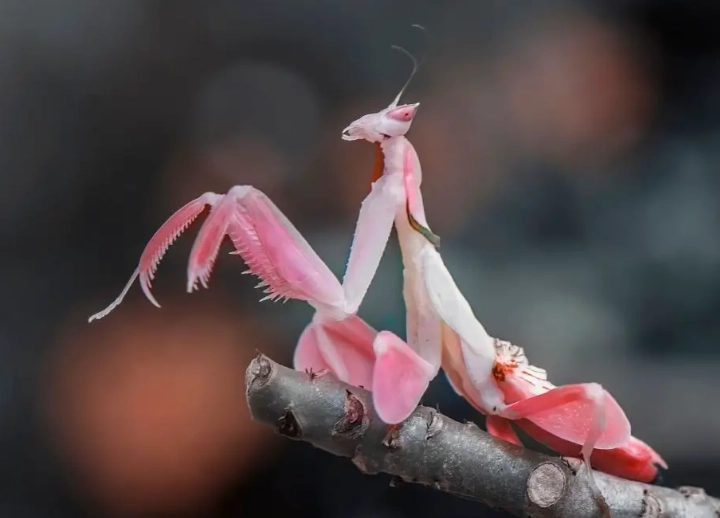
So, you've seen the pictures. A living flower, delicate pink and white, perched elegantly on a stem. The orchid mantis (Hymenopus coronatus) is arguably the most stunning insect you could ever consider keeping. It looks like it belongs in a fairy tale, not a plastic container on your shelf. But that stunning appearance leads directly to the big question buzzing in every potential keeper's mind: is it hard to keep an orchid mantis?
Let's cut to the chase. The short, honest answer is: yes, it can be. They are not the hardest exotic pet out there, but they are firmly in the "intermediate to advanced" category, especially compared to a stick insect or some common tarantula species. Calling them "easy" does a disservice to both you and the animal. But "hard" is relative. If you're willing to learn, be consistent, and pay attention to details, the challenge is incredibly rewarding. This isn't about scaring you off; it's about giving you the real, unfiltered picture so you can decide if you're up for it. I've had my share of successes and, frankly, some frustrating failures along the way. We'll get into all of that.
What makes people ask, is keeping an orchid mantis difficult? It usually boils down to three big things: their strict environmental needs, their specific dietary requirements, and their relatively fragile nature compared to other mantises. They're not a pet you can set up and forget about for a week. They demand a keeper's attention.
What Exactly Makes Orchid Mantis Care "Tricky"?
Let's unpack the difficulty piece by piece. It's not one monumental task, but a series of specific, interconnected requirements that you need to get right.
The Humidity Hustle: It's Non-Negotiable
This is, in my experience, the number one reason new keepers struggle. Orchid mantises come from the warm, humid rainforests of Southeast Asia. Replicating that moisture in the air is crucial. We're talking about maintaining 60-80% relative humidity consistently. Too low, and your mantis will have a disastrous, often fatal, molt. Its exoskeleton dries out before it can fully emerge, leaving it trapped. I've seen it happen, and it's heartbreaking.
Too high, however, and you're inviting a different set of problems: mold and fungal growth in the enclosure, which can lead to respiratory issues for the mantis. So you can't just spray a ton of water in and call it a day. You need balance. This means using a quality hygrometer (don't rely on guesswork!), a well-ventilated but not drafty enclosure, and a regular misting schedule with dechlorinated or distilled water. Some keepers use automated misting systems for consistency. Is it hard to maintain orchid mantis humidity? It requires diligence and the right tools, so yes, it's a step up in commitment.
The Temperature Tightrope
Closely tied to humidity is temperature. A range of 75-85°F (24-30°C) is ideal. Room temperature often isn't enough, especially in cooler climates or during winter. You'll likely need a small, low-wattage heat source like a heat mat placed on the *side* of the enclosure (never underneath, as it can cook the mantis from below). Again, a reliable thermometer is essential. Fluctuations outside this range can lead to lethargy, refusal to eat, and molting problems.
The Picky Eater Problem
Orchid mantis nymphs (babies) are voracious but tiny. Their primary food should be flying insects. The gold standard is fruit flies (Drosophila melanogaster for early instars, D. hydei for later ones). You'll need to culture these or buy them regularly. As they grow, you can move to small crickets, green bottle flies, and moths. Here's a personal opinion: I find they do much better on a varied diet of flies and moths than on a monotonous cricket diet. Crickets can also sometimes be aggressive or carry parasites if not from a clean source.
The key is offering prey that is moving and stimulating. A dead insect is usually ignored. You also have to gauge the size perfectly—prey should be no larger than the mantis's head or thorax. Watching a tiny L2 nymph hunt a fruit fly is one of the coolest things you'll ever see.
The Delicate Dance of Molting
All mantises molt, but orchid mantises seem especially vulnerable during this process. They need plenty of vertical height (at least 3 times their body length) and sturdy anchor points like twigs or mesh to hang from. Any disturbance, incorrect humidity, or lack of space can lead to a mismolt. Every time your mantis goes into pre-molt (you'll notice it refusing food and hanging still), it's a tense few days. You have to resist the urge to check on it constantly. This aspect of care, the passive waiting, can be mentally challenging.
Setting Up for Success: Your Orchid Mantis Habitat Checklist
Getting the enclosure right from the start solves half the potential problems. Here’s a detailed breakdown of what you need. Think of this as your shopping and setup list.
| Component | Specific Recommendation | Why It's Critical |
|---|---|---|
| Enclosure Type | Mesh or screen cage, or a tall glass/plastic terrarium with cross-ventilation. | Provides crucial airflow to prevent stagnant, moldy air while allowing the mantis to grip and hang easily for molting. |
| Size | Minimum 12" tall x 8" x 8" for one adult. Bigger is always better. | Orchid mantises are not overly active, but they need vertical space for the molting process. Cramped spaces are a death sentence. |
| Substrate | Coconut fiber, sphagnum moss, or paper towels. | Helps maintain humidity. Paper towels are easiest to clean but less aesthetic. Moss holds moisture well. |
| Furnishings | Thin, sturdy twigs/branches, fake or live plants (like orchids or pothos), mesh sides or ceiling. | Provides climbing surfaces, hiding spots, and essential anchor points for molting. Live plants can help with humidity. |
| Heating | Small, low-wattage heat mat (5-8W) attached to the *side* of the enclosure. Use a thermostat. | Maintains the crucial 75-85°F range. A thermostat prevents overheating. Never use heat lamps directly. |
| Hydration & Humidity | Fine mist spray bottle, hygrometer, possibly a small water dish (with pebbles to prevent drowning). | Daily light misting provides drinking water and boosts humidity. The hygrometer tells you if you're in the 60-80% zone. |
| Lighting | Indirect natural light or a low-output LED on a 12-hour cycle. No special UV required. | Provides a day/night cycle. Avoid direct sunlight, which can overheat the enclosure. |
Setting this up takes an afternoon and a bit of investment. But a proper setup automates much of the care, making the daily routine simpler. It directly addresses the core question: is it hard to keep an orchid mantis? With a good setup, the difficulty shifts from crisis management to routine maintenance.
The Daily and Weekly Routine: What Does "Hard" Actually Look Like?
Okay, so the tank is set up. What's the daily grind like? This is where you see if it fits your lifestyle.
Daily: Check temperature and humidity readings. Offer food if the mantis is not in pre-molt. A light misting of the enclosure walls and plants (not directly spraying the mantis) is usually needed once or twice a day to keep humidity up. This takes maybe 5-10 minutes.
Every Few Days: Remove any uneaten prey items or carcasses to keep the enclosure clean. Check the water dish if you use one.
Weekly: A more thorough spot-clean of the substrate, wiping down glass, and checking the health of any live plants. This might take 20-30 minutes.
The "hard" part isn't the time commitment—it's the consistency and observation. You need to develop an eye for your mantis's behavior. Is it hanging at the top, not moving much? Probably pre-molt—stop offering food and don't disturb it. Is it actively prowling? Time to feed. Is it spending all its time on the ground? That's a red flag—could be illness, incorrect temperature, or seeking moisture. You become a detective.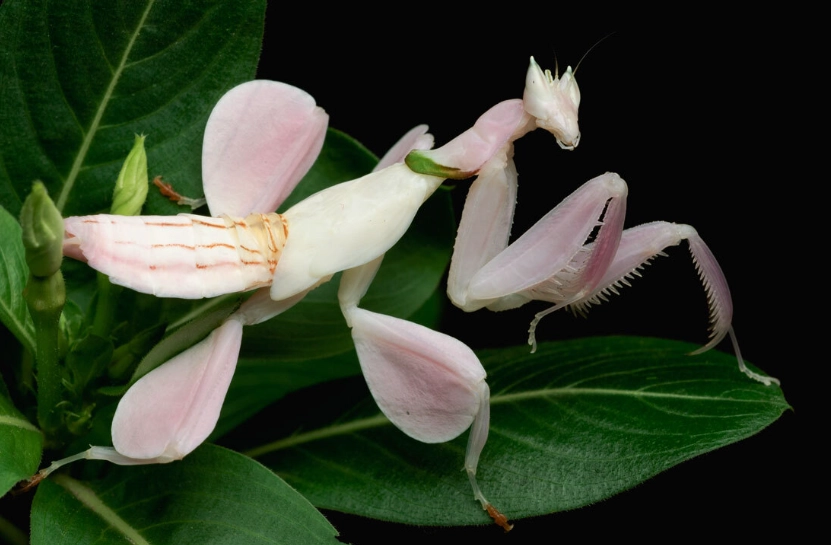
Lifespan and the Emotional Investment
This is a big one that many don't consider upfront. An orchid mantis, from nymph to adult, typically lives about 6-8 months. Females generally live longer than males. After their final molt to adulthood, they have a few months of stunning maturity before age takes its toll.
You invest all this effort, time, and care into a creature with a lifespan shorter than a goldfish's. For some people, that's a deal-breaker. The emotional payoff is intense but brief. You have to be okay with that cycle. On the flip side, their relatively short life means the commitment isn't a decade-long one.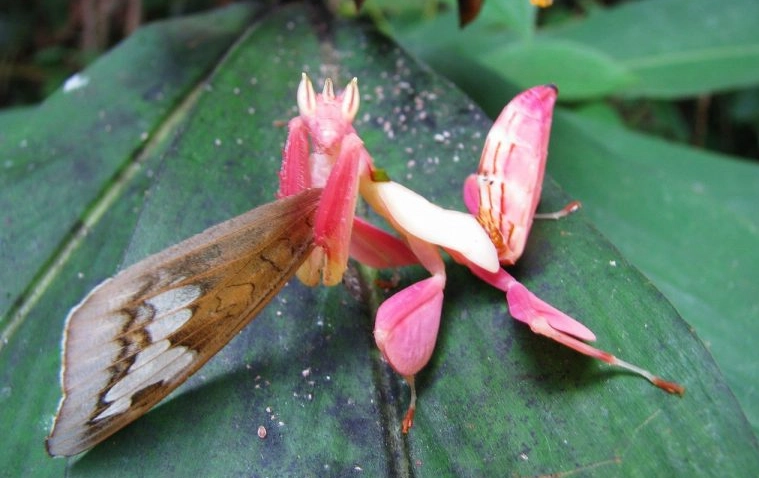
Common Questions (The Stuff You're Really Wondering)
Let's tackle some specific queries that pop up around our main theme.
Are orchid mantises good for beginners?
I would generally say no. Their humidity sensitivity and specific feeding needs create a steeper learning curve. A beginner might not recognize the signs of an impending mismolt or understand how to quickly correct a humidity drop. Starting with a more forgiving species builds foundational knowledge without the high stakes.
Can you handle an orchid mantis?
Very, very carefully and infrequently. They are not "handling" pets like some reptiles. They are delicate, fast, and can be easily injured if they fall. Any handling should be done by allowing them to walk onto your hand, close to a soft surface. The stress can also cause them to refuse food. I mostly enjoy mine from outside the glass.
Where can I buy a healthy orchid mantis?
Always, always buy from a reputable breeder, not a random online classifieds site. Breeders who specialize in mantises will provide healthy, captive-bred nymphs (often labeled by instar, like L2 or L3) and are usually a great source of advice. Look for breeders active in invertekeeper communities or at reptile/exotic pet expos. Avoid wild-caught specimens at all costs; they are often stressed, parasitized, and unlikely to thrive.
Males vs. Females: Is one harder to keep?
Females are larger, more robust, and live longer. They are also the ones that display the full, stunning "orchid" coloration. Males are smaller, slimmer, more flighty, and have longer antennae. They mature faster and die sooner. In terms of care difficulty, males can be slightly more challenging as nymphs due to their smaller size, but the core requirements are the same. Most keepers prefer females for their looks and longer lifespan.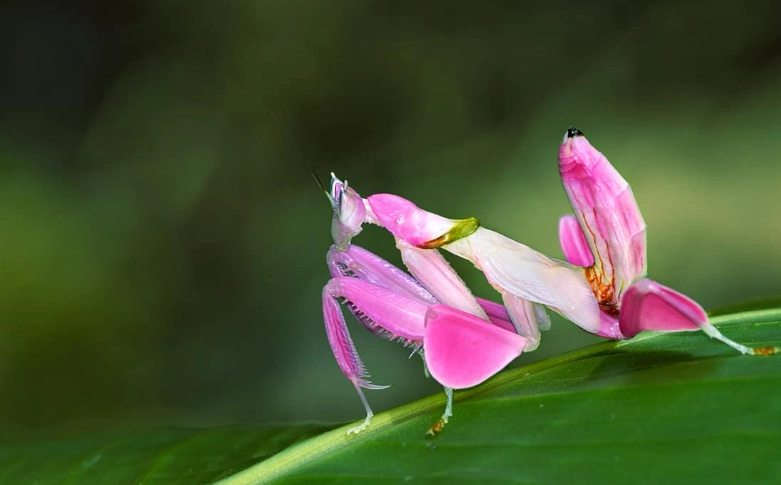
The Ethical Consideration and Conservation
This is important. The orchid mantis is not considered endangered, but its popularity in the pet trade demands responsibility. Always ensure your mantis is captive-bred. Sustainable captive breeding takes pressure off wild populations and produces healthier, hardier animals. Organizations like the Unified Society of Mantis Keepers promote ethical keeping and breeding practices. Being an informed keeper is part of the deal.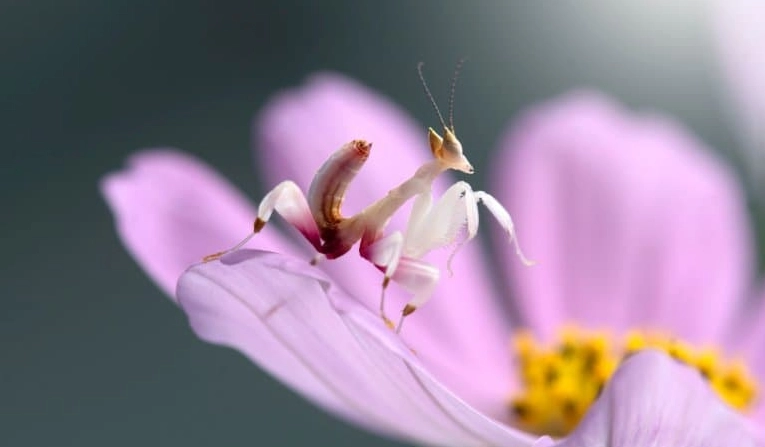
Final Verdict: Is Keeping an Orchid Mantis Hard For YOU?
Let's circle back. is it hard to keep an orchid mantis? Objectively, yes, it presents more challenges than many common pets. It requires specific equipment, daily attention to detail, and a willingness to deal with feeder insects.
But here’s the other side: the challenge is the point for many of us. The reward is witnessing one of nature's most perfect acts of camouflage up close. Watching a nymph grow through its instars, changing color with each molt, is a fascinating biological lesson. The pride in creating a micro-habitat where such a delicate creature thrives is immense.
So, the better question is: are you prepared for the challenge? If you're a meticulous person who enjoys observation over interaction, who doesn't mind a daily routine, and who is ready to research thoroughly before buying, then the difficulty becomes a manageable, even enjoyable, puzzle. If you want a low-maintenance pet you can ignore for days, look elsewhere.
My advice? Read everything you can—from care sheets to forum posts about problems people have faced. Have your entire enclosure set up, cycled, and stable for at least a week before you even order the mantis. Talk to breeders. Then, if you're still captivated by that living flower, take the plunge. You'll know exactly what "hard" means, and you'll be ready for it. And when you see your orchid mantis bloom in your care, all that effort makes perfect sense.


Comments
Leave a Comment