In This Guide
- Living with an Axanthic Ball Python: The Day-to-Day Reality
- Demystifying Axanthic Genetics: It's Not Magic, It's Science
- The Price Tag: What Should an Axanthic Ball Python Cost?
- The Magic of Mixing: Top Axanthic Ball Python Morph Combinations
- Straight Answers to Your Burning Questions
- Making Your Decision: Is the Axanthic Ball Python Right for You?
So you've seen a picture of an Axanthic ball python. Maybe it was a stark black and white photo, all clean lines and monochrome beauty, and it stopped you in your tracks. It's a snake that looks like it stepped out of a graphite sketch. I get it. The first time I saw one at a reptile expo, I spent a good ten minutes just staring, trying to figure out if my eyes were playing tricks. It wasn't yellow. It wasn't brown. It was... gray. And black. And utterly captivating.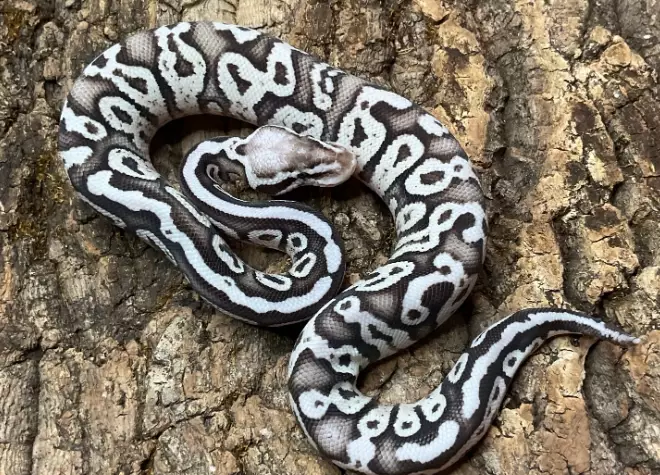
But here's the thing that a lot of those glossy photos don't tell you right away. An Axanthic ball python isn't just a pretty face. It's a specific genetic recipe, a commitment, and for many keepers, a bit of a puzzle. Is it right for you? That's what we're going to unpack, piece by piece, without the fluff and without the hype. We'll talk about what the Axanthic gene actually does, how to keep one of these snakes thriving (not just surviving), and we'll even wade into the murky waters of genetics and pricing. I'll share some of my own stumbles along the way too.
Let's clear up the biggest question right at the start.
The Core of It All: "Axanthic" is a genetic mutation that removes yellow and red pigmentation (xanthophores and erythrophores) from a ball python's color palette. The snake is left with only black, white, gray, and silver tones. It's not albinism (which affects melanin); it's a specific absence of the warm colors. Think of it as nature's grayscale filter.
Living with an Axanthic Ball Python: The Day-to-Day Reality
Okay, let's talk care. This is where people get nervous, thinking a morph as unique as the Axanthic ball python must need some secret, complicated formula. The honest truth? Their care sheet is 99% identical to a normal wild-type ball python. That's the beauty of most morphs—the fancy looks don't come with fancy problems. But there are a few nuances worth discussing.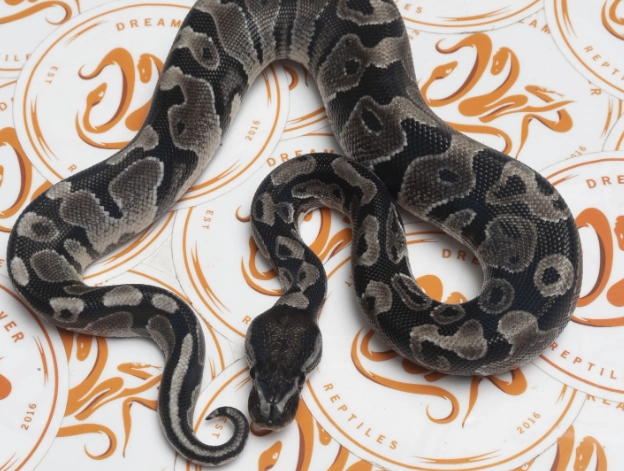
First, the enclosure. The classic debate: tub, tank, or PVC? I've used all three. For baby Axanthics, a simple plastic tub rack system is cost-effective and holds humidity like a dream. But let's be real, you don't buy a snake that looks like living art to keep it in a plastic shoebox. For a display animal, a well-ventilated PVC enclosure or a front-opening glass tank (with modifications) is the way to go. A 4x2x2 foot enclosure is the gold standard for an adult, giving them room to explore and thermoregulate properly.
My Personal Take on Heating: I'm a big believer in overhead heating for ball pythons. A radiant heat panel or a deep heat projector on a thermostat creates a gentle, natural heat gradient from above. Under-tank heaters can work, but I've found they don't do as good a job warming the air and the snake's back when it's perched on a branch. For an Axanthic ball python, a proper thermal gradient is non-negotiable.
Substrate choice matters more than you might think. Cypress mulch and coconut husk are my top picks because they hold humidity well and look natural. Avoid overly dry substrates like aspen if you struggle with humidity, as it can mold when damp. Speaking of humidity, aim for that 60-70% range. During sheds, bump it to 70-80%. A digital hygrometer is your best friend here—the analog dial ones are notoriously inaccurate. I learned that the hard way with a bad shed on my first Axanthic.
Now, about those hides. Don't skimp. You need at least two: one on the warm end and one on the cool end. They should be snug, with just enough room for the snake to curl up inside and touch all sides. A stressed snake is a hiding snake, and a secure snake is a happy, eating snake. This is doubly important for a morph that can sometimes be a bit more observant (some keepers say they're more "alert," but that's anecdotal).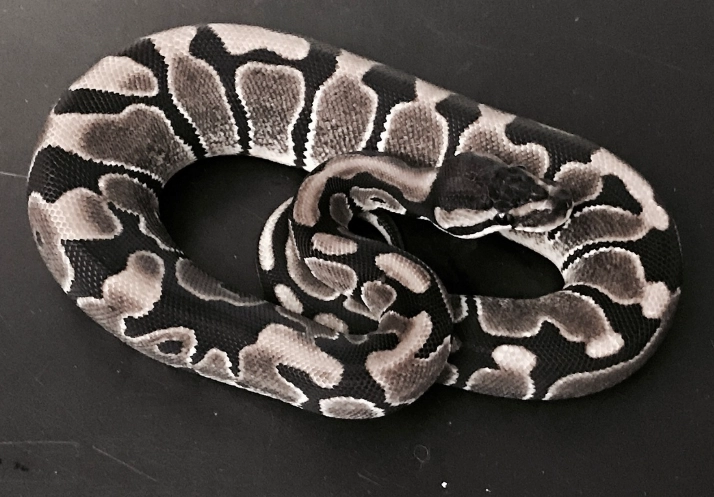
Feeding Your Axanthic Ball: No Special Menu Required
Feeding is another area where myths pop up. No, your Axanthic ball python does not need a special diet. They eat the same frozen-thawed rodents as any other ball python. The key is consistency and reading your snake's cues. A common schedule is an appropriately sized rat every 7-10 days for a juvenile, stretching to 10-14 days for an adult. "Appropriately sized" means a rat with a girth no larger than the snake's widest part.
What if it refuses to eat? This is the number one panic question for new ball python owners. Before you worry about the Axanthic gene causing issues, check the basics: Is the enclosure too big and open? Are the hides secure? Is the temperature correct? Is it in shed? Most refusals are environmental. I had a male Axanthic that would go off food for months every winter, like clockwork. It's normal for some adults. As long as weight loss isn't significant, don't force it.
Demystifying Axanthic Genetics: It's Not Magic, It's Science
This is where a lot of eyes glaze over, but stick with me. Understanding the genetics isn't just for breeders; it helps you, as a buyer, know exactly what you're getting and what it might be worth. The Axanthic trait is a recessive mutation. That means a snake needs two copies of the gene (one from each parent) to visually show the Axanthic appearance.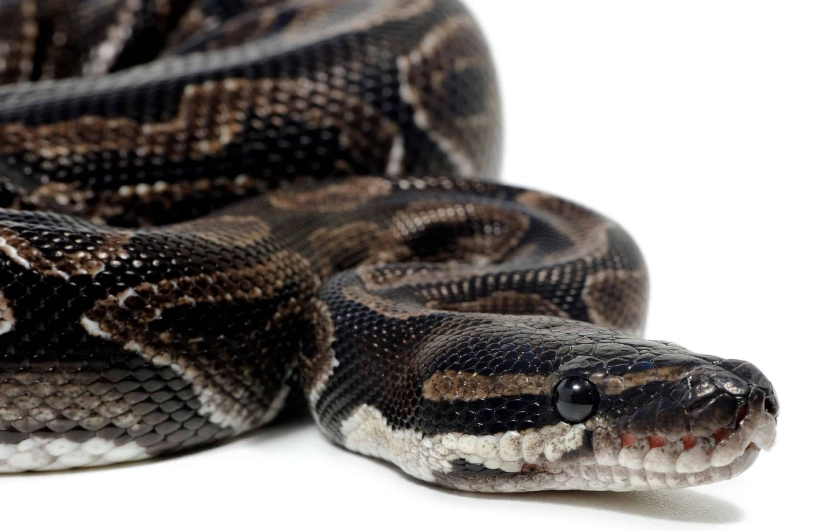
Here’s the breakdown in simple terms:
| Genotype | Visual Appearance | Commonly Called | Can Produce Visual Axanthic Offspring? |
|---|---|---|---|
| Normal / Normal | Looks like a wild-type ball python | Normal | No, unless bred to another carrier. |
| Normal / Axanthic | Looks like a wild-type ball python | Het (Heterozygous) for Axanthic | Yes, if bred to another Het or visual Axanthic. |
| Axanthic / Axanthic | Shows the black, white, gray Axanthic colors | Visual Axanthic, "Super" form | Yes, 100% of offspring will carry the gene. |
See? Not so scary. The tricky part is that there isn't just one "Axanthic" gene. There are several distinct lines that originated from different founder snakes, and they are not compatible. The three main lines you'll encounter are:
- VPI Axanthic: The original, from The Virginia Piper Institute. Known for very high contrast and a tendency to have a purplish-gray hue as babies that fades to gray. This is the line I own, and I love their classic look.
- Joliff Axanthic: Often has a browner background as adults. Some prefer it, some don't. It's a matter of taste.
- Sharp Axanthic: Known for keeping cleaner, brighter white markings into adulthood.
You cannot breed a VPI Axanthic to a Joliff Axanthic and get visual Axanthic babies. The genes are at different loci. This is a critical piece of info for breeders and a common pitfall for newcomers. Always ask a breeder which line their Axanthic ball pythons are from.
For deeper, reliable information on reptile genetics, organizations like the World Herpetocultural Association and resources from major zoological societies provide a scientific backbone to the hobbyist knowledge.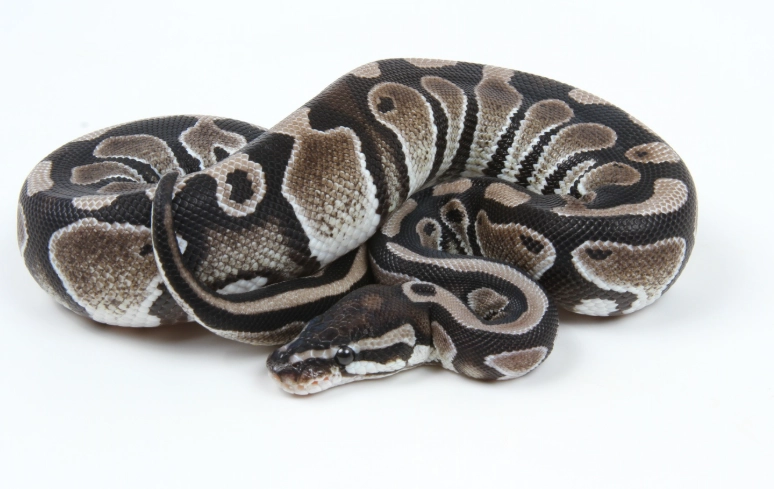
The Price Tag: What Should an Axanthic Ball Python Cost?
Let's talk money. This is the part that makes everyone gulp. The price of an Axanthic ball python is all over the map, and it can be confusing. It depends on a cocktail of factors: lineage, sex, age, and who's selling it.
Breaking Down the Cost (2020s Market)
Baby/Juvenile Visual Axanthic: This is your entry point. For a "plain" Axanthic from a reputable breeder, expect to pay anywhere from $200 to $500. The lower end might be from a newer breeder or a less-popular line. The higher end gets you a proven, high-contrast animal from a sought-after line like VPI.
Adult Breeder Visual Axanthic: Price jumps significantly. A proven breeding female can easily cost $800 to $1500+. She's not just a pet; she's a production asset.
Het (Heterozygous) for Axanthic: Much cheaper, usually $50 to $150. You're buying a project—a normal-looking snake with hidden potential. Perfect for someone who wants to breed down the line.
The "Combo" Tax: This is where prices skyrocket. An Axanthic combined with another morph like Pied, Clown, or Mojave? You're looking at $1,000 to several thousand dollars. The genetics are more complex, and the visual results are often breathtaking.
My advice? Don't buy the cheapest snake you find. A $150 Axanthic from a sketchy online classified ad is a gamble. It might have health issues, be misrepresented, or come from poor genetic stock. Invest in a healthy animal from a breeder who can answer all your questions about lineage, feeding history, and health. The initial cost is just that—initial. Vet bills for a respiratory infection will cost more than the difference between a budget snake and a quality one.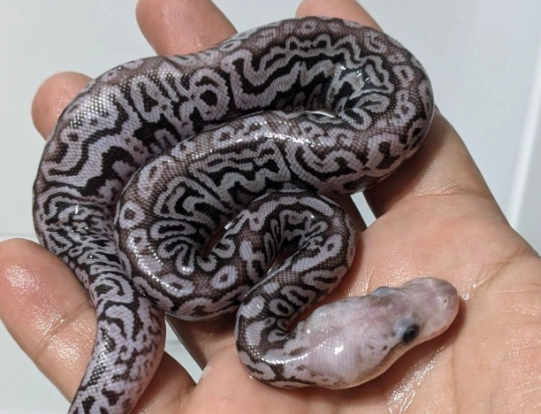
Reputable breeders often showcase their animals and husbandry practices. Following dedicated reptile forums and expos is a better bet than general marketplaces. For ethical standards and animal welfare guidelines, resources from government agricultural departments, like the USDA Animal and Plant Health Inspection Service, underline the importance of responsible breeding and trading.
The Magic of Mixing: Top Axanthic Ball Python Morph Combinations
This is the fun part. The true potential of the Axanthic gene is unlocked when you mix it with other morphs. It acts like a filter, stripping away the yellow and brown from other patterns, revealing something entirely new. Here are a few legendary combos that make my reptile-keeping heart skip a beat.
Axanthic Pied Ball Python: This is the holy grail for many. The Pied gene creates large, irregular patches of pure white. Combine that with Axanthic, and you get a snake that is only black, white, and gray—no yellowing in the white patches at all. It looks like a living yin-yang symbol. Stunning, and with a price tag to match.
Axanthic Clown Ball Python: The Clown gene gives a reduced, banded pattern with a unique head stamp. Add Axanthic, and the typically gold/brown background becomes a cool silver or gray. The contrast is insane. It takes an already beautiful morph and makes it look... crisper.
Super Stripe Axanthic (e.g., Specter x Yellow Belly): This is a personal favorite. The "super stripe" complex creates an almost patternless snake with a dorsal stripe. When you wash it with Axanthic, you get a sleek, silvery-gray serpent with a jet-black stripe running down its back. It's minimalist and powerful.
The possibilities are nearly endless. Axanthic Mojave, Axanthic GHI, Axanthic Banana (which creates an almost monochrome version of the typically yellow Banana)... each combo is a new discovery. It's this potential that keeps serious morph hunters chasing the next great Axanthic ball python project.
Straight Answers to Your Burning Questions
Let's tackle some of the specific questions that pop up in forums and search engines all the time.
Q: Are Axanthic ball pythons more fragile or prone to health issues?
A: No, not inherently. The Axanthic mutation only affects pigment cells. There is no scientific evidence or widespread anecdotal reports linking it to kinking, neurological issues (like the Spider wobble), or weakened immune systems. Their health is dependent on the quality of their care and breeding, not their color.
Q: Do Axanthics change color as they age?
A: Yes, most do, and this is a big one. Many Axanthic ball pythons are born with incredible black-and-white contrast. As they mature, they often "brown out." The white areas can become cream or light tan, and the black can soften to a dark brown. Some lines (like Sharp) are prized for resisting this browning. It's not a sign of poor health, just a genetic trait. Always ask a breeder for pictures of the parents to see how the line ages.
Q: Is an Axanthic ball python a good first snake?
A: This is a nuanced yes. If you have done your homework on standard ball python care, and if you are prepared for the higher initial cost, then absolutely. Their care is standard. The challenge isn't the snake; it's the responsibility and financial commitment. I'd never recommend a rare, expensive morph as a very first reptile, but if you're committed, an Axanthic is no harder than a normal.
Q: Can you breed two different lines of Axanthic together?
A: As mentioned earlier, generally no. Breeding a VPI to a Joliff will produce all normal-looking babies that are double heterozygous (hets for both genes). To get visual Axanthics, you must breed within the same genetic line. This is a critical piece of knowledge that separates informed breeders from hopeful guessers.
Making Your Decision: Is the Axanthic Ball Python Right for You?
Let's bring it all home. After all this talk of genetics, prices, and care, how do you decide?
Ask yourself these questions honestly:
- Budget: Can you comfortably afford not just the snake ($300+), but the full setup (another $300-$600), ongoing food costs, and a vet fund?
- Commitment: Are you ready for a pet that can live 30+ years with proper care?
- Goal: Are you buying a pet, or a future breeder? Your answer drastically changes what you should buy (pet-quality visual vs. proven breeder vs. het).
- Aesthetics vs. Practicality: Do you love the Axanthic look enough to potentially deal with a snake that browns out with age? Or are you set on a line known for holding its contrast?
For me, getting my Axanthic was about the fascination with genetics made visible. It's a living lesson in recessive inheritance. But more than that, he's just a cool, calm snake with a personality all his own. He's not "better" than my normal ball python, just different.
That's the real secret.
The Axanthic ball python, stripped of its yellow hues, reminds us that beauty in the reptile world isn't just about flashy colors. It's about contrast, pattern, and the subtle elegance of a simplified palette. It's a snake for the connoisseur, the artist, and the curious keeper who looks beyond the ordinary. Whether you end up with one on your shelf or just enjoy them from afar, understanding what makes them tick makes the whole hobby richer.
Do your research, find a great breeder, and if you take the plunge, enjoy the journey with your piece of monochrome magic. Just remember to post pictures. We all want to see.

Comments
Leave a Comment