In This Guide
- It's All About the Crunch: Texture and Flavor Profile
- How It Gets to Your Plate: From Ocean to Appetizer
- Popular Jellyfish Dishes You'll Find on Menus
- Is It Safe to Eat? Addressing the Big Concerns
- Nutritional Value: Is It Healthy?
- Your Jellyfish FAQ: Answering Every Question
- Cultural Significance and Where It's Headed
If you've ever scanned the appetizer section of a Chinese restaurant menu, especially at a banquet-style place, you've probably seen it. Nestled between the spring rolls and the cold sliced beef, there's often an item simply listed as "Jellyfish" or "Jellyfish Salad." It sounds exotic, maybe a bit intimidating. Is it really what it sounds like? Is it safe? And more importantly, what does it taste like?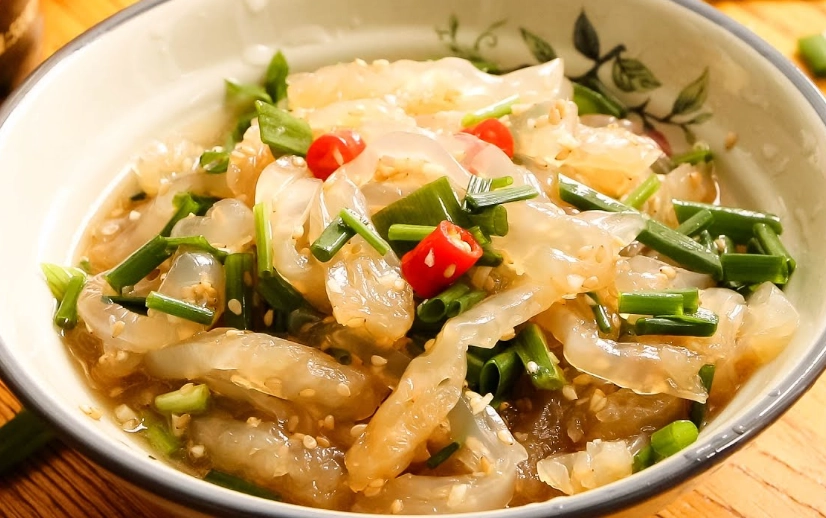
Let's clear this up right away. When we talk about what is jellyfish in Chinese restaurants, we're not talking about the gelatinous, pulsating blob you might see drifting in the ocean. That's the live animal. The dish is made from the edible, umbrella-shaped bell (or "medusa") of certain jellyfish species, primarily Rhopilema esculentum (the edible jellyfish) and others from the order Rhizostomeae. These are harvested, processed through a meticulous salting and alum-curing method that transforms them into a shelf-stable, crisp ingredient. Think of it like turning cucumbers into pickles – the end product is something entirely different in texture and culinary use.
The Core Concept: In the context of Chinese cuisine, "jellyfish" refers to the cured, desalted, and sliced umbrella of specific jellyfish species. It's valued almost exclusively for its unique crunchy, chewy texture and its ability to carry savory, tangy, or sesame-based dressings. It has very little flavor of its own.
I remember my first encounter with it as a kid at a family wedding banquet. It looked like a pile of translucent, off-white noodles. I was skeptical. But one bite was a revelation – not of some strong fishy taste, but of this incredible, clean crunch that was unlike anything else. It was refreshing. That's the experience most first-timers have. The mystery of what is jellyfish in Chinese food really boils down to texture.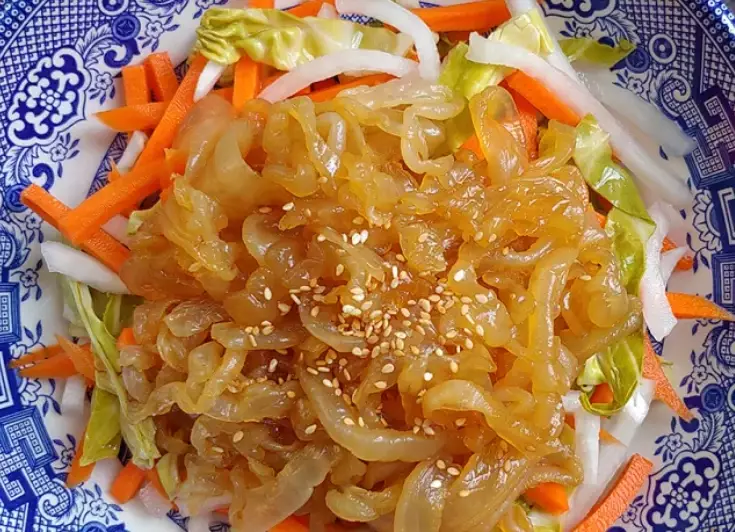
It's All About the Crunch: Texture and Flavor Profile
Forget flavor for a second. The star of the show is the mouthfeel. Describing it is tricky. It's not the crisp snap of a fresh vegetable like celery or jicama. It's also not the soft chew of a mushroom or squid.
It's its own thing. The best way I can put it is a firm, resilient, almost cartilage-like crunch that gives way with a clean break. Some varieties are thinner and more delicate, offering a lighter crispness. Others are thicker and provide a more substantial, rubbery-chewy resistance (in a good way). It's utterly satisfying.
As for taste, on its own after preparation, it's very mild and neutral. It has a faint, clean salinity from the sea and the curing process, but it's not "fishy" at all if prepared correctly. This blandness is its greatest strength. It acts as a perfect, crunchy canvas for the sauces and dressings it's paired with. The flavor you taste is the flavor the chef adds.
Here's a personal take: I've had badly prepared jellyfish before. Sometimes, if it's not rinsed enough during the desalting stage at the restaurant, it can be unpleasantly salty. It's a reminder that even with a simple ingredient, technique matters. A good version should be seasoned by the dressing, not by residual curing salt.
So when someone asks what is jellyfish in Chinese restaurants from a sensory perspective, you can tell them: imagine a uniquely crunchy, slightly elastic ingredient that tastes mostly of sesame oil, vinegar, soy sauce, and maybe a hint of chili. The jellyfish itself provides the fascinating structure.
How It Gets to Your Plate: From Ocean to Appetizer
You don't just catch a jellyfish and slice it up. The process is ancient and crucial for both safety and achieving that signature texture. Fresh jellyfish are about 95% water and can decompose rapidly. More importantly, the tentacles (which are almost never used in the dish) can carry stinging cells.
The traditional preservation method involves a multi-step curing process using a mixture of salt and alum (aluminum potassium sulfate). This isn't the scary chemical it might sound like; it's a common food additive used in pickling for crispness. The process, often detailed in food science and aquaculture resources, draws out the water, firms up the gelatinous structure, and prevents spoilage. The result is a firm, leathery sheet that can be stored for months. You can find technical overviews of this process from sources like the Food and Agriculture Organization (FAO) of the United Nations, which documents traditional fishery methods.
In the restaurant or home kitchen, these cured sheets are then rehydrated and desalinated by soaking in water for several hours, with multiple water changes. This is a critical step. After soaking, they are typically cut into thin strips or shredded. Finally, they are blanched very briefly in hot water—sometimes just a dip—to tighten the texture further. Over-blanching turns it soft and disappointing, losing all its charm.
Then, it's tossed with a dressing. And that's where the magic happens.
Popular Jellyfish Dishes You'll Find on Menus
Now that we know what is jellyfish in Chinese food made of, let's see how it's served. It's almost exclusively a cold appetizer or a component of a cold platter. You'll rarely see it as a hot main course, though there are exceptions.
Cold Jellyfish with Sesame Oil and Scallions
This is the classic, the staple, the number one way you'll encounter it. The blanched and cooled jellyfish strips are dressed simply with light soy sauce, a generous amount of fragrant sesame oil, a touch of rice vinegar or Chinese black vinegar for brightness, and finely shredded scallions. Sometimes a tiny pinch of sugar is added to balance. The simplicity is key, allowing the texture to shine. The sesame oil aroma is what hits you first.
Jellyfish and Cucumber Salad
A fantastic summer dish. The cool, watery crunch of shredded or julienned cucumber pairs beautifully with the firmer, elastic crunch of the jellyfish. The dressing is similar to the above but often a bit more vinegary and refreshing. It's a textural duet.
Jellyfish and Roasted Chicken/Sliced Pork Platter
On a leng pan (cold platter) at a banquet, jellyfish often shares the plate with other cold cuts like soy-sauce chicken, roast pork, or sliced beef shank. It adds a contrasting texture to the tender meats. Each component is dressed separately, so the jellyfish retains its own flavor profile.
The More Adventurous: Hot Pot and Stir-fries?
Yes, it exists. In some regional cuisines or modern interpretations, jellyfish can be added to hot pot at the very last second—just a quick swish in the broth to warm it slightly without losing its crunch. I've also seen it in quick stir-fries with vegetables. Honestly, I find these preparations risky. It's too easy to overcook it, and the payoff isn't as great as the cold versions. The cold salad is where it's at.
Pro Tip for Ordering: If you're new to jellyfish, start with the classic cold jellyfish with sesame oil. It's the benchmark. If a restaurant does this simple dish well, it's a good sign of their attention to detail with cold appetizers.
Is It Safe to Eat? Addressing the Big Concerns
This is probably the biggest mental hurdle for people. Let's be blunt.
The jellyfish used for consumption are specific, edible species. The dangerous, highly venomous types (like the box jellyfish) are not used. The curing process with salt and alum, as validated by food safety practices, effectively neutralizes any residual stinging cells (nematocysts) that might be present on the bell. The tentacles, where the majority of stinging cells are concentrated, are always removed during processing.
From a food safety authority perspective, properly processed jellyfish is considered safe. The U.S. Food and Drug Administration (FDA) regulates the import of seafood, including jellyfish, and it must meet safety standards. You can review the FDA's Seafood HACCP guidance to understand the framework for safe seafood handling. Reputable restaurants source their jellyfish from approved suppliers who follow these processing protocols.
One Real Caution: The primary risk for the average person is not toxins, but allergy. Jellyfish are marine animals, and individuals with shellfish or seafood allergies should exercise extreme caution and likely avoid it altogether. There is potential for cross-reactivity. If you have a known severe seafood allergy, this is not the dish to experiment with.
Another minor point is the alum. While food-grade alum is generally recognized as safe (GRAS) by authorities in the small quantities used for curing, some people prefer to limit their intake. The soaking and rinsing process in preparation removes a significant amount.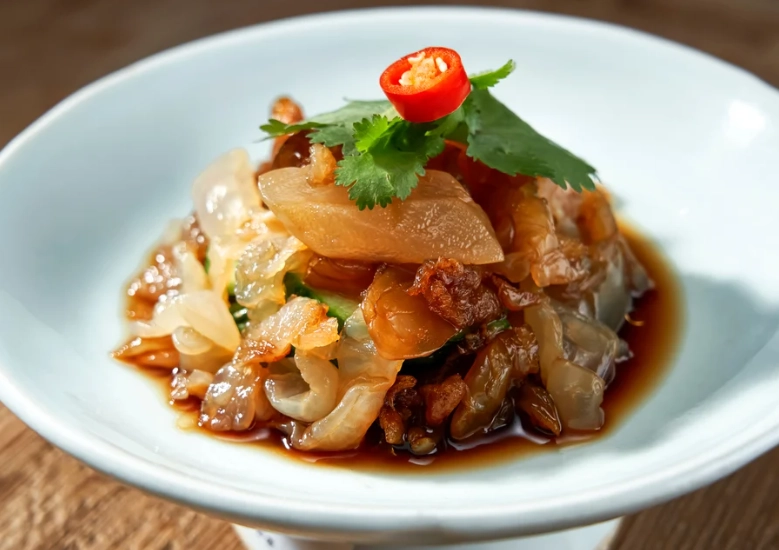
So, to directly answer the safety question nested within what is jellyfish in Chinese restaurants: from a reputable establishment, it is as safe as any other properly handled seafood item. The unique processing method is designed specifically to make it safe and stable for consumption.
Nutritional Value: Is It Healthy?
This is a pleasant surprise for many. Jellyfish is incredibly low in calories and fat. It's mostly protein (collagen, specifically) and minerals. Let's break it down.
| Nutrient (per 100g of prepared jellyfish) | Approximate Value | Why It Matters |
|---|---|---|
| Calories | 20-40 kcal | Extremely low-calorie food. |
| Protein | 4-6 g | Source of collagen, good for skin/joints. |
| Fat | Less than 1 g | Virtually fat-free. |
| Carbohydrates | 0-1 g | Negligible carbs. |
| Sodium | HIGH (varies widely) | The major downside. Comes from curing process. Desalting at home helps. |
| Key Minerals | Selenium, Choline, Iron | Supports antioxidant function, metabolism, and blood health. |
The high collagen content is often touted in Asian food culture as beneficial for skin elasticity and joint health, similar to the claims around chicken feet or fish maw. While eating collagen directly doesn't automatically translate to new collagen in your skin, it does provide amino acids that are the building blocks for it. Research into dietary collagen is ongoing, with institutions like the National Institutes of Health (NIH) hosting studies on its potential effects.
The elephant in the room is sodium.
The curing process makes it very salty. Even after soaking, it can still be a high-sodium food. The dressings (soy sauce, etc.) add more. If you are on a strict low-sodium diet, this is a dish to be very mindful of, or to enjoy only in small, occasional amounts. Asking the restaurant to prepare it with less soy sauce is an option, but the base jellyfish itself will still have some salt.
Your Jellyfish FAQ: Answering Every Question
Does it taste like the ocean?
Not really. Fresh, high-quality, properly prepared jellyfish has a very clean, almost neutral taste with a faint briny hint. The dominant taste is always the seasoning. A poorly prepared one might taste unpleasantly of old seawater and salt.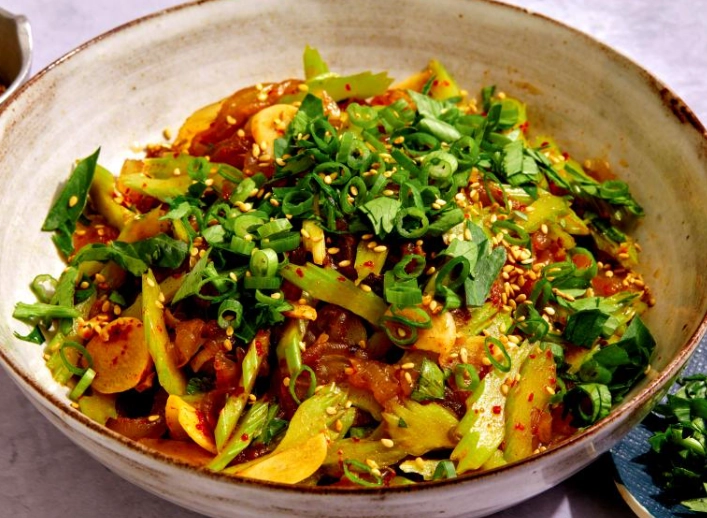
Is it chewy or crunchy?
It's both, but crunch is the first descriptor. It's a firm crunch that then requires a bit of chewing. It's not melt-in-your-mouth tender, and it shouldn't be mushy.
Why is it so expensive sometimes?
Good quality jellyfish isn't cheap. The harvesting and labor-intensive curing process add cost. Thicker, higher-quality "bell" pieces command a higher price than thinner shreds. It's considered a delicacy, not a staple.
Can I buy it and make it at home?
Absolutely. You can find packaged, salted jellyfish in sheets or shreds at most well-stocked Asian supermarkets, often in the dried seafood or refrigerated section. The key is the long, patient desalting process (soak for 6-12 hours, changing water every few hours). Then blanch briefly and dress. It's a test of patience, not skill.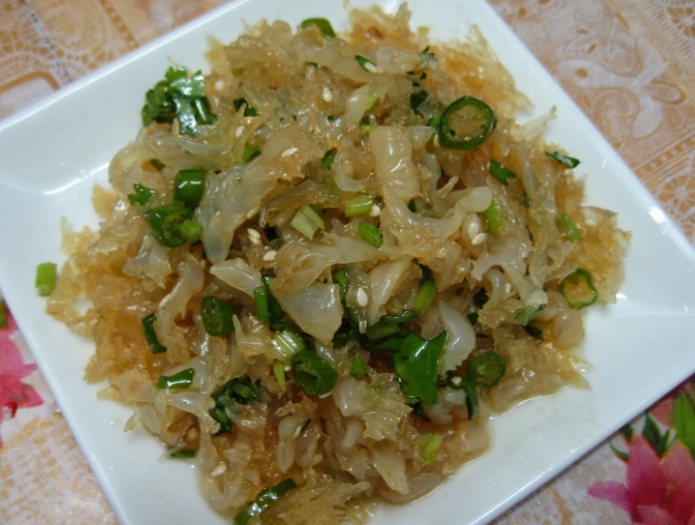
What's the difference between the white and the darker brown jellyfish?
Color can indicate the species, the part of the bell, or the curing method. Generally, paler, almost translucent jellyfish is considered more premium and has a cleaner taste. Darker brown or reddish varieties might have a slightly stronger flavor. Both are fine, but for beginners, the white is usually more appealing.
Is it sustainable?
This is a great question. Jellyfish populations are complex. Some species are booming worldwide due to climate change and overfishing of their predators. Harvesting them for food could be seen as a form of population control. However, like any fishery, sustainability depends on management. Organizations like the Monterey Bay Aquarium Seafood Watch don't have specific ratings for jellyfish yet, as it's a niche product. It's an area worth watching.
Cultural Significance and Where It's Headed
In Chinese culinary tradition, jellyfish isn't just a random appetizer. Its texture is highly prized. The crunch (cui in Mandarin) is a desirable mouthfeel, associated with freshness and skill. Serving it at a banquet signifies a thoughtful, multi-textured meal.
It's also a common dish during Chinese New Year. The long strands of shredded jellyfish can symbolize longevity, and its golden color (from sesame oil) represents wealth and prosperity. It's more than just food; it's a symbol on the plate.
Looking forward, jellyfish is gaining attention in the West beyond ethnic restaurants. It's being explored as a sustainable protein source by scientists and adventurous chefs. You might see it pop up in modern fusion cuisine, though I hope they respect its textural integrity. The core question of what is jellyfish in Chinese restaurants might soon expand to "what is jellyfish in modern gastronomy?"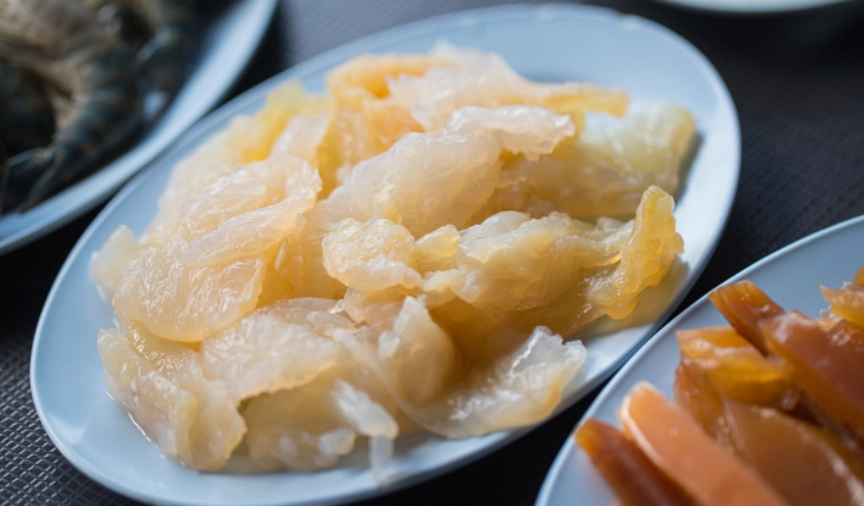
Final thought: I love this dish. But I'll admit, it's not for everyone. If you're a texture person, you'll likely be fascinated. If you're creeped out by the idea, that's okay too. The world of food is big. But if you're curious, the next time you see "Jellyfish Salad" on the menu, give it a try. Order it for the table. You might just discover your new favorite crunchy thing. Just remember, you're not eating the stinging part. You're eating a beautifully preserved, centuries-old example of turning a simple sea creature into a culinary artifact of crunch.
And that, from every angle—texture, taste, safety, nutrition, and culture—is the full story of what jellyfish is in Chinese restaurants.




Comments
Leave a Comment