Quick Navigation
- What Exactly Is a Spanish Shawl? It's Not What You Think.
- The Great Touch Debate: Safety, Slime, and Stress
- How to Responsibly Observe a Spanish Shawl (The Right Way)
- The Spanish Shawl Care Guide (For the Determined Aquarist)
- Your Burning Questions, Answered (FAQ)
- Final Verdict: To Touch or Not to Touch?
You're snorkeling or diving, and there it is – a creature that looks like it swam straight out of a fantasy painting. A vibrant, orange-fringed ribbon with a purple body, gracefully moving across the reef or a piece of kelp. The Spanish shawl (Flabellina iodinea) is honestly one of the most jaw-dropping things you can see underwater. And your first instinct? Probably to reach out and touch it. I mean, who wouldn't? It looks like a living jewel.
I remember the first time I saw one off the coast of California. My brain just short-circuited. "Is that real?" I thought. My hand literally twitched towards it before my training kicked in. That moment is why I'm writing this. The question "can you touch a Spanish shawl" isn't just a quirky search query; it's the natural, almost irresistible reaction of any curious human faced with such beauty.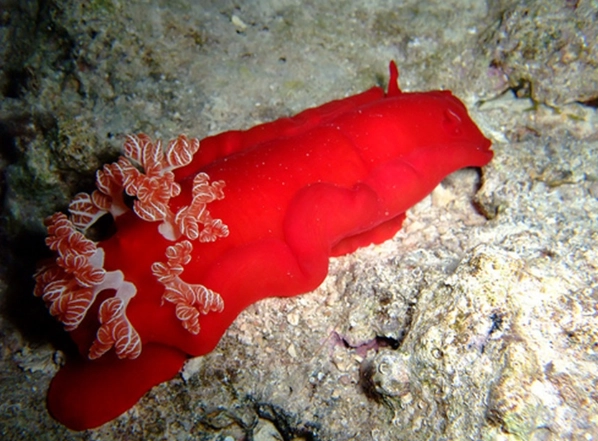
But here's the blunt truth, wrapped in a lot of nuance: you can, but you almost certainly shouldn't. And the reasons are way more interesting than a simple yes or no. This isn't about slapping a generic "look, don't touch" rule on everything. It's about understanding the biology of this specific animal, the risks (to you and to it), and what responsible interaction really looks like. Whether you're a diver, a budding marine biologist, or someone dreaming of a saltwater tank, you need the full picture.
What Exactly Is a Spanish Shawl? It's Not What You Think.
Before we even get to touching, we have to know what we're dealing with. Calling it a "shawl" is poetic, but biologically, it's a bit misleading. The Spanish shawl is a nudibranch (pronounced noo-di-brankk). That's a type of sea slug. The name comes from Latin: "nudus" for naked and "branchia" for gills. They have exposed gills on their backs – those gorgeous, fluffy orange tufts on the Spanish shawl? Those are its gills and cerata (finger-like projections).
It's found in the Pacific Ocean, from British Columbia all the way down to the Galapagos Islands. You'll spot them on rocky reefs, pilings, and especially on their favorite food: hydroids (which are tiny, colonial animals related to jellyfish). They're not rare, but seeing one always feels special.
Their color scheme isn't just for show. That brilliant purple body and neon-orange cerata are a classic example of aposematic coloration – nature's warning sign. It's like a neon billboard that says, "I might be trouble if you mess with me." Which leads us perfectly to the core of our dilemma.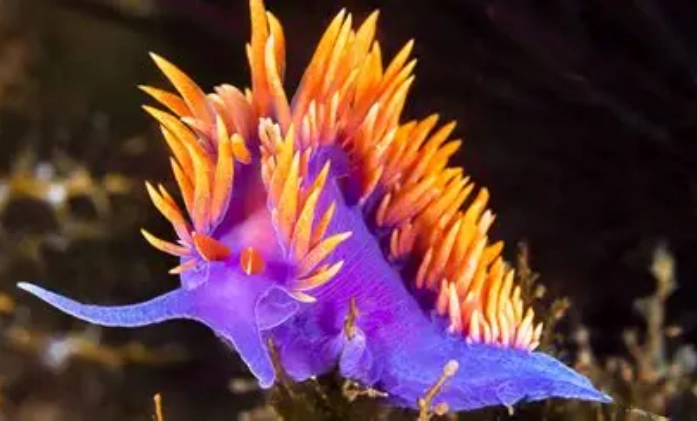
The Great Touch Debate: Safety, Slime, and Stress
Let's break down the question "can you touch a Spanish shawl" into its two main components: is it safe for YOU, and is it safe for THEM?
Part 1: The Risk to You (The Human)
This is where most people's minds go first. "Will it sting me? Poison me?" The answer is... complicated and often overstated.
Nudibranchs are famous for a defense strategy called kleptocnidy. Fancy word, simple concept. They eat stinging animals (like hydroids or anemones), and instead of digesting the stinging cells (nematocysts), they transport them to the tips of their cerata for their own use. The Spanish shawl's primary food is the hydroid Eudendrium ramosum, which has nematocysts.
So theoretically, yes, those orange cerata could pack a sting. But here's the personal take: in decades of diving literature and anecdotal reports, there are very, very few confirmed cases of a Spanish shawl delivering a noticeable sting to a human. We're not talking about a man-o-war level event here. For most people, touching one would likely result in... nothing. Maybe a slight tingling or irritation if you have very sensitive skin, especially if you then rub your eyes.
I once watched a fellow diver (who should have known better) gently poke one. No sting, no drama. But he left a faint, cloudy fingerprint on the creature's side for a few minutes before it slowly faded. That was the slime layer being disturbed. It felt wrong to watch.
Part 2: The Risk to It (The Nudibranch)
This, for me, is the absolute clincher. The reason not to touch a Spanish shawl has far less to do with you and everything to do with them.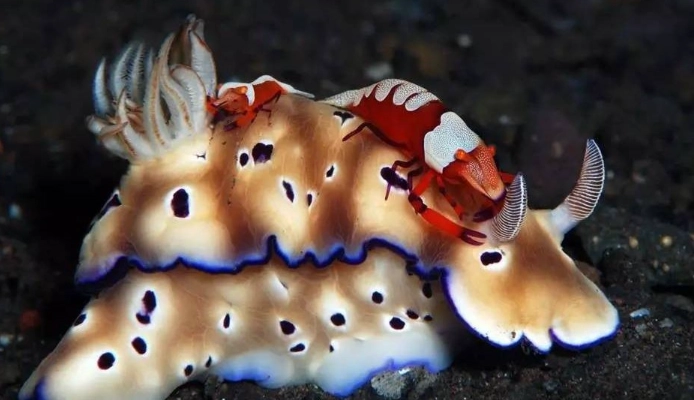
These animals are extraordinarily delicate. Their bodies are soft, unarmored, and that stunning anatomy is also incredibly fragile. Those cerata? They can detach easily. It's a defense mechanism called autotomy (like a lizard losing its tail). If you touch them, you might literally cause parts of the animal to break off. While they can regenerate them, it's a costly energy expenditure for a small creature.
Think about their world. They live in a weightless, buoyant environment. The pressure from a human finger, even a gentle one, is a massive, foreign force. You could cause internal damage without seeing a mark on the outside.
And then there's the slime. That mucus coating is their first line of defense against bacteria, parasites, and physical abrasion. Removing it is like stripping off our top layer of skin. It's an open invitation for trouble. So when you ask can you touch a Spanish shawl, you have to reframe it: "Can I do so without causing it significant stress or potential harm?" The answer is almost always no.
How to Responsibly Observe a Spanish Shawl (The Right Way)
Okay, so touching is off the table for the most part. But the joy isn't gone! In fact, observing them can be more rewarding. Here’s how to be a perfect spectator.
In the Wild (Diving/Snorkeling):
Buoyancy is king. Get your buoyancy control dialed in so you can hover motionless without kicking up sand or bumping into the reef. Get close, but keep a respectful distance—a few inches to a foot is plenty for photos and admiration. Use your eyes, not your hands. Watch how it moves, how its cerata wave in the current. See if you can spot what it's eating. This passive observation is how you see natural behavior, not stress behavior.
Photography? Go for it. But be mindful of your strobes or video lights. Don't blast it with intense light from inches away for minutes on end. It's disorienting for them.
In a Home Aquarium (The Advanced Hobbyist):
This is a different scenario. If you own the tank and the animal, physical contact might occasionally be necessary for maintenance or health checks. But the principles of minimal stress still apply.
- Wet Your Hands First: Always use hands thoroughly rinsed in tank water (never tap water!) before any potential contact. This minimizes the shock of different chemistry and temperature.
- The "Container" Method: Instead of grabbing it, gently coax it onto a small container or piece of rigid plastic, then lift that. Avoid netting if possible, as cerata get tangled.
- Zero-Contact Goal: Even in your tank, the goal should be to design the environment so you never need to touch it. Stable parameters, ample food sources (like hydroid colonies grown on separate rocks), and careful tank mates make hands-off care possible.
I tried keeping one years ago in a dedicated species tank. It was humbling. They're not beginner pets, not by a long shot. Their specialized diet is the main hurdle. You're not just keeping the nudibranch; you're maintaining a culture of its food. The moment I saw it wasn't thriving as it should, I worked with a local aquarium to rehome it. Sometimes admiration from afar, even in captivity, is the better path.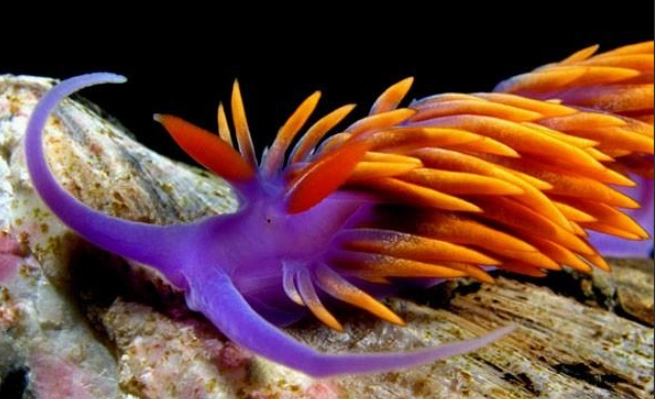
The Spanish Shawl Care Guide (For the Determined Aquarist)
Since the question "can you touch a Spanish shawl" often leads to "can I keep one," here's a brutally honest care sheet. This isn't to encourage impulse buys, but to inform the dedicated few.
| Parameter | Requirement | Why It's Critical |
|---|---|---|
| Tank Size | Minimum 10 gallons, but 20+ is better for stability. | They don't swim far, but water volume dilutes waste and stabilizes temperature/chemistry. |
| Temperature | 55-65°F (13-18°C) for temperate species. Cool water is a must. | They are cold-water creatures. Standard tropical tank temps (78°F) will kill them quickly. |
| Diet (The Big One) | Live hydroids (Eudendrium ramosum primarily). | They are obligate feeders. Will not accept frozen food, algae, or generic "invertebrate diets." You must culture hydroids. |
| Tank Mates | Extremely careful selection. Best in a species-only tank. | Any fish, shrimp, or crab will likely pick at its cerata. Other peaceful nudibranchs might work. |
| Water Flow | Low to moderate, well-oxygenated. | They are not strong swimmers. High flow will pin them or blow them around. |
| Handling | Avoid completely. Use container method if essential. | Reiterating the core theme: their fragility cannot be overstated. |
The challenge of their diet is why you see so few in home aquariums, and why public aquariums with dedicated cold-water systems are often the only places that can keep them long-term. It's a full-time commitment.
Your Burning Questions, Answered (FAQ)
Let's tackle the related questions swirling around that main query. These are the things people are really wondering after they ask can you touch a Spanish shawl.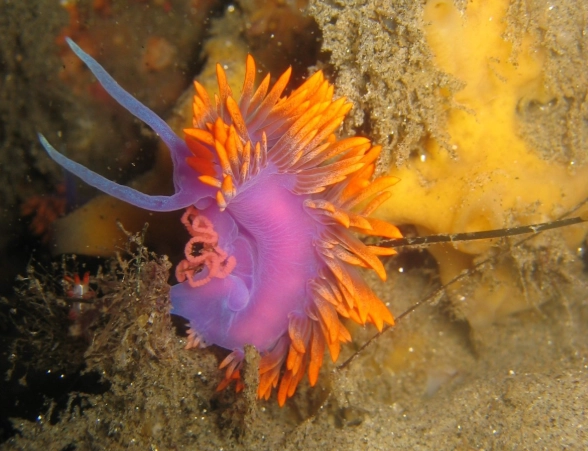
Is the Spanish shawl poisonous to humans?
Not in the way a stonefish or blue-ringed octopus is. It's not actively injecting venom into prey or defenders. The concern is the stinging cells (nematocysts) stored in its cerata, which are designed for much smaller creatures. The risk to a human is very low-level irritation, not systemic poisoning. But "low risk" isn't "no risk," and it's not an excuse to handle them.
Can I keep one as a pet?
You can try, but see the care guide above. It's an expert-level undertaking requiring a cool-water tank and a live hydroid culture. For 99% of people, the answer is a firm no. It's far more ethical and satisfying to enjoy them through documentaries, aquarium visits, or responsible diving.
What happens if you touch a nudibranch?
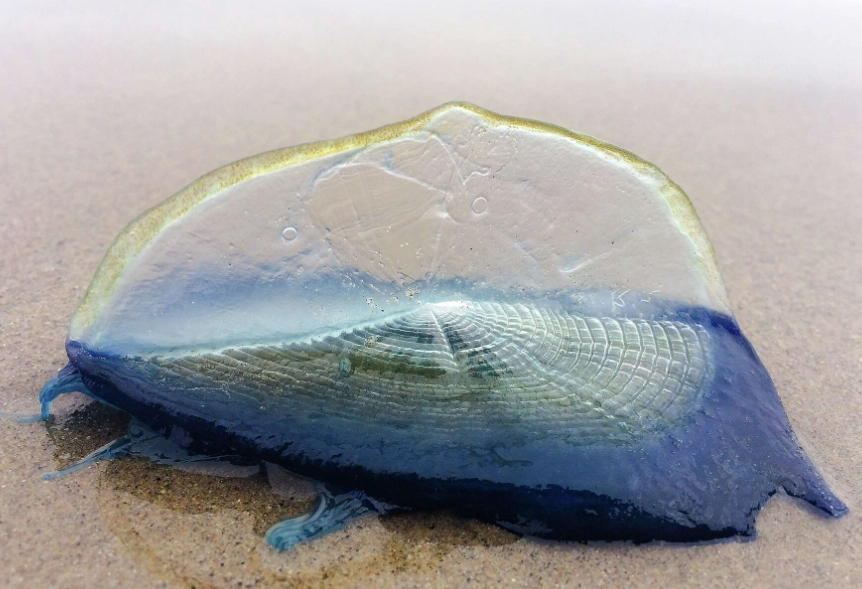
Depends on the species. Some, like the blue dragon (Glaucus atlanticus), can deliver a potent sting because they concentrate powerful man-o-war nematocysts. Others might secrete acidic or toxic compounds through their skin. The Spanish shawl is on the milder end of the spectrum in terms of human impact, but the physical damage to the nudibranch is universal. A great resource for comparing nudibranch defenses is the Sea Slug Forum, a fantastic repository of expert information.
Why are they called Spanish shawls?
The name is purely descriptive, evoking the image of a flamenco dancer's vibrant, fringed shawl. The scientific name Flabellina iodinea is more technical: "Flabellina" refers to the fan-like cerata, and "iodinea" refers to the iodine-like violet color of the body.
Do they lose their color?
No, the color is intrinsic. However, a stressed, sick, or dying Spanish shawl may appear duller, and the cerata can shrink or detach. Their brilliant hue is a constant, which is why they're so photogenic.
Final Verdict: To Touch or Not to Touch?
Let's circle back. Can you touch a Spanish shawl? Physically, your finger won't fall off. The animal likely won't sting you severely. So in the strictest, most literal sense, you can.
But should you? Almost never.
The debate isn't really about a minor sting. It's about ethics, respect, and conservation. We're visitors in their world. Our curiosity shouldn't come at the cost of their well-being. The slime coat, the fragile cerata, the risk of internal injury—these aren't theoretical concerns. They're real vulnerabilities.
The best way to experience a Spanish shawl is with your eyes. Watch it glide. Marvel at its color. Take a mental picture (or a real one, carefully). That moment of connection, of sheer wonder, is complete without physical contact. In fact, it's purer. You're seeing it as it truly is, not as an object to be interacted with.
So next time you're lucky enough to see one, let your hand stay by your side. The answer to "can you touch a Spanish shawl" is best found not in doing it, but in understanding why you shouldn't. And that understanding makes the sight of it all the more special.

Comments
Leave a Comment