Quick Navigation
- Why Are Basset Mixed Breed Puppies So Popular?
- The Most Common Basset Mixes: A Real-World Breakdown
- Choosing the Right Basset Mix For Your Life
- Caring For Your Basset Mixed Breed Puppy: The Nitty-Gritty
- Finding Your Basset Mixed Breed Puppy: A Responsible Path
- Living With a Basset Mix: The Long-Term View
- Frequently Asked Questions About Basset Mixed Breeds Puppies
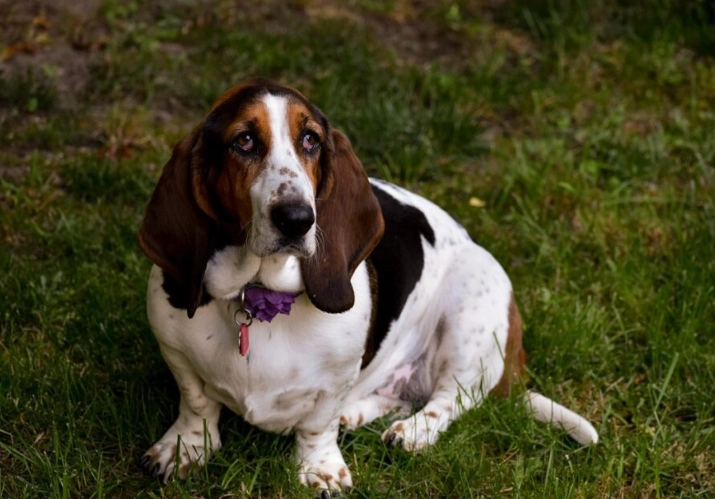
Let's be honest, there's something utterly irresistible about a Basset Hound. Those long, velvety ears, the soulful eyes, the low-to-the-ground waddle. Now, mix that iconic look with another breed, and you've got a recipe for a uniquely charming companion. Basset mixed breeds puppies are popping up everywhere, and it's easy to see why. They promise a blend of that sweet, laid-back Basset temperament with traits from another breed, potentially creating a dog that's the "best of both worlds." But is that always the case?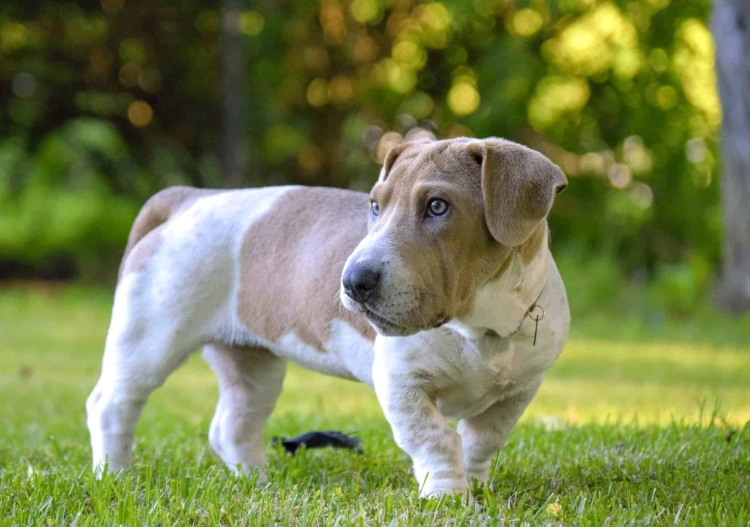
I've talked to dozens of owners, visited breeders (the good and the not-so-good), and spent more time than I'd like to admit scrolling through adoption pages. What I've learned is that bringing home a Basset mix puppy is a fantastic adventure, but it's one you need to walk into with your eyes wide open. It's not just about the cute factor. You're signing up for a specific set of needs, potential health quirks, and a personality that can be a delightful—or challenging—surprise.
Why Are Basset Mixed Breed Puppies So Popular?
It's not rocket science. People love the Basset Hound's demeanor but might be wary of the breed-specific issues like extreme drooling, a stubborn streak you could build a house on, and serious scent-drive that can make off-leash walks a fantasy. The hope is that by mixing the genes, you dilute some of these intense traits while keeping the gentle, friendly nature. A Basset Retriever mix, for instance, might combine Basset calmness with a Labrador's eagerness to please, making training a bit smoother. At least, that's the theory.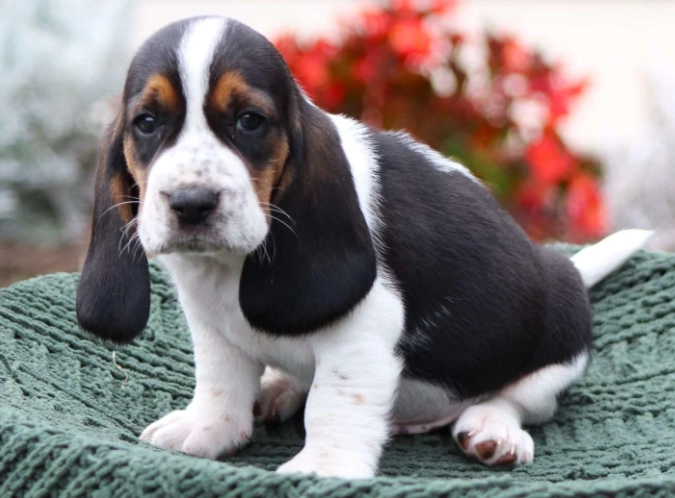
But genetics are a lottery. That puppy might inherit the Basset's short legs and the Lab's love for food, leading to a dog prone to obesity. Or it might get the Basset's independence and the Lab's energy, creating a stubborn dog that also needs tons of exercise. That's the gamble with any mixed breed, especially first-generation crosses.
Still, the appeal is massive. For families, a Basset mixed breed puppy often seems like a safer, mellower bet than a high-strung terrier or a giant breed. For singles or seniors, their generally moderate exercise needs (with exceptions, of course) are a big draw. They're seen as quintessential "companion dogs"—low drama, high affection.
The Most Common Basset Mixes: A Real-World Breakdown
You'll see some mixes more than others. Some are accidental, some are deliberately bred. Here’s a look at the ones you're most likely to encounter when searching for Basset mixed breeds puppies.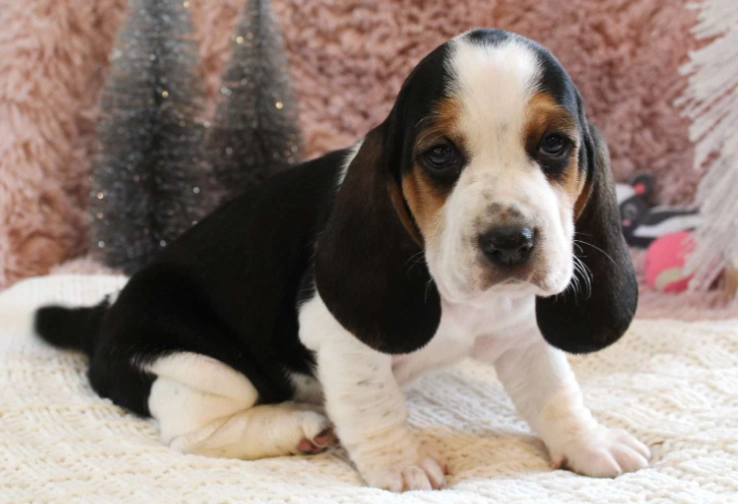
The Bassador (Basset Hound x Labrador Retriever)
This might be the king of the Basset mixes in terms of popularity. The idea is solid: mellow Basset meets friendly Lab. What you often get is a medium-sized dog with a sturdy, long body, floppy ears, and an expression that swings between thoughtful and goofy. Energy levels can be a real wild card. I met one Bassador who was content with a 20-minute amble, and another who needed an hour of fetch to settle down. The Lab influence often means they are food-motivated to an extreme degree, so watch those treats.
Their coat is usually short and dense, shedding from both parent breeds. The biggest pro is their typically wonderful temperament with kids and other pets. The biggest con? They can be prone to weight gain and joint issues, inheriting vulnerabilities from both sides.
The Bagel (Basset Hound x Beagle)
Double the hound, double the... nose. This mix is for someone who truly understands scent hounds. The Bagel is often a smaller, compact version of a Basset, with a voice that can be a hilarious (or annoying) blend of Basset bay and Beagle howl. Stubbornness is often a dominant trait here. Recall training? Good luck if they catch an interesting smell.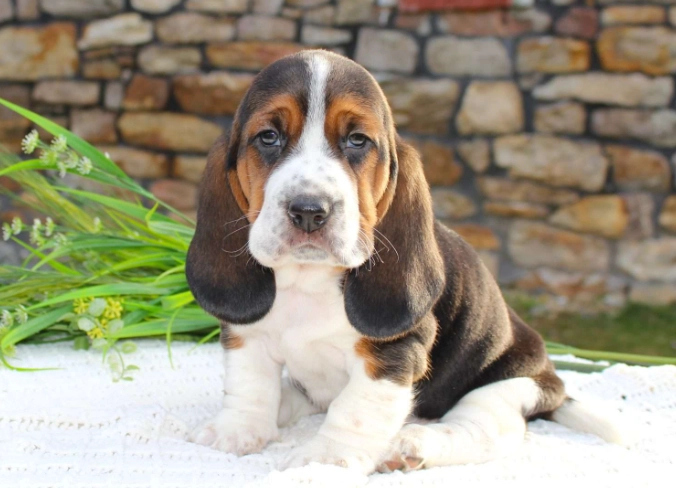
But my goodness, they are charming. They tend to be incredibly social, curious, and full of playful mischief. They suit active families who have a secure yard and don't mind a dog that follows its nose more than its name. Not ideal for apartment living unless you're a dedicated trainer.
The Basset Retriever (Basset Hound x Golden Retriever)
Similar to the Bassador but often with a softer, sometimes wavier coat. The Golden influence usually amplifies the "people-pleasing" side, potentially making them slightly more trainable than a pure Basset. They often have the beautiful, gentle eyes of both breeds. They are quintessential family dogs, but they can be prone to the same health issues as Goldens (like certain cancers and hip problems) on top of Basset concerns. They also tend to be bigger and need more space than some other mixes.
Comparing Common Basset Mixed Breeds Puppies
| Mix Name (Common) | Likely Size | Energy & Exercise Needs | Key Temperament Traits | Potential Challenges |
|---|---|---|---|---|
| Bassador (Basset x Lab) |
Medium to Large (40-70 lbs) |
Moderate to High. Daily walks + play. | Friendly, food-driven, often good with families. | Stubbornness, obesity, joint issues (hips/elbows). |
| Bagel (Basset x Beagle) |
Small to Medium (20-45 lbs) |
Moderate. Needs mental stimulation. | Curious, vocal, playful, stubborn. | Extreme scent drive, barking/howling, recall difficulties. |
| Basset Retriever (Basset x Golden) |
Medium to Large (45-75 lbs) |
Moderate. Enjoys activities with family. | Gentle, affectionate, patient, loyal. | Can be prone to anxiety if left alone, heavy shedding, health screenings crucial. |
| Basset Shepherd (Basset x GSD) |
Medium (35-60 lbs) |
Moderate to High. Needs a job/training. | Loyal, protective, intelligent, can be aloof with strangers. | Strong guarding instincts, potential for anxiety/reactivity, needs expert socialization. |
| Basset & Spaniel Mix (e.g., Cocker) |
Small to Medium (20-50 lbs) |
Moderate. Happy with walks and cuddles. | Sweet-natured, affectionate, can be velcro dogs. | Ear infections (floppy ears!), can be sensitive or shy. |
That table gives you a snapshot, but remember, an individual puppy is its own unique self. I once knew a Basset Shepherd that was more scared of the mailman than protective, and a Bagel that was oddly quiet. You have to meet the pup and assess its parents if possible.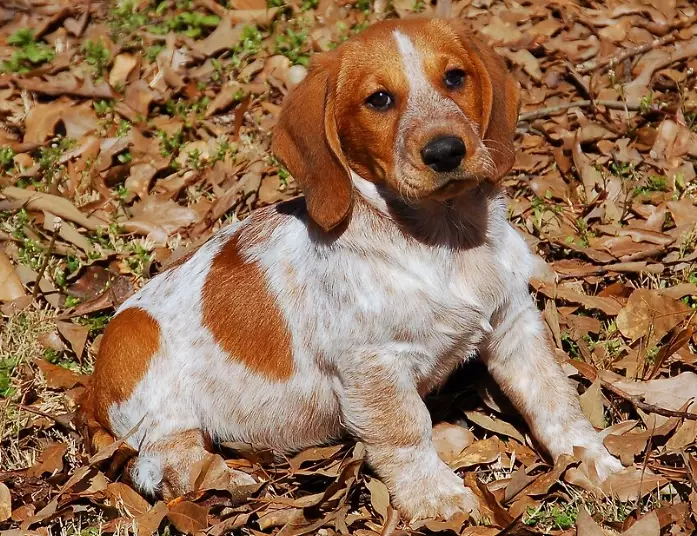
Choosing the Right Basset Mix For Your Life
This is where people mess up. They fall for a photo online without asking the hard questions. Let's break down what you really need to consider before getting any type of Basset mixed breeds puppies.
Your Activity Level: Are you a couch potato or a marathon runner? Most Basset mixes lean toward moderate needs, but a mix with a sporting breed (like a Lab or Spaniel) will need more than a mix with another low-energy breed. A tired Basset mix is a good Basset mix. A bored one will find its own fun, usually involving your favorite shoes.
Your Living Space: Got a yard? Great. Live in a third-floor walk-up? Think carefully. While not hyper, many Basset mixes are substantial dogs. Those short legs can mean stairs are hard on their joints later in life. Also, consider the barking/baying factor if you have close neighbors.
Your Family: Most Basset mixes are excellent with children due to their gentle nature. However, very small children might accidentally hurt a puppy, and some mixes can be a bit clumsy or "underfoot." Always supervise interactions. If you have other pets, early socialization is non-negotiable. That hound prey drive can kick in with cats or small animals if not managed.
Your Patience for Training: Hounds are smart but not necessarily obedient. They were bred to think independently while tracking. This means they may learn a command perfectly in your kitchen and then completely ignore you at the park. Positive reinforcement and high-value treats are your best friends. Yelling or harsh methods will backfire spectacularly.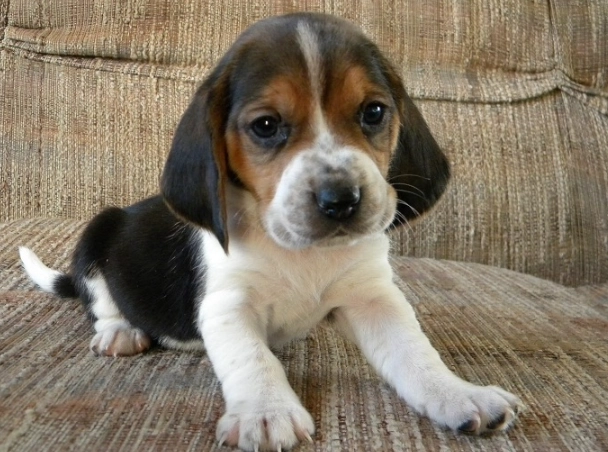
Caring For Your Basset Mixed Breed Puppy: The Nitty-Gritty
Okay, you've decided a Basset mix is for you. Now, how do you keep this creature happy and healthy? It goes way beyond food and water.
Health Considerations You Can't Ignore
This is the most critical section. Mixed breeds can be healthier due to hybrid vigor, but they can also inherit problems from both sides. You must be proactive.
- Orthopedic Issues: This is the big one. Basset Hounds are prone to hip and elbow dysplasia, intervertebral disc disease (IVDD) due to their long backs, and patellar luxation. Mixing them doesn't magically erase these risks. Any Basset mixed breeds puppies should come from parents with OFA or PennHIP certifications for hips and elbows. Ask to see the paperwork. No excuses.
- Ear Infections: Those glorious floppy ears trap moisture and dirt. Weekly cleaning with a vet-approved solution is a must. It's not optional; it's preventative medicine.
- Eye Problems: Glaucoma, cherry eye, and ectropion/entropion (eyelid issues) are seen in Bassets and some mix partners. Regular checks are important.
- Obesity: This isn't just cosmetic. Extra weight is a disaster for their already vulnerable joints and spine. Measure their food, limit treats, and keep them lean. You should always be able to feel their ribs easily.
- Bloat (GDV): Deep-chested dogs are at risk. While Bassets are moderate risk, mixes with larger, deeper-chested breeds can be higher. Feed smaller, more frequent meals and avoid vigorous exercise right after eating.
Where do you find reliable info on these conditions? Don't just trust random blogs. The Orthopedic Foundation for Animals (OFA) website is the gold standard for checking health testing databases. For general breed health info, the American Kennel Club's Basset Hound page provides a good overview, though remember your mix isn't a purebred.
Grooming & Maintenance
It's usually straightforward but consistent.
Coat: Most have short, shedding coats. Weekly brushing with a rubber curry brush or deshedding tool controls the hair. Some Retriever or Spaniel mixes may have longer fur needing more attention.
Nails: Those short legs mean nails hit the ground faster. Trim every 2-3 weeks to prevent discomfort and posture problems.
Skin Folds: Some mixes inherit the Basset's loose skin, especially around the face and neck. Wipe these folds dry after eating or drinking to prevent yeast infections.
Teeth: Dental disease is common. Get them used to tooth brushing early. It's the single best thing you can do for their long-term health.
Seriously, start brushing their teeth as a puppy. Future-you will thank past-you.
Training & Socialization: The Make-or-Break Period
The first 16 weeks are golden. This is when you set the tone for your dog's entire life.
Socialization ≠ Just Meeting Dogs. It means exposing your Basset mix puppy positively to all sorts of experiences: different surfaces (grass, tile, gravel), sounds (vacuum, traffic, kids playing), people (men with hats, children, people using walkers), and other friendly, vaccinated dogs. The goal is to build confidence, not overwhelm. The American Veterinary Society of Animal Behavior (AVSAB) has a great position paper on the importance of early socialization, even before vaccinations are complete (you just have to be smart and safe about it).
Basic Obedience: Start with name recognition, sit, down, and a reliable recall (in a safe, enclosed area first!). Use their food motivation to your advantage. Keep sessions short and fun. Five minutes of engaged training is better than twenty of frustration.
Housebreaking: Basset mixes can be a bit slower to housebreak. Be patient, consistent, and praise heavily for success. Never punish for accidents you didn't catch in the act—it just teaches them to hide from you.
Finding Your Basset Mixed Breed Puppy: A Responsible Path
This is where your ethics and your puppy's future health collide. Do not cut corners here.
Option 1: Reputable Rescue or Shelter Adoption
This is often the best choice. Many wonderful Basset mixed breeds puppies and adults end up in shelters or breed-specific rescues. Organizations like Basset Hound Rescue Network or local all-breed shelters often have mixes. The pros are huge: you're giving a dog a second chance, costs are lower, and many are already vetted and sometimes even trained. The con is you may not know the exact mix or have detailed health history, but shelters assess temperament and behavior.
Option 2: Finding a Responsible Breeder (The High Bar)
If you're set on a specific mix from a puppy, this is the only acceptable route. A responsible breeder of Basset mixes should:
- Health Test Both Parents: Not just a "vet check," but actual OFA/PennHIP for joints, eye exams from a veterinary ophthalmologist, and genetic screening for known breed issues.
- Focus on Temperament: They breed for stable, friendly dogs, not just looks.
- Raise Puppies in Home: Puppies should be raised underfoot with plenty of human interaction and early neurological stimulation.
- Ask YOU Questions: They should grill you about your home, lifestyle, and experience. They want the best for their puppies.
- Provide a Contract: A contract that guarantees health and requires you to return the dog to them if you can't keep it, ever.
- Welcome Visits: You should be able to see where the puppies and mom live.
It's harder to find an ethical mixed-breed breeder than a purebred one because there's no overseeing club. You have to do the legwork. Ask for references from past puppy buyers. Call their vet to confirm health checks. Be prepared to wait for a litter.
Living With a Basset Mix: The Long-Term View
So what's it really like, years down the line? It's a mix of pure joy and occasional frustration, like any dog ownership. They are often incredibly loyal, forming a deep bond with their person or family. They can be hilarious, with silly sleeping positions and determined little trots. That hound nose will always lead them into trouble—forgotten food in a backpack is not safe.
You'll need to be their advocate at the vet, staying on top of weight and joint health. You'll need patience during training regressions. You'll need a good vacuum for the shedding. But you'll also get a companion whose love is simple, deep, and expressed with a head in your lap and a soulful gaze.
Are Basset mixed breeds puppies the right choice for everyone? Absolutely not. They are not low-maintenance dogs. But for the right person—someone who values companionship over precision obedience, who has a moderate lifestyle, and who is committed to their health care—they can be one of the most rewarding dogs on the planet.
Frequently Asked Questions About Basset Mixed Breeds Puppies
Let's tackle some of the specific questions buzzing in your head right now.
The journey to bringing home a Basset mixed breed puppy is a big one. It's filled with research, tough questions, and hopefully, a lot of excitement. Take your time. Do it right. The payoff—a decade or more with a funny, loving, utterly unique furry friend—is worth every bit of the effort.



Comments
Leave a Comment