Quick Guide
Let's be honest, when you first hear about the Bosavi woolly rat, it sounds like something from a fantasy novel. A giant, fluffy rat the size of a small cat, discovered living in the crater of an extinct volcano in Papua New Guinea? Come on. But it's real. And one of the first questions that pops into anyone's head, after the initial shock wears off, is a simple one: how long does this thing live?
That's the question we're here to really dig into. The Bosavi woolly rat lifespan isn't just a trivia fact. It tells us a story about its environment, its biology, and the challenges of studying a creature in one of the most remote places on Earth. You'll find a lot of guesses and repeated numbers online, but I wanted to go deeper, to see what the scientists who've actually been there have to say, and to point out where we're all just making educated guesses.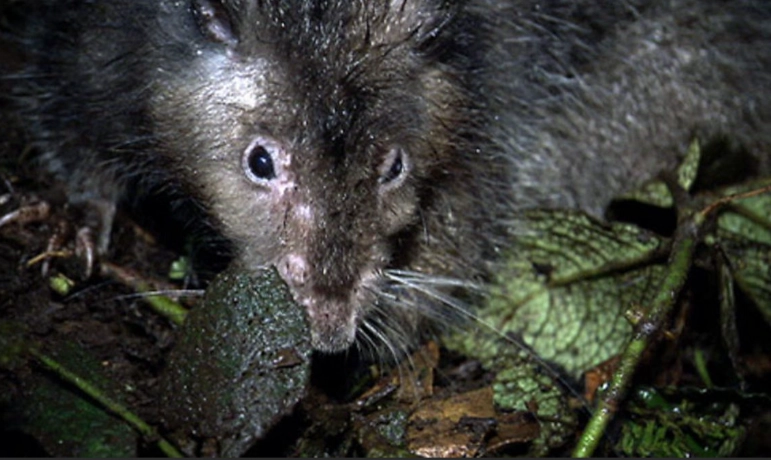
The Core Question: So, what's the short answer? Based on the limited data from its 2009 discovery and comparisons with similar rodents, researchers estimate the wild Bosavi woolly rat lifespan is likely between 3 to 5 years. In the protected, stress-free environment of captivity, it might live longer, perhaps 5 to 8 years, but this is pure speculation—no one has ever kept one in a zoo. Let's unpack why that number is both sensible and frustratingly vague.
Why Figuring Out Their Lifespan is So Tricky
You can't just walk into a pet store and ask for a Bosavi woolly rat's birth certificate. Everything we think we know comes from a tiny snapshot in time—the initial discovery expedition led by a BBC film crew and scientists in 2009. They weren't there for a long-term population study. They were documenting the lost world of Mount Bosavi. So, our data on the lifespan of the Bosavi woolly rat is built on inference, not long-term observation.
Think about it. To know exactly how long an animal lives in the wild, you need to track individuals from birth to death. You'd need to tag them, recapture them, and study the same population for years. For a species living in an incredibly dense, mountainous rainforest on an isolated island, that's a logistical and financial nightmare. It hasn't been done.
So, scientists do the next best thing. They look at clues:
- Body Size & Teeth: The rats they found were adults. By examining tooth wear and overall body condition, you can make a rough guess if an animal is young, middle-aged, or old. None of the specimens appeared extremely aged, suggesting a lifespan that isn't extraordinarily long for a rodent of its size.
- Reproductive Rate: Animals with very long lifespans often have slow reproductive cycles (like having one baby at a time). We don't know much about their reproduction, but if they follow patterns of similar large rats, they probably have moderate-sized litters, which is more typical of a medium-length lifespan.
- The Biggest Clue: Comparison. This is where we get the most concrete estimates. By looking at the lifespans of its closest known relatives and other tropical giant rodents, we can build a reasonable model.
Here's a personal gripe: you'll see some websites stating the Bosavi woolly rat lifespan as a single, definite number. They'll say "5 years" with absolute certainty. That's misleading. In biology, especially for a barely-studied species, lifespan is always a range, an estimate. Stating it as a fact does a disservice to the complexity of the science.
Lifespan in Context: How Does It Stack Up Against Other Giant Rodents?
This is where a table helps make sense of things. If we want to understand the potential Bosavi woolly rat lifespan, we need to see how it fits into the rodent family tree. I've put together a comparison based on data from wildlife databases and zoological studies. It's eye-opening.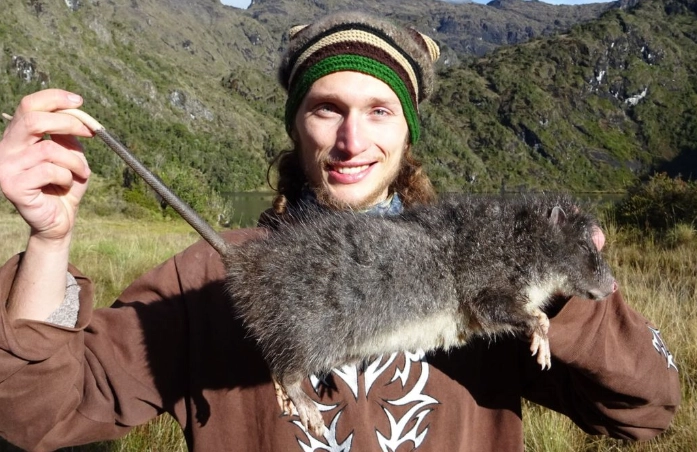
| Rodent Species | Average Size | Typical Wild Lifespan | Maximum Recorded Lifespan (Captivity) | Habitat |
|---|---|---|---|---|
| Bosavi Woolly Rat (Mallomys sp.) | 82 cm long, ~1.5 kg | Estimated 3-5 years | Unknown (Not kept in captivity) | Montane rainforest, Papua New Guinea |
| Capybara | ~1.3 m long, 35-65 kg | 6-10 years | Up to 12 years | South American wetlands |
| North American Beaver | ~1 m long, 16-30 kg | 10-15 years | Up to 20 years | Freshwater lakes/rivers |
| Gambian Pouch Rat | ~90 cm long, 1-1.5 kg | ~3 years | Up to 8 years | African forests & savannas |
| Common Brown Rat | ~25 cm long, 200-500 g | Less than 1 year | ~4 years | Global, commensal with humans |
Looking at this, a few things jump out. First, the Bosavi rat isn't the biggest rodent, but it's up there. Second, its estimated lifespan is on the lower end for a large rodent. Beavers and capybaras can live considerably longer. Why might that be?
Well, environment is key. The Bosavi crater, while pristine, is still a challenging tropical rainforest. Food availability might be seasonal. Predators like large pythons and birds of prey are present. Disease and parasites take their toll. A capybara living in a stable, resource-rich wetland or a beaver in a temperate zone with seasonal dormancy might face fewer year-round survival pressures, allowing for a longer Bosavi woolly rat lifespan... wait, I mean, allowing *them* to live longer. See, even I get caught in the keyword trap sometimes.
What Could Shorten or Lengthen a Bosavi Rat's Life?
Let's break down the factors. In the wild, life is a gamble. For our fluffy friend, the main dealers at the table are:
Shortening Factors (The Threats):
- Predation: They're a big, nutritious meal. New Guinea's amethystine python is more than capable of taking an adult. Birds of prey are a constant threat, especially to younger individuals.
- Food Scarcity: They eat mostly vegetation—fruits, leaves, roots. A bad fruiting season in the crater could lead to malnutrition and increased vulnerability.
- Disease & Parasites: Isolated ecosystems often have unique pathogens. A single novel disease could theoretically rip through the population. Internal and external parasites are a constant energy drain.
- Habitat Limitation: This is a big one. They live only in the Mount Bosavi crater. There's nowhere else to go. A single catastrophic event (like a massive landslide or an invasive species introduction) could impact the entire species' survival, let alone individual lifespan.
On the flip side, there are things that might give them a leg up, potentially supporting that estimated 5-year upper limit for the Bosavi woolly rat lifespan.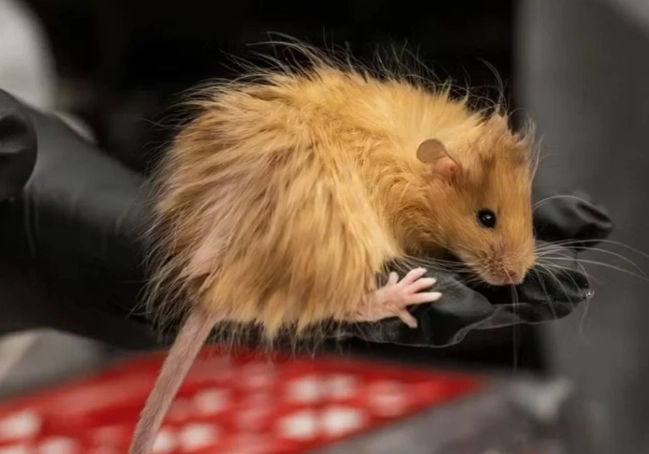
Lengthening Factors (The Advantages):
- Isolation: No natural predators that evolved specifically to hunt them. The crater is a fortress. This reduces daily stress and predation risk compared to animals in more open or connected ecosystems.
- Lack of Human Contact: Until 2009, they had never seen a human. No hunting, no pollution, no habitat destruction from logging or farming. This is a huge plus for individual and species longevity.
- Stable Climate: The volcanic crater creates a relatively stable microclimate. No extreme temperature swings, consistent rainfall. Stability generally reduces environmental stress.
- Size: Being large for a rat means fewer animals can successfully prey on you. It also provides better fat reserves to weather lean times.
So, it's a trade-off. A safe fortress with limited resources versus a dangerous but resource-rich open world.
The Captivity Question: Could They Live Longer in a Zoo?
This is a total "what if" scenario, but it's fun to think about. If a zoo managed to acquire a breeding pair (which is highly unlikely and ethically complex given their isolated habitat), what might their lifespan look like?
Look back at the table. See the Gambian pouch rat? Similar size, tropical origin. In the wild, it lives about 3 years. In captivity, with perfect nutrition, veterinary care, and no predators, it can live up to 8. That's more than double. It's a common pattern across many mammal species.
So, applying that logic, a captive Bosavi woolly rat lifespan could theoretically stretch to 7 or even 8 years. They'd be free from parasites, fed a optimal diet, and treated for any illnesses. The chronic stresses of wild life would be gone.
But here's the catch—we have no idea about their specific needs. What exact plants do they eat? What are their social structures? Do they have unique vitamin requirements? Getting it wrong could shorten their life, not lengthen it. The first attempts at keeping any wild animal in captivity are often rocky. Personally, I'm torn. Part of me is curious what a captive study could reveal about their biology, including their true potential lifespan. The other part thinks leaving them undisturbed in their volcanic Eden is the best thing for them.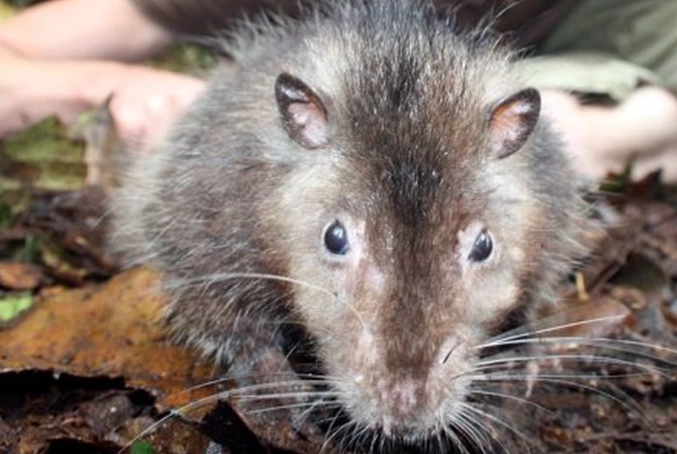
Common Questions About the Bosavi Woolly Rat's Life
I've been reading forums and comments about these animals for a while. People always ask the same things. Let's tackle some of those burning questions head-on.
Have scientists found any really old Bosavi woolly rats?
Not that we know of. The initial expedition didn't report finding any individuals showing extreme signs of age, like heavily worn-down teeth or severe arthritis, which you might see in a rodent pushing the upper limits of its species' lifespan. This indirectly supports the idea that their natural life cycle isn't super long. If they regularly lived 8-10 years, you'd expect to find evidence of it in the population structure.
Does their "woolly" fur help them live longer?
Interesting thought. Its thick, dense fur is an adaptation to the cool, damp climate of the high-altitude crater. It keeps them warm and dry. Staying warm reduces energy expenditure (you don't burn calories just to maintain body heat), and staying dry prevents skin infections. So, in a roundabout way, yes—this adaptation probably contributes to overall health, which supports reaching their natural Bosavi woolly rat lifespan potential. It's not a longevity secret, but it's a key survival tool.
What is the biggest threat to their lifespan as a species?
This is the million-dollar question. Right now, the biggest threat is their tiny, restricted range. They are what's called a "vulnerable by distribution" species. They could be perfectly healthy, but if something bad happens to the Bosavi crater forest, they have no backup population. The International Union for Conservation of Nature (IUCN) hasn't formally assessed it yet due to data deficiency, but any conservation biologist would be worried about that. You can read more about the principles of assessing species with limited ranges on the IUCN Red List website, which is the global authority on species conservation status.
Related Reading: The story of their discovery is fascinating and directly impacts why we know so little. The BBC's original documentary, "Lost Land of the Volcano," was the first to introduce them to the world. While the documentary focuses on the adventure, it provides crucial context about the untouched environment that shapes their life. You can find more about the expedition on the BBC programme page.
Could climate change affect how long they live?
Potentially, yes, but in subtle ways. The crater's ecosystem is finely balanced. Changes in temperature or rainfall patterns could alter the plant communities they depend on for food. If their main food sources become less nutritious or available for shorter periods, it could lead to poorer health and a reduced average lifespan across the population. It's a slow, creeping threat rather than an immediate one.
Final Thoughts: What We Know and What We Don't
Wrapping this up, the Bosavi woolly rat lifespan is a perfect example of how science works on the frontier of discovery. We have a solid, educated estimate—3 to 5 years in the wild—based on good comparative biology and the observations we have. It's not a wild guess; it's a reasoned conclusion.
But it's still just an estimate.
The real story of the Bosavi woolly rat isn't just a number. It's about an animal thriving in a lost world, untouched by our modern chaos. Its lifespan, whatever it precisely is, is a product of that unique, fragile paradise. The fact that we have to estimate it at all is a testament to how remote and pristine its home remains. And maybe, in a way, that's a good thing. It means the biggest factors determining their lifespan are still the natural ones—predation, food, disease—not deforestation or hunting.
If you want to learn more about the creature itself, beyond just its lifespan, the Smithsonian Institution has a great, concise overview of the discovery and its significance in the context of island gigantism, which you can find on their official website by searching for "Bosavi woolly rat." It's a reliable source for natural history information.
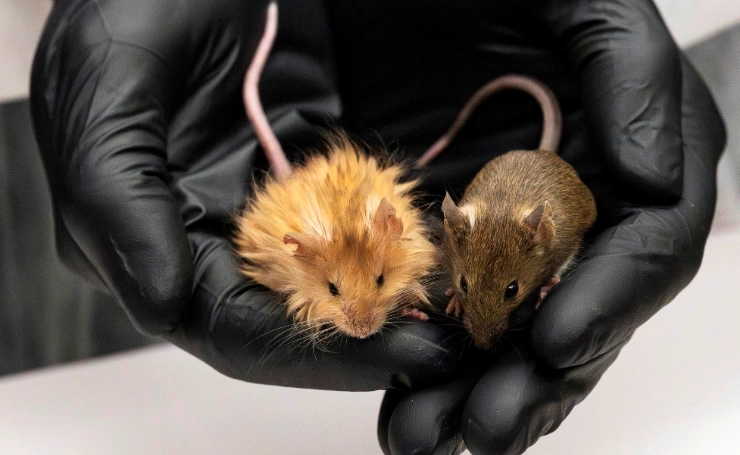 In the end, the mystery is part of the appeal. And that's okay.
We may never know the exact average Bosavi woolly rat lifespan down to the decimal point. But we know enough to appreciate its place in the world—a large, gentle, fluffy rodent living a relatively short but hopefully peaceful life in a crater at the top of a forgotten volcano. And honestly, that's a pretty cool thing to know.



Comments
Leave a Comment