Quick Guide
Let's be honest, when most of us picture a fish, we think of a sleek, scaly creature with a simple mouth that just opens and closes. Maybe it's got some tiny, sandpaper-like teeth if it's a predator. But lips? Proper, fleshy, almost human-like lips? That feels like something out of a cartoon or a bad sci-fi movie. I remember the first time I saw a close-up photo of a triggerfish. I actually laughed. It looked like it was permanently puckered up for a kiss, and the idea was just absurd. But that's the thing about nature – it's way stranger and more inventive than our imaginations. The reality is, there's a whole crew of aquatic oddballs out there that break every fish stereotype we have, starting with their faces. These aren't monsters from the deep; many are common in aquariums and reefs. And once you get past the initial weirdness, you start to see the brilliant logic behind it all.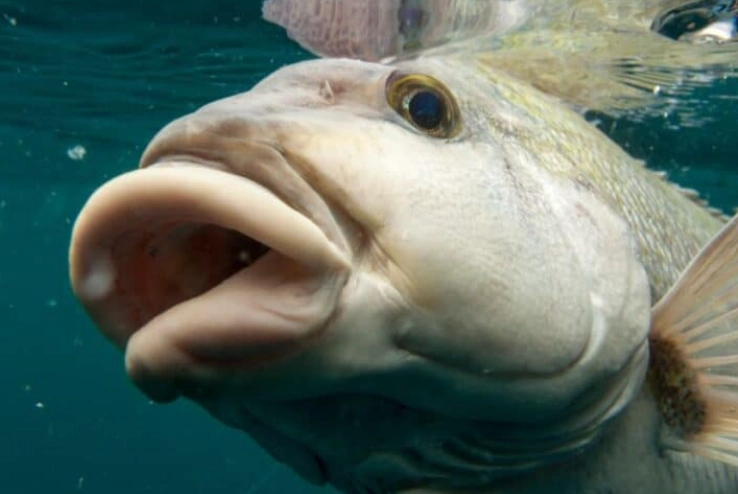
Why would evolution bother with lips on a fish? It seems like such a... terrestrial feature. We associate lips with mammals, with expressions, with kissing. For a creature surrounded by water, it seems superfluous. But that's where we're wrong. For these specific fish, lips and specialized teeth aren't for show; they're sophisticated tools for survival. They're the difference between eating and starving, between defending a home and losing it. This isn't just a quirky biological footnote. If you're into fishing, snorkeling, or keeping an aquarium, understanding these features can completely change how you interact with these animals. It explains why they behave the way they do, what they eat, and even how you should care for them if you're bold enough to try. So, let's ditch the generic fish image and meet some of the ocean's most fascinating characters – the fish with teeth and lips.
Quick Reality Check: The "lips" on these fish aren't identical to human lips. They don't have the same muscle structure for speech or expression. They are specialized, often fleshy, and sometimes even sucker-like modifications around the mouth that serve very specific purposes, from manipulation to protection. And the teeth? Oh, they can be flat like ours, pointed like a piranha's, or fused into a beak strong enough to crack coral.
Beyond the Gulp: The "Why" Behind Teeth and Lips
Evolution doesn't do random. Every feature, no matter how silly it looks to us, has a job. For fish with teeth and lips, the combination is a masterclass in ecological adaptation. Think of it as a specialized toolkit instead of a standard-issue mouth.
The lips are often the first line of utility. In many species, they are thick, sensitive, and sometimes covered in small taste buds. Imagine trying to pick a specific snail off a rocky surface with a pair of pliers (a hard beak or jaw) versus using your sensitive fingers. You'd crush the snail or damage the tool. Fleshy lips allow for precise manipulation. A fish like the Picasso triggerfish uses its lips to gently turn over sea urchins, aiming for the soft underside. Parrotfish use their fused beak-teeth to scrape algae off coral, and their lips help cushion the impact and guide the bite. For bottom-feeders, lips help sift through sand and detritus, feeling for edible morsels while keeping abrasive particles out of the gills.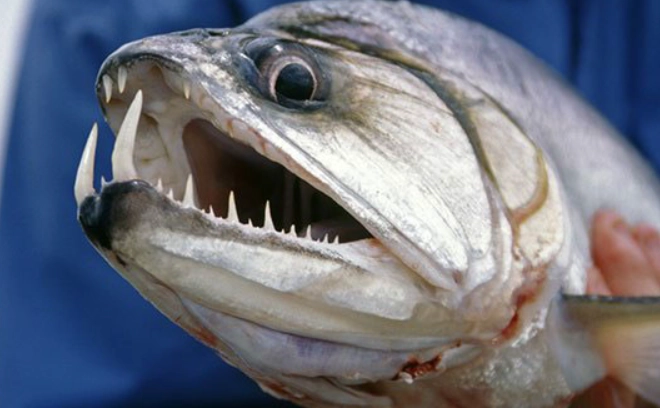
Then come the teeth. This is where it gets really interesting. We're not just talking about rows of needle-sharp fangs here (though some have those too). The teeth of fish with lips are often tailored to a very specific diet.
- Crunchers and Grinders: Fish that eat hard-shelled prey like crabs, clams, and coral need molar-like teeth. The sheepshead fish is a classic example, with startlingly human-like incisors and molars in the back for crushing. It's a sight that never fails to unsettle new anglers.
- Scrapers and Gougers: Parrotfish have their teeth fused into a solid beak, perfect for biting off chunks of coral. They then use pharyngeal teeth (in their throat) to grind the coral into sand. Yes, a significant portion of the white sand on tropical beaches is literally parrotfish poop. Nature is hilarious.
- Pickers and Peelers: Triggerfish and wrasses often have sharp, forward-pointing teeth ideal for grabbing and pulling prey like sea urchins, starfish, and crustaceans out of their defensive crevices or shells.
So, the lips provide fine motor control and protection, and the teeth provide the specialized force. It's a perfect partnership. When you see a fish with teeth and lips, you're almost certainly looking at a specialist, not a generalist. It has carved out a very specific niche in the ecosystem, and its face is the key.
I once kept a small brackish pufferfish that had a definite beak and the most expressive little lips. Watching it methodically dismantle a crab leg, using its lips to position the shell and its beak to snip the joints, was like watching a tiny, aquatic surgeon. It was slow, deliberate, and incredibly efficient. A typical predatory fish would just swallow the leg whole. This guy had a tool for the job.
Meet the Cast: A Lineup of Aquatic Oddities
Okay, theory is great, but let's put faces to the names. Here are some of the most prominent and fascinating examples of fish with teeth and lips. You'll find some in cold northern waters, others on tropical reefs, and a few in home aquariums.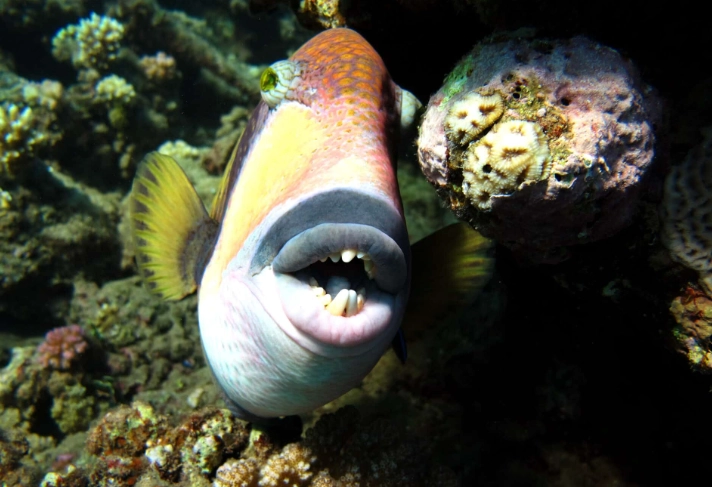
| Common Name | Scientific Name | Key Features (Teeth & Lips) | Primary Diet | Habitat |
|---|---|---|---|---|
| Sheepshead Fish | Archosargus probatocephalus | Uncannily human-like incisors and molars; thin lips. | Barnacles, crustaceans, bivalves | Atlantic & Gulf coasts of North America (jetties, pilings) |
| Pufferfish (Many species) | Tetraodontidae family | Four fused teeth forming a strong beak; often prominent, fleshy lips. | Hard-shelled invertebrates (snails, crabs, coral) | Global, tropical & temperate; marine, brackish, freshwater |
| Triggerfish (e.g., Picasso, Clown) | Balistidae family | Small, sharp teeth for grabbing; prominent, often colorful, very fleshy lips. | Sea urchins, crustaceans, mollusks | Tropical reefs worldwide |
| Parrotfish | Scaridae family | Teeth fused into a parrot-like beak; lips help guide scraping. | Algae scraped from coral and rock | Tropical and subtropical reefs |
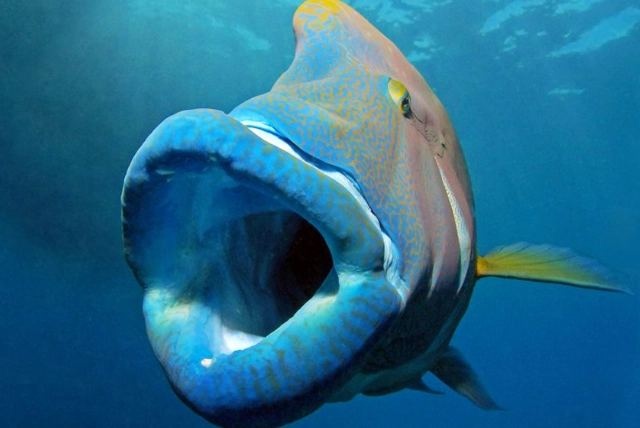
| Wrasses (e.g., Humphead/Napoleon) | Labridae family | Protruding canine teeth; thick, often protruding lips. | Shellfish, sea urchins, crustaceans | Reefs globally |
| Freshwater Pacu | Colossoma genus | Square, flat, human molar-like teeth; subtle lips. | Nuts, fruits, vegetation | Amazon River Basin |
Looking at that table, the diversity is stunning. From the sheepshead's dentist-chart smile to the puffer's comical beak, each design is a direct response to a dinner menu. The sheepshead is a personal favorite of mine for the sheer "what is happening here" factor. The Florida Museum of Natural History has a great page detailing the sheepshead's dental work, confirming just how specialized those teeth are for cracking shells. It's a fantastic resource if you want to dive deeper into one specific example of a fish with teeth and lips.
The pacu is another one that causes double-takes. Related to the piranha, it swapped out flesh-shearing blades for nut-cracking molars. There are actually reports from places like Papua New Guinea where introduced pacu, with their very human-like teeth, have bitten swimmers who confused them with floating nuts. It's a bizarre and slightly unsettling example of how form follows function, even when it mirrors our own.
So You Want to Keep One? The Aquarium Reality Check
This is where a lot of the search intent lives, I think. People see these crazy fish online or in a store and think, "I need that in my living room." I get it. I've been there. But keeping a fish with teeth and lips is a whole different ball game compared to a community tank of tetras. It's advanced-level fish keeping, and jumping in unprepared is a recipe for disaster (and expensive repairs).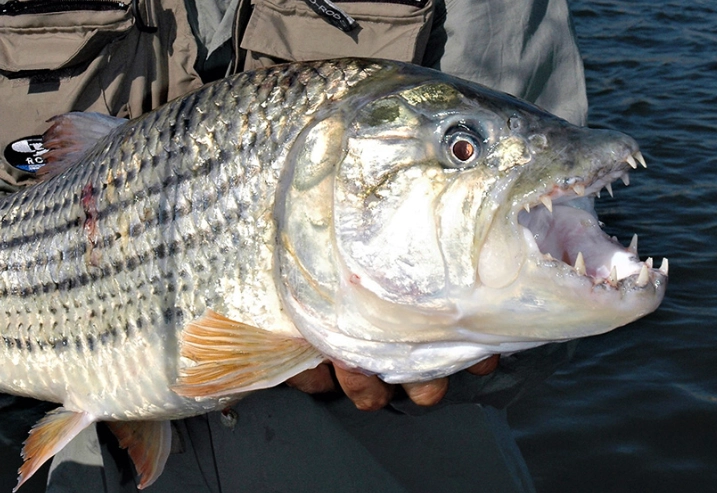
First, let's talk about the teeth. They bite. I mean, obviously they bite, they're teeth. But people don't always grasp the power. A medium-sized triggerfish can easily snap a pencil in half. I've heard stories of them drawing blood from careless fingers during tank maintenance. Pufferfish beaks are designed to crush shells; your aquarium heater cord or filter tubing is not a challenge. You must respect the tool. Always use feeding tongs, be mindful during cleaning, and never, ever put your hand in the tank if you have a cut (the smell of blood can trigger a feeding response).
Second, the diet. You can't just feed these guys fish flakes. They are specialists. You need to provide what their bodies and teeth are built for.
- For the Crunchers (Puffers, Sheepshead in theory): You need a steady supply of hard-shelled foods. This means live or frozen snails, clams, mussels (in the shell), crabs, and shrimp. Some will accept specially formulated hard pellets, but the crunch is often part of the behavioral enrichment. Their teeth grow continuously, and they need this hard food to wear them down. A puffer with overgrown teeth can literally starve to death.
- For the Pickers (Triggerfish, Wrasses): Their diet is meaty but often requires "presentation." They enjoy foods they can manipulate: whole shrimp, squid strips, pieces of clam, and the occasional sea urchin or starfish if you can source it. Frozen "marine cuisine" mixes are a good base, but variety is key.
Tank setup is crucial. These are often intelligent, curious, and territorial fish. They need space. A small triggerfish might need a 75-gallon tank minimum, and larger species require 180 gallons or more. They are master escape artists and notorious rearrangers. Rocks must be secured to the aquarium bottom with epoxy or they will be toppled. They will move sand, dig pits, and generally landscape to their liking. Filtration needs to be over-sized because their messy eating produces a lot of waste.
The biggest mistake I see? People treating them like passive decorations. A bored, intelligent fish with teeth is a destructive fish. They need mental stimulation. Hiding food in puzzle feeders, changing the rock layout occasionally (if securely glued), and providing objects they can safely push around can make a huge difference in their behavior.
The Financial and Ethical Cost
Let's not sugarcoat it. This is an expensive hobby. The fish themselves can cost hundreds of dollars. The tank, lighting, filtration, and ongoing food costs are significant. And then there's the potential for property damage. I know someone whose triggerfish developed a taste for the silicone seam at the corner of the tank. The repair bill was not fun.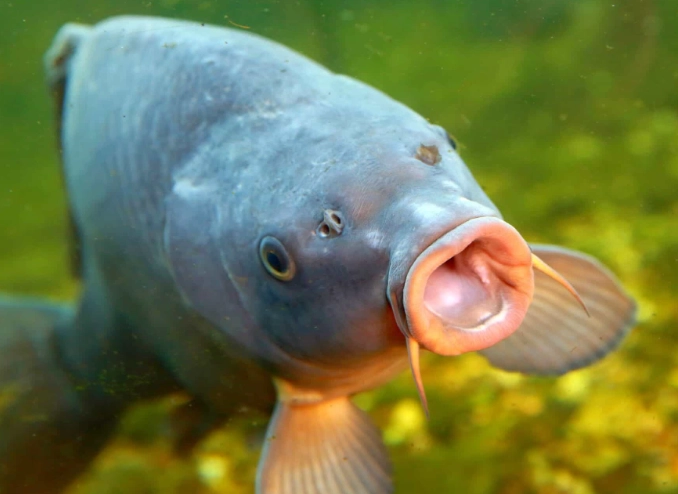
Ethically, you also need to consider sourcing. Many of these fish are wild-caught, which has an impact on reef ecosystems. Whenever possible, seek out captive-bred specimens. Organizations like the Association of Zoos and Aquariums (AZA) have programs promoting sustainable aquaculture, and supporting retailers who participate is a good step. For species like the sheepshead, which aren't typical aquarium fish, it's almost always better to admire them in the wild.
Answering Your Burning Questions
The Bigger Picture: Why This All Matters
Getting geeky about fish lips isn't just trivia. It's a window into how evolution works. Every time we see a strange adaptation like this, it tells a story about an environmental challenge and a biological solution. Studying these specialized fish helps scientists understand niche partitioning, how species coexist without direct competition, and the delicate balance of reef ecosystems.
For us regular folks, it fosters a deeper appreciation. When you're snorkeling and see a parrotfish scraping at a coral head, you're not just seeing a "pretty fish." You're watching a living, breathing sand factory with a built-in power tool for a face. You're seeing a creature that has solved the problem of eating one of the toughest materials in nature. That shift in perspective—from generic to specific, from simple to complex—is what makes nature endlessly fascinating.
It also highlights the importance of conservation. Highly specialized species are often more vulnerable to environmental changes. If coral reefs die, the parrotfish and many triggerfish lose their home and food source. Their unique tools become useless. Protecting these ecosystems isn't just about saving "fish"; it's about preserving these incredible, finely-tuned evolutionary success stories.
So next time you see a picture of a fish with teeth and lips, don't just laugh or cringe. Take a moment to appreciate the engineering. Think about the millions of years of trial and error that led to that exact combination of flesh and bone, perfectly suited for a life we can only glimpse from the surface. It's a reminder that the natural world is far more inventive, absurd, and brilliant than we often give it credit for. And honestly, I wouldn't have it any other way. The ocean would be a pretty boring place if every fish just had the same old mouth.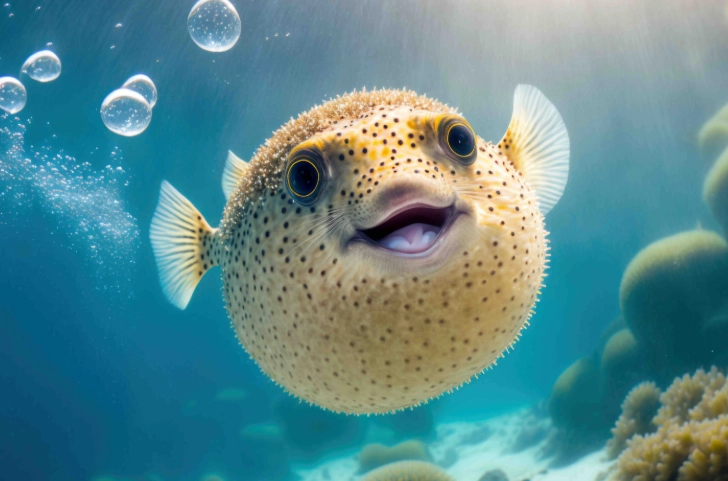

Comments
Leave a Comment