Quick Navigation
- What Exactly Are You Looking At? Meet the Luna Moth Caterpillar
- The Straight Talk on Safety: Irritation, Not Poison
- The Other Side of the Coin: Is It Safe for the *Caterpillar*?
- The "If You Must" Guide: How to Minimize Risk (For Both of You)
- "What If...?" Your Reaction Scenarios, Solved
- Beyond the Touch: Better Ways to Enjoy Luna Moths
- Clearing Up the Confusion: Common Myths Debunked
You're out for a walk in the woods, and there it is, clinging to a sweet gum or hickory leaf. A lime-green wonder, dotted with colorful spots, looking like a tiny, living jewel. The luna moth caterpillar. It's captivating. Your first instinct? Probably to reach out and touch it. I get it, I've been there. But then that little voice in your head asks the question: is it safe to touch a luna moth caterpillar?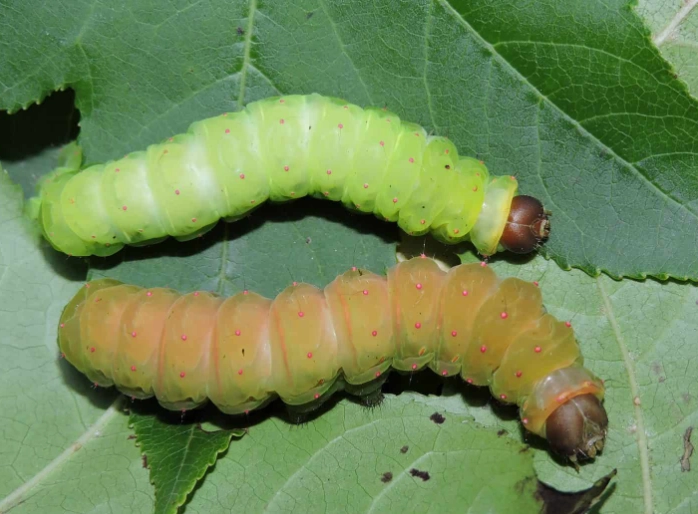
Let's cut through the noise and the conflicting advice you might find online. I've spent a lot of time with these creatures, both as a curious kid and as an adult who still gets a thrill from finding them. The short, and somewhat boring, answer is: it's generally safe, but with very important caveats. The real answer is more about being a responsible observer than just checking a safety box.
This isn't just about a yes or no. It's about understanding the why, the how, and the "what if." We'll dive into what could go wrong (it's usually minor), how to minimize any risk to you and the caterpillar, and why sometimes the best way to appreciate them is with your eyes, not your fingers.
What Exactly Are You Looking At? Meet the Luna Moth Caterpillar
Before we talk about touching, let's make sure we're all on the same page about who this star of the show is. The luna moth (Actias luna) is one of North America's most stunning silk moths, and its caterpillar is just as impressive. You'll find them munching away in deciduous forests from Florida to Maine and over to the Great Plains.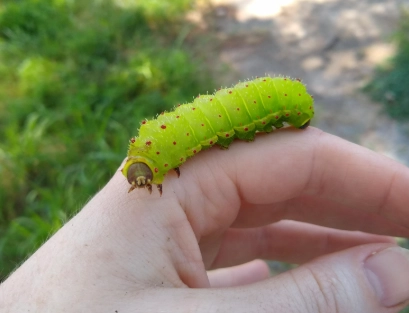
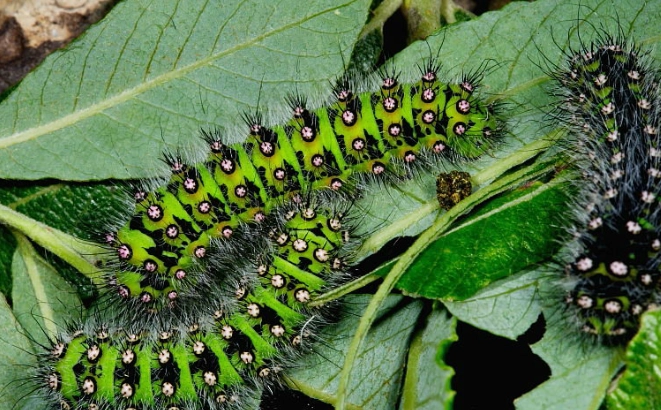
Identifying them is key. You don't want to mistake it for something less friendly. A mature caterpillar is a sight to behold:
- Color: A vibrant, almost neon lime green. It's hard to miss.
- Body: Chunky and segmented, with a slight fuzziness, but not densely hairy like some caterpillars.
- Markings: This is the giveaway. Look for a row of colorful, jewel-like spots running down each side. They're usually a mix of yellow, orange, red, and silver. It also has a distinctive yellow line running along its side.
- Size: They get big. A full-grown one can be as long as your finger, around 3-4 inches.
I remember the first one I ever saw as a child. I thought I'd discovered an alien. That bright green against the brown leaf litter was unbelievable. My hand shot out to grab it before my brain could even form the question, "is it safe to touch a luna moth caterpillar?" Luckily, back then, I got away with it. But knowing what I know now, I wouldn't recommend that approach.
The Straight Talk on Safety: Irritation, Not Poison
Here's the core of the issue. Luna moth caterpillars are not considered poisonous or venomous. They don't inject toxins like a bee or a spider. They don't have stinging hairs like the saddleback caterpillar or the puss caterpillar (now those are nasty—trust me, you'll remember a puss caterpillar sting).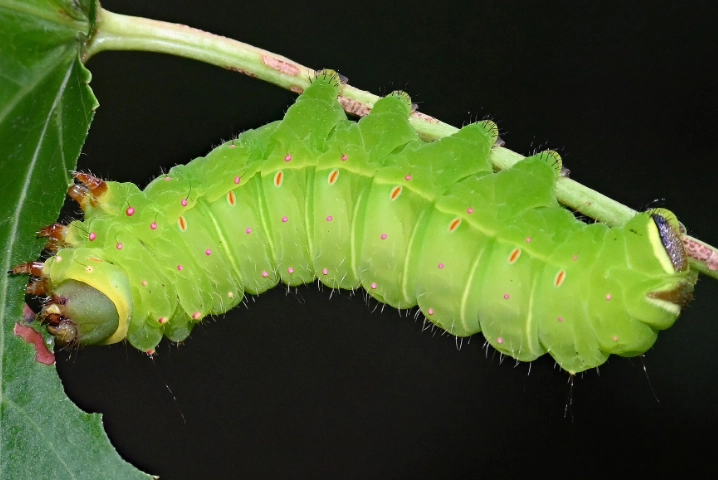
So, can you touch a luna moth caterpillar without dropping dead? Absolutely. The risk isn't toxicity. The potential issue is much milder: mechanical skin irritation.
Think of it like this. Some people have sensitive skin and get a rash from rough wool sweaters or certain grasses. A caterpillar's body, including the luna's, is covered in tiny hairs called setae. These hairs can be barbed or just irritating to sensitive skin. When you handle the caterpillar, these microscopic hairs can break off and embed in the top layer of your skin.
What does that feel like? For most people, nothing at all. You might feel a slight prickly sensation during contact that goes away. For others, especially those with sensitive skin, eczema, or allergies, it can lead to:
- A localized red, itchy rash (contact dermatitis).
- A feeling similar to a mild case of fiberglass itch.
- Small, raised bumps where the hairs embedded.
It's annoying, not dangerous. The reaction is your immune system saying "hey, there's a foreign object here." It's not a systemic poison. The severity is totally individual. My brother can handle them no problem. My skin? It gets a bit itchy and pink if I'm not careful. It's a roll of the dice.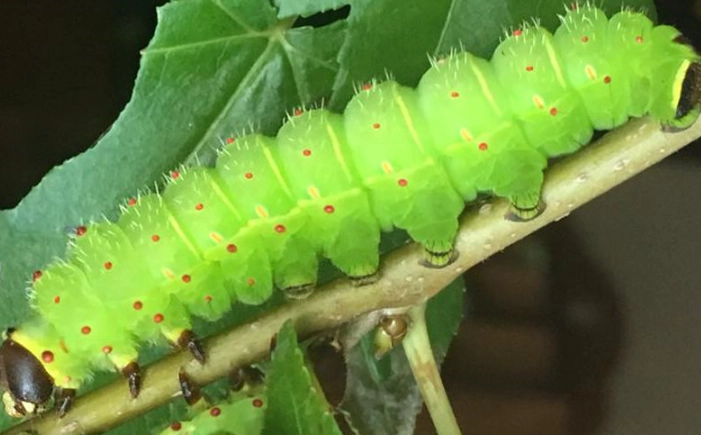
So, when you ask, "is it safe to touch a luna moth caterpillar?" you're really asking about your own skin's tolerance to mild irritation. For the vast majority of adults and kids, the answer is a qualified yes.
The Other Side of the Coin: Is It Safe for the *Caterpillar*?
This is the part most guides gloss over, and it's the one I care about more now. We're so focused on our own safety that we forget we're handling a living animal that's incredibly fragile. The question shouldn't just be "is it safe to touch a luna moth caterpillar for me?" but also "is my touch safe for it?"
Caterpillars are basically eating machines designed to turn into moths. They have a delicate hydraulic system (their blood, called hemolymph) that keeps their shape. Squeezing them too hard can cause fatal internal injuries. Our skin also has oils, salts, lotions, and insect repellents that can harm their sensitive bodies.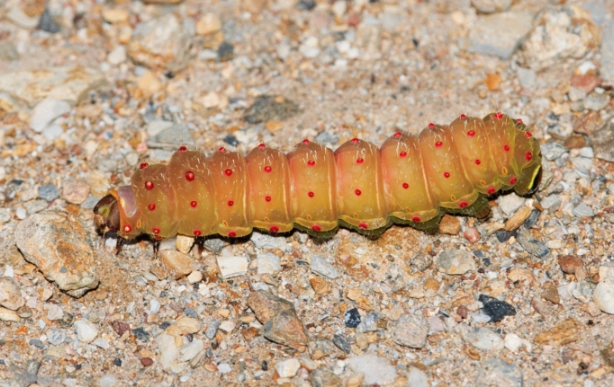
I learned this the hard way as a teenager. I gently handled a beautiful, fat caterpillar, put it back on its leaf, and came back the next day to find it dead. No visible squish, but I must have stressed it or transferred something. It was a sobering lesson. Our touch is a major stressor for them.
Furthermore, if they feel threatened, they might regurgitate a green fluid. This is a defense mechanism to make themselves taste bad. It's not harmful to you, but it wastes their energy and food. Not exactly a nice way to treat such a cool creature.
The "If You Must" Guide: How to Minimize Risk (For Both of You)
Okay, let's say you've identified it correctly, you understand the mild skin risk, and you still really want to have a closer interaction. Maybe you need to move it to a safer spot. Here's the responsible way to do it. Think of it as caterpillar etiquette.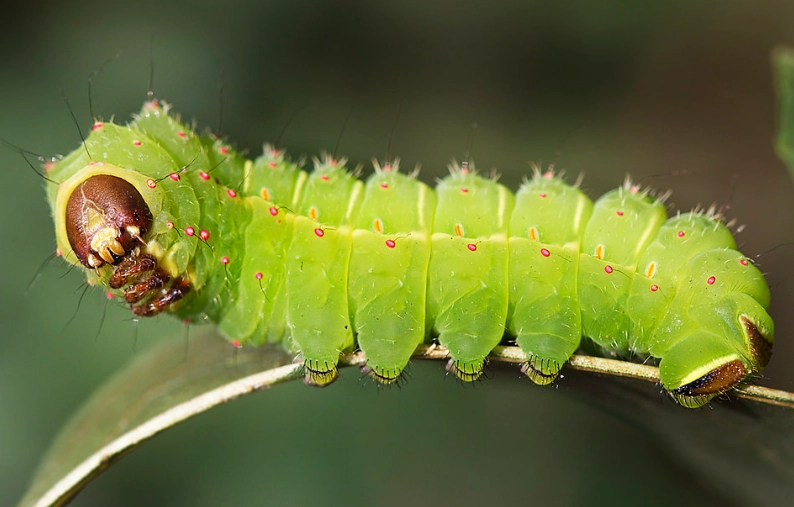
Step-by-Step Safe Handling Protocol
- Wash Your Hands First. Seriously. Get rid of any sunscreen, bug spray, hand sanitizer, or lotion. Use plain water if that's all you have. This protects the caterpillar.
- Let It Come to You. Don't grab. Gently place a clean finger or a wide, flat leaf in front of it. Often, it will crawl onto the new surface on its own. This is the least stressful method.
- Support Its Whole Body. If you must pick it up, use a flat, open palm or multiple fingers to provide full support. Never pick it up by one end or pinch it. Let it move freely on your hand.
- Keep It Brief. A minute or two is plenty for observation. Prolonged handling increases stress for it and the chance of irritation for you.
- Return It Gently. Place it back on a leaf of its host plant (hickory, walnut, sweet gum, etc.), don't just drop it. Make sure it's secure.
- Wash Your Hands Again. Use soap and water. This removes any tiny hairs and prevents you from accidentally rubbing them into your eyes or mouth later.
Following these steps dramatically reduces any risk and shows respect for the insect. It turns the act from a grab into an observation.
Who Should Avoid Touching Altogether?
Some people should just admire from a distance. This isn't being overly cautious; it's being smart.
- Anyone with known skin allergies, eczema, or sensitive skin. You're more likely to react.
- Small children. They're more likely to squeeze too hard, put their hands in their mouths, or rub their eyes immediately after touching. It's better to teach them to look, not touch.
- Individuals with respiratory allergies like asthma. While rare, inhaling airborne hairs could potentially trigger a reaction. It's a remote risk, but worth noting for the highly sensitive.
"What If...?" Your Reaction Scenarios, Solved
Let's play out the common worries. You touched one. Now what?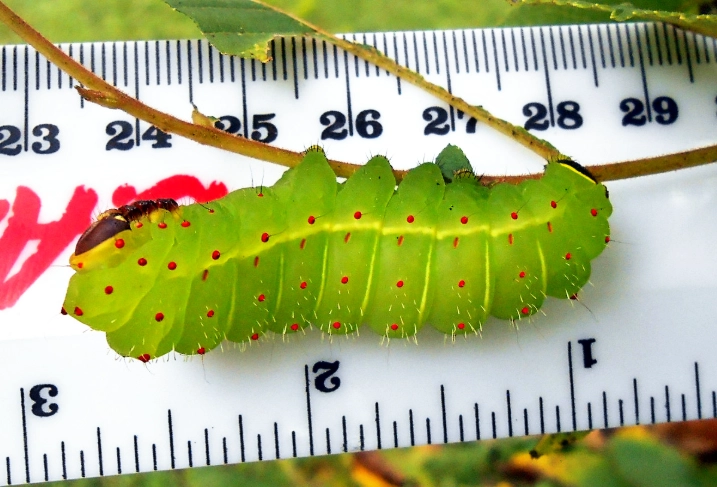
| Scenario & Symptoms | What's Likely Happening | What To Do |
|---|---|---|
| Mild itchiness or redness on the contact area. | This is the standard mild contact dermatitis from the hairs. Very common. | Wash the area with cool water and soap. Apply a cool compress. An over-the-counter hydrocortisone cream or calamine lotion can help with the itch. It should fade in a few hours to a day. |
| A prickling sensation that develops into small red bumps. | Hairs are embedded in the skin, causing a localized reaction. | First, don't scratch. Try using adhesive tape: press the sticky side onto the skin and pull it off to help lift out the tiny hairs. Then wash and apply anti-itch cream. |
| Itchiness or redness that spreads beyond the contact area, or seems severe. | This could indicate a stronger allergic reaction or a misidentification (maybe it wasn't a luna!). | Stop any home treatment. Take an oral antihistamine (like Benadryl) if you have no contraindications. If swelling or difficulty breathing occurs (extremely unlikely with a true luna), seek medical attention immediately and tell them you handled a caterpillar. |
| No reaction at all. | Your skin isn't bothered by the hairs. This is also very common. | Just wash your hands as a general hygiene practice. You're one of the lucky ones! |
The key takeaway? Panic is unnecessary. Management is simple. Real, serious medical issues from a verified luna moth caterpillar are extraordinarily rare.
Beyond the Touch: Better Ways to Enjoy Luna Moths
Honestly, the obsession with touching them is a bit misplaced. The real magic is in their life cycle. Here are ways to engage that are safer and often more rewarding.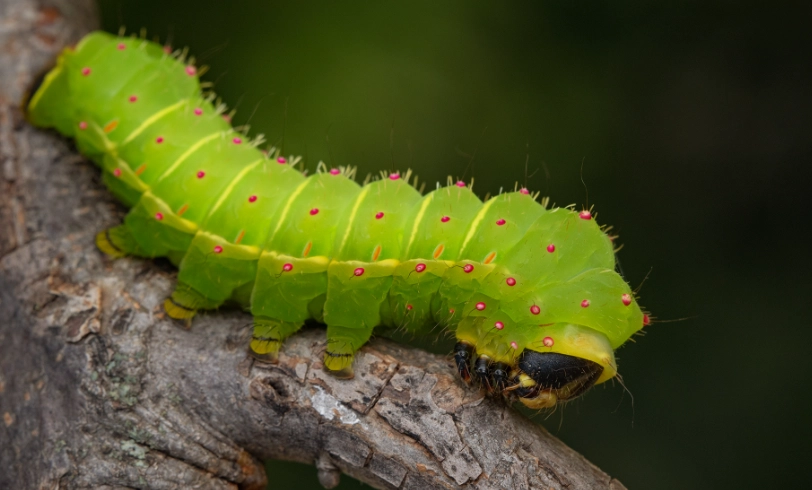
Become a Luna Moth Spotter
Instead of handling the caterpillar, document it. Take photos. Note the date, location, and host plant. You can contribute this data to citizen science projects. The iNaturalist platform is fantastic for this. Your observation helps scientists track their populations. That's a way bigger deal than a quick touch.
Grow Your Own (Responsibly)
If you're truly fascinated, consider creating a habitat. Plant native host trees like hickory or sweet gum. Avoid pesticides. You'll attract not just lunas, but a whole host of pollinators. Watching a caterpillar grow through its instars (growth stages) on a plant in your yard is a months-long thrill. The University of Florida's Entomology Department has a great feature on luna moth biology that can guide your habitat choices.
Observe the Metamorphosis
If you find a caterpillar that's ready to pupate (it will stop eating and wander), you can carefully place it in a large, ventilated container with some soil and sticks. Don't handle it during this time. Let it spin its cocoon. You can then overwinter it and witness the miraculous emergence of the adult moth in the spring. This requires research and commitment—the Butterflies and Moths of North America site is a good resource. The payoff? Seeing that ghostly green adult with its long tails is unforgettable, and you did it without stressing the animal.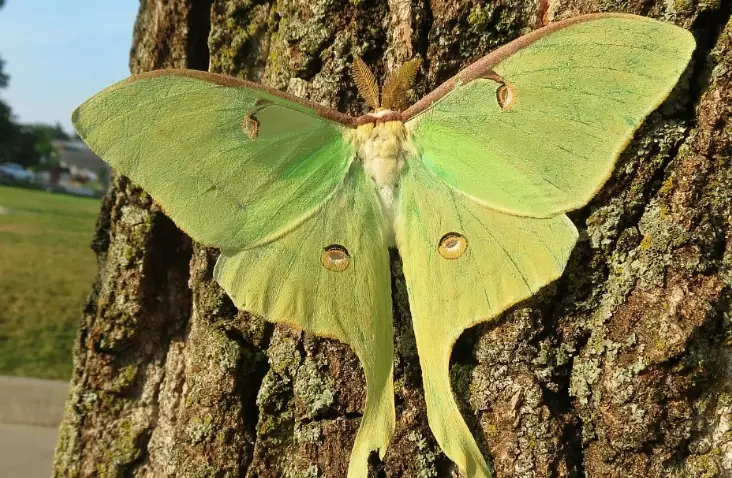
Clearing Up the Confusion: Common Myths Debunked
Let's tackle some of the persistent rumors head-on. The internet is full of half-truths.
Myth 1: "Luna moth caterpillars are as dangerous as woolly bears or other hairy caterpillars."
Nope. This is a classic case of guilt by association. Many fuzzy caterpillars are harmless, some are irritants, and a few are truly venomous. Luna falls firmly in the "mild irritant for some" category. The American Academy of Dermatology has information on caterpillar rash causes, noting that reactions vary widely by species.
Myth 2: "If you touch one, you'll kill it because of the oils on your skin."
This is an overstatement, but it contains a kernel of truth. Our oils aren't instantly lethal, but they can interfere with the caterpillar's ability to breathe through its spiracles (tiny holes in its side) and certainly add stress. It's a risk, not a death sentence. Gentle, brief contact with clean hands minimizes this.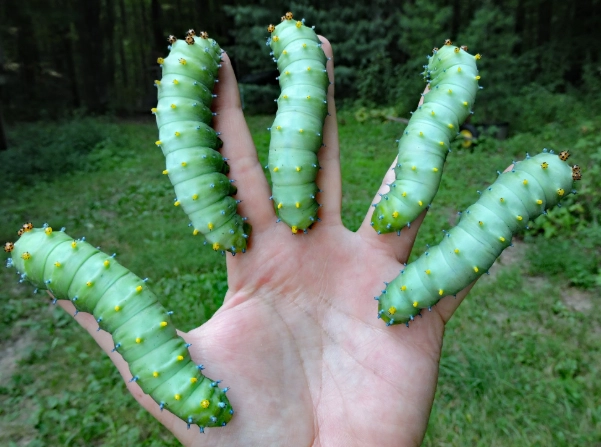
Myth 3: "The bright colors mean it's poisonous, so don't touch!"
In nature, bright colors often are a warning (aposematism). But with the luna caterpillar, those colorful spots are more likely for camouflage, breaking up its outline among dappled sunlight and leaves. It's not broadcasting "I'm toxic." For a clear example of a warning-colored caterpillar, look up the monarch—its bright stripes come from the toxic milkweed it eats. The luna doesn't share that strategy. The USDA Forest Service has a wonderful pollinator profile on the luna moth that discusses its life history without sensationalizing dangers.
So, circling back to our core question one last time: is it safe to touch a luna moth caterpillar? The balanced, real-world answer is this: For most people, a brief, gentle touch with clean hands poses a very low risk of a mild, temporary skin irritation. The greater concern should be for the well-being of the caterpillar itself. The safest, and arguably most rewarding, approach is to practice respectful observation—using your camera more than your fingers. Enjoy their otherworldly beauty, contribute to their conservation by planting native trees, and let them continue their quiet work of transforming from a green jewel on a leaf into one of the night's most magical fliers.
That's the truth of it. No hype, no fear, just facts and a nudge toward being a better guest in their world.

Comments
Leave a Comment