快速导览
So, you're wondering what is the most unusual cat breed out there. It's a fantastic question, and honestly, there's no single simple answer. It depends on what you find "unusual." Is it a bizarre appearance? A rare genetic mutation? A personality that's totally off the charts for a cat? The feline world is packed with contenders, each weird and wonderful in its own way. I've spent years chatting with breeders, rescuing cats, and just being an all-around cat enthusiast, and I can tell you that "unusual" covers a lot of ground.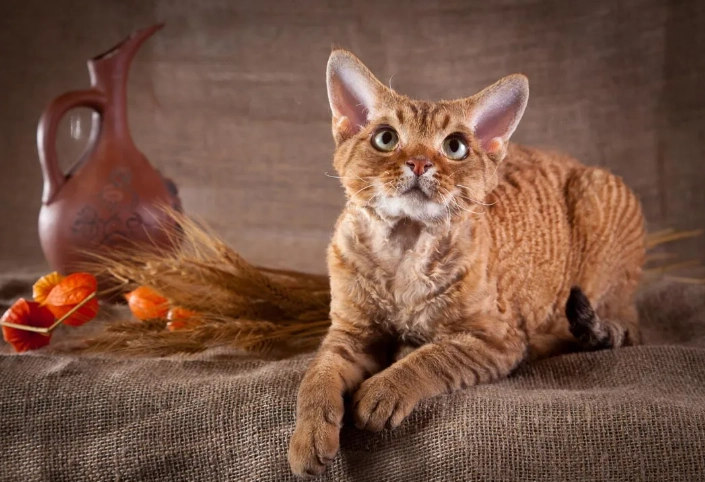
Let's be real. When most people ask "what is the most unusual cat breed," they're often picturing something hairless or wildly patterned. But what about the cat with curled ears, or the one that acts more like a monkey? We'll get to all of them. This isn't just about looks, though. It's about the whole package—how they behave, what they need, and whether they'd actually fit into your life. Because the most unusual cat breed for a busy apartment dweller might be completely different from the most unusual breed for someone with a quiet house and lots of time.
Defining "Unusual" in the Cat World
Before we jump into the list, let's set some ground rules. An "unusual" cat breed usually ticks one or more of these boxes:
- Striking Physical Traits: This is the obvious one. Lack of fur, uniquely curled or folded ears, extremely short legs (like the Munchkin, though that's ethically debated), or dramatically short/no tail (like the Manx).
- Rare Genetics & Origin: Breeds that resulted from a spontaneous natural mutation in a small geographic area, making them incredibly rare outside their homeland. Think the Sokoke from Kenya or the Khao Manee from Thailand.
- Unconventional Personality: Breeds that consistently break the "aloof cat" stereotype. They might be excessively dog-like in loyalty, have an obsessive love for water, or possess a vocal range that puts opera singers to shame.
- High-Maintenance Care: A breed whose unusual trait demands specific, non-standard care. A hairless cat needs sunscreen and sweaters. A cat with a ultra-short muzzle might have breathing issues.
I remember the first time I met a Sphynx. It wasn't just the lack of fur—it was the warmth of its skin and the way it insisted on being under a blanket. It challenged every notion I had about cats being independent and aloof. That experience made me realize unusual is often about breaking expectations.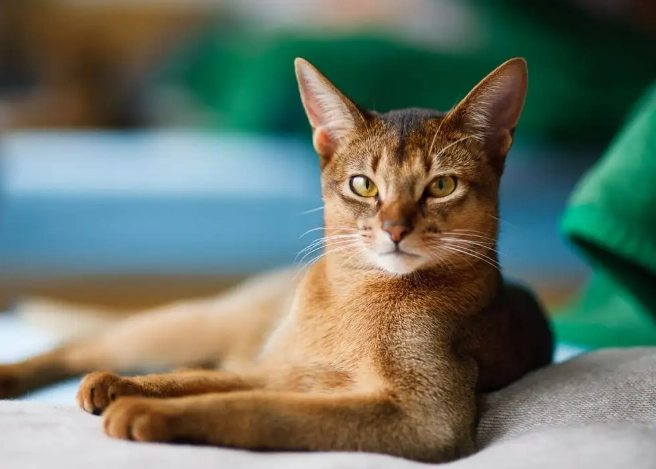
The Top Contenders: 7 of the Most Unusual Cat Breeds
Alright, let's get to the main event. Based on the criteria above, here are seven strong candidates for the title of most unusual cat breed. I've ranked them not just by looks, but by the overall "weirdness factor" encompassing rarity, care, and personality.
The Sphynx: The Hairless Wonder
For many, the immediate answer to "what is the most unusual cat breed" is the Sphynx. It's the poster child for feline oddity. Contrary to popular belief, they aren't completely hairless; they have a fine peach-fuzz layer that makes them feel like a warm suede hot water bottle. Their huge ears, wrinkled skin, and pot-bellied appearance (they love to eat!) are unmistakable.
Why it's so unusual: The complete departure from the standard furry feline form. Their need for regular bathing (they get oily), protection from sun and cold, and their extroverted, almost dog-like need for constant attention and warmth make them a high-maintenance companion. They are clowns, pure and simple. The Cat Fanciers' Association (CFA) has a detailed breed standard that highlights their unique physical points.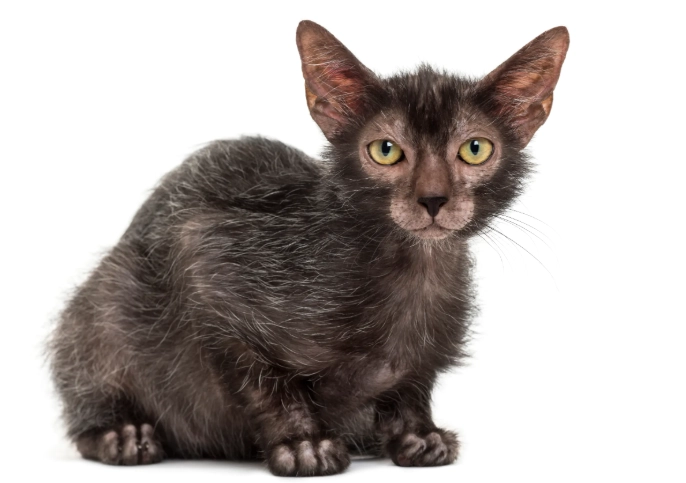
The Lykoi: The "Werewolf Cat"
If the Sphynx isn't strange enough, meet the Lykoi. This breed looks like it walked straight out of a horror movie, earning its "werewolf" nickname. It's not a hybrid; it's a natural mutation in domestic shorthairs that causes partial hairlessness, especially around the eyes, muzzle, and legs, giving them a roan, patchy coat. Their hair follicles lack the components to create a proper undercoat.
Why it's so unusual: The look is genuinely one-of-a-kind. They can molt and become almost entirely bald before growing their coat back. Behaviorally, they are intense hunters with a strong prey drive. They are still exceedingly rare. The International Cat Association (TICA) recognizes them, and you can read about their fascinating genetics on the TICA Lykoi page.
The Devon Rex: The Pixie Elf
The Devon Rex is unusual in a softer, more elfin way. Their most striking feature is their coat: soft, wavy, and curly, with a texture often compared to crushed velvet. They have enormous, low-set ears, huge eyes, and a mischievous, impish expression. I have a soft spot for these guys—they're like permanent kittens.
Why it's so unusual: That coat. It's not just curly; it's sparse in the undercoat, which can make some people with mild allergies tolerate them better (though no cat is truly hypoallergenic). Their personality is also a standout. They are incredibly active, acrobatic (they'll perch on your shoulders), and deeply attached to their people. They are chatterboxes and love to be involved in everything you do.
The Scottish Fold: The Owl-Cat
The Scottish Fold is famous for one thing: its unique folded ears, which give it a wide-eyed, owl-like appearance. The fold is caused by a cartilage mutation. It's undeniably cute, but here's where we must get serious and a bit negative.
Why it's so unusual (and controversial): The very gene that causes the cute ear fold is linked to a painful, incurable joint disease called osteochondrodysplasia. All Folds have it to some degree. Reputable breeders pair Folds with straight-eared cats (Scottish Straights) to reduce severity, but the risk remains. Many veterinary associations, like the Cornell Feline Health Center, detail this health concern. This ethical dilemma makes the breed unusual in a somber way. Their sweet, calm personality is lovely, but the potential for suffering gives me pause. I'd strongly advocate for adopting a rescued Fold if you're set on the breed, never supporting a breeder who folds two Folds together.
The Peterbald: The Hairless Dancer
Think of the Peterbald as the Sphynx's more elegant, slender cousin. Originating in Russia from a cross between a Donskoy (another hairless breed) and an Oriental Shorthair, they have a hairless, suede, or brush (very short) coat. Their build is sleek and muscular like a Siamese, with long legs, a whip-like tail, and enormous, bat-like ears.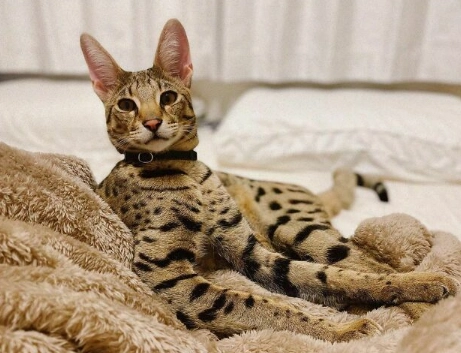
Why it's so unusual: It combines the hairlessness of the Sphynx with the extreme, angular elegance and vocal, demanding personality of the Oriental Shorthair. They are incredibly affectionate but can be stubborn and are known for being "talkative" in a loud, persistent way. They are also quite rare outside of Russia and Eastern Europe. The World Cat Federation (WCF) provides a good overview of breed standards for rare breeds like this.
The Munchkin: The Dachshund of the Cat World
The Munchkin is defined by its very short legs, the result of a genetic mutation. They come in all coat lengths and colors. Watching them run is a sight—they move with a ferret-like swiftness, and contrary to assumptions, they are agile and can jump (just not as high).
Why it's so unusual: The obvious physical deformity. This breed is *highly* controversial. Proponents say they are healthy and playful, while opponents argue that deliberately breeding for a form of dwarfism is unethical and could lead to spinal and joint issues (like lordosis). Major cat registries are divided on recognizing them. Their playful, outgoing personality is often praised, but the debate over their welfare is a massive part of their story. When pondering what is the most unusual cat breed, the Munchkin forces you to confront ethical questions head-on.
The Selkirk Rex: The Cat in Sheep's Clothing
If the Devon Rex has wavy hair, the Selkirk Rex has full-on, loose, plush curls—like a poodle or a lamb. It's the only curly-coated breed originating from a dominant gene (meaning even one copy of the gene produces curls). They have a sturdy, rounded body and a wonderfully sweet, patient, and tolerant disposition.
Why it's so unusual: The coat texture is incredibly unique and requires specific grooming to prevent matting. They shed their curls, so you'll find little corkscrews of hair around. Personality-wise, they are the gentle giants of the unusual cat world—laid-back, affectionate, and great with families. They are less hyper than the Devon Rex, making them a different kind of unusual companion.
| Breed | Most Unusual Trait | Personality Vibe | Special Care Required | Rarity |
|---|---|---|---|---|
| Sphynx | Complete hairlessness, wrinkled skin | Extroverted, clownish, affectionate | Weekly bathing, temperature control | Moderate |
| Lykoi | Patchy "werewolf" coat, hairless areas | Intense, hunter-like, loyal | Monitoring during molting phases | Very High |
| Devon Rex | Soft, wavy "pixie" coat, huge ears | Mischievous, acrobatic, talkative | Ear cleaning, warmth (thin coat) | Moderate |
| Scottish Fold | Folded ears, owl-like face | Sweet, calm, placid | **Vet monitoring for joint disease** | Moderate (but controversial) |
| Peterbald | Hairless/suede coat, sleek oriental build | Affectionate, vocal, demanding | Skin care, bathing, warmth | High |
| Munchkin | Very short legs | Playful, outgoing, confident | **Weight management (critical for joints)** | Moderate (but controversial) |
| Selkirk Rex | Thick, loose, plush curls | Patient, gentle, tolerant | Regular grooming to prevent mats | Moderate to High |
Beyond the List: Other Remarkably Unusual Breeds
The seven above are the headline-grabbers, but the rabbit hole goes deeper. If you're still asking what is the most unusual cat breed for *rarity*, consider these:
- Khao Manee: The "White Gem" of Thailand. Pure white with brilliant blue, gold, or odd-eyes (one of each). Considered bringers of good luck, they are exceptionally rare and expensive outside Thailand.
- Sokoke: Believed to be one of the rarest natural domestic breeds, from the Sokoke forest in Kenya. They have a unique "blotched tabby" coat that mimics tree bark and are incredibly agile and athletic.
- American Wirehair:Unique springy, wiry coat texture. The mutation appeared in a single barn cat in the 1960s.
My friend once had a chance to pet a Sokoke at a very exclusive show. She said its coat pattern was like nothing she'd ever seen—it was literally camouflage. That's a different kind of unusual, one based on ancient geography rather than human-selected mutations.
Caring for an Unusual Cat Breed: What You REALLY Need to Know
Owning an unusual cat isn't like having a standard domestic shorthair. Their unique traits often come with specific, non-negotiable needs. Let's break it down.
Health and Wellness
This is paramount. Many unusual traits are linked to health considerations.
- Genetic Predispositions: Scottish Folds (joint disease), Munchkins (potential for lordosis), flat-faced breeds like Persians (brachycephalic syndrome) which, while not on our main list, is another form of "unusual" with health costs. Always ask breeders for health screening certificates and be prepared for higher potential vet bills.
- Skin Care (Hairless Breeds): Sphynx and Peterbalds need weekly baths with a gentle, pH-balanced shampoo to remove oil buildup. They need sunscreen for outdoor access and sweaters for cold weather. Their ears also produce more wax and need regular cleaning.
- Coat Care (Curly/Wiry Breeds): Selkirk and Devon Rex need regular combing with a wide-toothed comb to prevent mats. American Wirehairs need gentle grooming to avoid breaking their unique hairs.
Environmental Needs
Your home setup might need tweaks.
- Warmth: Hairless and thin-coated breeds (Sphynx, Peterbald, Devon Rex) are always seeking warmth. Provide plenty of soft blankets, heated cat beds (with safety covers), and keep your home at a comfortable temperature. A chilly house is miserable for them.
- Safety for Short-Legged Cats: Munchkins may need ramps or steps to access their favorite perches if jumps are too high. Keeping them at a healthy weight is absolutely critical to avoid extra stress on their joints.
- Stimulation for High-Energy Breeds: Breeds like the Devon Rex and Lykoi are incredibly smart and active. They need interactive toys, puzzle feeders, and lots of playtime to prevent boredom and destructive behavior.
Finding and Choosing Your Unusual Cat
So you've decided you want to answer "what is the most unusual cat breed" by bringing one home. Great! But where do you even begin?
1. Reputable Breeder vs. Rescue: For very rare breeds like the Lykoi or Khao Manee, a reputable breeder is likely your only option. How to spot a good breeder: They are registered with major associations (TICA, CFA); they health-test their breeding stock for known genetic issues; they raise kittens in-home with socialization; they ask you as many questions as you ask them; they provide a contract and take back the cat at any time if you can't keep it. They will NOT have multiple litters available at all times. For more established unusual breeds (Sphynx, Devon Rex, Scottish Fold), check breed-specific rescues. There are Sphynx and Rex rescues that often have adults in need of homes.
2. The Cost Factor: Let's not sugarcoat it. Unusual cats are expensive. Purchase prices from a good breeder can range from $1,500 to $3,500+ for the rarest. Then factor in higher ongoing costs: specialty food, grooming supplies, vet care (including potential breed-specific issues), clothing for hairless cats... it adds up. Be financially prepared.
3. Lifestyle Fit: This is the most important step. Don't choose a breed just because it looks cool. A loud, demanding, high-energy Peterbald or Devon Rex will be a nightmare for someone who loves peace and quiet. A fragile, heat-seeking Sphynx is a poor choice for a family with rowdy young kids or a very cold house. Match the cat's personality and needs to your daily life.
What is the most unusual cat breed for allergy sufferers?
This is a huge question. First, a critical disclaimer: No cat breed is 100% hypoallergenic. Allergies are primarily to a protein (Fel d 1) in cat saliva and skin oils, not just hair. Breeds like the Sphynx (no hair to trap saliva) or Devon/Selkirk Rex (less undercoat shedding) may produce *less* allergen or spread it less, making them more tolerable for *some* people. However, a Sphynx requires frequent bathing, which can help reduce allergens on the skin. The Siberian is often mentioned for lower Fel d 1 production, though it's not "unusual" in appearance. The only way to know is to spend time with the specific breed. Always consult with your allergist.
What is the most unusual cat breed that is also good with children?
Among the unusual breeds, the Selkirk Rex often gets top marks for being patient, gentle, and tolerant—key traits for kids. The Sphynx is also very affectionate and social, but their more delicate skin means children must be taught to be gentle. The Munchkin is typically playful and confident, which can be a good match for older, respectful children. Always supervise interactions and teach kids how to properly handle any cat.
Are unusual cat breeds unhealthy?
Not inherently, but many unusual physical traits are linked to health risks. This is the core of the ethical debate in feline breeding. The folded ear gene (Scottish Fold) causes cartilage/joint issues. The short-leg gene (Munchkin) may affect the spine. Extreme body types (very long/short faces, extremely slender builds) can come with associated problems. The healthiest "unusual" breeds are often those where the unusual trait is cosmetic and not linked to skeletal issues—like the curl of the Selkirk Rex or the wire coat of the American Wirehair. Doing thorough research on breed-specific health problems is non-negotiable.
What is the most unusual cat breed that acts like a dog?
Several! The Sphynx is famous for its dog-like loyalty, following owners from room to room and greeting them at the door. The Devon Rex is playful, trainable, and often enjoys fetch. The Lykoi has a strong, focused prey drive and loyalty reminiscent of a terrier. The Turkish Van (known for loving water) and the Abyssinian (highly active and playful) are also very dog-like, though slightly less "unusual" in appearance.
So, what is the most unusual cat breed? As we've seen, it's not a single answer. It's a spectrum. For sheer visual shock value, the Lykoi or Sphynx might win. For rare genetics, the Khao Manee or Sokoke. For ethical complexity, the Scottish Fold or Munchkin. For a combination of unique looks and a wonderfully weird personality, the Devon Rex is hard to beat.
The true answer lies with you. Which kind of "unusual" resonates? Is it the velvety hairless skin of the Sphynx, the werewolf mystique of the Lykoi, or the plush curls of the Selkirk? Whichever one captures your heart, remember that bringing home an unusual cat is a commitment to understanding and meeting their unique needs. It's a journey into a fascinating corner of the feline world, one that promises a companion truly unlike any other.
Resources for further reading: The International Cat Association (TICA) and the Cat Fanciers' Association (CFA) are excellent starting points for breed standards and responsible breeder directories. For health information, the Cornell Feline Health Center is an authoritative, non-commercial source.

Comments
Leave a Comment