Your Feline Face-Off Guide
- What Makes a Cat's Face "Weird" Anyway?
- The Top Contenders: A Lineup of Unusual-Looking Cats
- Living with a Weird Face: The Daily Reality (It's Not All Instagram Photos)
- Health Considerations You Cannot Ignore
- Answering Your Burning Questions (FAQ)
- Final Thoughts: Is a Weird Face Cat Breed Right for You?
Okay, let's be real for a second. We all love cats. Fluffy ones, sleek ones, playful kittens grumpy old toms. But have you ever been scrolling through Instagram or TikTok and just... stopped? Your brain does a little double-take. What is that? You're looking at a cat, but its face is something else entirely. It's squished, or it has no fur, or its ears are curled into little spirals. That, my friend, is the wonderful world of the weird face cat breed.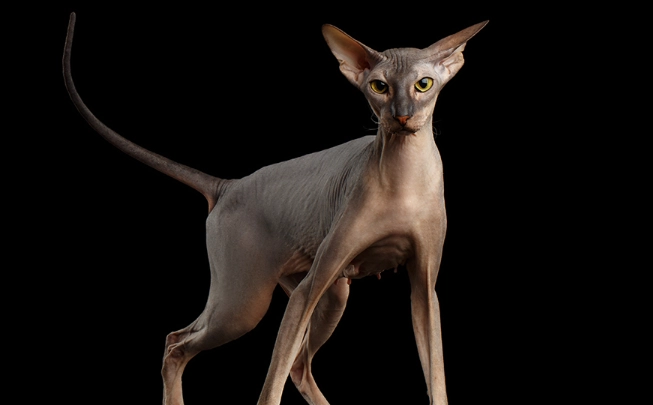
I remember the first time I saw a Persian cat up close as a kid. I wasn't sure if it was adorable or if it had run into a wall. (Sorry, Persian lovers, but you know it's true!). That fascination never left me. These unusual-looking felines aren't just oddities; they're the result of specific genetics, sometimes centuries of selective breeding, and they come with their own unique set of charms and challenges. If you're curious about these unique looking cats, maybe even thinking about bringing one home, you've landed in the right spot. This isn't just a listicle. We're going deep.
We'll talk about why they look the way they do, what it's actually like to live with them (the good, the bad, and the messy), and the important health stuff every potential owner absolutely must know. Because loving a weird face cat breed means understanding them, not just laughing at the memes.
What Makes a Cat's Face "Weird" Anyway?
It's subjective, of course. One person's "weird" is another's "exquisitely beautiful." But in the cat fancy world, certain extreme physical traits, often exaggerated by breeders for shows, define what we commonly call a weird face cat breed. It usually boils down to a few key features getting a major, and sometimes controversial, overhaul.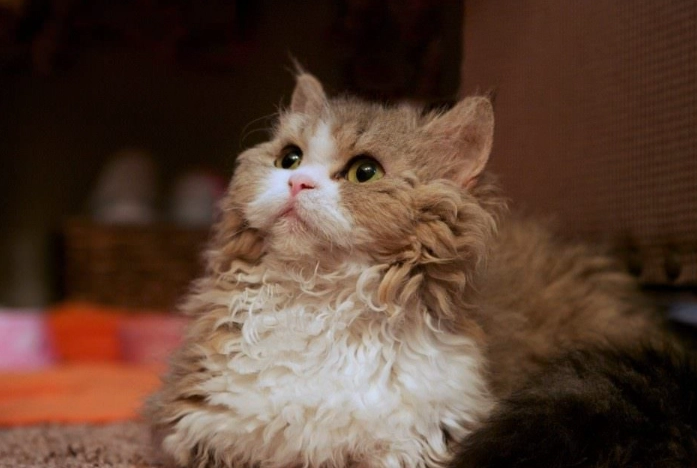
The most common culprit is the brachycephalic skull. That's the scientific term for a short, broad head. Think pugs and bulldogs, but feline version. This breeding selectively shortens the bones of the face and nose. The result? Those incredibly flat, pushed-in faces. It creates large, round eyes that seem to pop out and a tiny, often upturned nose. It's a look that tugs at our heartstrings because it resembles a human baby's face (it's called neoteny), but it's not without serious consequences for the cat.
Then you have the opposite: the wedge-shaped or elongated heads, often paired with enormous ears, that give some cats a perpetually surprised or alien-like appearance. Other factors include a complete lack of fur, which highlights every wrinkle and contour of the skull, or bizarre ear shapes that defy the typical alert triangle.
So, which breeds are we talking about? Let's meet the contenders.
The Top Contenders: A Lineup of Unusual-Looking Cats
Here’s a breakdown of the most commonly cited weird face cat breeds. I've put them in a table because it's easier to compare the core facts at a glance. But remember, a table can't capture personality, and that's half the story.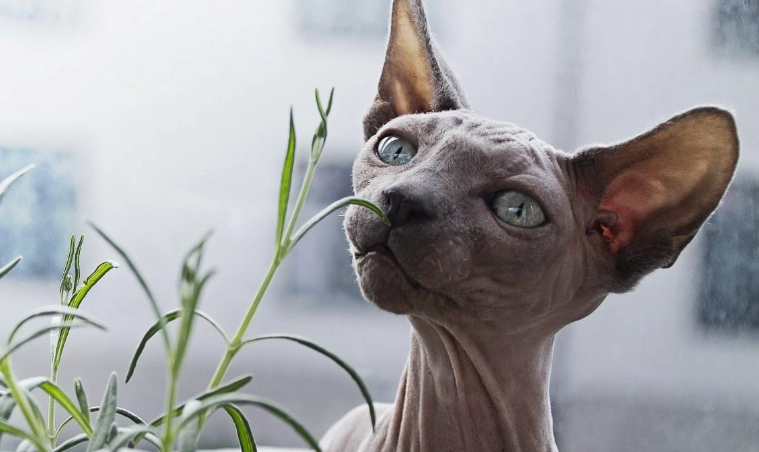
| Breed Name | The "Weird" Factor | Key Trait | Energy Level |
|---|---|---|---|
| Persian | The ultimate flat face. Extremely brachycephalic. | Long, luxurious coat; very calm demeanor. | Low (a champion napper) |
| Exotic Shorthair | Basically a short-haired Persian. Same squished face, less fur. | Plush, dense coat; sweet, gentle personality. | Low to Moderate |
| Scottish Fold | Those iconic folded ears that make them look like owls or teddy bears. | Caused by a cartilage mutation; round head and eyes. | Moderate, quite playful |
| Sphynx | Hairless. Wrinkled skin, prominent cheekbones, large ears. | Requires frequent bathing; feels like warm suede. | High (very dog-like and energetic) |
| Peterbald | Another hairless breed, but with a more elegant, elongated head. | Can be born hairless, with a peach-fuzz coat, or a short coat. | Very High, extremely social |
| Cornish Rex | Curly, short coat, enormous ears, and a slender, "alien" head shape. | Wavy "marcel" coat; athletic and mischievous. | Very High |
| Devon Rex | Elfin face, huge low-set ears, wispy curly coat. | Often described as a "pixie" cat; highly people-oriented. | High, loves to clown around |
| Selkirk Rex | Dense, plush, curly coat on a sturdy body with a round face. | The curl is a dominant gene; comes in long and short hair. | Moderate, laid-back |
Looking at that list, you start to see the categories. The squished-face crew (Persian, Exotic). The hairless wonders (Sphynx, Peterbald). The curly-coated elves (Cornish, Devon, Selkirk Rex). And the unique-folded-ear cat (Scottish Fold). Each group shares common challenges.
I need to pause here on the Scottish Fold. Everyone loves those cute folded ears. I did too. But the mutation that causes the cute fold is a osteochondrodysplasia, a developmental abnormality that affects cartilage throughout the body. This means every single Scottish Fold, to some degree, will develop painful, degenerative joint disease, especially in the tail, ankles, and knees. Reputable organizations like International Cat Care have strong positions on this. It's a major ethical dilemma in the cat world. A breed defined by a genetic defect that causes guaranteed suffering is a hard pill to swallow for a true animal lover. That's my personal, and quite strong, opinion on it.
Living with a Weird Face: The Daily Reality (It's Not All Instagram Photos)
This is the part most blogs gloss over. They show the cute pictures and move on. But if you're serious about one of these unique looking cats, you need the unvarnished truth. Owning a weird face cat breed is a commitment to specialized, often daily, care.
The Brachycephalic Bunch: Persians and Exotics
Let's start with the flat faces. Their adorable smooshed noses come with a condition called Brachycephalic Obstructive Airway Syndrome (BOAS). Simply put, they can't breathe well. They snore, snort, and can struggle in heat or during play. You'll never hear the silent, graceful purr of other cats; it's more of a wheezy motor.
Then there's the eye weeping. Because their facial structure is so compressed, their tear ducts don't drain properly. They get a constant, reddish-brown tear stain running from their inner eyes down their face. This isn't just cosmetic. It requires daily wiping with a soft, damp cloth to prevent skin infections and matting in long-haired Persians. If you're not up for cleaning your cat's face every single day, walk away now.
And the grooming! A Persian's coat is a full-time job. It mats incredibly easily. We're talking thorough, lengthy brushing sessions multiple times a week, not a quick once-over. The Exotic Shorthair is often marketed as a "low-maintenance Persian," which is true for the coat, but they still have all the same facial and breathing issues. My friend has an Exotic, and the amount of eye gunk she cleans is astonishing. She loves him to bits, but she calls him her "high-maintenance prince."
The Hairless Horde: Sphynx and Peterbalds
No fur to groom? Easy, right? Wrong. This is probably the biggest misconception about the Sphynx cat breed. Their skin produces oils, but without fur to absorb it, the oil builds up. They get greasy. They can leave oily spots on your furniture and bedding. They need a full bath about once a week with a gentle cat shampoo. If you skip baths, they can develop skin infections and acne. Yes, cat acne.
They also get cold. Easily. You'll be buying sweaters for your cat. They seek out warm spots—your laptop, under the covers, on top of the radiator. And they eat a lot! Their high metabolism (part of what keeps them warm) means they need more calories than a furry cat of the same size.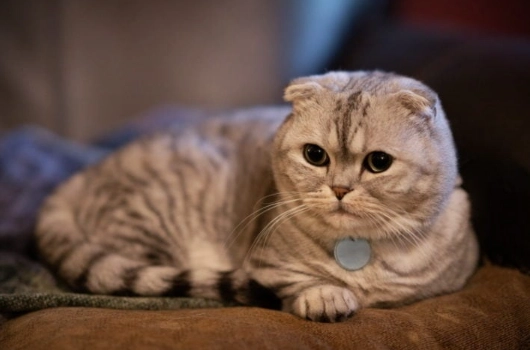
Peterbalds are similar but often even more active and social. They are velcro cats, needing constant interaction. A bored Sphynx or Peterbald is a destructive Sphynx or Peterbald.
The Rexes and the Fold
The Cornish and Devon Rex have very fine, short coats. They don't shed much, but they are prone to getting oily, especially on their paws and inside their large ears, which need regular checking and cleaning. They are athletic jumpers and incredibly smart, which means they need lots of interactive play and puzzle toys.
The Scottish Fold, as mentioned, has the joint issues. You need to be vigilant for signs of pain: reluctance to jump, stiff gait, irritability when touched. Their folded ears also require gentle weekly cleaning, as the fold can trap wax and debris.
Pros: Unforgettable personalities, immense affection (often very people-focused), truly unique companions that are conversation starters.
Cons: High maintenance grooming/cleaning, significant potential for expensive health problems, ethical concerns with some breeds, not a "set and forget" pet.
Health Considerations You Cannot Ignore
This isn't meant to scare you, but to prepare you. Choosing a weird face cat breed often means signing up for a lifetime of potential veterinary management. It's the responsible thing to know before you fall in love.
- Brachycephalic Syndrome (BOAS): As discussed, this is the big one for Persians and Exotics. In severe cases, it can require expensive surgery to widen nostrils or shorten the palate. The American Veterinary Medical Association (AVMA) has resources discussing the welfare concerns of brachycephalic breeds.
- Dental Issues: That shortened jaw often means crowded, misaligned teeth. This leads to faster plaque buildup, periodontal disease, and tooth loss. Regular professional dental cleanings under anesthesia (which is itself riskier for brachy cats) are frequently needed.
- Polycystic Kidney Disease (PKD): A common, inherited disease in Persians and Exotics where cysts form in the kidneys, eventually leading to failure. Reputable breeders test their breeding stock for the PKD1 gene. Always ask for proof of a negative PKD test from the parents.
- Hypertrophic Cardiomyopathy (HCM): A form of heart disease prevalent in many cat breeds, including Sphynx and Rex cats. Responsible breeders screen their cats with regular echocardiograms.
- Scottish Fold Osteochondrodysplasia: The joint disease is progressive and painful. Management involves pain relief, joint supplements, and keeping the cat at a lean weight, but it cannot be cured. Many veterinarians advocate against breeding these cats.
See a pattern? Reputable breeder is the key phrase. A good breeder health-tests their cats, is transparent about breed problems, and breeds for health and temperament first, not just for the most extreme face. They will interview you as much as you interview them. Be wary of anyone selling "rare" or "teacup" Persians with ultra-extreme faces—this is often a sign of irresponsible breeding that exacerbates health problems.
Adoption is also an option.
Breed-specific rescues often have adult cats who need homes. An adult cat's personality and health are already known, which can be a huge advantage.
Answering Your Burning Questions (FAQ)
Final Thoughts: Is a Weird Face Cat Breed Right for You?
So, after all this, should you get one? I can't answer that for you. But I can give you a checklist.
Ask yourself:
- Time: Do I have 30-60 minutes daily for specialized grooming and cleaning (face, eyes, ears, skin, or coat)?
- Budget: Can I afford higher veterinary costs, potential surgeries, specialty food, and grooming supplies?
- Lifestyle: Is my home calm and suitable for a potentially delicate cat? Or do I want an active, dog-like companion? (Match the breed energy to your life).
- Ethics: Am I comfortable with the potential health implications for this breed? Have I done enough research to make an informed, compassionate choice?
If you've read this far, you're clearly serious. That's a great sign. These cats aren't for everyone, but for the right person, they are an unparalleled source of love and companionship. Their weird faces are just the doorway to their wonderful, unique personalities.
Do your homework. Find a fantastic, ethical breeder or rescue. Go in with your eyes wide open to the challenges. If you do, you might just find your perfect, wonderfully weird soulmate in cat form.
Just maybe start saving for that pet insurance plan first.
Comments
Leave a Comment