Quick Guide to the Hunt
- Understanding Your Target: What Exactly Are You Looking For?
- The Where: Prime Locations and Habitats in Japan
- The When: Timing is Absolutely Everything
- A Practical Comparison: Potential Finding Spots
- How to Actually Search: Techniques and Etiquette
- Common Challenges and Why You Might Not Find One
- Resources and Further Reading
- Frequently Asked Questions (FAQs)
Let's be honest right from the start. If you're typing "where can I find a Japanese emperor caterpillar" into Google, you're probably not looking for a simple one-line answer. You already know it's not like finding a ladybug on a rose bush. This is a quest. It's for the dedicated nature lover, the patient photographer, or the curious bug enthusiast who's heard about this stunning, large caterpillar that turns into Japan's national butterfly, the Sasakia charonda or Great Purple Emperor. I've been down this road myself, and it's equal parts frustrating and incredibly rewarding.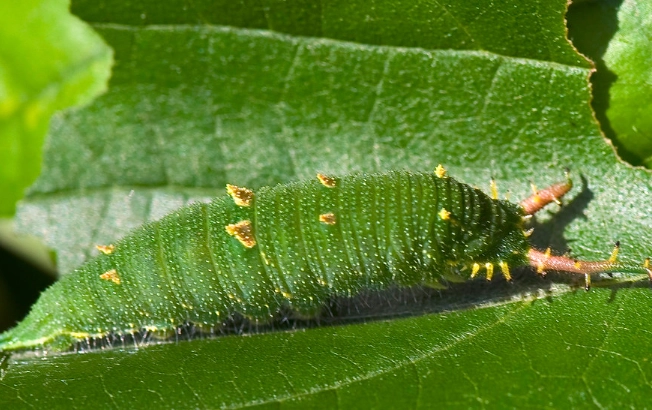
The short, unsatisfying answer is: in specific forests in Japan, on specific trees, at a specific time of year. But that tells you nothing. It's like saying you can find gold if you dig in the right place. The real question is, where are those places, what do those trees look like, and when is that magical time? This guide is here to peel back the layers and give you the practical, on-the-ground knowledge you need. We're going to talk about habitats, timing, identification, and the sheer luck involved. I'll also share a couple of my own failed attempts before I finally got it right—because sometimes knowing where not to look is just as important.
Understanding Your Target: What Exactly Are You Looking For?
Before you even think about where to go, you need to know what you're searching for. Misidentifying a common caterpillar for the emperor is an easy way to waste a day. The Japanese emperor caterpillar is the larval stage of the Great Purple Emperor butterfly. In its final instar (the stage just before it turns into a chrysalis), it's a real standout.
Imagine a caterpillar that's about 5 to 6 centimeters (2 inches) long when fully grown. It's a chunky fellow. The body is primarily a bright, almost lime green. Running down its back is a distinctive, saddle-like brown marking. But the real kickers are the spines. It has rows of fleshy, branched spines that are a contrasting reddish-brown or orangey color. The head is a dark, glossy brown. It's not something you'd easily confuse with a monarch or swallowtail caterpillar. It looks... regal. Which fits.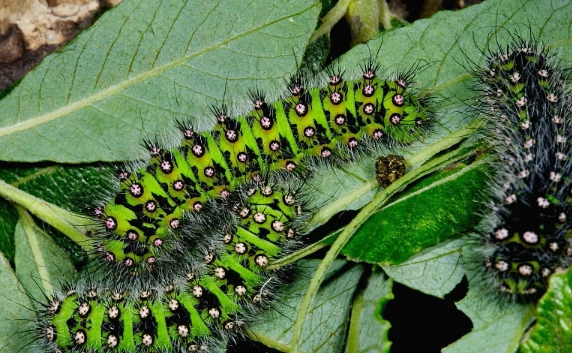
They start life much smaller and less colorful, but by mid-summer, the mature caterpillars are unmistakable. I remember my first thought was that it looked like a tiny, spiky dragon resting on a leaf.
The Lifeline: The Host Trees
This is the most critical piece of the puzzle. You cannot find the caterpillar without finding its food. The Japanese emperor caterpillar is obsessively loyal to trees in the genus Celtis, known as hackberries or nettle trees.
- Primary Host: Celtis sinensis (Japanese Hackberry) is the absolute favorite. This is the tree you must learn to identify.
- Secondary Hosts: They might occasionally use Celtis jessoensis and a few other Celtis species, but your focus should be on C. sinensis.
So, your question morphs from "where can I find a Japanese emperor caterpillar?" to "where can I find healthy, accessible stands of Japanese hackberry trees?" The caterpillar rarely, if ever, strays from these trees. The female butterfly lays her eggs on the leaves, and the caterpillars munch on them until they are ready to pupate. I spent a whole weekend once in a beautiful mixed forest before realizing there wasn't a single hackberry in sight. Lesson painfully learned.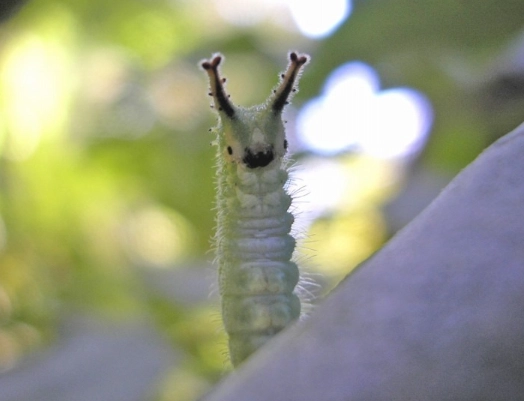
The Where: Prime Locations and Habitats in Japan
Now we get to the core of it. The Japanese emperor butterfly's range covers much of Japan's main islands (Honshu, Shikoku, Kyushu). But the caterpillar's presence is much more patchy. They thrive in a specific type of environment: moist, sunny, deciduous broadleaf forests, often in low mountain foothills or river valleys where hackberries grow well.
Here’s a breakdown of the types of places that hold promise, moving from general regions to specific spots.
Classic and Well-Known Regions
Some areas have a reputation among lepidopterists for healthy populations. These are good starting points for your search.
- The Tanzawa Mountains and surrounding areas in Kanagawa Prefecture: This is a famous spot. The mix of oak and hackberry forests here is ideal. Trails around Lake Tanzawa often get mentions.
- Chichibu-Tama-Kai National Park: Spanning Saitama, Yamanashi, Nagano, and Tokyo, this massive park has countless suitable valleys. It's less about a specific trail and more about finding the right habitat within it.
- Forests around Kyoto and Nara Prefectures: The historical capitals have preserved woodlands that are perfect. Areas like the hills around Ohara in Kyoto.
- Izu Peninsula (Shizuoka): The warmer climate and varied forests here support populations.
But here's the thing—just being in these regions isn't a guarantee. You need the right micro-habitat.
The Perfect Micro-Habitat: What to Look For On the Ground
When you're in a potential area, stop looking for the caterpillar for a moment. Look for this checklist of environmental factors:
- Sunlight: Look for forest edges, clearings, or thinner canopies where dappled sunlight reaches the understory and lower branches. The butterflies like to lay eggs in these slightly warmer, sun-touched spots.
- Water: A nearby stream, river, or even just a damp ravine. Hackberries like moist soil, and the overall humidity seems to benefit the caterpillars.
- The Tree Itself: Learn the leaf of the Japanese hackberry. It's asymmetrical at the base, with a slightly rough texture, serrated edges, and three distinct veins running from the base. The bark on younger trees is smooth with distinctive corky warts or ridges. Find a grove of these.
- Height: Don't just look up. Caterpillars can be on leaves from eye-level down to low branches, sometimes even on saplings. Carefully check the underside of leaves.
I had my first success in a place that ticked all these boxes: a small clearing by a mountain stream in Chichibu, with several young hackberries getting plenty of morning sun. It just felt right.
The When: Timing is Absolutely Everything
You can be in the perfect spot, but if you're there at the wrong time, you'll see nothing. The lifecycle dictates your schedule.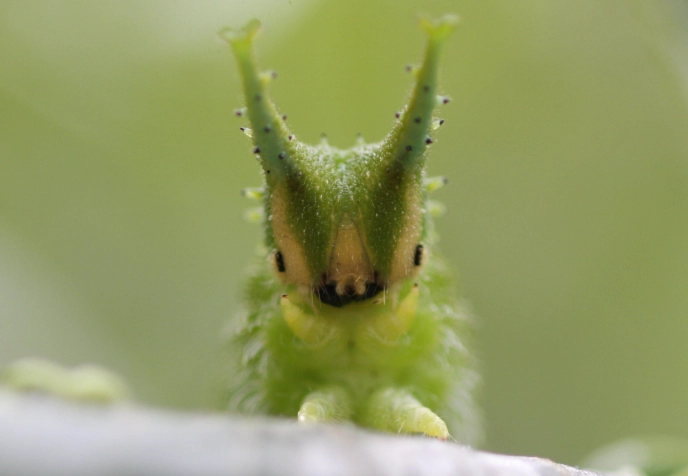
The Japanese emperor butterfly has one generation per year. Here’s the annual cycle:
- Late Summer (August): Adult butterflies fly. This is when mating and egg-laying happen.
- Autumn: Tiny caterpillars hatch from the eggs. They feed for a short while, then go into hibernation for the winter, tucked into a curled-up leaf or bark crevice. You won't find them in this dormant state.
- Spring (April-May): As the hackberry leaves burst open, the tiny caterpillars wake up and start feeding aggressively.
- Early to Mid Summer (June-July): This is the PRIME TIME to find large, mature, and visually impressive caterpillars. They are actively feeding before pupating. This is the window you must aim for.
- Late July: They pupate (form a chrysalis).
- August: Butterflies emerge, and the cycle repeats.
So, if you're asking "where can I find a Japanese emperor caterpillar," you must also ask "when can I find a Japanese emperor caterpillar?" The best answer is from late June through mid-July. Early June can work for slightly smaller ones, but by late July, they're getting harder to find as they pupate. Weather can shift this by a week or two—a cold spring delays things.
A Practical Comparison: Potential Finding Spots
To help visualize your options, here’s a table comparing different types of locations where you might look. This is based on general likelihood and the overall experience.
| Location Type | Likelihood of Finding Caterpillar | Pros | Cons & Challenges | Best For |
|---|---|---|---|---|
| Remote Mountain Valley | Medium-High (if habitat is correct) | Undisturbed habitat, higher chance of healthy population, pristine nature experience. | Hard to access, requires hiking, potentially dangerous (weather, terrain), no guarantees. | The adventurous hiker/backpacker with good plant ID skills. |
| Foothill Forest Edge (near rural towns) | Medium | Easier access, often well-maintained paths, can combine with other sightseeing. | More potential for habitat disturbance, might require permission if near private land. | The casual hiker/nature photographer looking for a day trip. |
| Designated Nature Parks & Reserves | Variable (Low-High) | Protected habitat, often have information centers, marked trails. | Can be crowded, sometimes the "best" spots are off-limits to protect wildlife, may not have hackberries. | Beginners, families, those who prefer structured environments. |
| University Arboretums or Research Forests | Low-Medium | Trees are often labeled (!), easy walking, managed environment. | May not host wild populations, more of a curated collection. | Learning tree identification in a low-pressure setting. |
| Riverside Groves | Medium-High | Hackberries love riverbanks, linear and easy to search, pleasant environment. | Can be overgrown, watch for flooding or slippery rocks. | Systematic searchers who like to follow a linear path. |
My personal recommendation for a first serious attempt? Try a riverside grove in a low mountain area of one of the classic regions, in late June. It combines decent access with good habitat.
How to Actually Search: Techniques and Etiquette
Okay, you're in the right habitat, at the right time, staring at a hackberry tree. Now what? You don't just shake the tree.
Search Technique
- Go Slow: This is a slow-motion activity. Rushing guarantees you'll miss it.
- Eye-Level First: Start with the leaves on branches at your eye level and work your way down, then cautiously up. Use binoculars to check higher branches without disturbing anything.
- Undersides are Key: Caterpillars often rest on the underside of leaves to avoid direct sun and predators. Gently lift leaves to peek. Don't pull or tear.
- Look for Signs: Chewed leaves (feeding damage) are a great clue. Look for leaves with distinctive notches taken out of the edges.
- Check Different Trees: If you have a grove, check multiple hackberries. They might only be on one or two trees in the area.
Non-Negotiable Etiquette and Conservation
This is crucial. The "where" includes a moral dimension.
- Do Not Collect: Unless you are a permitted researcher, do not collect the caterpillar, eggs, or butterflies. It is illegal in many protected areas and unethical everywhere. Their populations are fragile. Observe, photograph, and leave it be.
- Minimize Disturbance: Don't break branches, strip leaves, or otherwise damage the host tree. You are a guest in its home.
- Stay on Trails: Where possible, stick to paths to avoid trampling understory plants and compacting soil.
- No Chemicals: Do not use insect repellent on your hands if you plan to gently handle leaves (though handling the caterpillar itself is not recommended).
The goal is to find it, marvel at it, and ensure it and its siblings are still there for the next person who asks, "where can I find a Japanese emperor caterpillar?"
Common Challenges and Why You Might Not Find One
Let's temper expectations. You could do everything right and still not see one. It's not a zoo. Here are the big reasons why:
- Natural Population Fluctuations: Butterfly populations boom and bust based on weather, parasites, and disease. A bad winter or a wet spring can crash a local population.
- Predation: These caterpillars are food for birds, wasps, and other insects. Survival rates are low.
- Hyper-Specific Location: They might be in the forest, but 200 meters off the trail, in a spot you'd never think to check.
- Camouflage: When resting motionless on a green leaf, their shape and color can break up their outline surprisingly well.
- Just Plain Luck: Sometimes, it's just about being in the right place at the exact right moment. I've seen seasoned naturalists return empty-handed.
If you don't find one, don't see it as a failure. The search forces you to learn about forest ecology, tree identification, and insect life cycles. That's a win.
Frequently Asked Questions (FAQs)
Can I find them outside of Japan?
Extremely unlikely in the wild. Sasakia charonda is endemic to Japan (and parts of the Korean peninsula and Taiwan, but reports are scarce). You will not find it in Europe or North America. Any similar-looking caterpillar there is a different species.
Are there any tours or guided searches?
Rarely, but sometimes. Certain nature guide groups or eco-tour companies in rural Japan, especially in areas like Nagano or Yamanashi, might offer seasonal "butterfly watching" tours. These are your best bet for a guided experience. Your other option is to connect with local nature or photography clubs. A resource like the National Museum of Nature and Science, Tokyo website might list events or have links to relevant societies.
What time of day is best?
Late morning to early afternoon on a sunny or partly sunny day. The caterpillars are more active and visible when it's warm. On cold, cloudy, or rainy days, they tend to hunker down and are harder to spot.
What camera gear should I bring?
A macro lens is ideal. Even a smartphone with a good macro mode can work. A small tripod or monopod can help stabilize shots in the dim forest light. Remember, no flash if you can avoid it—it can startle small creatures.
Is it dangerous? Does it sting?
No. Those spiny projections look fierce but are fleshy and not venomous. It is not a stinging caterpillar like some moth species. You can observe it closely without fear, but again, avoid handling it unnecessarily to prevent stress or accidental damage to the caterpillar.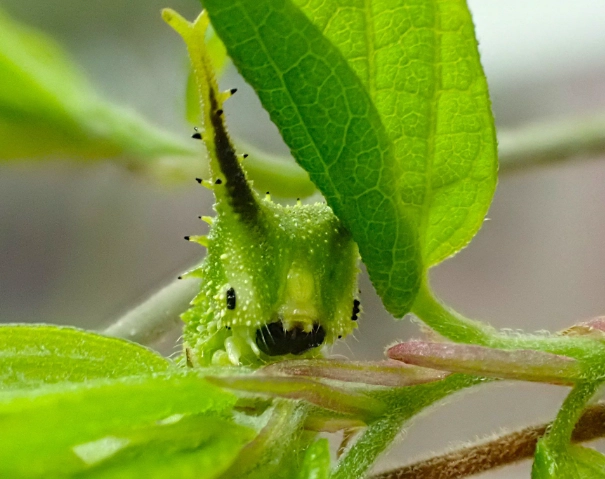
Resources and Further Reading
To plan your search seriously, arm yourself with knowledge. Here are some trustworthy starting points (remember, always verify information).
- For Tree Identification: Get a good field guide to Japanese trees. Online, databases like the Forestry and Forest Products Research Institute (FFPRI) site can be useful for confirming Celtis sinensis characteristics.
- For Distribution Data: Scientific papers and conservation assessments often have maps. The Japanese Ministry of the Environment's Red List site provides status information, which can hint at regions where it's still found (search for "Sasakia charonda").
- For Local Knowledge: Japanese-language hiking and nature blogs (use translation tools) are goldmines. People often post photos and locations of interesting finds. Look for blogs focused on insects (昆虫) or butterflies (チョウ).
So, where can I find a Japanese emperor caterpillar? You now have the blueprint. It's in the sun-dappled hackberry groves of Japan's moist foothills, in the narrow window of early summer, waiting for the patient and respectful observer. It's a treasure hunt with nature itself. The map is this guide, but the X is marked by your own eyes, your learned knowledge, and a hefty dose of fortune. Good luck out there. The search is the real adventure.
And when you do finally see that spiky green and brown form clinging to a leaf, you'll know it was worth every minute of the hunt.




Comments
Leave a Comment