Quick Guide
- When Genetics Go Rogue: The True "Hairless" Rabbit Mutations
- The Rex Factor: The Rabbit That Feels Hairless
- When Fur Loss Means Trouble: The Medical Causes
- Caring for a Rabbit With Little or No Fur: A Reality Check
- Your Questions, Answered: The Hairless Rabbit FAQ
- The Ethical Bottom Line: Should You Want a Hairless Rabbit?
You're probably here because you saw a weird picture online, or maybe a friend mentioned it. A rabbit without fur. It sounds like something from a sci-fi movie, right? I remember the first time I heard about it. I was at a local pet expo, chatting with a breeder who specialized in rex rabbits, and she casually dropped the term "hairless mutation." My brain just stopped for a second. A bald bunny? Is that even a thing? Can you get a hairless rabbit as a pet, or is it just some internet myth?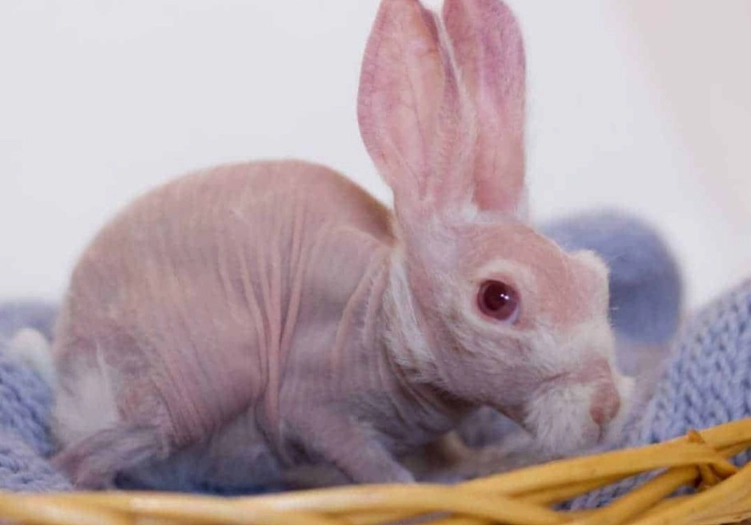
Well, let me tell you, the answer is more complicated—and more fascinating—than a simple yes or no. It's not like walking into a pet store and picking out a hairless cat (a Sphynx) off the shelf. The world of rabbits is different. The existence of a hairless rabbit usually points to specific genetic conditions, rare breeding lines, or, sadly, serious health issues. This isn't a mainstream pet option, and honestly, I think a lot of people searching for this have a mix of curiosity and genuine concern. Maybe you're allergic to fur and hoping for a solution. Maybe you're a seasoned rabbit owner who's seen something odd in a litter. Or perhaps you're just fascinated by the unusual.
The short, upfront answer? Yes, you can encounter a rabbit with little to no fur, but it's almost never intentional, and it's rarely a sign of a healthy, typical pet. The journey to understanding this is a deep dive into rabbit genetics, health, and ethics.
We're going to unpack all of it. We'll look at the genetic quirks that can cause hairlessness, the moment when a specific breed might appear less furry, and the harsh reality of health-related fur loss. We'll also tackle the big question: should you even want one? I'll share some insights from veterinarians and ethical breeders, because this topic really needs that perspective. By the end, you'll know exactly what it means when someone asks, "Can you get a hairless rabbit?" and you'll have all the facts to form your own opinion.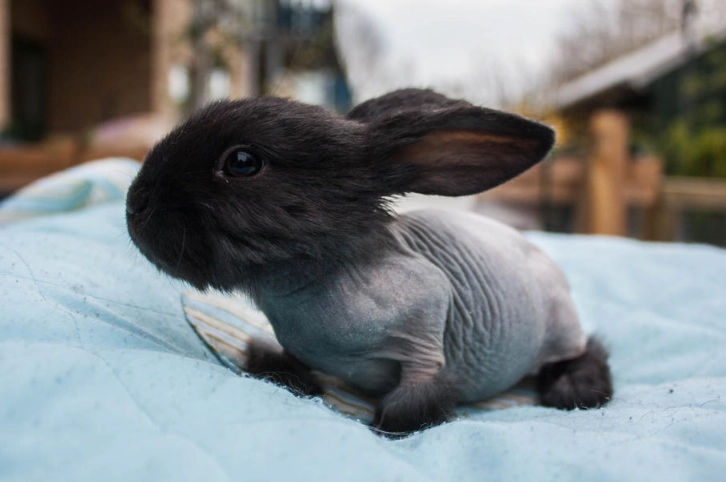
When Genetics Go Rogue: The True "Hairless" Rabbit Mutations
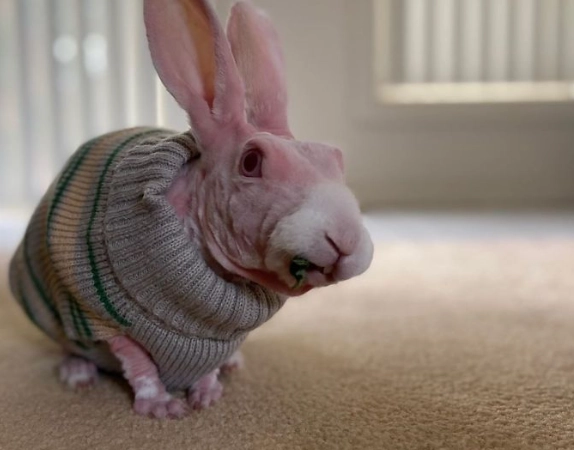
Let's start with the core of the issue. True, congenital hairlessness in rabbits is a genetic mutation. It's not a breed standard that's been selectively developed for, like with dogs or cats. It's an accident of nature, and it often comes with significant baggage. The most well-documented genetic condition leading to a near-hairless rabbit is sometimes called the "hairless" or "naked" gene. Kits (baby rabbits) born with this condition may have a fine down at birth but fail to develop a proper coat. Their skin often appears wrinkled and delicate.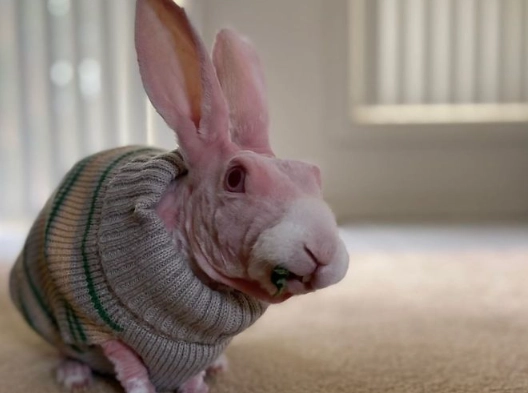
Here's the critical part that many websites gloss over: these genetic conditions are frequently linked to other health problems. A compromised immune system is a common companion. The fur isn't just for looks; it's a vital barrier. Without it, rabbits are incredibly susceptible to skin injuries, infections, and temperature dysregulation. Rabbits are prey animals, and their coat is a key part of their survival toolkit. Taking that away on purpose... it just feels wrong to me. I've read accounts from breeders who've had these kits born in their litters, and the consensus is usually one of heartbreak and intensive, often unsuccessful, care.
It's crucial to understand: responsible breeders do not intentionally breed for this trait. If you see someone advertising "hairless rabbits" for sale as a deliberate, healthy product, that's a massive red flag. It suggests a breeder who is either profoundly misinformed or, worse, prioritizing novelty over animal welfare.
The genetics are recessive, meaning both parents must carry the gene for it to manifest in their offspring. Ethical breeders who discover carriers in their lines will typically retire those rabbits from breeding programs to prevent propagating the condition. So, while you can technically get a hairless rabbit from this genetic quirk, it's a rare and ethically fraught occurrence. You're not getting a healthy pet; you're signing up for a lifetime of specialized, potentially costly veterinary care.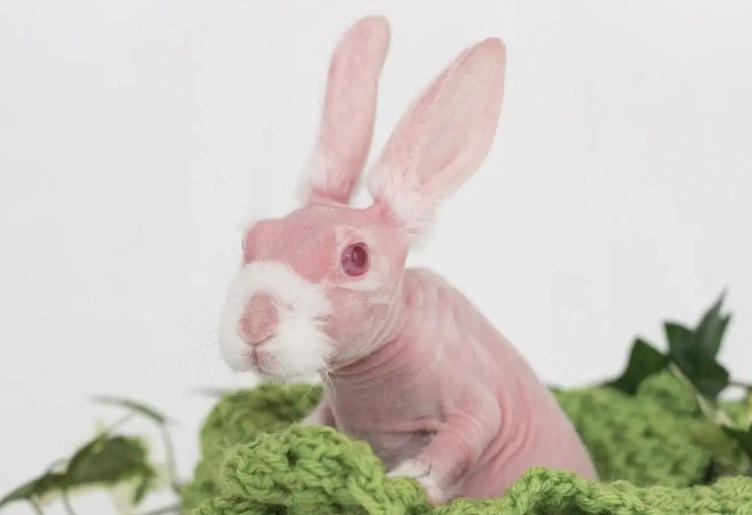
The Rex Factor: The Rabbit That Feels Hairless
Now, here's where the conversation gets more practical and less alarming. If you're asking, "Can you get a hairless rabbit?" because you love the feel of a Sphynx cat or you have mild allergies, there's a fantastic alternative that doesn't involve health defects. Meet the Rex rabbit.
Specifically, the Mini Rex and the Rex. These are standardized, popular, and healthy breeds. Their magic is in their fur. Instead of the long guard hairs and dense undercoat of most rabbits, Rex rabbits have a plush, velvety coat where the guard hairs are the same length as the undercoat. This gives them that incredibly dense, short, and upright fur. When you pet a Rex, it feels like living velvet. To the touch, especially with eyes closed, it can feel remarkably smooth and short—almost like a peach or, to some, like a very short-haired animal.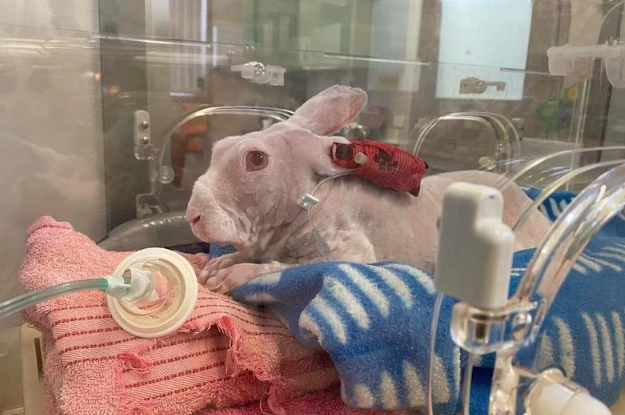
The Rex fur mutation is a dominant gene and is completely healthy. It's the basis of a beloved breed, not a side effect of poor health. The American Rabbit Breeders Association (ARBA) recognizes both Rex and Mini Rex, and they are common stars in shows and loving homes worldwide. You can explore their official breed standards on the ARBA website to see just how mainstream and celebrated they are.
I own a Mini Rex named Mocha. When friends visit and ask, "Is he a hairless rabbit?" I always laugh. From a distance, his coat looks perfectly normal. But when they stroke him, the reaction is universal: "Whoa! It feels like he has no fur!" That's the Rex effect. It's the closest you can healthily and ethically get to that "hairless" sensation. They shed less than many other breeds too, which can be a bonus for allergy sufferers (though no rabbit is truly hypoallergenic). If your dream is a low-maintenance, unique-feeling bunny, a Rex from a reputable breeder or rescue is your absolute best bet. Don't chase a genetic anomaly when a beautiful, healthy breed already gives you the experience you might be seeking.
When Fur Loss Means Trouble: The Medical Causes
This is the sadder, more common reason you might see a rabbit losing its fur. If you're searching "can you get a hairless rabbit" because your own bunny is going bald, this section is for you. Please, put the internet search down and call your vet. Seriously.
Fur loss (alopecia) in rabbits is almost always a symptom, not a diagnosis. It's the rabbit's body waving a big red flag. Here are the usual suspects, and why a suddenly hairless rabbit is a veterinary emergency:
- Parasites: Mites, particularly Cheyletiella parasitovorax (walking dandruff) or burrowing mites, can cause intense itching, scabbing, and patchy to widespread fur loss. Ear mites can also lead to hair loss around the ears and neck.
- Fungal Infections: Ringworm (which is a fungus, not a worm) creates circular, scaly patches of hair loss. It's also zoonotic, meaning it can spread to humans.
- Dental Disease: This is a big one owners miss. Overgrown tooth roots, especially on the molars, can press on the tear ducts and cause painful facial abscesses or skin infections that lead to fur loss on the face and dewlap.
- Urine Scalding: In older, arthritic, or obese rabbits who can't groom properly, or those with urinary incontinence, urine soaks the fur on their hindquarters. This chemical burn leads to hair loss and raw, inflamed skin.
- Barbering: This is when a rabbit (or its cage mate) over-grooms and chews off fur, often due to stress, boredom, pain, or social conflict. It creates very clean-cut patches of missing fur.
- Hormonal Imbalances: Issues with the thyroid or other glands can sometimes manifest as symmetrical fur loss.
I went through a scare with Mocha last year. He developed a small, bald patch behind his ear. My mind, of course, jumped to the worst conclusions. Was it mites? A tumor? Turns out, he'd just gotten a little over-enthusiastic scratching an itch and had pulled a tiny clump out. It grew back in weeks. But the point is, I didn't assume. A quick check-up with our rabbit-savvy vet gave us peace of mind. Never, ever guess with rabbit health.
The treatment for a medically hairless rabbit isn't about accepting its new look; it's about diagnosing and treating the root cause. A rabbit with mange mites needs antiparasitic medication. A rabbit with dental disease needs its teeth trimmed and possibly antibiotics. The fur will usually grow back once the problem is resolved. So, in this sense, you can temporarily have a hairless rabbit, but the goal is always to get them furry and healthy again.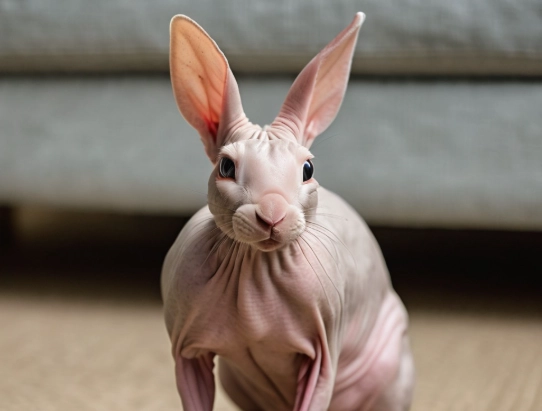
Caring for a Rabbit With Little or No Fur: A Reality Check
Let's say you've found yourself responsible for a rabbit that is hairless, whether from a rare genetic condition you've ethically adopted from a rescue or one recovering from a medical issue that caused fur loss. What then? It's a full-time job.
Think of a newborn baby, but more fragile and prone to hiding illness. Their care needs are exponentially higher than a standard rabbit's.
The Non-Negotiable Daily Needs
Temperature Control is Everything. Rabbits already prefer cool temperatures (60-70°F or 15-21°C is ideal). A hairless rabbit cannot regulate its body temperature at all. You need a perfectly climate-controlled environment. No drafts, no direct sun, no proximity to heaters. A sudden chill can be fatal. Many owners use snuggle-safe disks (microwavable heat pads wrapped in thick covers) or small, safe space heaters for the room, always with thermostats.
Skin Care is a Ritual. That exposed skin is vulnerable. It can dry out, get sunburned easily, or become injured by rough surfaces. You'll need:
- Soft Bedding: Only the softest fleece or vet bedding. Hay, while essential for eating, is too prickly for their skin to lie on directly. You'll need separate, plush sleeping areas.
- Moisturizing: Yes, really. A vet-recommended, fragrance-free, hypoallergenic moisturizer might be necessary to prevent painful cracking. Rabbit skin is thin.
- Sun Protection: If they have any access to natural light (which they should, carefully), you must prevent sunburn. This is a huge challenge.
Diet and Hydration on Steroids. A rabbit with a compromised system needs perfect nutrition to support its immune system. This means unlimited high-quality hay (Timothy or Orchard grass), limited but precise pellets, and fresh greens. Hydration is critical; dehydration will show on their skin immediately. You might be syringe-feeding critical care food more often than you'd think.
The Emotional and Financial Toll
This isn't a cheap pet. You're looking at frequent, specialized exotic vet visits. Medications, special supplies, and potentially emergency care. The emotional weight is heavy too. These rabbits are often more fragile, with shorter lifespans. You are constantly on watch for the slightest sign of infection, injury, or distress. The cute "naked" photo online doesn't show the 3 AM worry sessions or the heartbreaking vet bills.
I spoke to a wildlife rehabilitator once who cared for a rabbit with severe mange (effectively hairless). She said it was one of the most intensive cases she'd ever handled, requiring weeks of isolation, daily medicated baths, and round-the-clock monitoring. The rabbit survived and was released with a full coat, but it was a monumental effort. That's the scale of care we're talking about.
Your Questions, Answered: The Hairless Rabbit FAQ
The Ethical Bottom Line: Should You Want a Hairless Rabbit?
This is the part where I give my blunt opinion. After all this research and talking to experts, my answer is a resounding no. You should not actively seek out a hairless rabbit as a pet.
The desire often comes from a place of novelty-seeking. We see unique pets as a form of self-expression. But with rabbits, that novelty is almost always tied to suffering. Breeding for traits that compromise an animal's basic welfare is unethical, full stop. Supporting anyone who claims to sell "hairless rabbits" perpetuates this. It tells the market there's demand for unhealthy animals.
If you come across a hairless rabbit in a shelter or rescue situation—one that was born with a condition or suffered severe neglect—that's a different story. Adopting such an animal is an act of profound compassion, but it's a commitment you must go into with eyes wide open, knowing the immense care required. You're becoming a full-time nurse, not just a pet owner.
For 99.9% of people asking "Can you get a hairless rabbit?" the path of joy and responsibility leads elsewhere. It leads to adopting a wonderful, fluffy (or velvety) rabbit from a shelter. It leads to choosing a healthy, happy Rex whose unique coat will delight you without the heartache. It leads to educating others about why intentionally hairless rabbits aren't a trend to follow.
The most rewarding rabbit ownership comes from meeting the animal's needs, not from forcing the animal to meet our aesthetic whims. A healthy rabbit, with all its glorious fur, is a beautiful, complex, and entertaining companion. That's the truth worth chasing.
So, can you get a hairless rabbit? Technically, yes, in rare and often tragic circumstances. But the better question is: why would you want to? The world is full of amazing, healthy rabbits in every color and coat type imaginable, waiting in rescues and responsible breeders' homes. They offer all the love and personality without the hidden cost of compromised health. That's the search that leads to a truly happy ending—for both you and the bunny.
Comments
Leave a Comment