Quick Navigation
- Why Are Hairless Rabbits So Uncommon? The Genetics Behind the Rarity
- The Different Types: Not All "Hairless" Rabbits Are the Same
- The Reality of Care: What It Really Takes to Own a Hairless Rabbit
- Where Would You Even Find One? And Should You Look?
- Common Questions That Go Beyond "Are Hairless Rabbits Rare?"
- Final Thoughts: Rarity Isn't Always a Good Thing
So you're scrolling through pet videos online, and you stumble across something that makes you do a double-take. A rabbit. But this one looks... different. It's got big, expressive eyes and those iconic long ears, but its skin is bare, maybe with a bit of fuzz. Your first thought is probably, "What is that?" followed closely by, "Are hairless rabbits rare?" I had the exact same reaction the first time I saw one. It was at a specialty pet expo years ago, and I honestly thought it was some kind of photoshop trick come to life.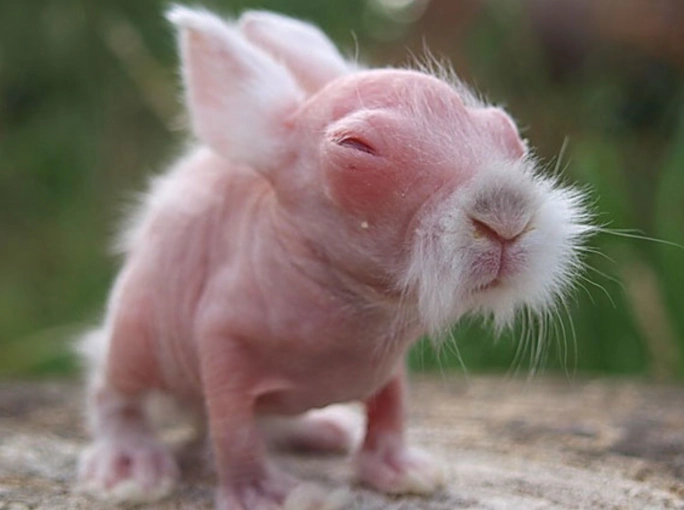
Let's cut to the chase. The answer to "are hairless rabbits rare?" is a resounding yes. They are exceptionally uncommon, far more so than your typical fluffy Netherland Dwarf or Flemish Giant. You won't find them at your local pet store, and even many dedicated rabbit breeders have never seen one in person. But their rarity isn't just a simple fact—it's a story woven from genetics, ethics, and the very specific needs of a truly unique animal.
Why Are Hairless Rabbits So Uncommon? The Genetics Behind the Rarity
To really understand why the answer to "are hairless rabbits rare?" is so definitive, we have to dig into the why. It mostly boils down to genetics and biology, not some secret breeding program.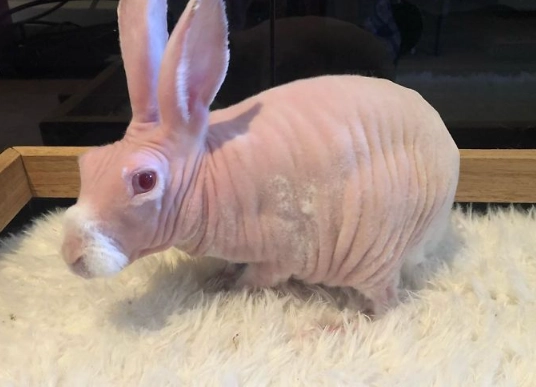
True, naturally occurring hairlessness in rabbits is typically the result of a recessive genetic mutation. Think of it like the blueprint for building a fur coat has a tiny, crucial error. For a kit (baby rabbit) to be born hairless, it needs to inherit this specific genetic "error" from both its mother and its father. If it only gets one copy, it will be a normal, furry rabbit but carry the gene. This already makes the odds of two carrier rabbits mating and producing a hairless offspring quite low.
But here's the kicker, and the main reason you're asking "are hairless rabbits rare?"—these genetic mutations often come with serious health complications. The gene that prevents proper fur growth can be linked to other developmental issues. Many hairless kits are unfortunately not viable. They may have underdeveloped immune systems, struggle to regulate their body temperature from birth, or have other hidden defects. Even if they survive infancy, they can face a lifetime of challenges.
So, their rarity is a combination of low odds (the genetics) and ethical breeding practices. Most hairless rabbits that exist are either accidental births from two carrier parents or, more problematically, come from irresponsible breeders who prioritize novelty over the animal's well-being. This is a crucial distinction for any potential owner to grasp.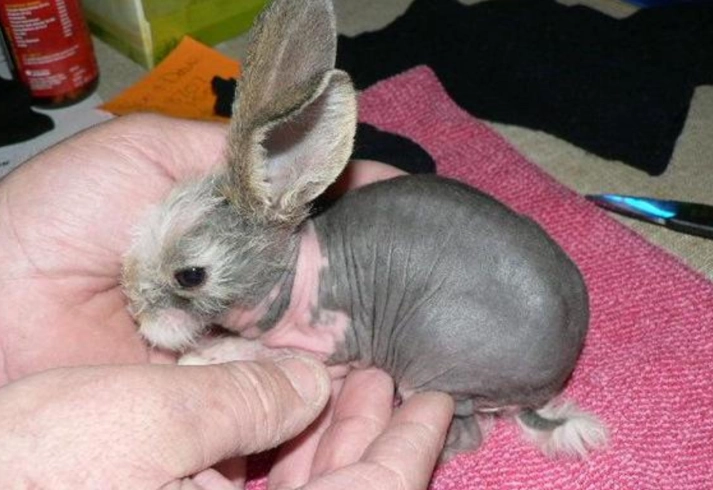
The Different Types: Not All "Hairless" Rabbits Are the Same
When people ask "are hairless rabbits rare?", they might be picturing one specific look. But there's actually a bit of variety within this tiny niche. It's not a formal breed recognized by major organizations like the American Rabbit Breeders Association (ARBA), but rather a genetic condition that can appear in different breeds. Knowing these types helps explain the spectrum of rarity and care.
The True Hairless (Rex Mutant)
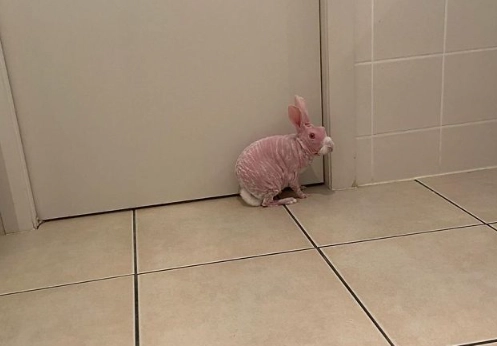
This is the classic image. These rabbits are born completely bald or with just a fine, peach-fuzz-like layer. Their skin is fully exposed, often appearing wrinkled, especially when young. They lack whiskers and eyelashes, which are important sensory tools for normal rabbits. This is the most extreme and demanding type, requiring constant attention to temperature and skin care. When you search online and wonder "are hairless rabbits rare?", these are the ones you're most likely seeing. And yes, they are the rarest of the rare.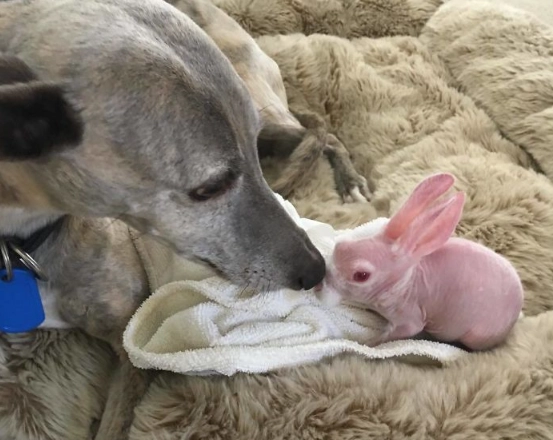
The Fuzzy or Patchy Hairless
Some rabbits exhibit a partial lack of fur. They might have patches of normal fur and patches of bare skin, or their entire coat might be extremely thin, sparse, and wool-like rather than the dense fur of a healthy rabbit. This can sometimes be confused with a rabbit suffering from severe mites or a fungal infection, which is why a vet diagnosis is critical. Their rarity is still high, but they may have slightly fewer health complications than the completely bald ones.
Rabbits with Alopecia (Non-Genetic)
This is an important category to separate. A rabbit can lose its fur due to illness, stress, parasites (like fur mites), hormonal imbalances, or allergies. This is not a genetic hairless rabbit. It's a sick rabbit that needs veterinary treatment. If you ever see an adult rabbit that has suddenly lost its fur, the question shouldn't be "are hairless rabbits rare?" but "what is wrong with this rabbit?" Prompt medical care is essential.
So, when we talk about the core subject of "are hairless rabbits rare?", we're primarily discussing those born with a genetic condition, not those who've acquired alopecia.
The Reality of Care: What It Really Takes to Own a Hairless Rabbit
Okay, so we've established that yes, hairless rabbits are rare. But maybe you're still intrigued. Maybe you have allergies to pet dander and think this could be a solution. Let's get brutally honest about what life is like with one of these pets. This is the part that most casual web searches for "are hairless rabbits rare?" don't fully cover.
Rabbits are already considered exotic pets with specific needs. A hairless rabbit is an exotic pet within an exotic pet. Their care is intensive.
Temperature Regulation is a Constant Battle
A rabbit's fur is its insulation. Without it, they are incredibly susceptible to both cold and heat. You can't just keep them in a standard cage in a room that gets a bit chilly at night.
- Ideal Environment: They need a stable, draft-free environment kept consistently between 72-78°F (22-26°C). Even a short draft can lead to a rapid drop in body temperature.
- Bedding: Deep, soft bedding like clean, dust-free fleece or hay is a must for burrowing and warmth. Avoid rough materials that can chafe their skin.
- Heat Sources: Many owners use safe, pet-specific heating pads (set on low and always with a blanket layer in between) or microwavable heat discs. Never use human electric blankets directly.
- Overheating Risk: Conversely, they can overheat easily in direct sun or a hot room. Always provide a cool, shaded area.
Skin Care is a Daily Routine
Their skin isn't designed to be exposed. It's prone to a host of issues that answer the deeper concern behind "are hairless rabbits rare?"—they're rare because they're fragile.
- Dryness and Flaking: You'll likely need to apply a vet-approved, fragrance-free moisturizer or a tiny amount of pure coconut oil to prevent painful cracking.
- Sunburn: They must be kept completely out of direct sunlight. Their skin burns incredibly easily. Think vampire-rabbit.
- Scratches and Injuries: Without a protective fur layer, even a minor scrape from a sharp edge in their enclosure can become a serious wound. Everything in their space must be smooth and safe.
- Bathing: Generally, bathing rabbits is discouraged. For hairless ones, if they get dirty, it's usually a gentle spot-clean with a damp cloth. Frequent baths strip their skin of essential oils.
Diet and Health Monitoring
Their metabolism often works harder to stay warm, so they may require a slightly higher caloric intake. Fresh hay (unlimited), high-quality pellets, and fresh greens are non-negotiable, but portions should be carefully discussed with an exotic vet. Yes, you need a vet who specializes in rabbits, not just cats and dogs. And you'll see them more often. Regular check-ups are vital to catch the myriad of potential health issues early.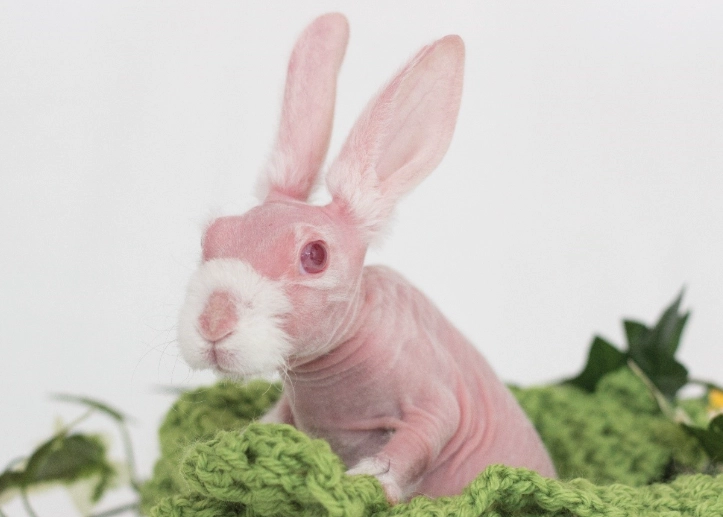
I once spoke to a rescuer who cared for a hairless rabbit surrendered by an overwhelmed owner. The amount of daily ritual—checking skin, adjusting heat, preparing special meals—was equivalent to caring for a neonatal kitten. It's a massive commitment.
Where Would You Even Find One? And Should You Look?
This is the practical side of "are hairless rabbits rare?". If they're so rare, where do they come from? The avenues are few and fraught with ethical questions.
| Source | Likelihood | Ethical Considerations & Notes |
|---|---|---|
| Accidental Litter from a Reputable Breeder | Very Low | This is the most ethical source, but incredibly rare. A responsible breeder would have two carriers mate unknowingly. They would likely keep the kit or place it with an extremely experienced carer, not sell it publicly. |
| Specialty/"Novelty" Breeders Online | Medium (but beware) | This is where you'll most often see them advertised. Extreme caution is required. Many prioritize profit over health. Ask endless questions about genetic testing, parental health, and guarantees. Visit in person if possible. |
| Rabbit Rescues or Special Needs Shelters | Low, but increasing | Perhaps the most ethical way to acquire one. Hairless rabbits are sometimes surrendered when owners are unprepared for the care. Adopting gives one a second chance. Check with organizations like the House Rabbit Society or local exotic pet rescues. |
| General Pet Stores | Extremely Unlikely | Virtually zero chance. Major pet store chains deal with common breeds supplied by large-scale breeders who avoid genetic anomalies. |
If you do go down the path of seeking one out, be prepared for a high cost. Their rarity drives up price, often ranging from several hundred to over a thousand dollars from a breeder. But the real cost is in ongoing care: specialized vet bills, climate control for your home, and endless supplies.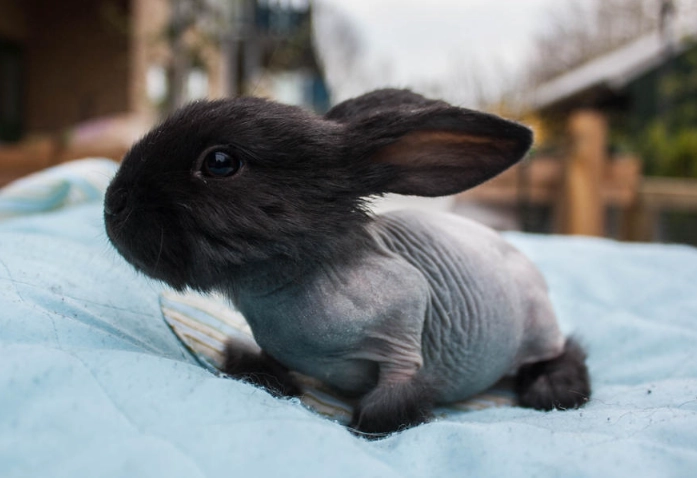
Common Questions That Go Beyond "Are Hairless Rabbits Rare?"
Final Thoughts: Rarity Isn't Always a Good Thing
So, are hairless rabbits rare? Absolutely. They are fascinating biological anomalies that capture our curiosity. But I hope by now you see that their rarity is a warning sign as much as it is a curiosity.
For the vast majority of people, a standard, furry rabbit from a shelter is a far more ethical and manageable pet choice. You'll get all the joy of a rabbit's personality without the heartache and extreme responsibility of managing a fragile genetic condition.
If your heart is set on one, please, let it be through adoption. Give a home to one that already exists and needs help. Arm yourself with knowledge, a dedicated vet, and the understanding that you are signing up for a role that is more nurse than just pet owner.
And if you were just curious, well, now you know. The answer to "are hairless rabbits rare?" is a complex yes, wrapped in layers of genetics, ethics, and a whole lot of extra work. Sometimes, the most extraordinary things in nature are best admired from a respectful distance.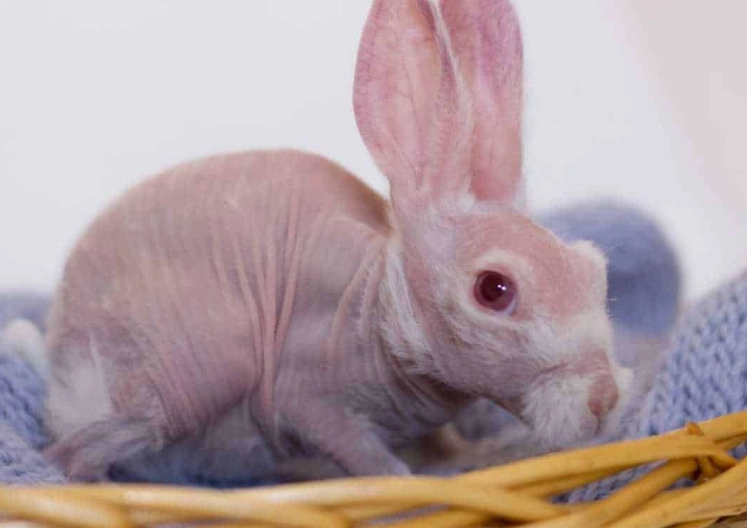



Comments
Leave a Comment