What’s Inside
- Breaking Down the Names: Elver, Glass Eel, and the Alien-Like Beginning
- Why Does the Name Even Matter? It's All About Value and Identity
- Elver vs. Glass Eel: A Side-by-Side Look
- The Global Hunt for the Baby Eel
- Answering Your Burning Questions About Baby Eels
- The Bigger Picture: Conservation and the Future
If you just shouted "elver!" at your screen, give yourself a pat on the back. You're partly right. But if we're being picky—and in the world of marine biology and commercial fishing, people are incredibly picky—that's only one piece of the puzzle. The journey from a mysterious, leaf-shaped creature in the open ocean to the slippery eel on your dinner plate involves several distinct stages, each with its own name. And trust me, getting these names wrong in certain circles is a surefire way to get a long, tedious lecture.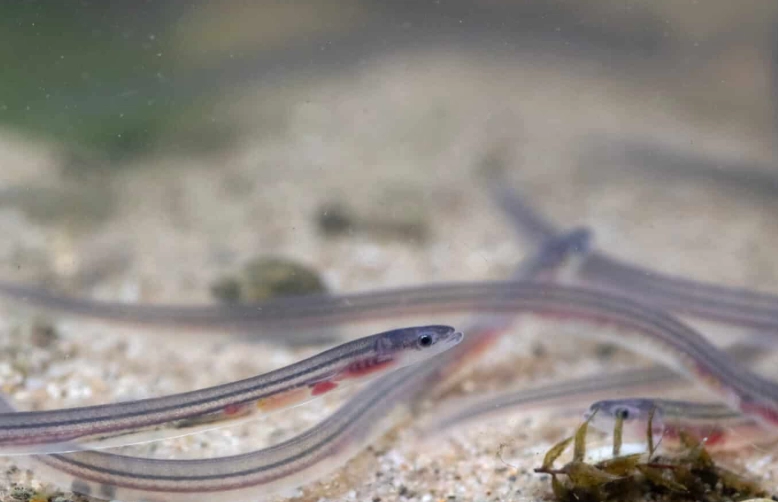
I remember the first time I saw what I thought were "baby eels." It was at a sushi bar, and the chef was preparing a dish of unagi. I asked him if that was made from the young ones. He laughed and said it was usually adult eel, but then he started talking about shirasu and nore and my head started to spin. That conversation sent me down a rabbit hole.
The quick answer? Most commonly, a baby eel is called an elver. But right before that, in its see-through phase, it's called a glass eel. And before that? That's where it gets weird. So if you're truly wondering "how do you call a baby eel," you need to know the whole story.
Breaking Down the Names: Elver, Glass Eel, and the Alien-Like Beginning
Let's cut through the jargon. The lifecycle of an eel is one of the ocean's great mysteries (scientists still don't know all the details, which is pretty wild in the 21st century). The names we use are like snapshots from different points in their incredible journey from the Sargasso Sea to rivers worldwide.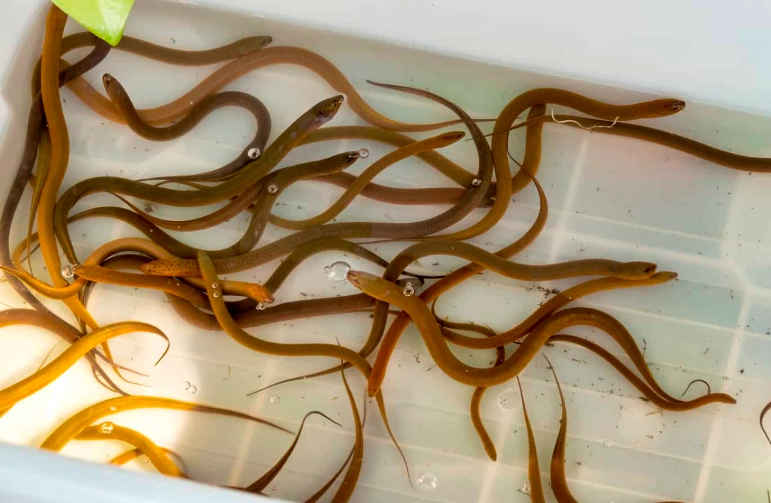
The Glass Eel: The See-Through Migrant
After hatching in the open ocean and spending months or even years as a drifting, transparent, leaf-shaped larva called a leptocephalus (more on that nightmare fuel later), the eel undergoes a transformation. It starts to look more like, well, an eel. But it's still completely transparent, save for its visible spine and eyes. This stage is the glass eel.
Think of a living strand of clear jelly with two black dots for eyes. It's during this phase that they make their way towards coastal waters and estuaries. They're not really "babies" in the sense of being newly hatched—they're more like teenagers leaving home for the first time, vulnerable and searching for a new place to live. This is a critical phase, and it's the first one where people seriously start asking, "how do you call a baby eel like this?" Glass eel is the technical, and correct, answer.
Fun (and Slightly Gross) Fact: Their transparency at the glass eel stage is a perfect camouflage in the open water. You can literally read newsprint through their bodies. It's also why they're sometimes called "angulas" in Spain, where they are a famously expensive delicacy, often simply sautéed in olive oil and garlic. The price tag? Enough to make your eyes water more than the garlic.
The Elver: The Pigmented Juvenile
Once the glass eel enters freshwater or brackish estuaries, it begins to change. Pigment develops in its skin. It loses its transparency and takes on a darker, more familiar eel-like coloration, usually a brownish or greenish-gray. This is the elver.
This is the stage most people are picturing when they ask about a baby eel. They're small (typically 2 to 3 inches long), they look like miniature versions of their parents, and they're actively moving into rivers and streams where they'll spend the next 5 to 20 years growing into yellow eels (the adult residential phase).
So, elver or glass eel? Context is everything.
If you're a biologist tracking migration into a river, you're counting elvers. If you're a fisherman in Maine or Japan catching them as they first hit the coast, you're probably catching glass eels (even if the fishing license calls it an "elver fishery"—see, confusing!). The terms are often used interchangeably in the fishing trade, which doesn't help clear things up for the rest of us.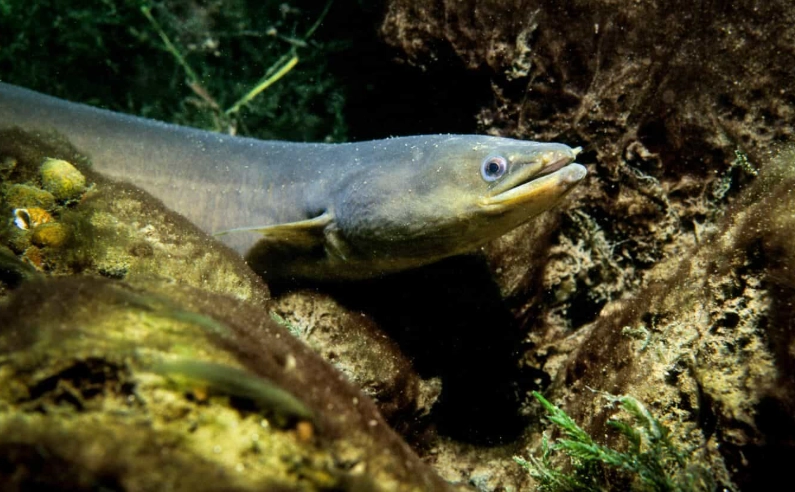
The Forgotten First Act: The Leptocephalus
Okay, we have to talk about the beginning. Before the glass eel, there's the larval stage. And it looks nothing like an eel. It's called a leptocephalus (from Greek for "thin head").
Imagine a transparent, gelatinous leaf with a tiny head and a needle-like tooth. It's flat and ribbon-like. It drifts for thousands of miles on ocean currents. For the longest time, scientists didn't even know leptocephali were eel larvae—they were classified as a separate species of fish altogether. It's one of the most bizarre metamorphoses in the animal kingdom. So, while you wouldn't call a leptocephalus a "baby eel" in casual conversation (it looks more like a space alien), it technically is the earliest post-hatching stage.
Why Does the Name Even Matter? It's All About Value and Identity
You might be thinking, "Who cares? It's a tiny eel." But names have power, especially when attached to something that can be worth over $2,000 per pound at the dock. That's not a typo. In some years, the price for American glass eels (Anguilla rostrata) in Maine has skyrocketed even higher.
The precise name matters for:
- Law and Regulation: Fishing laws specify seasons, quotas, and methods for "glass eels" or "elvers." Misidentifying them can mean breaking the law.
- Science and Conservation: Researchers need to be specific about which life stage they're studying to understand population health. A decline in glass eel recruitment signals big problems for the future adult population.
- The Market: Buyers in Asia, where most glass eels are shipped to be raised on farms, are paying for a specific product. The transparency of a glass eel indicates freshness and quality. A pigmented elver is often less valuable for aquaculture seeding.
I once spoke to a fisherman in Maine who was almost poetic about it. "You're not just catching fish," he said. "You're catching the future. Every glass eel that makes it upriver could be a ten-pound eel one day. Or it could be tomorrow's dinner in Tokyo. What you call it depends on whether you're a scientist, a chef, or someone like me trying to make a living in a few wild weeks in the spring."
Elver vs. Glass Eel: A Side-by-Side Look
To really nail this, let's put them in a table. This is where the differences become crystal clear (pun intended).
| Feature | Glass Eel | Elver |
|---|---|---|
| Appearance | Fully transparent, body is see-through. Internal spine and eyes visible. | Pigmented (brown, green, gray). Opaque, looks like a miniature adult eel. |
| Life Stage | Early juvenile, transitioning from ocean to estuary. | Later juvenile, actively entering and adapting to freshwater. |
| Habitat | Coastal waters, estuaries, the lower reaches of rivers. | Freshwater streams, rivers, and lakes. Further upstream than glass eels. |
| Commercial Value | Extremely high, often higher than elvers due to suitability for aquaculture. | High, but often slightly less than glass eels. Sometimes harvested for local stocking or direct consumption. |
| Primary Use | Almost exclusively for aquaculture (farming) in East Asia. | Aquaculture stocking, some direct human consumption, ecological restoration. |
| Answer to "How do you call a baby eel?" | The technically precise answer for the initial transparent stage. | The most common colloquial answer for a small, pigmented juvenile eel. |
See? It's not just semantics. It's about biology, economics, and law all rolled into one slippery subject.
The Global Hunt for the Baby Eel
This isn't just an academic question. From the rivers of Maine to the estuaries of Europe and Japan, there's a seasonal gold rush for these tiny creatures. The fishery is intense, tightly regulated (and sometimes poached), and shrouded in a bit of mystery. The Food and Agriculture Organization (FAO) of the UN has extensive documentation on the global eel aquaculture trade, which is almost entirely dependent on wild-caught glass eels and elvers.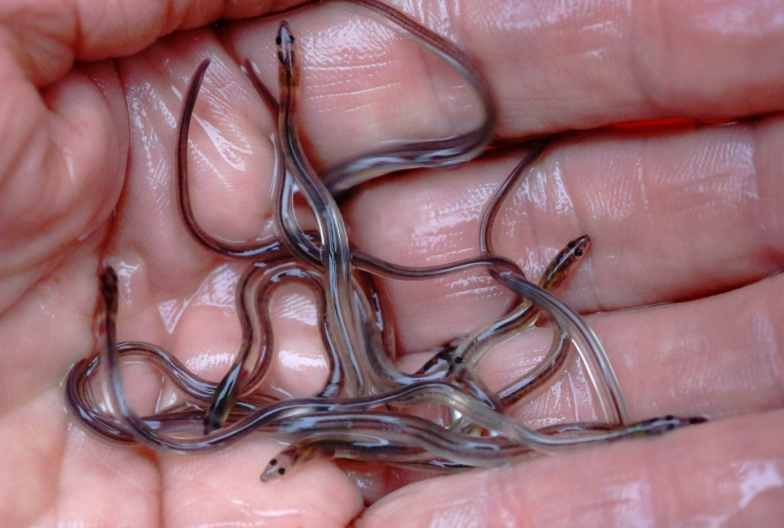
Why are they so valuable? Simple: we haven't figured out how to reliably breed eels in captivity at a commercial scale. The full reproductive cycle is too complex and elusive. So, all eel farms—which produce almost all the unagi (grilled eel) you eat—start with wild-caught juveniles. They catch the "baby eels," feed them up in ponds for a year or two, and then sell them as adults. This makes the initial glass eel/elver stage the critical bottleneck for a billion-dollar industry.
Here's a personal gripe: The insane value has led to serious problems. Poaching, illegal trafficking, and organized crime have infiltrated the trade. In some places, it feels like a spy thriller. This puts immense pressure on wild eel populations, many of which, like the European eel (Anguilla anguilla), are listed as Critically Endangered by the IUCN. It's a classic case of economics trumping ecology, and it leaves a bad taste in my mouth, worse than any over-garlicked plate of angulas.
Answering Your Burning Questions About Baby Eels
Are baby eels the same as whitebait?
Nope, a common mix-up. Whitebait is a generic term for the tiny, immature fry of various herring and sprat species, not eels. They're both small and sometimes eaten whole, but they're completely different fish. Calling an elver "whitebait" in the UK would get you a very confused look.
Can you eat baby eels?
Absolutely. In Spain (angulas), Japan (nore or shirasu-no-nore), and parts of Europe, they're a coveted and expensive dish. They're usually cooked alive briefly in olive oil or soy sauce-based broths. The texture is soft, and the flavor is mild and oceanic. But given the conservation concerns, it's an ethically complicated delicacy.
Why are baby eels so expensive?
Supply and demand, with a side of mystery. The supply is limited (wild-caught, short season, declining populations). The demand is massive (to supply Asian eel farms). The difficulty in breeding them in captivity keeps the entire industry reliant on this wild catch. It's a perfect storm for sky-high prices.
What's the difference between an American, European, and Japanese baby eel?
They're different species (Anguilla rostrata, A. anguilla, and A. japonica, respectively), but their juvenile stages look remarkably similar—all go through the glass eel phase. The main differences are where they're found geographically and their market value. Japanese glass eels are often the most prized.
How do you catch baby eels?
Usually with fine-mesh dip nets or specialized fyke nets in estuaries at night, often using lights to attract them. It's cold, wet, nocturnal work. The season is brutally short, sometimes just a few weeks in early spring when the water temperature triggers their migration.
So, how do you call a baby eel? Hopefully, you now have more than one answer.
The Bigger Picture: Conservation and the Future
It's impossible to talk about what to call a baby eel without addressing the elephant in the room: most eel species are in trouble. Habitat loss (dams blocking their migration), pollution, climate change affecting ocean currents, and, yes, overfishing of glass eels and elvers have caused catastrophic declines.
When you understand that the "elver" is the future breeding stock for the entire species, the fishery feels even more precarious. Sustainable management is a fierce debate. Some argue for complete moratoriums. Others push for tightly regulated, science-based quotas. It's a mess.
My personal take? The term "baby eel" undersells their importance. They're not just babies; they are the keystone for the survival of an ancient, enigmatic fish and a global industry. Calling them by their proper names—glass eel and elver—is the first step in recognizing their specific role and the specific threats they face at each stage.
The next time someone asks you, "Hey, how do you call a baby eel?" you can smile and say, "Well, that depends. Are we talking about the see-through ocean migrant or the pigmented river colonizer?" Then brace yourself for either a fascinating conversation or them slowly backing away. Either way, you'll know the truth behind one of the ocean's most valuable and vulnerable little creatures.



Comments
Leave a Comment