In This Article
You've probably seen the pictures. A massive, powerful bear, but instead of a thick, shaggy coat, its skin is bare, wrinkled, and pale. It looks almost alien. The internet loves to share these shocking images of a hairless bear, often with wild captions about nuclear mutants or mysterious new species. I get it – the first time I saw one, I did a double-take. It just looks wrong. A bear without fur feels like a contradiction.
But here's the thing. Those viral photos rarely tell the whole story. They spark curiosity, sure, but they usually leave you with more questions than answers. Is that bear sick? Is it in pain? Is it some freak of nature? And honestly, some of the explanations floating around online are just plain nonsense.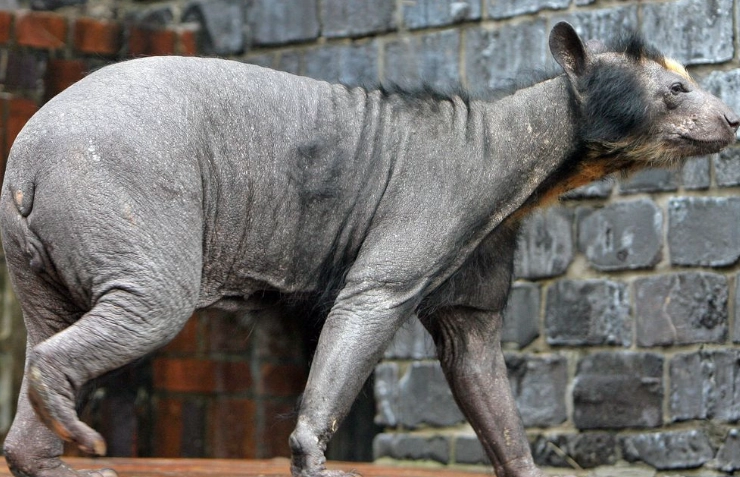
I wanted to cut through the noise. After digging into wildlife reports, veterinary journals, and talking to people who've actually worked with these animals, a clearer, more nuanced picture emerges. The reality of a hairless bear is usually less about science fiction and more about animal health, genetics, and sometimes just plain bad luck. It's a story about resilience, too. These animals are tough.
Why Would a Bear Lose Its Fur? The Top Reasons
So, if it's not normal, what causes it? The reasons a bear might end up looking like a giant, wrinkled hairless dog are actually pretty specific. It's not just one thing. Think of it like human hair loss – the causes can range from a simple skin infection to complex genetic conditions.
The Usual Suspect: Sarcoptic Mange
Hands down, this is the most common culprit behind those shocking photos of a hairless bear in the wild. It's not glamorous, but it's the truth.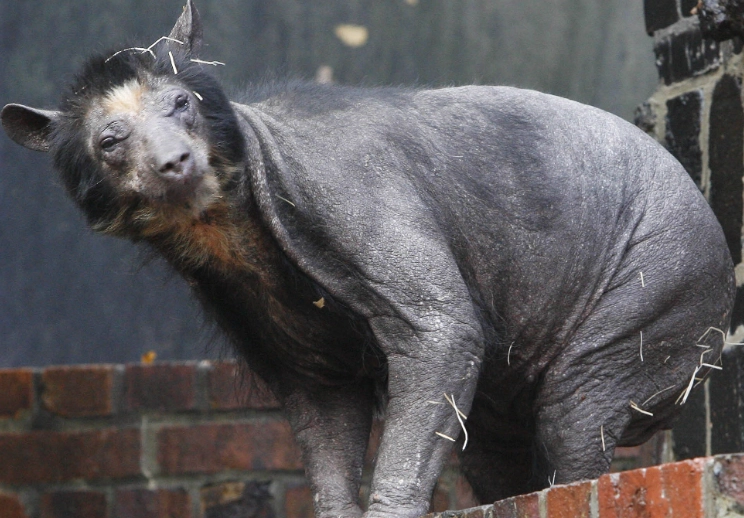
Sarcoptic mange is caused by a microscopic mite, Sarcoptes scabiei. These mites burrow into the skin, causing intense, relentless itching. Imagine the worst itch you've ever had and multiply it by a thousand. The bear scratches and rubs itself raw against trees and rocks, trying to find relief. This constant trauma destroys the hair follicles. The fur falls out in patches, and in severe, chronic cases, the bear can lose its entire coat.
What's left is thickened, crusty, and often infected skin. The bear becomes a hairless bear, struggling to regulate its body temperature. It's a miserable condition. While mange is treatable in wildlife rehabilitation settings, it's devastating in the wild, often leading to secondary infections and death from exposure, especially in colder climates. The National Park Service has documented its severe impact on various wildlife populations, showing how a tiny parasite can debilitate large predators.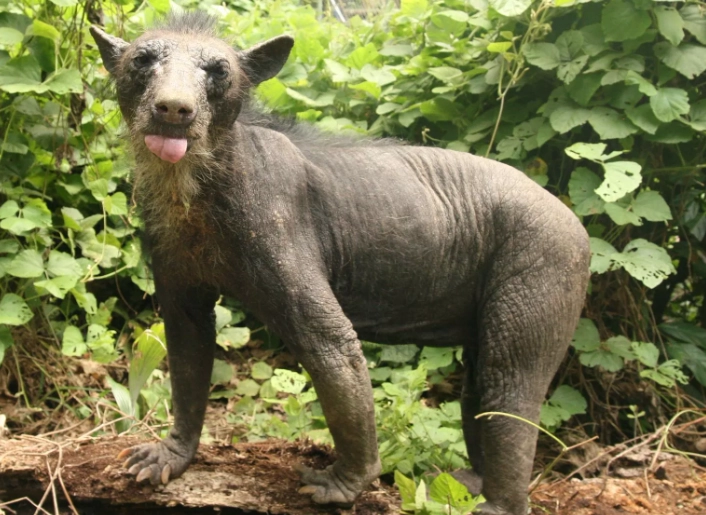
Genetics and Congenital Conditions
Now, this is a rarer and more fascinating reason. Sometimes, a hairless bear is born that way. It's a genetic roll of the dice.
Alopecia, the general term for hair loss, can be an inherited condition. There have been documented cases, particularly in captive settings where gene pools are smaller, of bears being born with little to no fur. This is a lifelong condition. Their bodies simply don't have the genetic instructions to produce a proper coat.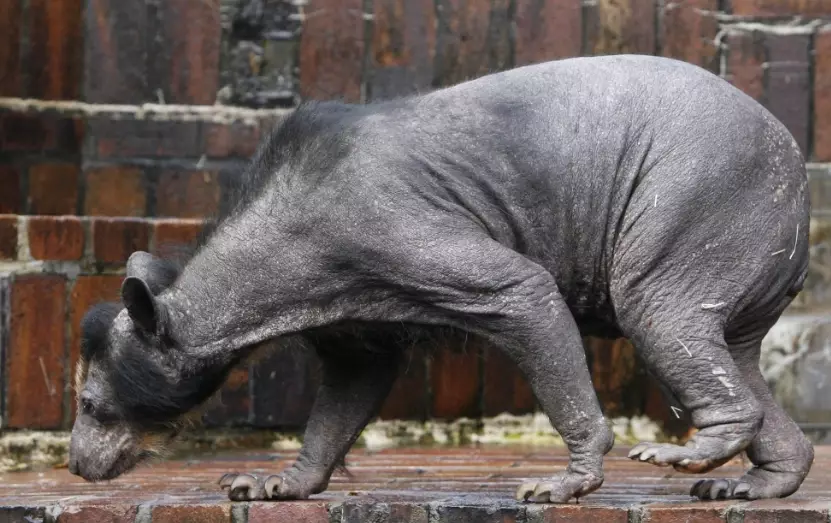
Life for a congenital hairless bear in captivity requires special care – regulated temperatures, protection from the sun (yes, bears can get sunburned!), and often custom moisturizing routines for their sensitive skin. In the wild, such a cub would have almost no chance of survival, which is why we only hear about these cases in zoos or sanctuaries.
Other Health and Environmental Factors
The list doesn't end there. Like any animal, bears can suffer from a range of issues that lead to fur loss.
- Hormonal Imbalances: Problems with the thyroid or adrenal glands can trigger widespread hair loss. It's a systemic internal issue showing up on the outside.
- Severe Stress or Malnutrition: A bear under extreme duress – from drought, lack of food, or injury – can shed its fur. Its body prioritizes core survival functions over maintaining a luxurious coat.
- Dermatitis or Allergies: Contact with certain plants, chemicals, or even an allergic reaction to something in its environment can cause localized hair loss and skin inflammation.
- Fungal Infections: Ringworm and similar fungal infections can create circular patches of hair loss.
It’s a complex diagnostic puzzle. A wildlife vet looking at a hairless bear has to consider all these possibilities. The table below breaks it down a bit clearer.
| Cause | How It Happens | Common In | Outlook |
|---|---|---|---|
| Sarcoptic Mange | Microscopic mite infestation causes intense itching and skin damage. | Wild populations, often near human areas. | Poor without intervention; treatable. |
| Genetic Alopecia | Inherited condition present from birth. | Captive individuals (rare). | Permanent; requires lifelong managed care. |
| Hormonal Issues | Internal gland dysfunction (e.g., thyroid). | Both wild and captive, but hard to diagnose in wild. | Varies; may be manageable if identified. |
| Severe Stress/Malnutrition | Body shuts down non-essential functions. | Wild bears in poor condition. |
Famous Hairless Bears: The Stories Behind the Memes
The internet has made a few individual hairless bears into reluctant celebrities. Their stories are important because they move beyond the shocking image and show the real-life context.
Dolores: The "Naked" Bear at Leipzig Zoo
Perhaps the most famous hairless bear of all time was Dolores, a female spectacled bear who lived at Germany's Leipzig Zoo. She and her two sisters were born with a genetic condition that prevented them from growing fur. For their entire lives, they appeared as completely hairless bears.
The zoo provided them with special heated enclosures, sunscreen, and moisturizing lotions for their skin. Dolores lived a long life by bear standards, passing away in 2021. Her case was a prime, well-documented example of congenital alopecia. It wasn't a disease she caught; it was simply how she was born. The zoo's care for her highlighted the special needs of such an animal and educated the public that not all hairlessness is due to neglect or sickness.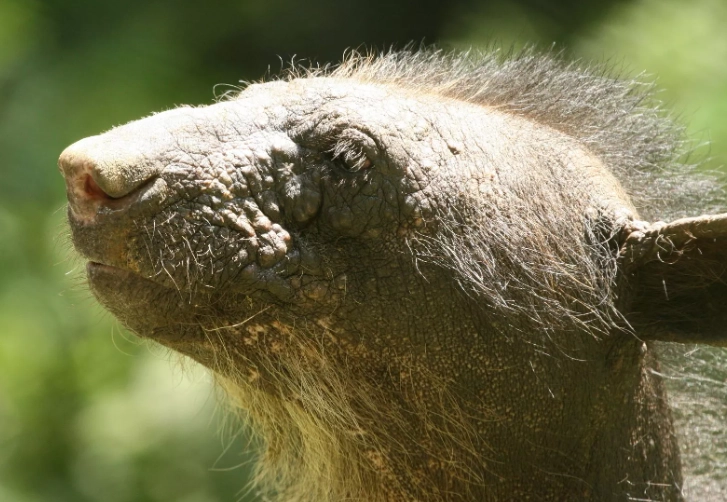
Elena: The Black Bear with Alopecia
In the United States, a female American black bear named Elena gained attention. Rescued as a cub in New Hampshire, she was diagnosed with a non-contagious form of alopecia, likely genetic. She lives at the Kilham Bear Center, a rehabilitation facility. Because she cannot grow a functional coat, she cannot be released back into the wild. She serves as an educational ambassador, helping people understand that bears like her are exceptions, not the rule. Her condition is stable and managed by her caretakers.
Then you have the countless unnamed wild bears suffering from severe mange, their photos snapped by trail cameras or lucky (or horrified) hikers. These images circulate with alarming captions, but they represent a wildlife health crisis, not a monster movie. Organizations like the IUCN (International Union for Conservation of Nature) track the health of bear populations globally, and diseases like mange are a noted concern for their welfare and conservation.
Hairless Bear vs. Human Hair Loss: A Surprising Connection?
This might sound like a stretch, but stick with me. Understanding why a bear goes hairless can actually shed light on our own human experiences with alopecia. The biological mechanisms are surprisingly similar across mammals.
Hair follicles are complex little organs. They can be attacked by external parasites (like mange mites), shut down by the immune system (in autoimmune alopecia areata), or simply fail to develop due to a genetic blueprint error. The National Institute of Arthritis and Musculoskeletal and Skin Diseases (NIAMS) explains these processes in humans, and the parallels in other mammals are clear. Studying these conditions in wildlife can sometimes inform veterinary and even human medicine.
The key difference, of course, is consequence. For a human, hair loss is primarily a psychological and social challenge. For a wild bear, becoming a hairless bear is often a direct, life-threatening physical challenge. Their fur is their insulation, their camouflage, and their first line of defense against scrapes and bites.
Myths About Hairless Bears That Need to Die
Let's tackle some of the nonsense head-on. I've seen these claims too many times.
- Myth: "It's a new species of hairless bear!" Reality: No. It's an individual with a health or genetic condition. Full stop.
- Myth: "It's caused by radiation or pollution." Reality: While pollution can weaken an animal's immune system, the direct cause is almost always mites, genetics, or another specific factor. There's no evidence of "radioactive hairless bears." This is lazy, sensationalist thinking.
- Myth: "The bear is dying because it has no fur." Reality: This is partially true in the wild, as it's a major handicap. But in managed care, a hairless bear like Dolores or Elena can live a full, healthy life. The hairlessness is a symptom or condition, not an automatic death sentence.
- Myth: "It's contagious to humans." Reality: Sarcoptic mange mites can transfer to humans (causing a temporary rash called scabies), but they cannot complete their life cycle on us. The human version is a different strain. You won't become a hairless human from a bear. Genetic alopecia is, of course, not contagious at all.
What Does This Mean for Bear Conservation?
This isn't just a weird curiosity. The prevalence of conditions like mange in wild bears can be an indicator of ecosystem health and human-wildlife conflict.
Mange often spreads more easily in bear populations that are stressed, overcrowded, or frequenting human areas like garbage dumps or campgrounds in search of easy food. Poor nutrition from eating human junk food weakens their immune systems, making them more susceptible. A cluster of hairless bears in an area might signal a bigger problem: a population in trouble due to habitat loss or unhealthy interactions with people.
Conservation efforts led by agencies like the U.S. Fish and Wildlife Service (USFWS) focus on protecting habitat and managing human-bear conflicts to keep bears wild, healthy, and away from situations where diseases like mange can take hold. Supporting clean, natural ecosystems is the best long-term prevention.
How Can You Tell if a Hairless Bear is in Trouble?
If you're out in bear country and are lucky (or unlucky) enough to spot a bear with significant hair loss, what should you do? First, don't panic, and definitely don't try to approach it.
- Assess the Situation: Is the bear just missing a few patches, or is it a fully hairless bear? Is its skin crusty and inflamed (likely mange), or smooth (possibly genetic)?
- Observe Behavior: Does it seem lethargic, weak, or excessively thin? A healthy bear, even a hairless one in captivity, should be alert and mobile.
- Report It: If you see a severely affected wild bear, note your location and contact your local state or provincial wildlife agency. They monitor population health. Do not post the location publicly on social media, as this can lead to crowds of people harassing the animal.
For bears in captivity, the standards are different. A reputable zoo or sanctuary will have a published animal care plan and veterinary staff. If you see a hairless bear in a facility, look for signs of good care: Is its enclosure appropriate (e.g., temperature-controlled if needed)? Is its skin clean and free of open sores? Does it exhibit normal behaviors? Responsible institutions are usually transparent about their special-needs animals.
So, What Have We Learned?
Looking at a picture of a hairless bear will always be jarring. It goes against everything we expect from these powerful, furry icons of the wild. But I hope by now you see there's a real story behind that strange appearance.
Most often, it's a tale of suffering from a treatable but brutal parasite. Sometimes, it's a genetic story of an individual born different, thriving under human care but unable to survive in the wild. It's almost never a sign of mutation, radiation, or a new monster species.
These animals deserve our understanding, not just our shock. They highlight the challenges of wildlife health, the importance of conservation, and the incredible job done by wildlife rehabilitators and ethical zoos. The next time one of those viral photos pops up in your feed, you'll know there's more to the story of that hairless bear. You can look past the initial surprise and see the biology, the ecology, and the individual animal at the heart of it.
And maybe, just maybe, you'll share a more informed perspective instead of the usual sensationalist caption.


Comments
Leave a Comment