Let's cut to the chase. Yes, the sarcastic fringehead (Neoclinus blanchardi) is absolutely, 100% real. It's not a photoshopped monster from a deep-sea horror movie, nor is it a mythical creature. It's a small, weird, and fantastically aggressive fish that lives off the Pacific coast of North America. The viral photos and videos you've seen of a fish with a shockingly enormous mouth that looks like a stretched-out latex glove? That's the real deal. But the internet meme barely scratches the surface of what makes this creature fascinating. Most articles just repeat the same three facts: big mouth, lives in burrows, fights. After spending years obsessing over tide pools and talking to marine biologists, I've realized everyone misses the subtle, stranger details—like why its famous "gape" is actually a tactical illusion and how finding one requires ignoring everything you think you know about fish spotting.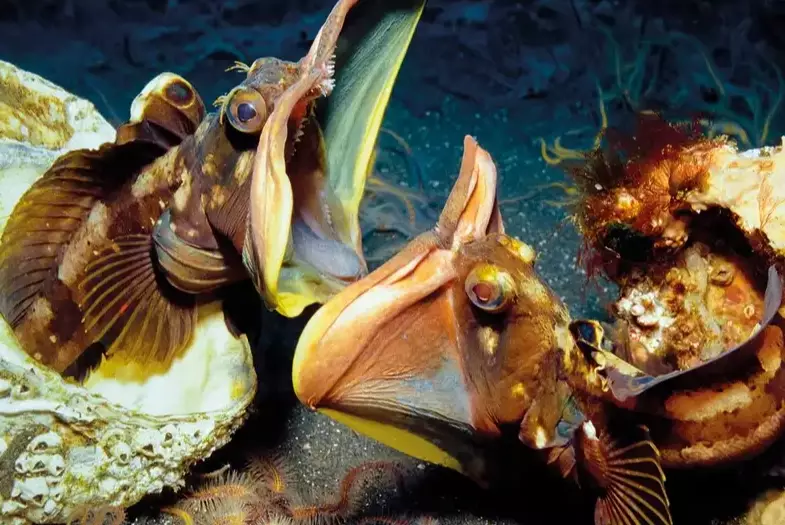
What You'll Discover in This Deep Dive
What Exactly Is a Sarcastic Fringehead?
The sarcastic fringehead is a species of tube blenny. Forget cute, colorful reef fish. Blennies are the quirky, often grumpy-looking cousins of the fish world, usually found perched on rocks or hiding in holes. The fringehead takes this to an extreme.
Its scientific name is Neoclinus blanchardi. It was first described scientifically in the late 1800s. You can verify its existence through trusted sources like the FishBase database or the Catalogue of Life. This isn't some cryptid; it's a documented part of our ocean's biodiversity.
Here’s a breakdown of its key characteristics that most summaries gloss over: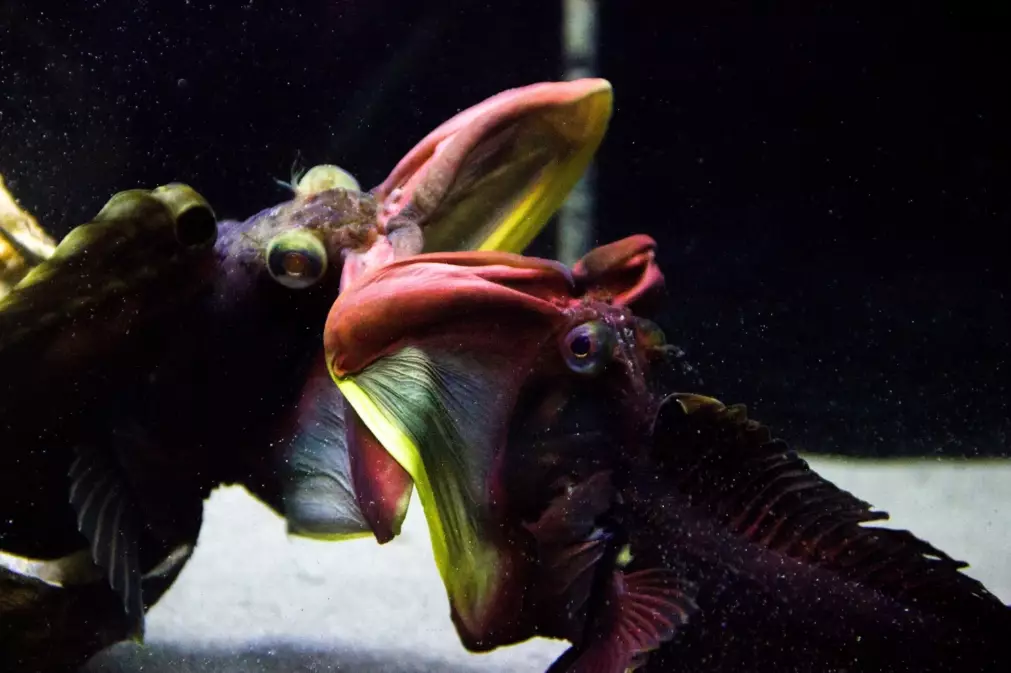
Anatomy of a Bizarre Face
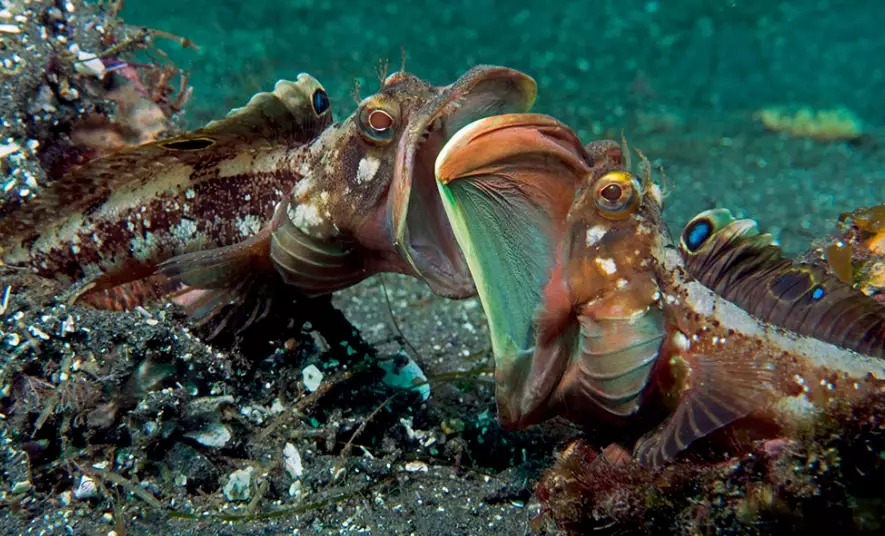
The mouth isn't just for show. The inside lining is thin and brightly colored—often a vibrant yellow or white—which acts as a flashy warning signal during displays. When closed, the mouth folds up under its head like an accordion. The famous wide gape isn't its normal feeding posture; it's a defensive threat display. The fish's actual teeth are relatively small and conical, better for gripping than tearing.
Habitat: Not the Deep Sea
A common mistake is lumping it with deep-sea monsters. It's not a deep-sea dweller. It lives in relatively shallow waters, from about 10 to 240 feet deep. Its preferred real estate? Empty shells, crevices in rocks, and, most famously, man-made objects like bottles, cans, and even old tires. They are squatters, not builders.
Where and How to Find One (If You're Lucky)
You're not going to stumble upon a sarcastic fringehead on a casual beach walk. Seeing one requires planning, luck, and knowing where to look. Their range is specific: from San Francisco, California, USA, all the way down to central Baja California, Mexico.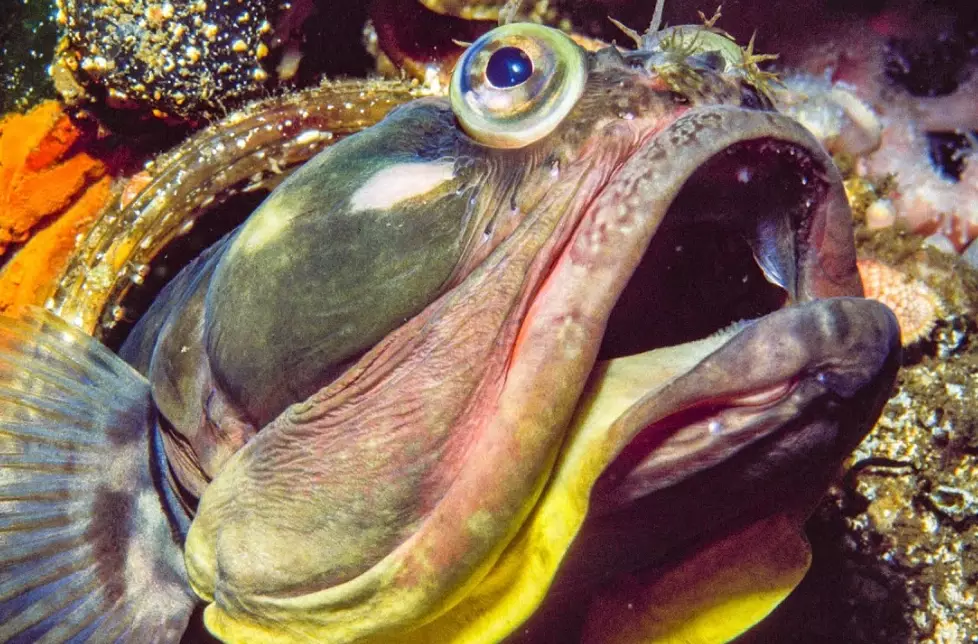
The best chance for most people is at a public aquarium with a dedicated California coast or kelp forest exhibit. They are a prized display species because of their unique behavior. Here’s a practical guide:
| Venue / Location | Type of Access | What to Know & Likelihood |
|---|---|---|
| Monterey Bay Aquarium (Monterey, CA) | Public Aquarium | High likelihood. They often have them in their Kelp Forest or Rocky Shore exhibits. Check with dive show schedules; sometimes divers interact with their habitat. |
| Birch Aquarium at Scripps (La Jolla, CA) | Public Aquarium | Very high likelihood. Their "Southern California Coast" gallery is prime fringehead territory. I've seen them there multiple times, always tucked in a pipe or shell. |
| Southern CA Dive Sites (e.g., Point Loma, Laguna Beach) | SCUBA Diving | Moderate likelihood, but skill-dependent. You must dive carefully, look in small holes and trash on sandy/muddy bottoms. Never try to provoke one. |
| Intertidal Zone (Lowest Tides) | Tidepooling | Very low likelihood. While technically possible in deeper tide pools, it's extremely rare. You'd have more luck finding nudibranchs. |
If you're diving, the trick isn't to look for the fish. Look for its home. Scan for empty clamshells, ceramic pipes, or bottles lying on the sandy bottom. Approach slowly. You might see just a pair of eyes and those frilly cirri peeking out. Shine a light gently, and you might be treated to a slow, warning gape—a truly unforgettable sight.
Beyond the Meme: Behavior & Common Myths
The viral videos show two males fighting, mouths pressed together in a wrestling match. This is called "mouth wrestling" or "kissing," and it's a ritualized battle to determine dominance and secure a breeding territory. The bigger mouth usually wins. But here's what everyone gets wrong: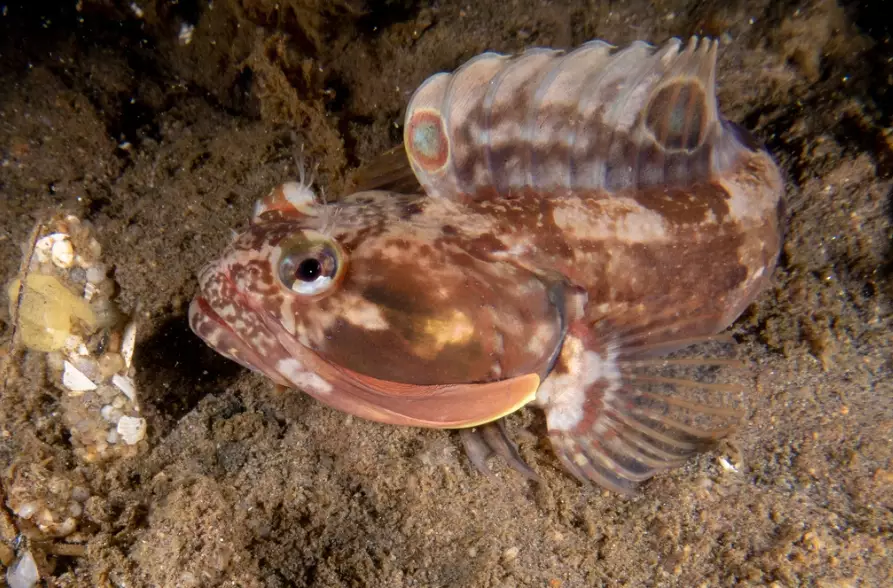
Myth 1: The bigger mouth is stronger. It's often about who can hold the display longer. It's a stamina and bluffing contest as much as a size contest.
Myth 2: They are aggressive to everything. They are highly territorial but not suicidal. Their primary threats are other fringeheads and predators like larger fish. They retreat quickly if the threat is too big.
Myth 3: They use that mouth to eat large prey. Their diet is actually pretty mundane: small crustaceans, worms, and other tiny invertebrates. The massive gape is almost exclusively for intimidation.
The females are far less flashy. They lay eggs inside the male's burrow, and then the male guards the eggs ferociously until they hatch. This paternal care is a crucial, often overlooked part of their life cycle.
Are They in Trouble? Conservation Status
According to the International Union for Conservation of Nature (IUCN) Red List, the sarcastic fringehead is currently classified as Least Concern. This means populations are considered stable, and there are no major, species-wide threats identified.
However, "Least Concern" doesn't mean no concern. Localized threats exist:
- Habitat Degradation: Pollution and bottom trawling can destroy the complex bottom structure they call home.
- Ocean Acidification: This could impact the availability of the empty shells they use for shelter.
- Collection for the Aquarium Trade: While they are collected, it's on a small scale and considered sustainable at present.
The biggest takeaway? Their stability is a good sign, but it depends on the health of their coastal ecosystem. Protecting California's kelp forests and rocky reefs indirectly protects fringeheads.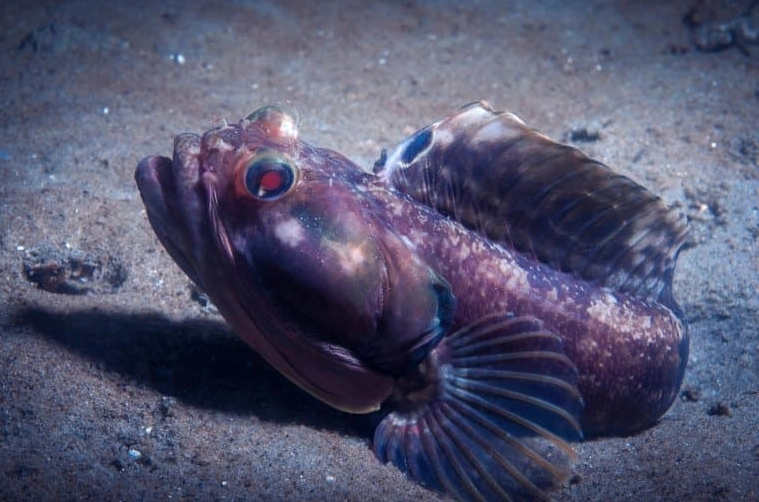
Your Burning Fringehead Questions Answered
Can a sarcastic fringehead hurt a human?
It's incredibly unlikely. Their teeth are too small to break human skin. The worst you might get is a surprised pinch if you were foolish enough to stick a finger in its burrow during a display. The real risk is to the fish—handling it can damage its delicate skin and protective slime coat.
Why is it so hard to find a sarcastic fringehead in the wild?
Three reasons. First, they are masters of camouflage and stay hidden 95% of the time. Second, their preferred micro-habitat—specific holes on specific sandy bottoms—is easy to miss. Third, most recreational divers swim over them, looking at the big scenery, not the tiny real estate on the seafloor. You have to dive with a magnifying glass mindset.
 Is the "sarcastic fringehead" name used for any other animal?
No, it's unique to Neoclinus blanchardi. However, it belongs to the family Chaenopsidae, the "tube blennies" or "pike blennies," which are full of other odd, hole-dwelling fish with big personalities. The bay blenny is a less dramatic but more common relative.
How can I tell a male from a female sarcastic fringehead?
You usually can't without close examination, especially in the wild. Males tend to be larger with more pronounced jaw structures and brighter interior mouth colors. During breeding season, a guarding male is a safe bet. In an aquarium, the label is your best guide.
What's the biggest mistake people make when learning about this fish?
Treating it as just a funny meme. Reducing it to "fish with big mouth" ignores its fascinating ecology—its role as a tenant in a shell, its paternal care, its adaptation to human trash. It's a testament to evolution's creativity, not just a internet joke. The other mistake is confusing it with the wolf eel, a much larger, unrelated deep-sea fish with a different head shape.
So, is the sarcastic fringehead real? Absolutely. It's a genuine, documented, and wonderfully strange resident of the Pacific coast. Its existence reminds us that the ocean holds creatures far weirder than our imagination, and sometimes, truth is stranger than the viral fiction. Your best bet to see one is to visit a major West Coast aquarium and ask a guide to point out their resident grump. You won't be disappointed.

Comments
Leave a Comment