Let's cut to the chase. If you're searching for the lifespan of the sarcastic fringehead, you probably already know this isn't your average pet goldfish. The short answer is, in the wild, a sarcastic fringehead (Neoclinus blanchardi) can live for about 6 years, maybe pushing 7 if it's exceptionally lucky and tough. But that number alone is meaningless. What's fascinating, and what most generic articles miss, is the brutal, high-stakes drama behind that figure. Their lifespan isn't just a timer; it's a story of constant territorial warfare, precarious survival, and biological trade-offs that make keeping one alive in a home aquarium a near-impossible feat for most. I've spent years obsessing over these creatures, and I can tell you, the six-year estimate is just the headline. The real story is in the details most people get wrong.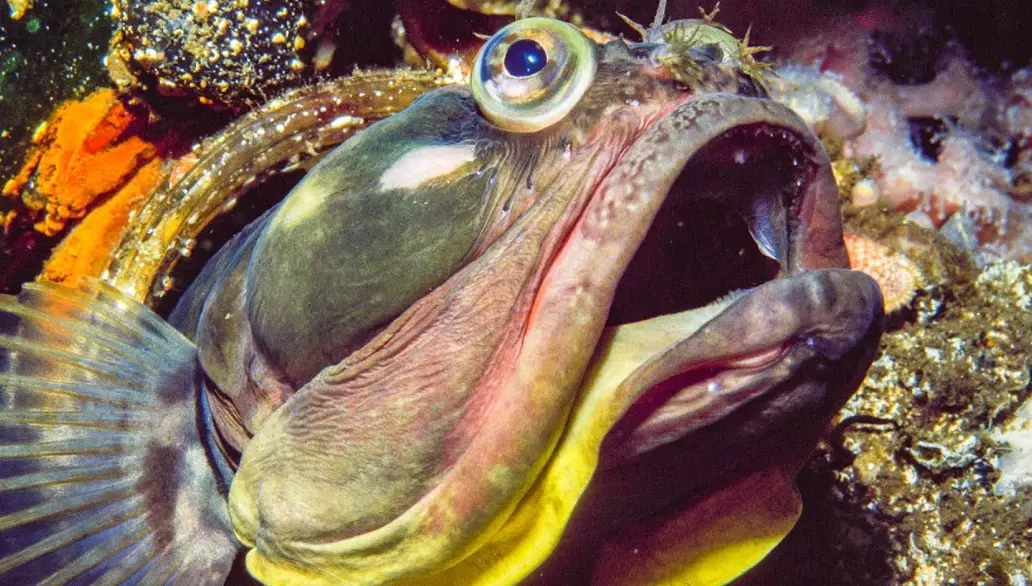
What's Inside?
Meet the Sarcastic Fringehead: More Than a Meme
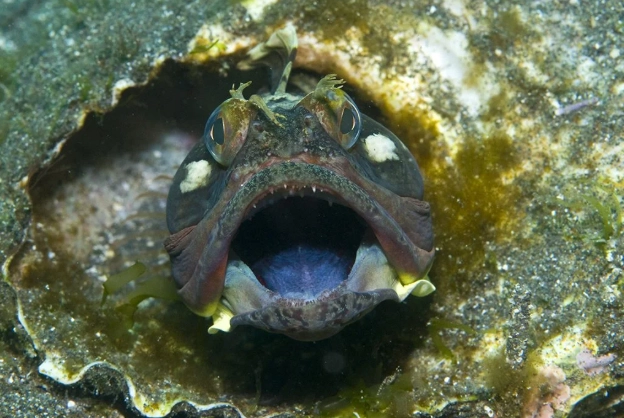
You've seen the viral videos. Two tube-shaped fish with enormous, fringed heads locked in a gaping-mouth battle that looks like a cartoon scream-off. That's their famous territorial display. They aren't actually biting; they're comparing mouth size, like a bizarre underwater measuring contest. The bigger mouth wins the burrow—usually an abandoned worm tube, a clam shell, or a crevice in the rocky seafloor off the coast of California and Baja California.
This behavior is the absolute core of their existence and directly tied to their lifespan. A fringehead without a good burrow is a dead fringehead walking. It has no protection from predators like larger fish, octopuses, and crabs. It has no ambush point from which to snatch passing shrimp and small crustaceans. That burrow is its castle, its pantry, and its nursery. The intense energy spent defending it (and the risk of injury during fights) is a direct tax on their long-term survival. I've watched footage from remotely operated vehicles (ROVs) where a fringehead will defend its hole for hours, flaring repeatedly at any passing shadow. That takes a toll.
The Lifespan Numbers: Wild vs. Captivity
So, let's talk numbers, but with context.
In their natural Pacific Ocean habitat, from about 10 to 250 feet deep, 6 years is a solid, successful life for a sarcastic fringehead. Data from trawl surveys and research by institutions like the Monterey Bay Aquarium Research Institute (MBARI) support this range. Reaching adulthood (around 1-2 years) is the first major hurdle. If they secure a prime territory, their chances of seeing out a full lifespan increase dramatically.
Now, here's the critical part everyone glosses over: lifespan in captivity is a different, often shorter, story. You'll see forum posts from ambitious aquarists claiming they'll keep one. The reality is bleak. While public aquariums with massive, specialized cold-water systems (like the Monterey Bay Aquarium) can sometimes maintain them, the average home aquarist almost certainly cannot. Reports of them living "a few years" in home tanks are the exception, not the rule. Stress from inadequate space, incorrect water parameters (they need water in the low 50s °F/10-12°C), and the inability to express natural behaviors often leads to immune suppression, disease, and a premature end.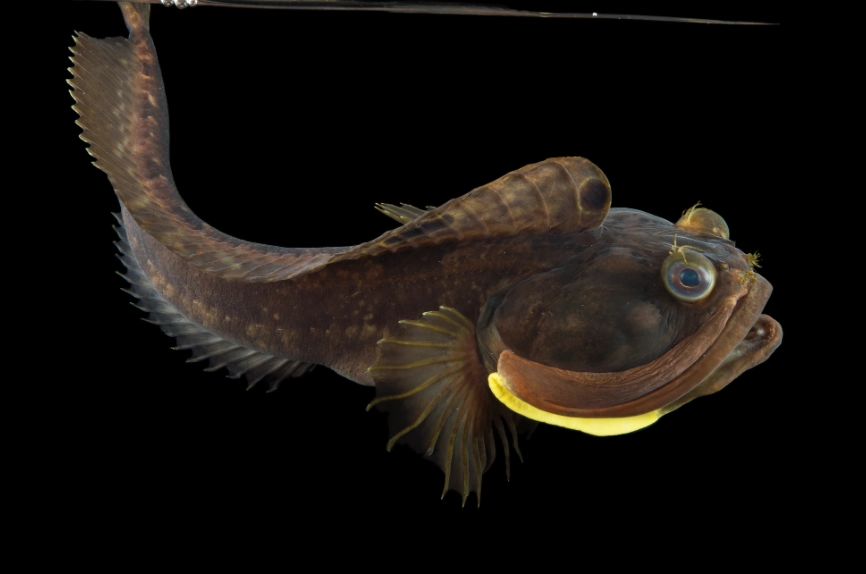
The Expert Reality Check: A common, subtle mistake is assuming their aggression is just for show. It's not. It's a relentless, energy-draining state of being. In a tank that's too small (and almost every home tank is), this stress becomes chronic. Chronic stress in fish doesn't just make them unhappy; it chemically shortens their telomeres (the protective caps on chromosomes), literally accelerating aging at a cellular level. So, a captive fringehead might die at age 3 from "unknown causes," but the real cause was a lifetime of stress packed into three years.
The Five Key Factors That Dictate Their Lifespan
To understand a fringehead's lifespan, you need to break it down. It's not random. Their life is a balance sheet of risks and resources. Here are the five major columns on that sheet.
| Factor | Impact on Lifespan | Why It Matters |
|---|---|---|
| 1. Predation | High risk for juveniles & homeless adults. | Their primary survival strategy is hiding. Outside the burrow, they are vulnerable snacks for a variety of predators. Most lifespan attrition happens early. |
| 2. Intra-species Competition | Major cause of injury & stress. | Those epic mouth fights can cause physical damage. Even if they don't kill, wounds can get infected. Constant vigilance drains energy reserves needed for long-term health. |
| 3. Reproductive Investment | High energy cost, especially for males. | Males guard the eggs ferociously inside the burrow, barely eating for weeks. This massive energetic sacrifice can weaken them, making them susceptible to disease afterward. |
| 4. Habitat Quality & Food Supply | Directly linked to growth & immune function. | A stable, deep burrow in a current-swept area means more food (plankton, small crustaceans) floats by. Better nutrition = stronger immune system = potential for longer life. |
| 5. Disease & Parasites | Ever-present threat, amplified by stress. | Even in the wild, parasites are a fact of life. A fish already stressed by competition or poor habitat is far less likely to fight off an infection successfully. |
Look at factor 3, reproductive investment. This is a key piece of the puzzle most miss. The male's parental care is extreme. He fans the eggs, defends them, and essentially starves. I've seen estimates from researchers that a single breeding season can take a significant physiological toll. It's a classic life-history trade-off: massive reproductive effort now at the potential cost of survival later. A male that breeds successfully for two seasons might be on borrowed time for a third.
The Burrow: Lifespan Insurance Policy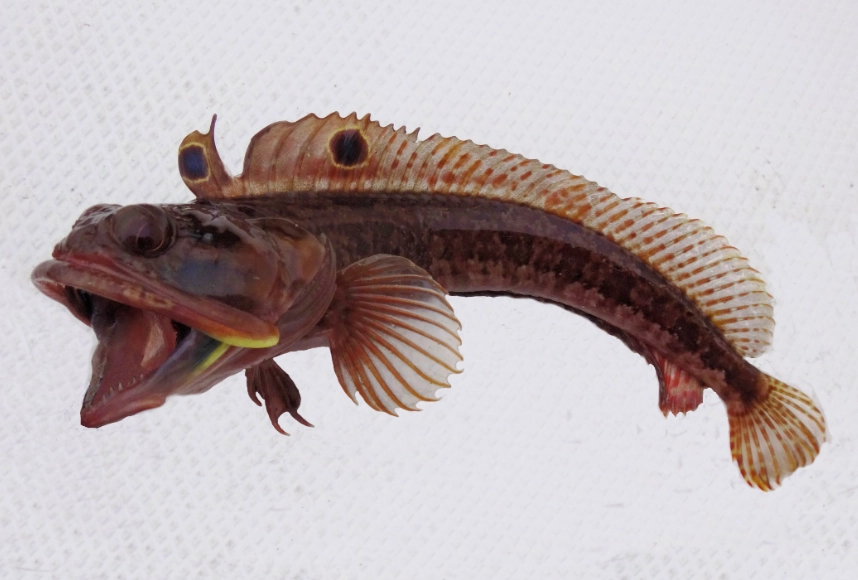
Every factor in that table connects back to the burrow. It's their lifespan insurance policy. A high-quality, defensible burrow reduces predation risk, provides a reliable food-gathering spot, and offers a safe place for reproduction. Securing one is the single most important event in a fringehead's life. If you want to think about their lifespan, first think about real estate. It's that simple.
Why Captivity is the Ultimate Lifespan Challenge
This is where I have to be blunt. The idea of keeping a sarcastic fringehead as a pet is, for 99.9% of people, a fantasy that ends poorly for the fish.
Let's walk through the "why." First, temperature. They are cold-water creatures. Your typical tropical aquarium at 78°F (25°C) is a sauna that will kill them quickly. You need a dedicated chiller, which is expensive and noisy.
Second, space and territory. A 20 or even 50-gallon tank is a prison cell to an animal whose entire world is defending a 6-inch radius. They need a long tank with multiple potential burrow sites (PVC pipes, ceramic tubes) to establish a territory without feeling perpetually cornered. They should be the only bottom-dwelling, territorial fish in the system.
Third, diet. They need live or frozen meaty foods like mysis shrimp, brine shrimp, and small pieces of clam. Getting a wild ambush predator to accept dead food can be a challenge initially.
Finally, the stress. Every time you walk past the tank, clean it, or feed them, you are a giant predator looming over their only hiding spot. This perpetual low-grade fear is what I believe cuts most captive lifespans short. Public aquariums mitigate this with huge, dimly-lit, species-specific displays where human interaction is minimized.
My personal, somewhat negative, view? The online fish trade that occasionally offers these animals does a disservice. They sell the "cool factor" without emphasizing the near-impossible care requirements. A fringehead's lifespan in a home aquarium is often a countdown to failure.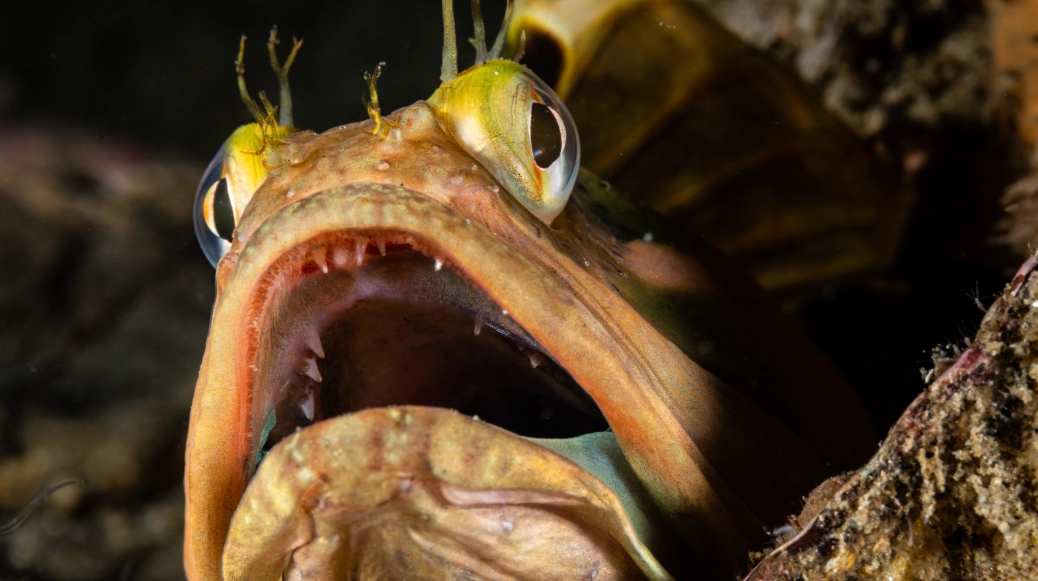
Your Sarcastic Fringehead Lifespan Questions, Answered
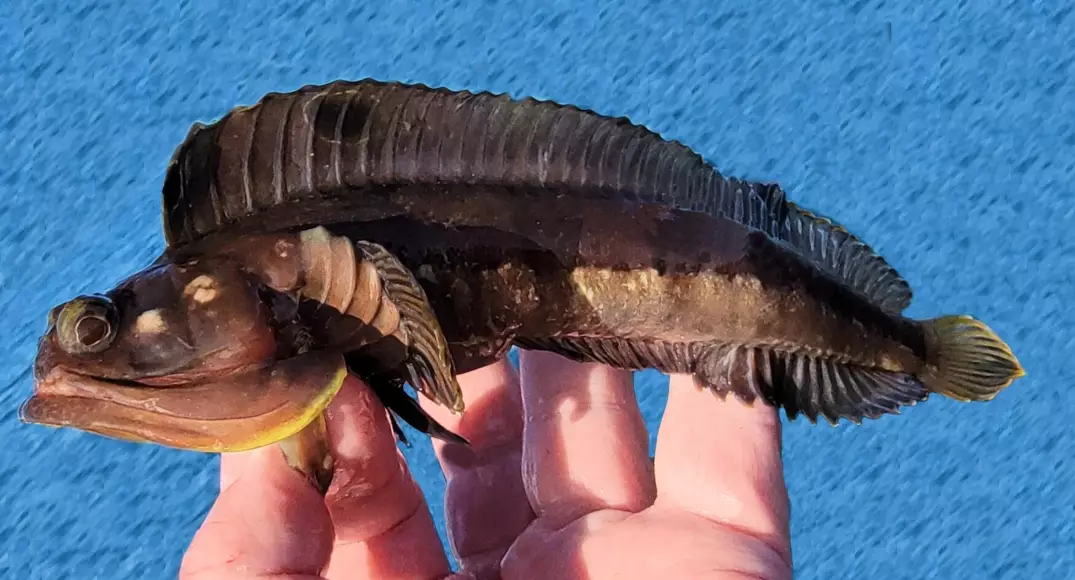 So, there you have it. The lifespan of the sarcastic fringehead is a tightrope walk over six years. It's shaped by real estate wars, sacrificial parenting, and a cold, unforgiving environment. That number—6 years—is a testament to their bizarre and brutal evolutionary success. Remember, the next time you see that crazy gaping-mouth video, you're not just looking at a funny fish. You're looking at an animal in the middle of a high-stakes strategy to extend its lifespan one defended burrow at a time.




Comments
Leave a Comment