If you've spent any time on wildlife social media, you've seen it: a bizarre, alien-looking fish with a head-splittingly wide mouth, locked in a dramatic face-off. That's the sarcastic fringehead (*Neoclinus blanchardi*). Its "bite" is legendary, often portrayed as a terrifying attack. But here's the raw truth upfront—the actual physical danger to a human is virtually zero. The real story isn't about a powerful bite; it's about one of the ocean's most spectacular and misunderstood displays of territorial bluff. This guide cuts through the viral hype to explain what a fringehead bite really is, why they do it, and how to safely appreciate these fascinating creatures, whether you're a diver, photographer, or curious aquarist.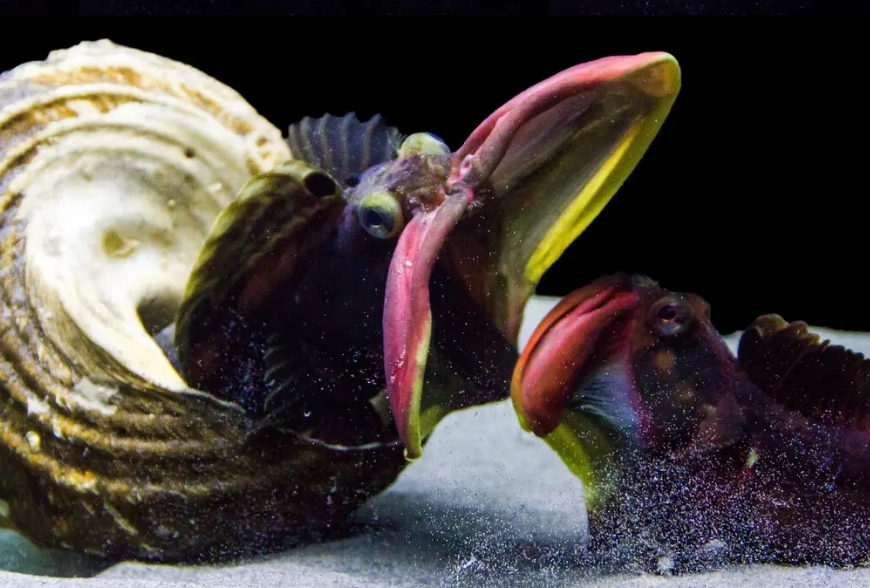
What's Inside: Your Fringehead Field Guide
What Exactly Is a Sarcastic Fringehead?
Let's get acquainted. The sarcastic fringehead is a small, tube-dwelling fish native to the Pacific coast of North America, from San Francisco down to Baja California. They're not winning any beauty contests—mottled brown and green, growing to a maximum of about 30 cm (12 inches), but usually much smaller. Their name comes from the "fringes" (flaps of skin) above their eyes and their pugnacious, "sarcastic" seeming attitude.
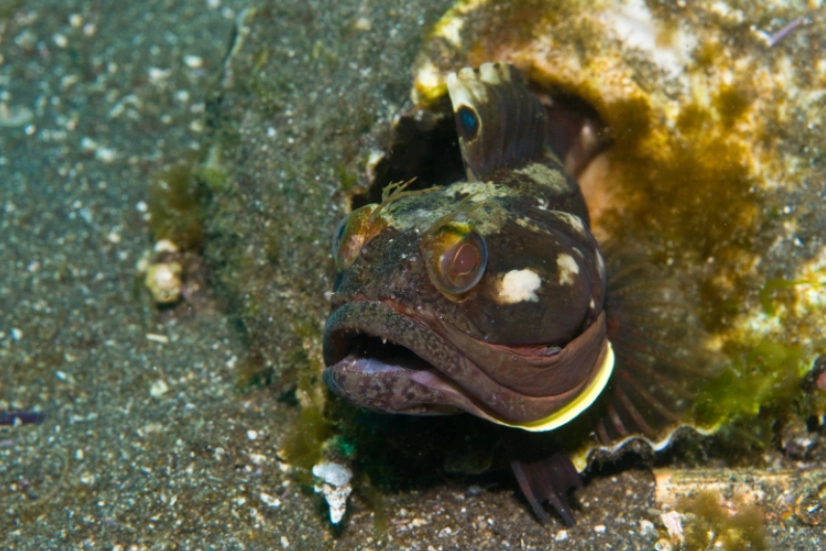
They're homebodies. A fringehead finds a burrow—an empty clam shell, a rock crevice, a human-made bottle or pipe—and that's it. That's their life. They rarely leave, defending their front door with a zeal that makes a guard dog look lazy. This extreme site fidelity is the key to understanding everything about them, including their famous bite.
Anatomy of a Giant Mouth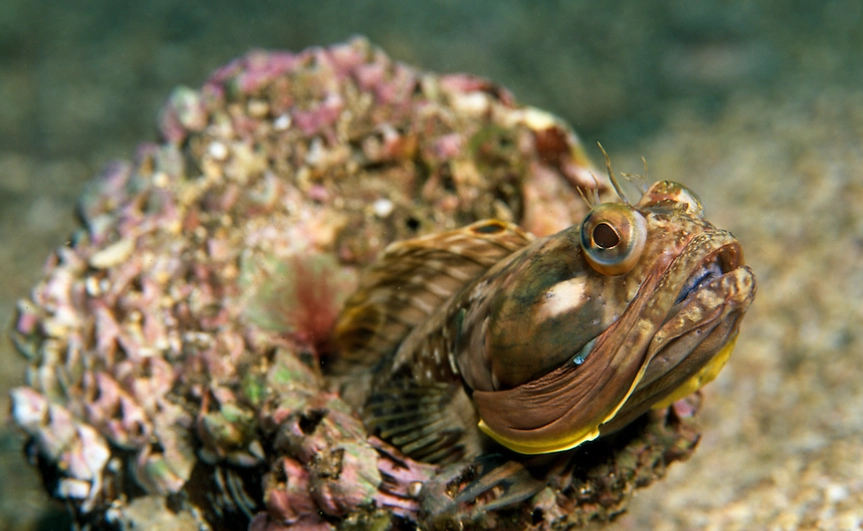
Their party piece is their oral apparatus. The jaws are huge, but the mechanics are more about width than power. When threatened, they don't just open their mouth; they unfold a complex set of bones and membranes, flaring it into a wide, vertical sheet that can be nearly as tall as their body. It's a pure intimidation play. The inside is often brightly colored, creating a shocking visual signal. Think of it less like a bear trap snapping shut and more like someone suddenly unfurling a huge, scary poster in your face.
The Bite: Separating Hollywood from Reality
Okay, so can they bite? Technically, yes. They have small, pointed teeth. But the purpose is not to maim large predators. The "bite" is the final, physical escalation of a very clear visual warning system. It's a last-resort shove for another fish or crustacean that's ignored all the "get off my lawn" signals.
The Big Misconception: Many viral videos and articles imply the fringehead bite is a major threat. This is almost entirely false for humans. Their jaw structure isn't built for generating significant bite force. A study on fish biomechanics from the University of California highlights that fish with wide-gape displays, like the fringehead, typically sacrifice biting power for visual impact. You're more likely to get a painful pinch from a large crab than any meaningful injury from a fringehead.
The Reality of the "Bite"
In the wild, a bite sequence looks like this:
- Flare: Intruder approaches the burrow. Fringehead flares its giant mouth, displaying bright colors.
- Lunge: If the display fails, it will lunge forward, often making contact with the wide-open mouth, pushing the intruder.
- Close: Only if the intruder (usually a similar-sized fish or a curious octopus) is right at the burrow entrance and persists, might the jaws close in a biting motion. This is to grip and wrestle, not to tear flesh.
The force is minimal. I've spoken with marine biologists who've handled them for research; the consensus is it feels like a weak pinch, maybe breaking the skin if you have soft hands, but nothing more. The drama is 99% visual.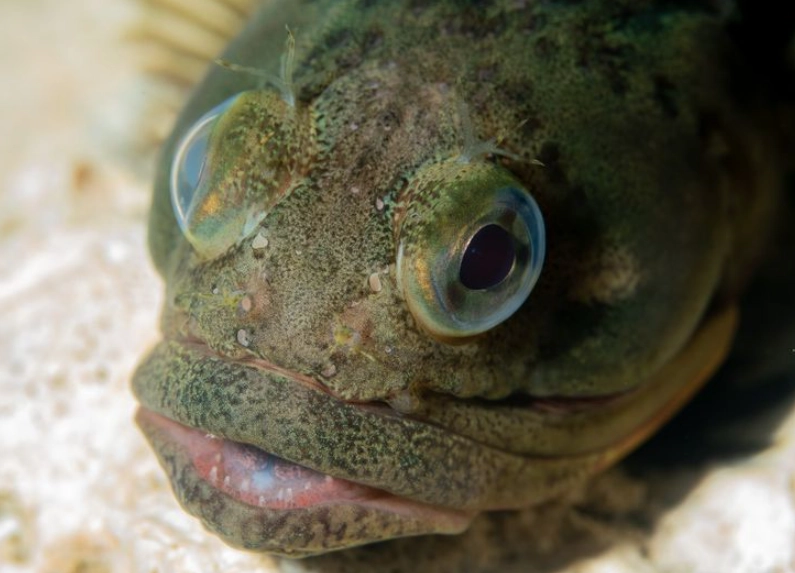
| Behavior | Primary Goal | Risk to Human | What It Actually Looks/Feels Like |
|---|---|---|---|
| Mouth Flaring | Visual intimidation, warning | None | A sudden, colorful expansion of the head. Startling, not harmful. |
| Lunging Push | Physical displacement of intruder | Very Low | A swift forward motion with an open mouth, making contact to shove. |
| Jaw Closure (The "Bite") | Gripping & wrestling persistent foes | Extremely Low (Minor pinch) | A quick nip. May startle more than hurt. No venom, no strong force. |
Where and How to (Safely) Observe Sarcastic Fringeheads
You want to see this behavior for yourself? Good. They're accessible if you know where to look. The key is understanding their real estate preferences.
Prime Habitat and Locations
They love sheltered, sandy or muddy bottoms near reefs or kelp forests, typically at depths between 3 and 70 meters (10-230 feet).
Top Spots for Divers:
- Monterey Bay, California: A world-famous hotspot. Sites like the Metridium Field or the Breakwater are known for fringehead populations. Local dive shops like Monterey Bay Dive Company can often point you to specific pipes or structures they inhabit.
- Channel Islands, California: Around Anacapa and Santa Cruz Islands. Look in rubble zones and old debris.
- La Jolla Shores, San Diego: The sandy canyon areas here are productive. Night dives can be particularly good, as they are more active.
You won't find them on a pristine coral reef. Look for human "litter"—ceramic pipes, bottles, cans—or natural debris like empty giant barnacle shells. That's their dream home.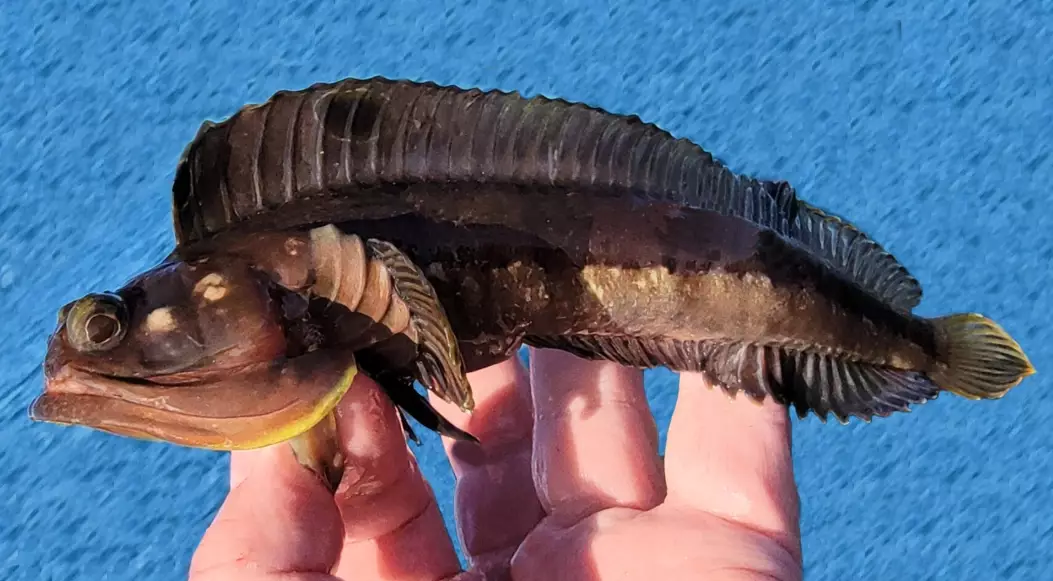
Observation Technique: Don't Be a Jerk
This is where most amateur underwater photographers mess up. In their zeal to get the perfect flare shot, they harass the animal. A stressed fish is an unhappy fish, and it wastes energy it needs to survive.
Here's the right way:
- Spot the burrow from a distance. Look for a small opening, sometimes with just the head peeking out.
- Approach slowly and kneel on the sand (if possible) a good foot or two away. Never block its escape route into the burrow.
- Use a pointer or your finger to gently tap the sand or structure NEAR the burrow, not directly on it. This simulates an approaching creature. Often, this is enough to elicit a cautious flare.
- TAKE YOUR SHOT AND MOVE ON. Do not poke, prod, or try to force it out. Getting one good display is a success. Lingering and repeatedly provoking it is unethical and teaches you nothing new.
I've seen divers spend 10 minutes tormenting one poor fish. It's unnecessary and gives responsible wildlife watchers a bad name.
Understanding Fringehead Behavior: Beyond the Bite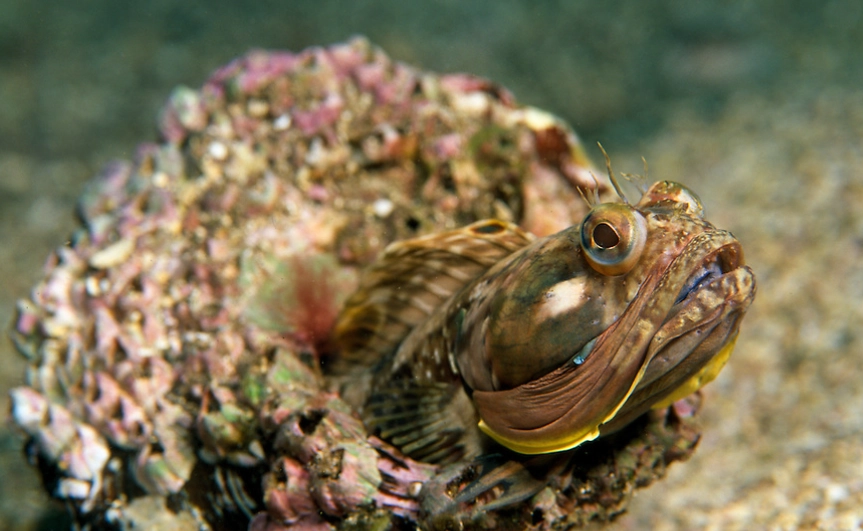
Why are they so aggressive? It's not anger; it's economics. In their environment, safe, ready-made homes are a scarce and precious resource. Losing your burrow means exposure to predators and the immense energy cost of finding a new one. Their entire defensive strategy is a cost-benefit analysis: start with the cheap, low-risk option (the big-mouth display) to scare off 95% of problems. Escalate only if absolutely necessary.
This behavior is documented in research on fish territoriality. A report by the NOAA Southwest Fisheries Science Center on nearshore fish communities notes that species like the fringehead exhibit "extreme in-situ defense" due to their specialized habitat needs.
They're not mindless attackers. They're calculating homeowners with a fantastic, energy-efficient security system.
Essential Safety Tips for Divers and Aquarists
For Scuba Divers & Snorkelers
- Respect the Perimeter: Keep your hands and gear away from burrow entrances. A curious fringehead might lunge at a dangling pressure gauge or camera strobe.
- Control Your Buoyancy: Stirring up silt can bury their home entrance, which is a serious threat to them. Perfect neutral buoyancy is non-negotiable.
- No Touching: This should be obvious for all marine life. You risk harming their sensitive skin and mucous coating, making them susceptible to infection.
For the (Very Experienced) Aquarist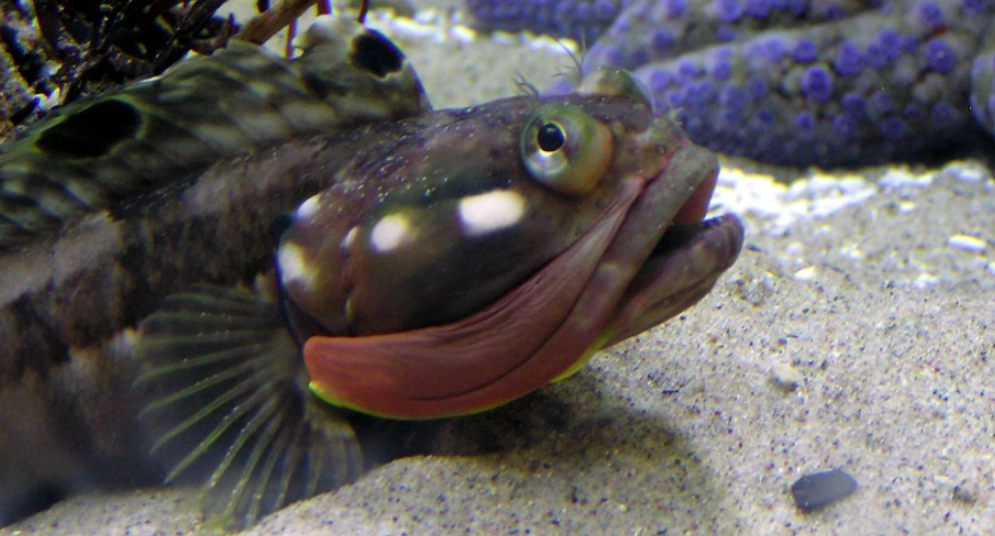
Keeping a sarcastic fringehead is a major commitment and generally not recommended for beginners. They need a species-specific setup.
- Tank Requirements: A 30-gallon+ tank with a fine sand bed and multiple potential "burrows" (PVC pipes of various sizes, ceramic tubes) is mandatory.
- The Solo Life: They must be kept alone. They will attack and kill tankmates, including other fringeheads, except for a brief, carefully managed breeding period.
- Feeding Challenge: They are ambush predators. Getting them to accept dead food (like thawed shrimp or fish) can be difficult; often, they need live feeder shrimp or small fish initially.
- The "Bite" Risk in Tanks: This is the main user pain point. During tank maintenance, they will defend their chosen pipe fiercely. The solution? Use a longer tool (like aquarium tongs) to work near their home, or gently guide them into a different pipe using a net before you start cleaning. Never reach into their burrow with your fingers.
Your Fringehead Questions Answered
 Is it ethical to keep a sarcastic fringehead in a home aquarium given their aggressive nature?

Comments
Leave a Comment