Let's be honest, the first thing that grabs you is the name. Goggle Eye Snapper. It sounds like a cartoon character, not a prized catch. But if you've ever pulled one of these copper-colored, big-eyed fighters from a deep reef, you know the name undersells the experience. This isn't just another fish in the sea. For anglers in the know, from the Gulf of Mexico down through the Caribbean, the Goggle Eye Snapper (*Lutjanus guttatus*, also called the Spotted Rose Snapper) is a target species. It offers a challenging fight, inhabits beautiful and complex environments, and ends up as some of the finest, sweetest white meat you can grill or pan-sear. This guide cuts through the noise. We're not just listing facts you can find anywhere. We're talking about the *how* and the *why*—the subtle mistakes that cost you bites, the handling tricks that preserve flavor, and the spots that locals whisper about.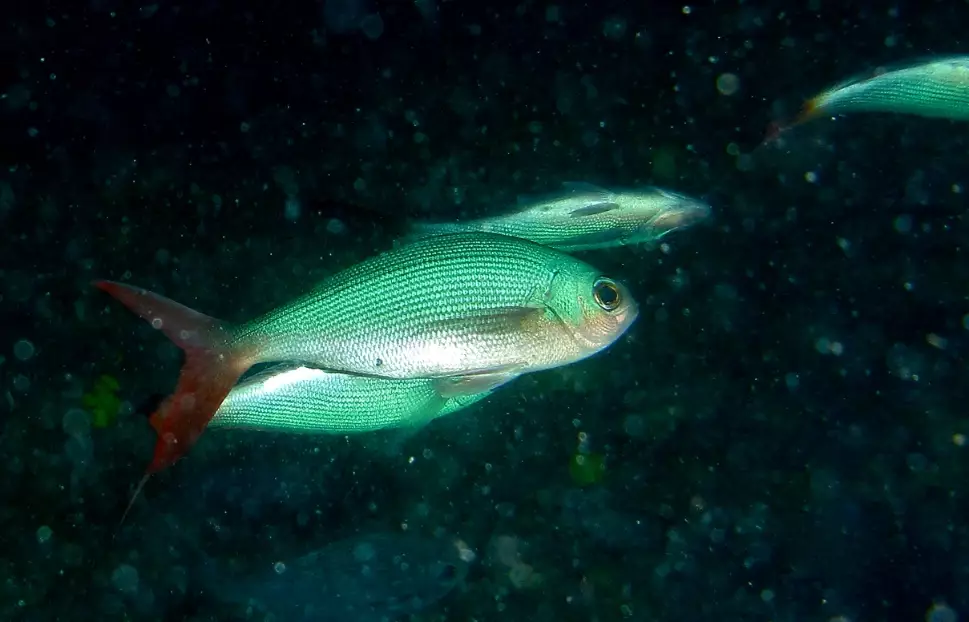
What's Inside This Guide
- What Exactly Is a Goggle Eye Snapper?
- Where to Find Goggle Eye Snapper: Prime Habitats
- How to Catch Goggle Eye Snapper: Gear, Bait, and Technique
- From Hook to Plate: Cooking and Eating Goggle Eye
- Buying Goggle Eye Snapper Sustainably
- Conservation and Responsible Fishing
- Your Goggle Eye Questions Answered
What Exactly Is a Goggle Eye Snapper?
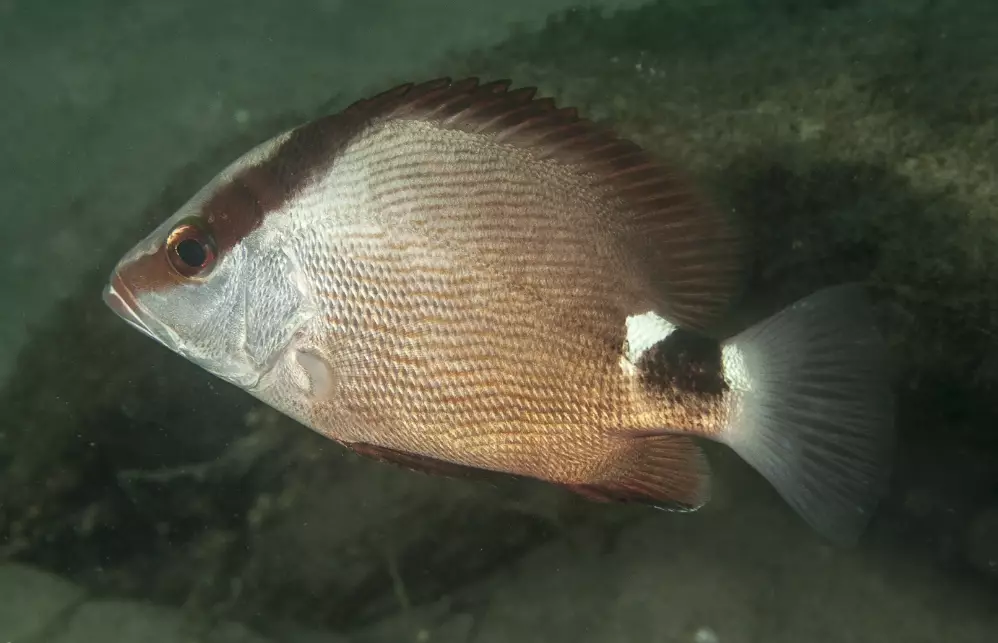
Okay, biology class is in session, but I'll keep it painless. The Goggle Eye is a member of the Lutjanidae family—the snappers. It's a mid-sized reef dweller, typically running 1 to 3 pounds, though I've seen a few brutes pushing 5 pounds off the coast of Belize. Its most striking feature is, of course, those large, dark eyes (perfect for low-light reef foraging) set in a streamlined, pinkish to copper-colored body. Look for a distinct black spot, about the size of its eye, right on the lateral line just below the soft dorsal fin. That's your key identifier. Don't confuse it with the Mangrove Snapper, which is more silvery and lacks that prominent spot.
They're social fish. You rarely find just one. Where there's one Goggle Eye, there's usually a small school hanging around the same structure. They're opportunistic feeders, munching on small fish, shrimp, and crabs. This behavior is crucial for figuring out how to catch them.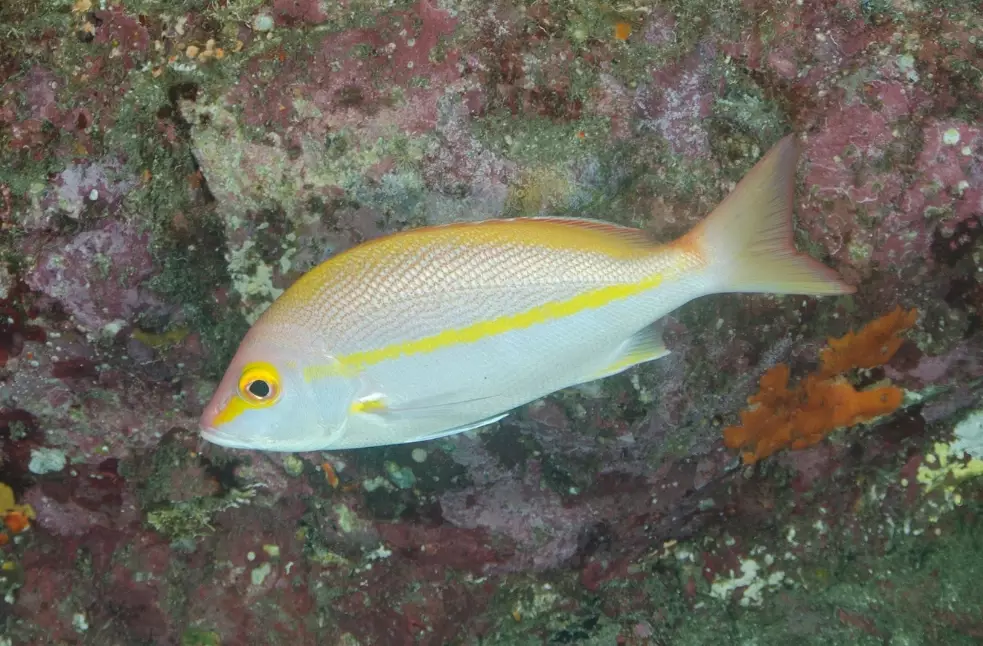
Where to Find Goggle Eye Snapper: Prime Habitats
Forget trolling open water. You're wasting fuel. Goggle Eyes are structure-huggers. Their world is vertical and complex.
- Natural Coral and Rock Reefs: This is their penthouse. Depth is your friend here—think 60 to 200 feet. They love the nooks, overhangs, and ledges. In places like the Florida Keys, the deeper reef lines are goldmines.
- Artificial Reefs and Wrecks: Sunken ships, decommissioned oil rigs (especially in the Gulf), and purpose-sunk concrete structures are Goggle Eye magnets. The structure provides ambush points and attracts baitfish. The NOAA has great resources on artificial reef locations.
- Steep Drop-offs and Channel Edges: Where the bottom falls away sharply next to a sandy or grassy flat, you'll often find Goggle Eyes suspended along the wall, picking off prey carried by the current.
I spent a week fishing near Cozumel, Mexico, and the pattern was clear. The most productive spots weren't the famous, crowded shallows. They were the lesser-marked, deeper patch reefs a few miles offshore. Your fishfinder isn't just for finding fish; it's for finding the *bottom*. A lumpy, hard bottom signal often means reef structure below.
How to Catch Goggle Eye Snapper: Gear, Bait, and Technique
This is where most online guides get generic. "Use light tackle." Great, thanks. Here's the real breakdown from someone who's lost more than a few rigs to the reef.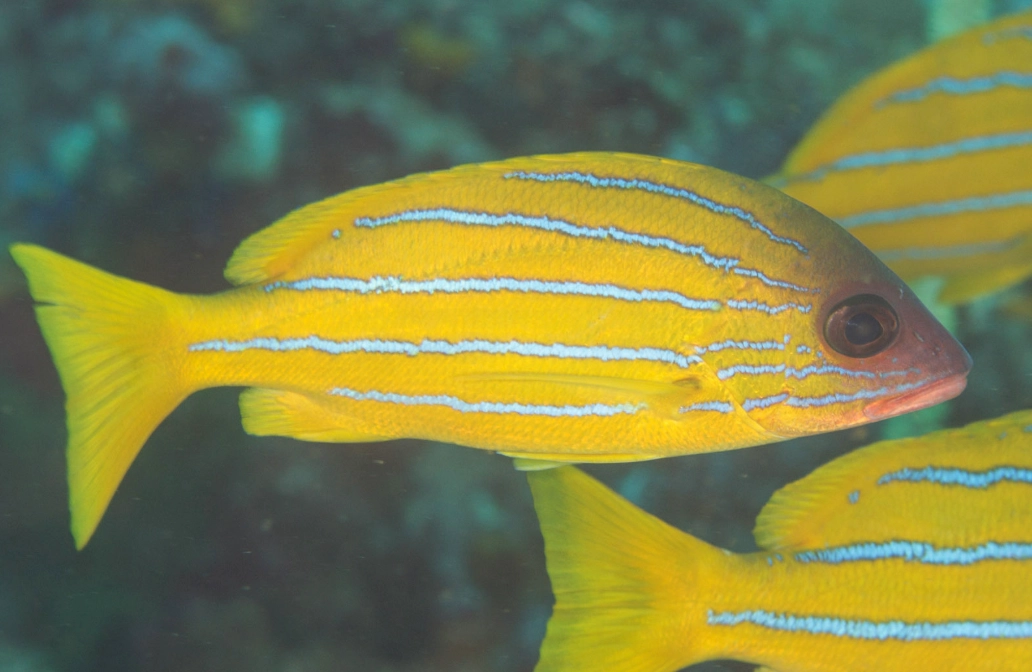
The Right Tackle Setup
You're fighting a strong fish in a tackle-shredding environment. It's a balance. Too light, you get broken off. Too heavy, you lose sensitivity and the fun of the fight.
>Circle hooks often result in better hooksets in the corner of the mouth.>Gets bait down quickly while allowing natural movement.| Gear Component | Recommended Specs | Why It Works |
|---|---|---|
| Rod | Medium-light to medium power, fast action. 7-foot spinning rod. | Enough backbone to pull fish from structure, sensitive tip to feel subtle bites. |
| Reel | Size 3000-4000 spinning reel with a smooth drag. | Holds enough line (20-30 lb braid) and provides reliable stopping power. |
| Main Line | 20-30 lb braided line. | No stretch for instant hooksets and better feel. Thinner diameter cuts current. |
| Leader | 20-30 lb fluorocarbon, 3-4 feet long. | Nearly invisible underwater and abrasion-resistant against coral. |
| Hook | #2 to 2/0 circle hook or J-hook, sharp and strong. | |
| Sinker | Egg sinker or bank sinker, 1/2 to 2 oz depending on current. |
Bait Choices: What Actually Works
Live bait is king. Frozen shrimp from the grocery store? You'll catch something, but probably not the biggest Goggle Eye in the school.
Live Shrimp: The undisputed champion. Hook it through the horn (the hard plate between the eyes) or just above the tail fan. Both methods keep it alive and kicking. A lively shrimp darting near a reef is irresistible.
Small Live Pilchards or Threadfin Herring: If you can net them, these are deadly. Hook them lightly through the lips or just behind the dorsal fin.
Cut Bait (Squid or Small Fish): A decent plan B. Use a small strip and let it flutter down near the structure. It can be especially good if the bite is slow.
The biggest mistake I see? People using bait that's too big. Goggle Eyes have relatively small mouths. A massive chunk of bait will get picked clean by smaller fish. Think modest, natural presentations.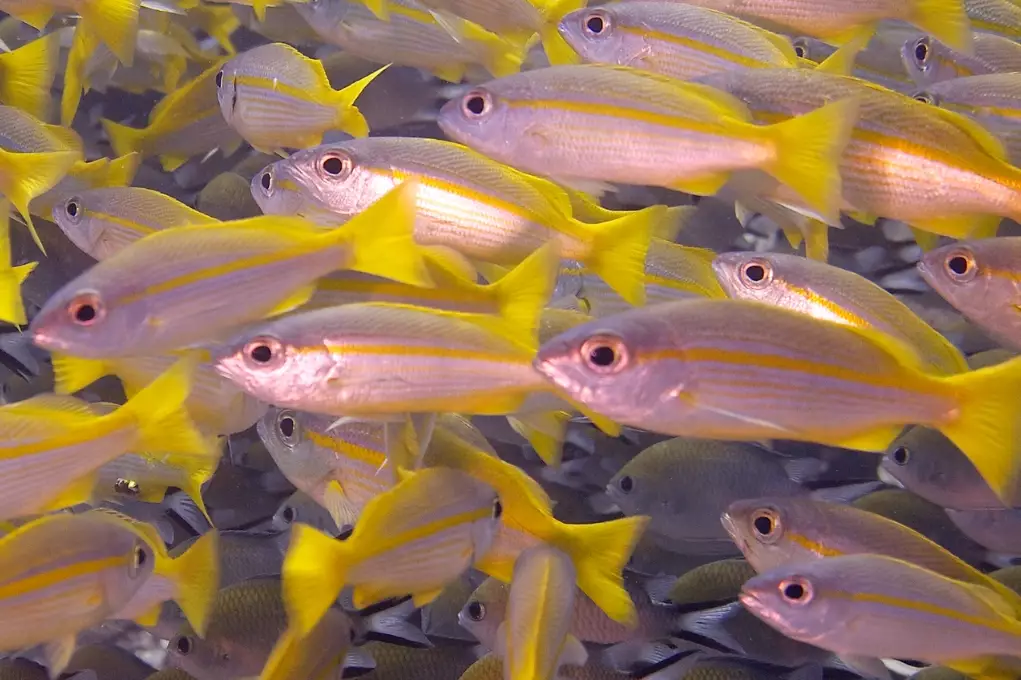
Fishing Technique: It's All About the Drop
Anchor up-current of your target structure. Let your baited rig swing back naturally with the current until it's right over or next to the reef. Keep a slight tension—you want to feel the tap-tap-tap of a bite, not a dead weight. When you feel the bite, reel down to take up slack and then set the hook with a firm, upward sweep of the rod. Be ready for a quick, powerful dive straight back into the rocks. Your job is to turn its head and get it up into open water.
From Hook to Plate: Cooking and Eating Goggle Eye
This is the reward. Goggle Eye Snapper meat is white, flaky, mild, and slightly sweet. It's incredibly versatile. But how you handle it on the boat directly affects the quality on your plate.
Boat-Side Bleeding and Icing: This is the pro move most recreational anglers skip. Immediately after landing the fish, cut the gills or pierce the brain (ike jime method) and let it bleed out in a bucket of seawater. Rinse, then get it on ice—not just in a cooler with ice on top, but buried in a slurry of ice and water. This rapid chilling firms the flesh and prevents the "fishy" taste. The difference is night and day.
Simple Pan-Seared Fillets (My Go-To Recipe):
- Pat dry skin-on fillets. Score the skin a few times to prevent curling.
- Season generously with salt and pepper.
- Get a stainless steel or cast iron skillet screaming hot with a high-smoke-point oil (avocado, grapeseed).
- Place fillets skin-side down. Press gently for 10 seconds to ensure full contact.
- Cook 80% of the way on the skin side until it's golden and crispy. This takes 3-5 minutes depending on thickness.
- Flip, cook for another 30-60 seconds just to finish the top. Add a knob of butter, a garlic clove, and a sprig of thyme to the pan and baste the fillets for the last 30 seconds.
- Serve immediately with a squeeze of lemon. The skin should crackle like potato chips.
It also grills beautifully, holds up in fish tacos, and can be baked whole. Its mildness means it takes on bold flavors like citrus, garlic, and herbs really well.
Buying Goggle Eye Snapper Sustainably
Not everyone can catch their own. If you're buying it at a fish market or restaurant, you need to be a smart consumer. The name "snapper" is often misapplied. Ask questions.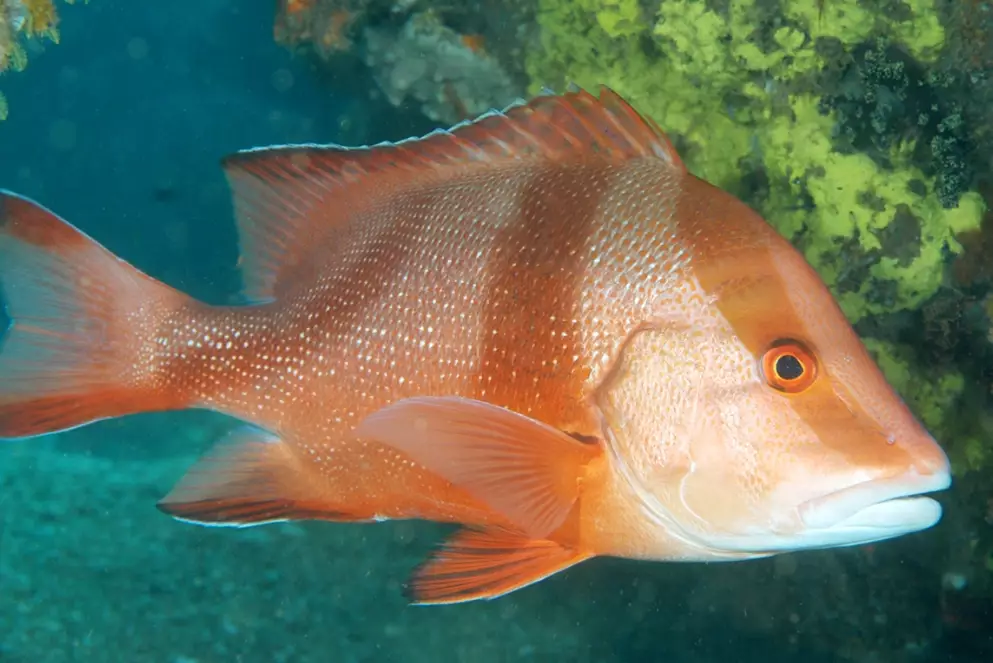
- Is it local/domestic? Imported snapper (often from Asia) can be a different species entirely and may have questionable farming or catching practices.
- Look for the spot. If you can see the whole fish, that black lateral spot is the best identifier for *Lutjanus guttatus*.
- Check sustainability guides. Organizations like the Monterey Bay Aquarium Seafood Watch provide regional recommendations. In general, U.S. wild-caught snapper from the Gulf or South Atlantic is considered a "Good Alternative," but always verify the specific species and catch method.
Conservation and Responsible Fishing
Goggle Eye Snapper populations are generally considered stable, but they are vulnerable to overfishing because of their reef-dependent, schooling nature. They're often caught as bycatch in deeper water fisheries. As a recreational angler, you have a role.
Know and follow local regulations—size limits, bag limits, and seasons exist for a reason. If you're practicing catch-and-release, use a dehooking tool and return the fish quickly and gently. Consider keeping only what you'll eat that day. The future of fishing depends on the fish being there tomorrow.
Your Goggle Eye Questions Answered
What's the single biggest mistake anglers make when fishing for Goggle Eye Snapper?
Using gear that's too heavy and insensitive. They're not tuna. A stiff rod and thick mono line mean you'll miss the delicate pick-up of the bait. You'll feel the weight of the fish only after it's already swallowed the hook and swum back into the rocks. A lighter, sensitive braid-to-fluoro setup telegraphs every tap, letting you set the hook before the fish gets leverage.
I'm fishing a deep wreck. Should I use a heavier sinker to get down faster, or a lighter one for a more natural presentation?
In strong current, you often need the heavier sinker just to maintain bottom contact. The key isn't the weight itself, but how you work it. Don't just let it sit. Use the rod tip to lift and drop the sinker slightly, making the bait "hop" along the bottom or structure. This imitates a fleeing shrimp or crab and is far more effective than a static presentation, even with a heavier weight.
 How can I tell a fresh Goggle Eye fillet from a less-fresh one at the market?
First, smell it. It should have a clean, briny scent of the ocean, not a strong, ammonia-like "fishy" smell. Look at the flesh. It should be translucent, glossy, and firm, not opaque or dull. If there's skin, it should be shiny with tightly adhering scales. If the fillets are sitting in a milky liquid, that's a sign of cell breakdown—pass. And always ask when it came in. "Today" or "yesterday" are the only answers you should accept for a premium fish like snapper.
Are circle hooks really better than J-hooks for this type of fishing?
For a beginner or if you're dealing with a lot of short strikes, yes, absolutely. Circle hooks are designed to hook the fish in the corner of the mouth as it turns away, leading to fewer gut-hooked fish, which is better for survival if you're releasing. You also don't need a dramatic hookset—just steady pressure. The trade-off is that you might miss some bites if the fish doesn't fully take the bait and turn. Experienced anglers who can detect the exact moment of the bite might prefer the immediate penetration of a sharp J-hook.
What's a good alternative bait if I can't get live shrimp?
Fresh dead shrimp is your next best bet. But here's a trick: buy the highest-quality frozen shrimp you can find (often labeled IQF - Individually Quick Frozen), thaw a few in saltwater, and use them. They'll be in better shape than "fresh" shrimp that's been sitting for days. Alternatively, a small soft plastic jerkbait or shrimp imitation on a light jighead can work surprisingly well, especially if you're getting harassed by smaller bait-stealers. It's not as consistent as live, but it proves they're visual hunters.


Comments
Leave a Comment