Let's talk about the goggle eye fish. You've probably seen them at the aquarium store—those stunning, deep-red fish with enormous, dark eyes that seem to peer right into your soul. They hover motionless near a cave, only to vanish in a flash if you move too quickly. That's the saltwater goggle eye fish, more formally known as a squirrelfish or soldierfish. They're captivating, but they come with a reputation for being tricky. I've kept them for over a decade, and I'm here to tell you that reputation is half-true. The challenge isn't in their health; it's in understanding their unique, nocturnal psychology. This guide will cut through the generic advice and give you the specifics you need to not just keep one alive, but to have it thrive and become a confident part of your tank's nighttime show.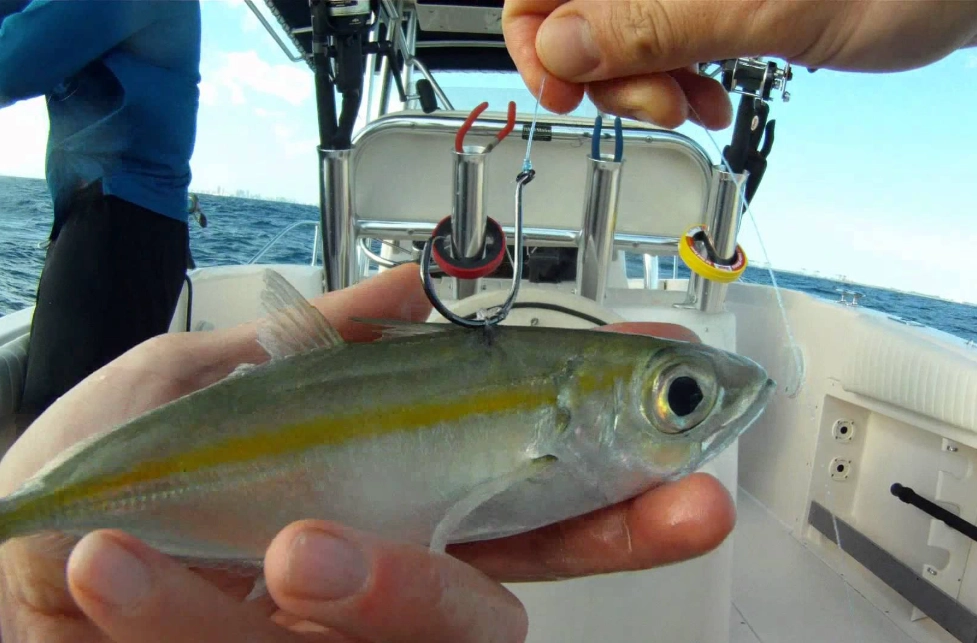
Your Quick Navigation Guide
What Are Goggle Eye Fish (Squirrelfish)?
First, let's clear up the name. "Goggle eye" is a common name that usually points to fish in the family Holocentridae, which includes both squirrelfish and soldierfish. The most common species you'll find in the trade is the Longspine Squirrelfish (Holocentrus rufus). They're native to the Western Atlantic and Caribbean, living in and around reefs. Those huge eyes aren't for show—they're a perfect adaptation for seeing in the dim light of dusk, night, and deep crevices.
Here’s the thing most care sheets miss: their skittishness is hardwired. In the wild, they're prey. That instinct doesn't switch off in an aquarium. I made this mistake early on. I had a beautiful, established 100-gallon tank with peaceful fish. I added a squirrelfish, provided a cave, and thought I was done. It hid for three weeks. I barely saw it. The problem wasn't the cave; it was the open space between its hiding spot and the rest of the tank. It felt exposed.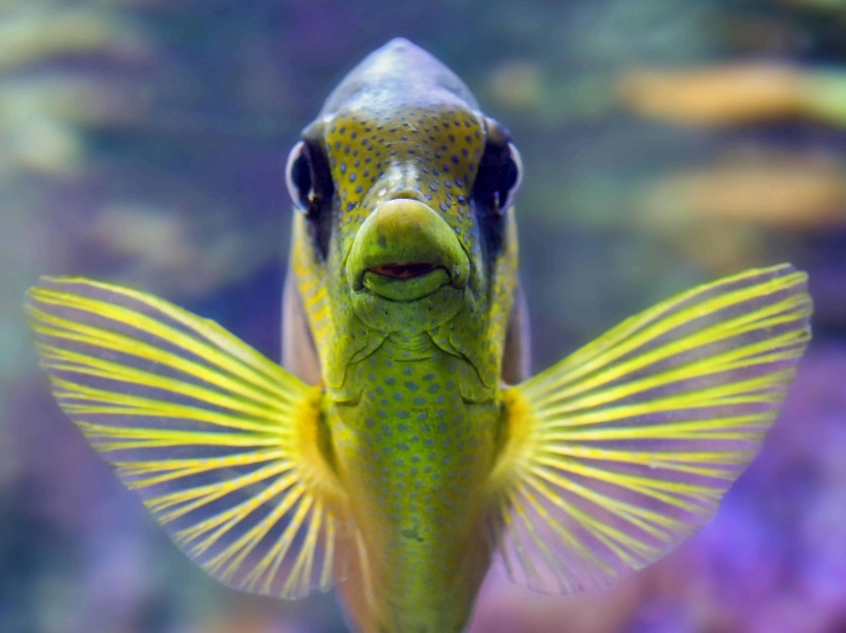
Quick Fact Check: They can live 10+ years in a well-maintained aquarium. They're generally hardy against disease if water quality is stable, but their stress levels are the real health indicator.
How to Set Up the Perfect Tank for Goggle Eye Fish
Forget the minimum tank size suggestions for a second. Yes, a 55-gallon is often cited as the starting point for a single fish. But volume is less important than layout. A long, shallow 75-gallon tank with lots of horizontal swimming space and rockwork is better than a tall, narrow 55. They need room to cruise near the bottom when the lights are out.
Non-Negotiable Tank Parameters
- Water Quality: Standard reef parameters. Salinity: 1.023-1.025 SG. Temperature: 75-80°F (24-27°C). pH: 8.1-8.4. They are sensitive to rapid shifts, so stability is key.
- Filtration & Flow: They don't like torrential current. Place them in a tank area with moderate, indirect flow. Canister or sump filtration works well, but ensure inlets are covered—they are not strong swimmers and can get stuck.
- Lighting: This is critical. They are nocturnal. Bright, intense reef lighting will stress them and keep them in hiding. If you have a reef tank, you must provide deep, dark caves. Consider using moonlight LEDs for viewing at night.
The #1 Mistake: Hiding Place Design
Don't just throw in a ceramic cave. You need to create a network. Use live rock to build structures with multiple entrances and exits. The goal is to allow the fish to move from one end of the tank to the other while feeling it has "cover" most of the way. I use long, overhanging rocks to create shaded "highways" along the bottom. This single change transformed my squirrelfish from a ghost into a visible, active resident.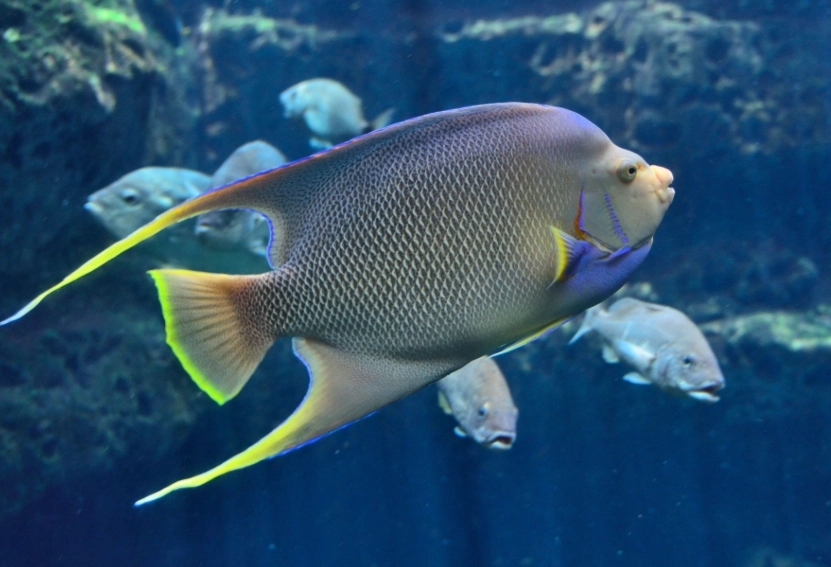
Watch Out: Their dorsal spines are sharp and can get caught in nets. Use a clear container or a very fine-mesh net for handling. Also, they may snack on very small ornamental shrimp or tiny gobies.
Choosing Tank Mates: The Good, The Bad, and The Risky
Compatibility is less about aggression from the squirrelfish and more about aggression towards it. They are peaceful but can fit anything that fits in their large mouth. They are vulnerable to bullies.
| Compatibility Level | Type of Fish/Invertebrate | Reason & Notes |
|---|---|---|
| Excellent | Other peaceful, non-nocturnal fish (Tang, Clownfish, Cardinalfish, Blennies, Gobies) | They occupy different times and spaces. The squirrelfish is out when these fish are sleeping, reducing competition. |
| Good (with caution) | Larger, peaceful invertebrates (Cleaner Shrimp, Emerald Crabs, Serpent Stars) | Generally safe, but a very hungry squirrelfish might investigate a tiny shrimp. Introduce the shrimp when well-fed. |
| Risky | Aggressive or territorial fish (Damsels, Triggers, Large Angels, Dottybacks) | These fish will harass the squirrelfish, especially during the day when it's trying to rest, leading to chronic stress. |
| Poor | Very small fish (Neon Gobies, small Firefish) or tiny ornamental shrimp | May be seen as food, especially at night. |
| Fellow Nocturnals | Other squirrelfish/soldierfish, Bigeyes, some eels | Can work in very large tanks with ample space, but may compete for the same hiding spots and food. Not for beginners. |
My personal recommendation? A Fish-Only-with-Live-Rock (FOWLR) tank or a very carefully planned reef tank with robust corals. They are generally considered reef-safe with caution, as they won't bother corals or anemones, but they might knock over loose frags while swimming at night.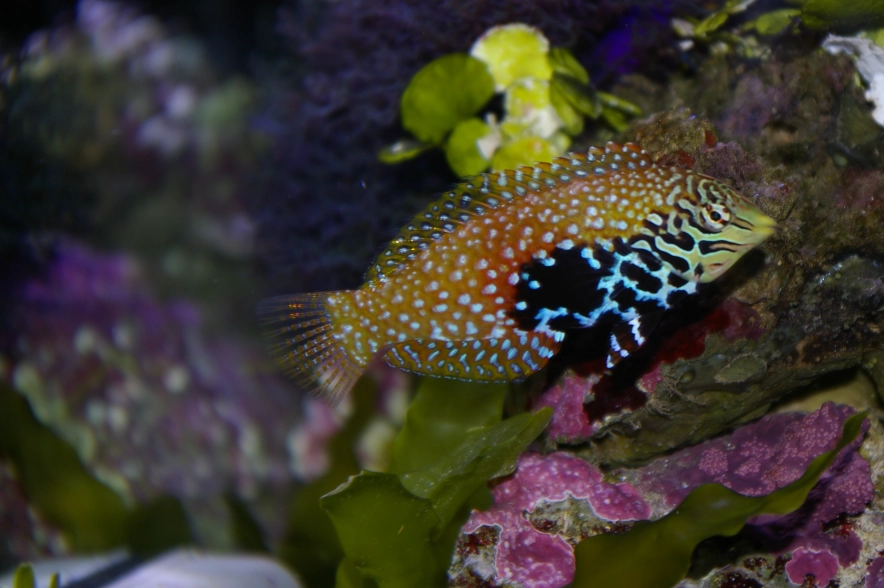
The Night Shift: Feeding Your Goggle Eye Fish
This is where many people fail. You can't just feed them at 2 PM with the rest of the tank. Their metabolism is tuned to night activity.
My routine: I feed my main tank as usual during the day. Then, about 30 minutes after the main lights go out, I use a small blue LED flashlight (to not fully wake them) and target feed. I use a turkey baster to place food near their preferred cave entrance.
What to feed: They are carnivores. A varied diet is crucial.
- Frozen: Mysis shrimp, brine shrimp (not very nutritious alone), chopped krill, silversides, marine cuisine mixes.
- Pellet/Flake: High-quality sinking carnivore pellets. You may need to train them to recognize these as food by offering them at night alongside frozen.
- Live (occasional treat): Ghost shrimp or feeder shrimp (from a trusted source) can stimulate natural hunting behavior.
If your fish isn't eating, don't panic immediately. It might just be acclimating. Try feeding after total darkness with no room lights on. If it still refuses after a week, double-check your tank mates for harassment and your water parameters.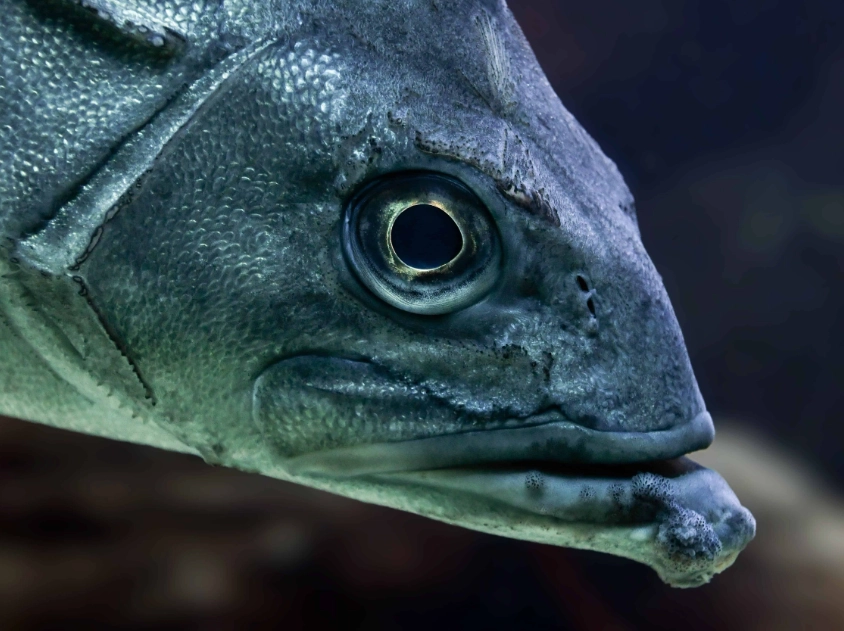
Expert Answers to Your Goggle Eye Fish Questions
 Are they safe for a reef tank with small cleaner shrimp?
Keeping a saltwater goggle eye fish is a unique and rewarding experience. It connects you to the secret nightlife of the reef. It's not the flashiest or most interactive fish, but there's a quiet satisfaction in creating an environment where such a specialized creature can behave naturally. It forces you to think about your aquarium in a new way—considering the shadows as much as the light. If you're willing to meet them on their terms, you'll be gifted with a fascinating, long-lived resident that adds a whole new dimension to your underwater world.

Comments
Leave a Comment