Let's cut to the chase. An animal becomes albino because of a specific genetic hiccup that stops its body from making normal amounts of melanin. That's the pigment responsible for color in skin, fur, feathers, and eyes. It's not magic, it's not a curse, and it's rarely about radioactive waste or pollution, despite what some movies might suggest. It's pure genetics.
I've spent years observing wildlife, and the first time I saw a pure white, pink-eyed squirrel, it stopped me in my tracks. It wasn't just rare; it felt like seeing a biological puzzle right there in the park. That experience pushed me to dig deeper than the basic textbook definition. What I found is a story that's equal parts intricate genetics and raw survival. Most articles just tell you "it's recessive genes" and stop there. But if you really want to understand what causes albinism, you need to look at the molecular machinery that breaks down, the different types that exist, and the brutal reality these animals face every single day.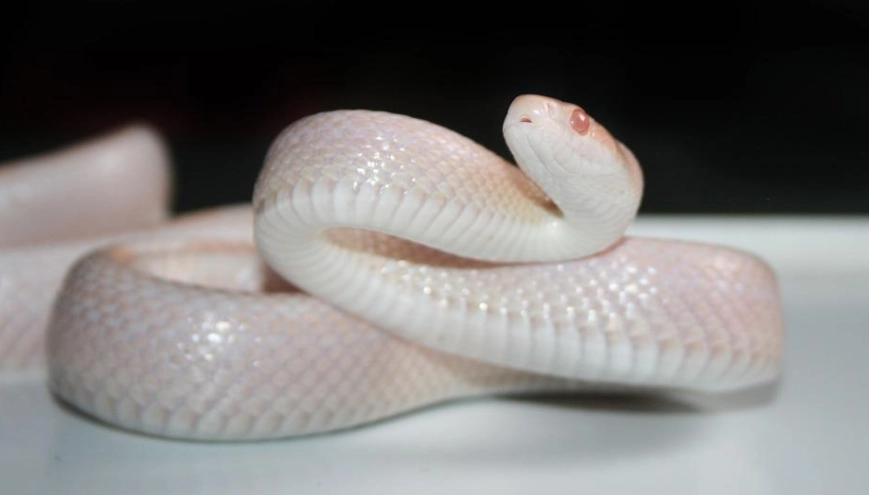
Quick Navigation
The Genetic Breakdown: It's All in the Code
Think of DNA as an instruction manual. For melanin production, several key "chapters" (genes) provide the steps. Albinism happens when there's a typo—a mutation—in one of these crucial chapters.
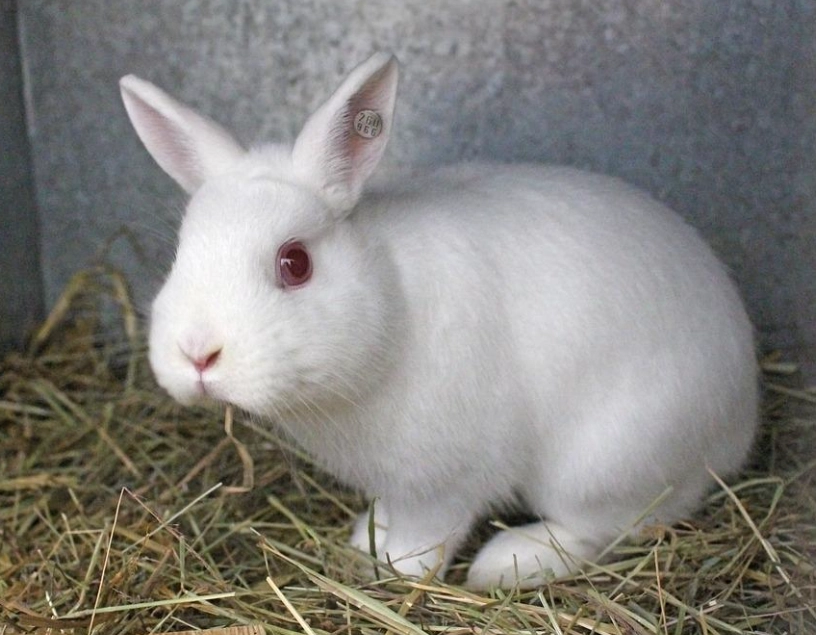
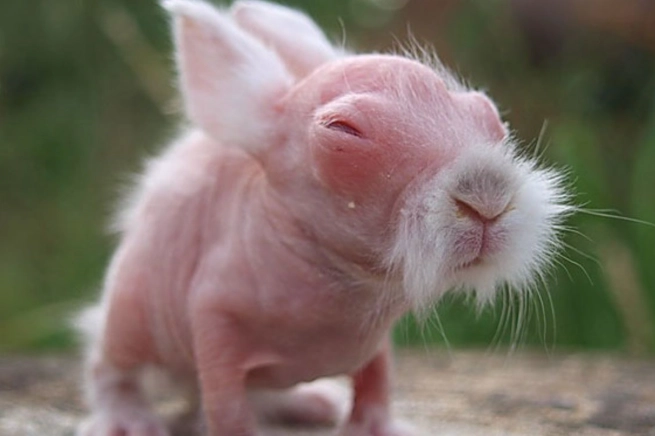
The most common form, oculocutaneous albinism, involves genes like TYR (tyrosinase) or OCA2. The tyrosinase enzyme is the foreman on the construction site of melanin. A mutation in the TYR gene means the foreman doesn't show up for work, and the whole production line grinds to a halt. No melanin gets made at all. This results in the classic albino look: completely white hair/fur, pale skin, and pink/red eyes (the red color is blood vessels showing through the iris, which lacks pigment).
How Is Albinism Inherited?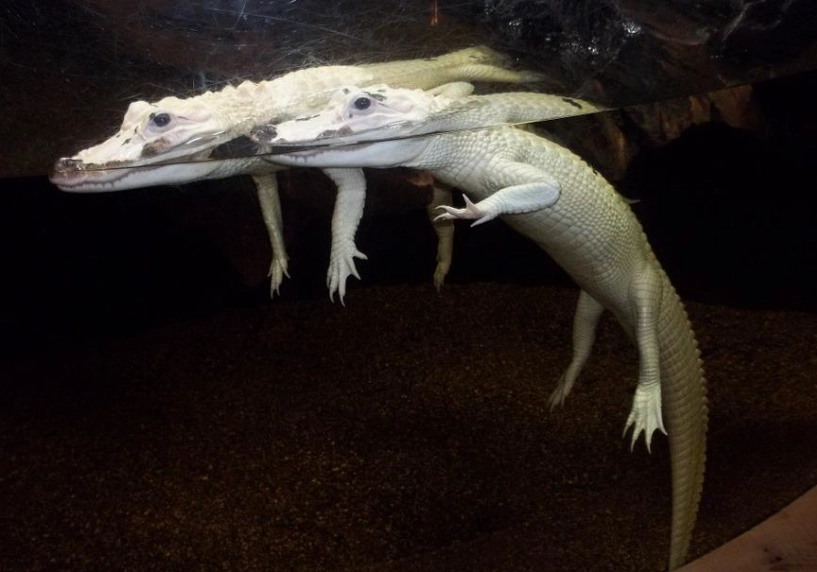
Here's a crucial point everyone misses. For an animal to be born with true, complete albinism, both parents must carry the faulty gene. It's what geneticists call an autosomal recessive trait.
Let's break that down with a real-world scenario, not a textbook Punnett square. Imagine a population of gray squirrels in a forest. Most have two normal copies of the gene (AA). A few might carry one normal and one faulty copy (Aa)—these are "carriers." They look perfectly normal. Now, if two carrier squirrels (Aa x Aa) mate, there's a 25% chance their offspring will inherit two faulty copies (aa). That offspring will be an albino squirrel.
This recessive pattern is why albinism is rare but can suddenly appear in a population where the carrier gene has been silently passed down for generations. It's not necessarily a sign of inbreeding in that immediate family, though in small, isolated populations, the chances of two carriers meeting do increase dramatically.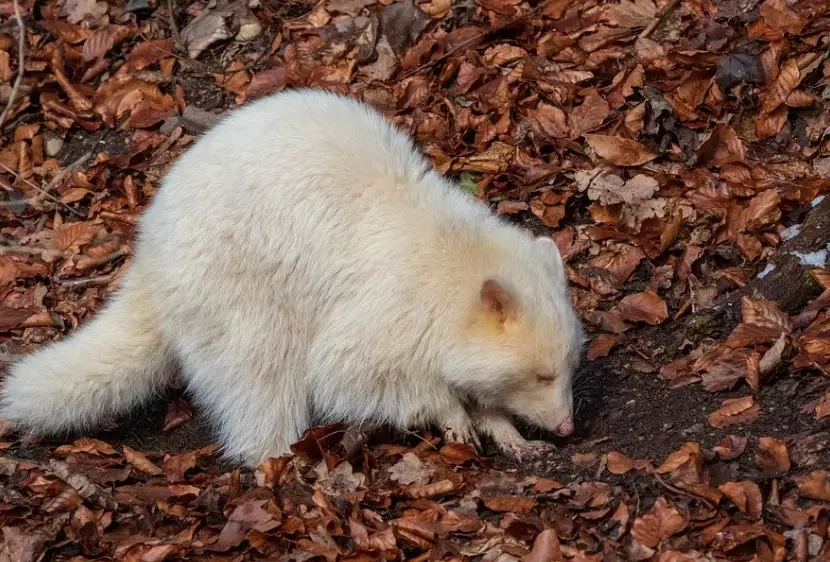
Key Genetic Fact
Over 15 different genes have been linked to various forms of albinism across species, according to research compiled by the U.S. National Institutes of Health. The specific gene affected determines the severity and type of pigment loss. This complexity is why you might see slight variations, like an animal with faint markings or less severe eye issues.
Melanin's Role: More Than Just Color
This is the part that explains why albinism is such a big deal for survival. Melanin isn't cosmetic. It's functional.
- Sun Protection: Melanin is a natural sunscreen. It absorbs harmful ultraviolet (UV) rays. Without it, albino animals are incredibly prone to severe sunburn and skin cancers. An albino alligator in captivity, for instance, can only be kept in enclosures with heavy shade and sometimes even requires special protective ointments.
- Vision Development: Melanin is essential for proper eye development. It helps shape the optic nerves and the retina. Its absence leads to the vision problems common in albinos: nystagmus (involuntary eye movements), strabismus (crossed eyes), photophobia (extreme sensitivity to light), and often reduced visual acuity. An albino predator like a lion would struggle to judge distance and track moving prey.
- Camouflage: This is the most obvious one. A white deer in a green-brown forest isn't just visible; it's a glowing beacon for predators.
So, the cause of albinism (the genetic mutation) directly creates a cascade of life-threatening effects because it removes this multifunctional tool.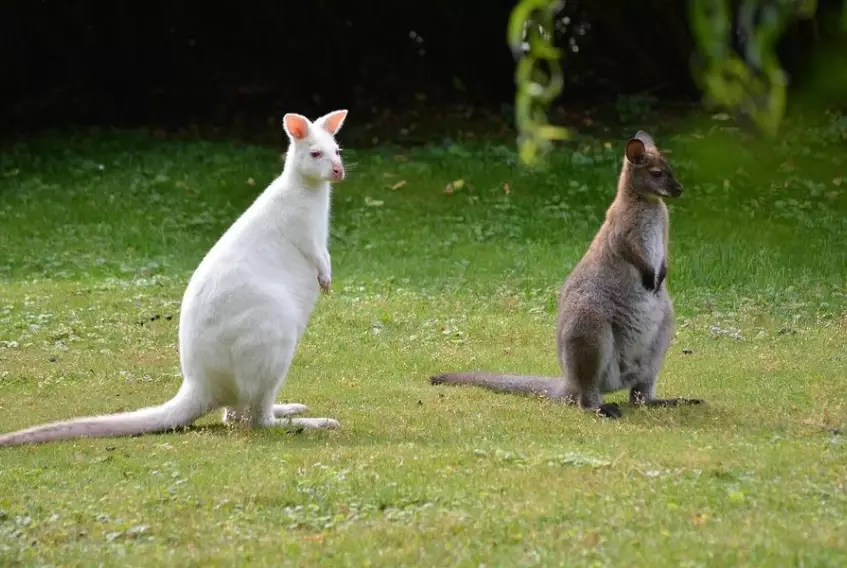
Not All White Animals Are Albinos: Understanding the Types
This is a major point of confusion. People label any unusually pale animal as "albino." As a biologist, that drives me a bit nuts. Let's clear it up.
| Condition | Genetic Cause | Key Physical Traits | Example |
|---|---|---|---|
| True (Complete) Albinism | Mutation causing zero melanin production. | Pure white fur/feathers, pale pink skin, pink/red eyes, vision issues. | Pink-eyed white rat, Snowflake the gorilla. |
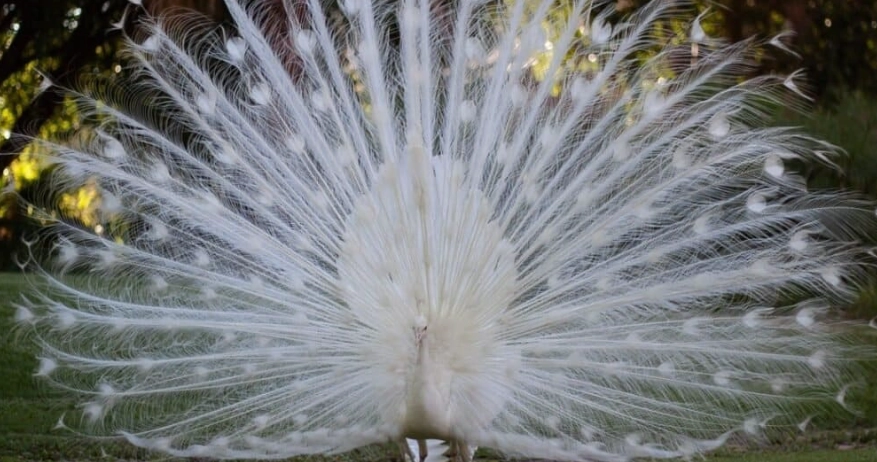
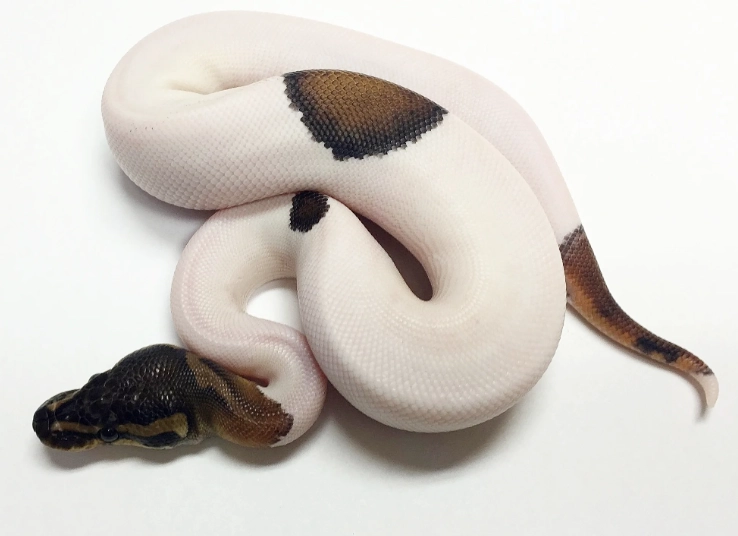
| Leucism | Partial loss of pigment cells during development. | Patches of white, pale, or patchy color. Normal-colored eyes. This is the critical difference. | White tigers, piebald deer, some "white" lions. |
| Isabellinism | Dilution of pigment, not absence. | Creamy, pale yellow, or light brown coloration. Eyes are blue or normal, not pink. | "Blond" penguins, pale flamingos. |
| Melanism | Overproduction of melanin. | Abnormally dark or all-black coloration. The opposite of albinism. | Black panther (a melanistic jaguar or leopard). |
See the difference?
If the eyes are normally colored (blue, brown, etc.), it's almost certainly not true albinism. Leucism is far more common in the wild. That famous white humpback whale, Migaloo? He's leucistic, not albino—his eyes are dark.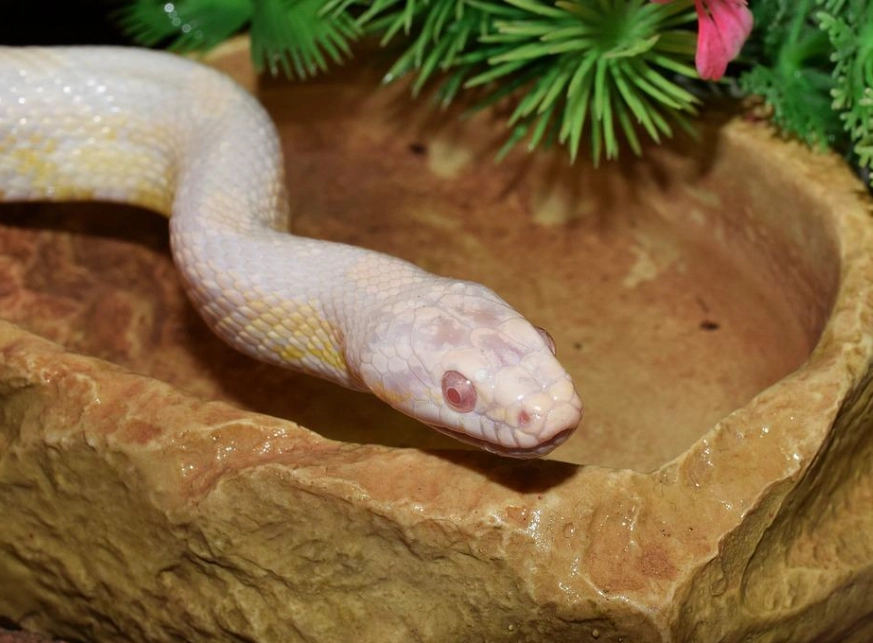
The Harsh Reality: Survival Challenges for Albino Animals
The genetic cause sets the stage for a brutally tough life. In the wild, most albino animals don't reach adulthood. It's a sad but honest fact.
Predation is the number one threat. That lack of camouflage is a death sentence. Studies on birds, for example, have shown that nests with leucistic or albino chicks are predated at a significantly higher rate.
Vision impairment makes hunting or foraging a monumental struggle. An albino owl would be functionally blind in daylight and have impaired night vision. How does it catch mice?
Then there's social rejection. In highly social species, being different can mean being ostracized. There are accounts, though anecdotal, of albino individuals being driven away from their packs or prides, which removes the protection of the group.
This is why most albino animals we see are in captivity—zoos, aquariums, or as pets. They were either rescued because they were found abandoned or are part of managed breeding programs. Their survival is a testament to human intervention, not the viability of the trait in nature. Natural selection actively works against the albinism gene.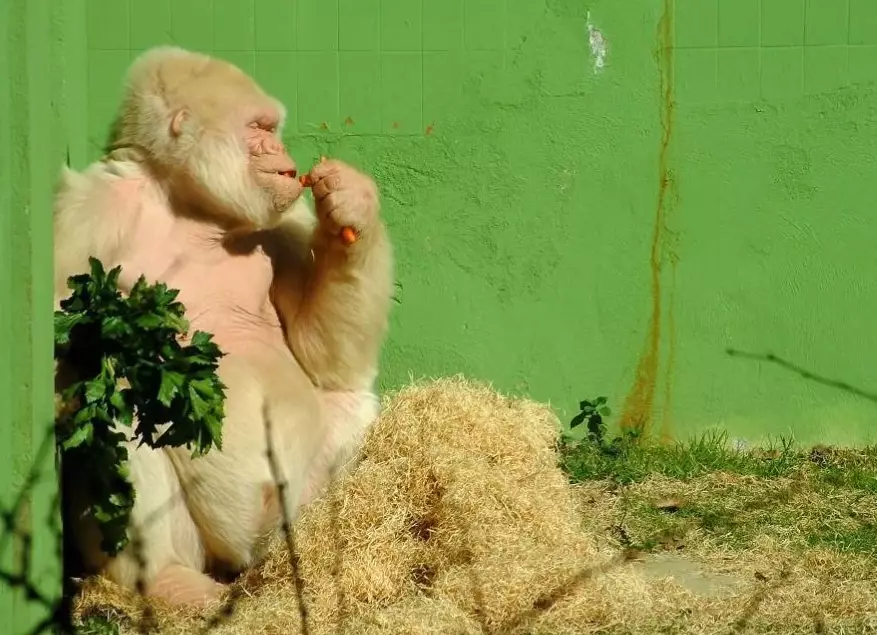
Separating Fact from Fiction: Common Myths Debunked
Let's tackle some persistent myths head-on.
Myth 1: Albinism is caused by inbreeding. This is an oversimplification. While inbreeding increases the probability of two carriers mating, albinism can and does appear in outbred populations where the recessive gene just happens to come together. Blaming it solely on inbreeding is misleading.
Myth 2: All albino animals have red eyes. In true, complete albinism, yes. But some milder genetic mutations (like certain forms of OCA2 albinism) can result in very light blue, gray, or even hazel eyes. The key is they are always very light and lack the dense pigment of a normal eye.
Myth 3: Albinism is a "disease." It's a genetic condition, not an infectious disease. The animal isn't sick because of albinism; it's vulnerable because of the consequences of the lack of pigment.
Your Albino Animal Questions Answered
 How long do albino animals typically live in the wild?
So, what causes an animal to become albino? A precise, heritable error in its genetic blueprint that switches off melanin production. This single-point failure isn't just about losing color; it's about losing a vital survival tool. The pink eyes and white fur are just the visible signs of a much deeper biological story—one of recessive genetics, developmental biology, and the relentless pressures of natural selection. They are reminders of how fragile the balance of life's instructions can be, and why these rare creatures capture our imagination while facing a world not built for them.


Comments
Leave a Comment