Let's cut straight to the point. Yes, the scaly-foot snail (Chrysomallon squamiferum) is endangered. It's not just "at risk"—it's formally listed as Endangered on the International Union for Conservation of Nature (IUCN) Red List of Threatened Species. This isn't a future prediction; it's its current, official survival status. If you're wondering why a snail that lives 2,800 meters deep in the pitch-black Indian Ocean, armored in iron sulfide scales, could possibly be in trouble, you're asking the right question. The answer connects deep-sea biology, global resource extraction, and one of the most fragile ecosystems on Earth.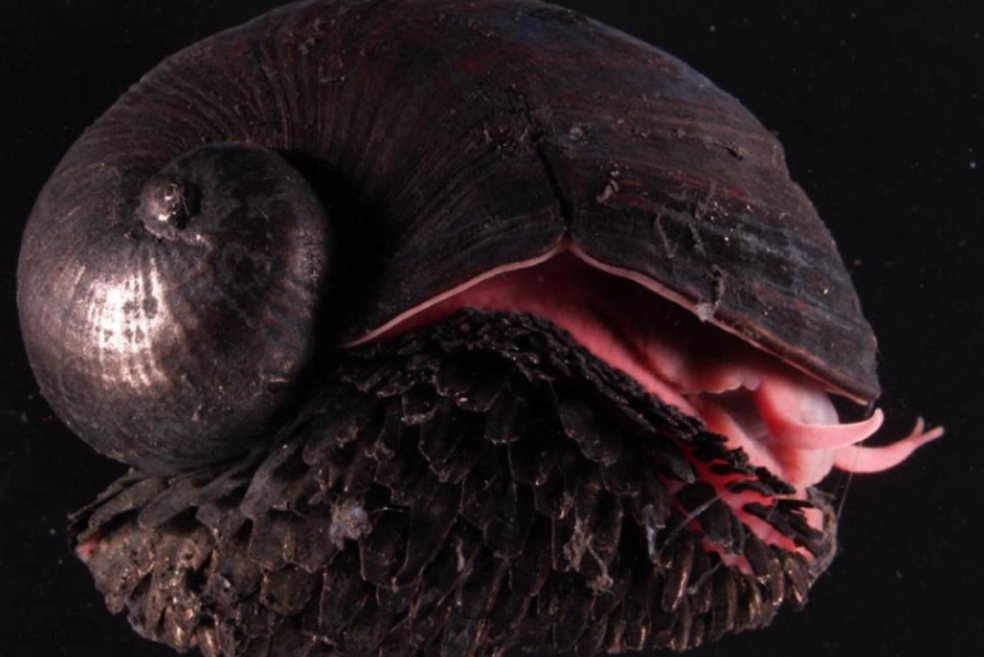
What's Inside: Your Quick Guide to This Article
What Even Is a Scaly-Foot Snail?
Before we dive into the threats, you need to understand what makes this snail so special and why its loss would be significant. This isn't your garden-variety snail. It's a creature of extremes, found exclusively around hydrothermal vents—underwater geysers spewing superheated, mineral-rich water. The scaly-foot snail has evolved a unique symbiotic relationship with bacteria living in its enlarged esophageal gland. These bacteria chemosynthesize energy from the vent's toxic chemicals, providing nearly all the snail's nutrition. It doesn't eat in a conventional way.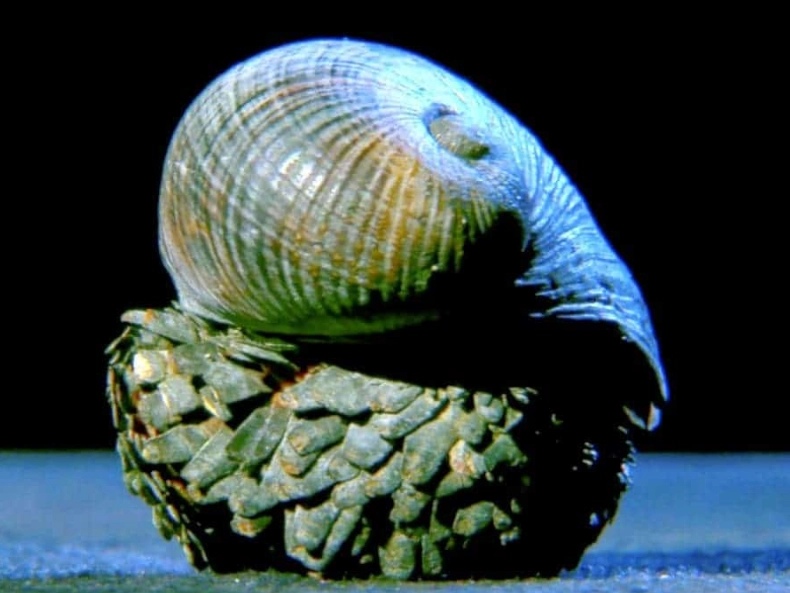
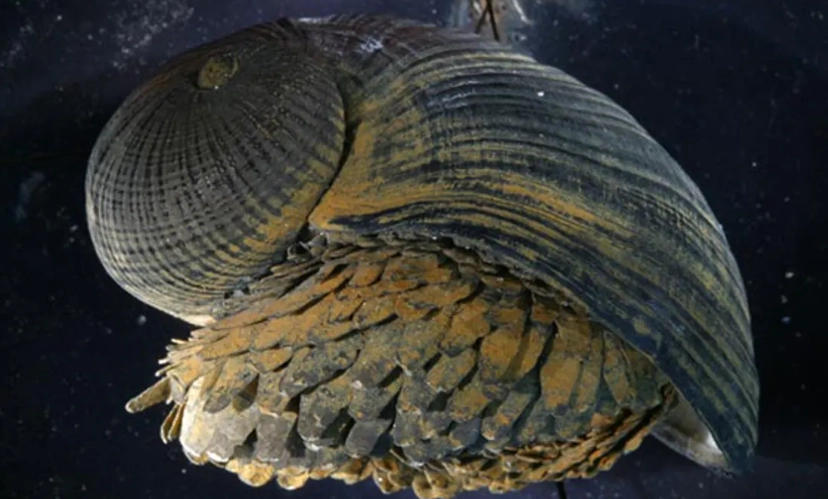
Its most famous feature? Its armor. Its shell is layered with iron sulfides (like pyrite and greigite), and its fleshy foot is covered in hard, mineralized scales—giving it the name "scaly-foot." This provides protection from predators and the harsh acidic environment. Scientists study it for insights into biomaterials and extreme adaptation.
Its distribution is incredibly limited. As of now, it's only confirmed at three hydrothermal vent fields in the Indian Ocean: the Kairei, Longqi, and Solitaire fields. We're talking about a total habitat area likely smaller than a few city blocks. This extreme endemism is the first red flag for any species' vulnerability.
The Official Endangered Status: What It Really Means
The IUCN Red List assessment, which you can find on their official website, is the gold standard for conservation status. For the scaly-foot snail, the assessment was published in 2019. The criteria used are crucial to understand:
B2. Geographic range size: Its "Extent of Occurrence" is estimated at less than 5,000 km², and its "Area of Occupancy" is far smaller, limited to the active vent chimneys. This alone qualifies it for Endangered status.
D. Very small or restricted population: The number of mature individuals is suspected to be low, given the tiny, fragmented nature of its habitat. Vent populations are often isolated "islands" separated by vast, uninhabitable seafloor.
The listing means there is a very high risk of extinction in the wild in the medium-term future. This isn't a precautionary label; it's a diagnosis based on observable, measurable criteria.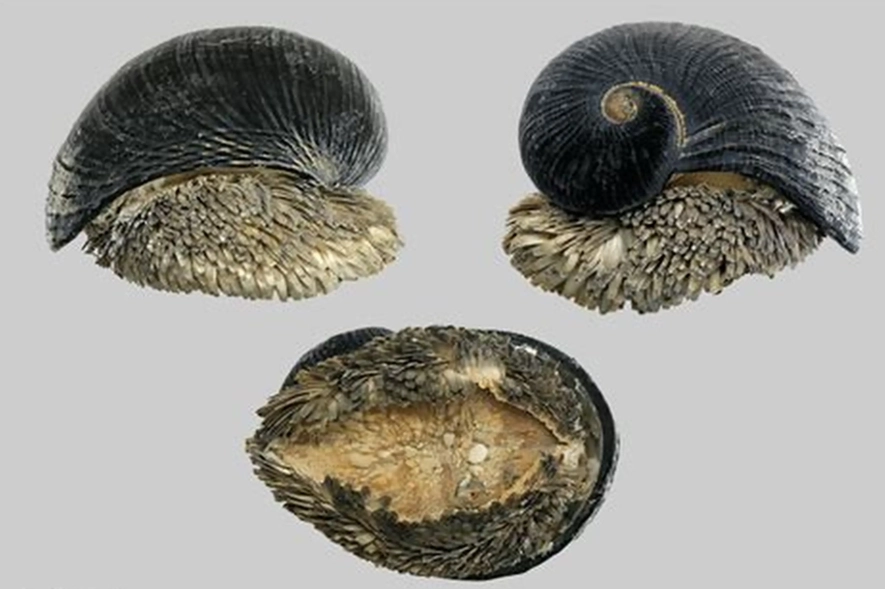
The Biggest Threat: It's Not What You Think
If you guessed climate change or plastic pollution, you'd be partially right for other marine life, but for the scaly-foot snail, the primary and most imminent threat is different: deep-sea mining.
The very hydrothermal vents it calls home are rich in polymetallic sulfides—deposits containing high-grade copper, zinc, gold, and silver. The Longqi vent field (where the snail lives) is already under exploration license for potential mining. The process is catastrophic for vent ecosystems. Mining machines would literally strip the vent chimneys, destroying the hard substrate the snails attach to and smothering the entire area in sediment plumes that can travel for kilometers, clogging the gills of filter-feeders and burying entire communities.
Here's a nuanced point many miss: it's not just the active mining. The exploration phase itself, involving seabed sampling and infrastructure testing, can cause localized but severe damage. Furthermore, the vents are dynamic; they naturally become inactive. The snail relies on a network of active and recently inactive vents to survive. Mining could wipe out this entire network in one go, leaving no refuge.
Other Pressures on Survival
While deep-sea mining is the headline threat, other factors stack the odds against the snail.
| Threat | How It Affects the Snail | Current Severity |
|---|---|---|
| Scientific Research & Collection | While vital for knowledge, physical sampling removes individuals from an already small population. Early expeditions before its rarity was known may have collected significant numbers. | Moderate, but now heavily regulated under research permits. |
| Climate Change & Ocean Acidification | Alters deep-ocean chemistry and circulation patterns. Could affect the delicate chemical balance of vent fluids, disrupting the chemosynthetic bacteria the snail depends on. A longer-term, systemic threat. | Potentially High (future impact). |
| Natural Vulnerability | Extreme habitat specialization, slow growth/reproduction rates (common in deep-sea species), and total dependence on a symbiotic partner make it inherently less resilient to change. | Constant background risk. |
How Can We Protect the Scaly-Foot Snail?
Protection is tricky because it's in international waters, beyond any single nation's jurisdiction. The governing body is the International Seabed Authority (ISA). Current measures include: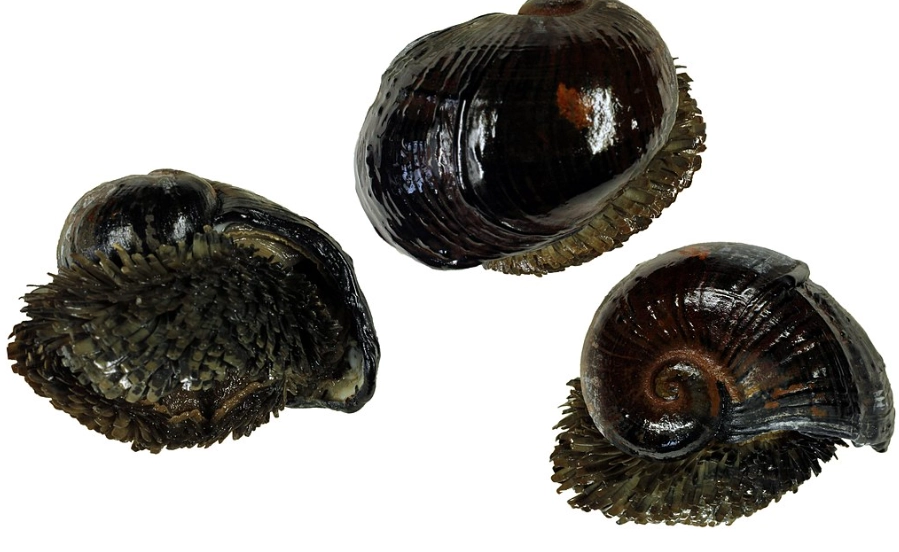
1. Marine Protected Areas (MPAs): The IUCN has recommended the designation of the vents hosting this snail as "Areas of Particular Environmental Interest" (APEIs), which should be off-limits to mining. Advocacy by scientists and NGOs is pushing for this.
2. Regulatory Frameworks: The ISA is (slowly) developing regulations for exploitation. The effectiveness of these rules in actually preventing ecosystem collapse is the subject of intense debate and scientific scrutiny.
3. Scientific Advocacy: Researchers are its biggest champions. By publishing on its uniqueness and vulnerability, they build the case for protection. The scaly-foot snail has become a poster child for deep-sea conservation.
4. Public Awareness: Articles like this one. Most people don't know deep-sea mining is a looming reality. Understanding that a unique, iron-armored snail is on the frontline makes the abstract threat concrete.
The Uncertain Future Outlook
The future hinges almost entirely on decisions about deep-sea mining. If mining regulations are weak or poorly enforced, the Kairei and Longqi vent fields could be severely degraded or destroyed within the coming decades, likely causing the snail's extinction in the wild. A moratorium or ban on mining in these specific biologically rich areas would give it a fighting chance.
There's also the wild card of discovery. Could there be unknown populations at other vent fields? Possibly, but the Indian Ocean ridge systems are still poorly explored. Relying on undiscovered populations is not a conservation strategy.
Captive breeding is virtually impossible due to its symbiotic dependence on vent bacteria and extreme pressure requirements. In-situ protection of its habitat is the only viable option.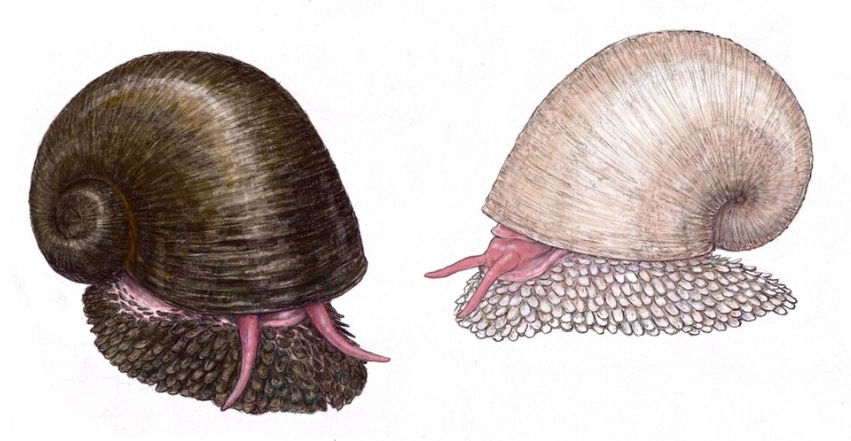
Your Questions Answered (FAQs)
 What's the one thing that would most likely save the scaly-foot snail from extinction?
So, are scaly-foot snails endangered? Absolutely. Their story is a stark reminder that even the most remote and seemingly inhospitable corners of our planet are within reach of human impact. Their survival is no longer just a question of biology, but one of international policy and our collective choice about how we value the unknown wonders of the deep sea versus short-term resource extraction.


Comments
Leave a Comment